
Why Weight Can Change in Midlife
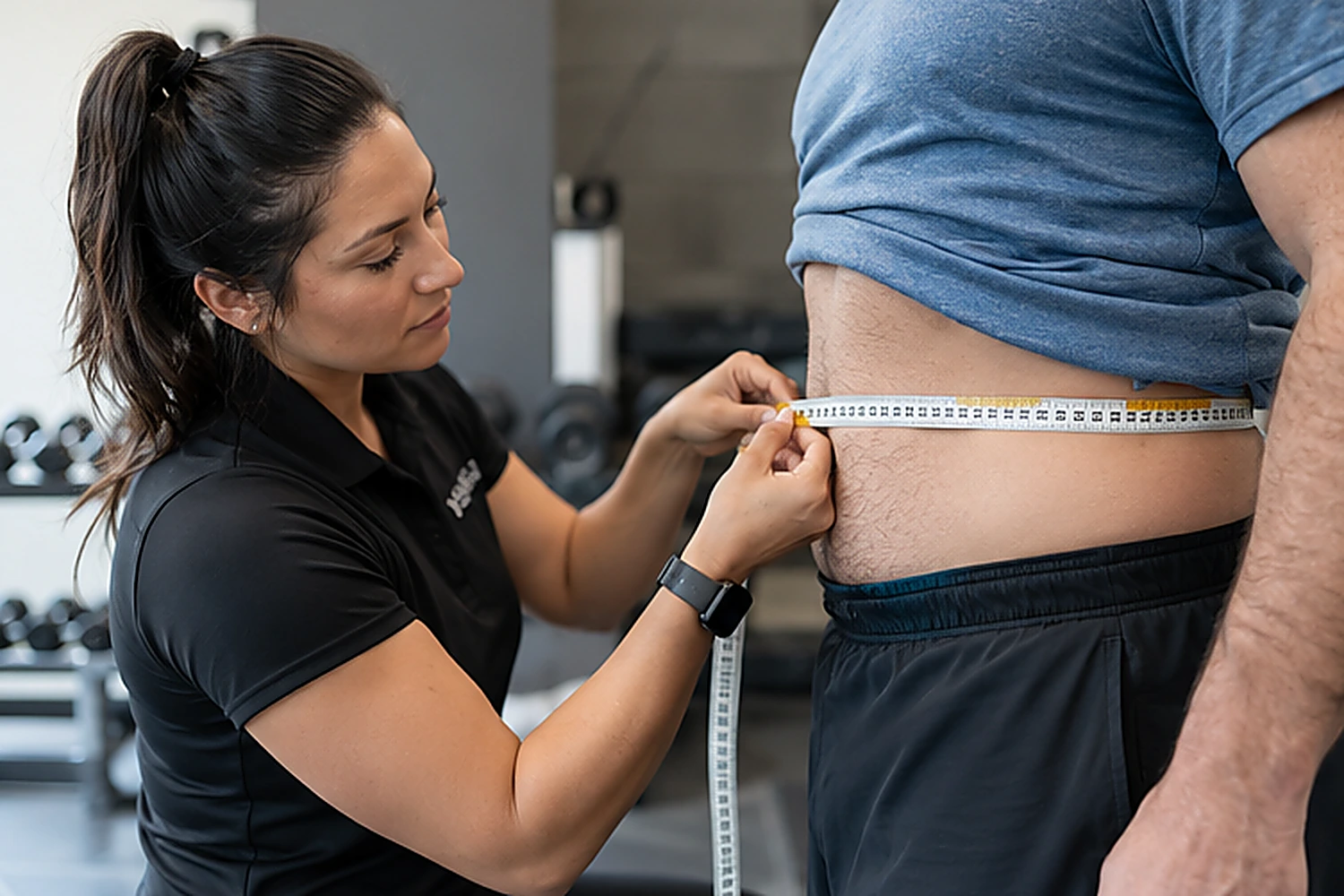
Energy needs often decrease with age as body composition and activity patterns change. At the same time, menopause can be associated with more central fat accumulation even when total body weight changes only modestly. That is why waist size may change before the scale changes dramatically.
Our waist circumference vs BMI guide explains why central fat distribution can add metabolic information beyond body weight alone.
Muscle Loss Is an Important Part of the Story
Adults gradually lose muscle with age unless resistance training and adequate protein provide a reason to maintain it. Less muscle can reduce strength and make daily activity feel harder, which can indirectly reduce energy expenditure.
Strength training is therefore central to healthy body composition. See strength-training benefits for adults and the gym workout plan for women over 40 for practical starting points.
Calories Still Matter, but Extreme Restriction Backfires
Fat loss requires an energy deficit, but aggressively cutting calories can make it harder to meet protein and micronutrient needs and may increase fatigue, hunger and muscle loss. A modest, sustainable deficit is usually more practical than repeated cycles of severe dieting.
Our calorie deficit guide explains the basic principle without promising unrealistic speed.
Prioritize Protein, Fiber and Food Quality
Protein supports muscle maintenance and satiety, while fiber-rich foods support fullness, blood sugar control and digestive health. Build meals around protein plus vegetables, fruit, whole grains, beans or other minimally processed carbohydrate sources.
The balanced plate guide and protein for weight loss provide useful meal frameworks without requiring special “hormone balancing” foods.
Sleep Can Influence Appetite and Activity
Poor sleep can increase hunger, reduce impulse control and make exercise feel more difficult. Night sweats and insomnia may therefore influence weight management indirectly even if they are not the sole cause of weight gain.
If sleep is disrupted, use the menopause sleep guide instead of relying on caffeine to push through chronic fatigue.
Daily Movement Matters Beyond Formal Exercise
Walking, stairs, errands and active breaks can account for a meaningful amount of daily energy expenditure. People often focus entirely on workouts while sitting for most of the rest of the day.
The daily movement and NEAT guide explains practical ways to increase activity without turning every hour into a workout.
Does Hormone Therapy Prevent Weight Gain?
Hormone therapy is not a weight-loss drug and should not be prescribed solely for that purpose. It may influence body composition modestly in some women and can make activity or sleep easier if it controls symptoms, but lifestyle factors still matter.
For treatment decisions, use the hormone therapy guide rather than choosing HRT as a weight-management shortcut.
When Weight Change Needs Medical Evaluation
Rapid unexplained weight gain, swelling, shortness of breath, severe fatigue or other new symptoms deserve evaluation. Thyroid disease, medications, sleep apnea and other conditions can affect weight and energy.
If thyroid symptoms are present, review the thyroid health guide and discuss testing with a clinician.
Measure Progress Beyond the Scale
Body weight can fluctuate from hydration, bowel contents and menstrual changes, so a single scale reading says little about progress. Track trends over several weeks and include other measures such as waist circumference, strength, walking pace, energy and how clothes fit. These markers can improve even when weight loss is slow.
If scale use increases anxiety or leads to extreme restriction, choose fewer check-ins. The goal is to collect useful information, not to let the number dictate the entire day.
A Sustainable Meal Pattern for Midlife
A practical plate often includes a clear protein source, vegetables or fruit, a high-fiber carbohydrate and a source of unsaturated fat. This pattern makes it easier to meet nutrient needs while controlling energy intake. It also reduces the need for separate “menopause foods” or expensive supplements.
Batch-cooking protein, washing produce and keeping quick staples such as yogurt, beans, eggs or frozen vegetables available can make consistency easier on busy days. Our meal-planning guide offers a simple weekly system.
What to Do When Progress Stalls
A weight plateau does not automatically mean metabolism is “broken.” As body weight changes, energy needs can shift, and people may unconsciously move less or eat slightly larger portions. Review the basics before cutting calories sharply: portion sizes, snacks, alcohol, daily movement and training consistency.
The weight-loss plateau guide explains how to troubleshoot without turning a stall into an extreme diet.
A Simple Strength Priority for Body Composition
Build training around a few repeatable movement patterns: squat or sit-to-stand, hinge, push, pull and carry. Two or three full-body sessions per week are enough for many beginners. Progress by adding repetitions, resistance or control before adding more days.
The goal is to preserve or build muscle while improving strength, not to burn the maximum number of calories during the workout. That distinction matters because long-term body composition responds to consistent training and nutrition more than to one exhausting session.
Alcohol Can Quietly Affect Midlife Weight Goals
Alcohol adds calories, can reduce sleep quality and may lower food restraint later in the evening. It can also worsen hot flashes in some women. You do not necessarily need to stop drinking completely, but reducing frequency or portion size can make a noticeable difference when weight loss has stalled.
If alcohol has become part of stress coping, use the alcohol health support guide rather than relying on willpower alone.
Focus on Body Composition, Not Just the Scale
Midlife weight changes are often easier to understand when you look beyond total body weight. Muscle mass can decline with age and inactivity while fat distribution shifts toward the abdomen. That means two people at the same scale weight can have very different strength, waist circumference and metabolic health.
Strength training, adequate protein, daily movement and sleep are practical priorities because they support muscle while helping with appetite and activity levels. If weight loss is a goal, use a moderate calorie deficit rather than aggressive restriction. Our muscle mass and metabolic health guide and waist circumference vs BMI article explain why these measures can provide useful context.
A Practical Week for Body-Composition Goals
A realistic week might include two or three full-body strength sessions, daily walking, one or two moderate cardio sessions and meals built around protein, vegetables, high-fiber carbohydrates and mostly unsaturated fats. This pattern supports muscle and energy without requiring extreme dieting.
Use progress markers beyond weight alone: waist measurement, strength, energy, sleep, clothes fit and consistency. If weight changes are sudden or accompanied by swelling, severe fatigue or other new symptoms, ask a clinician whether medications, thyroid disease or another health issue could be contributing.
Protein distribution can also matter. Instead of saving most protein for dinner, include a meaningful source at breakfast and lunch as well. Pairing this with resistance training gives muscle repeated opportunities to adapt, while fiber-rich foods can improve fullness and support cardiometabolic health.
Be cautious with plans that promise to “reset hormones” through extreme fasting, detoxes or very low-calorie diets. Rapid restriction can make training, sleep and muscle retention harder. A slower approach that you can repeat for months is generally more useful for body composition.
Practical Takeaway
Menopause can change fat distribution, but midlife weight gain is usually driven by several interacting factors. Protect muscle with resistance training, eat enough protein and fiber, stay active throughout the day, protect sleep and use a modest calorie deficit if weight loss is appropriate. Sustainable body composition change is slower than marketing promises—and much more likely to last.
Frequently Asked Questions
No. Weight gain is common in midlife, but aging, activity, sleep, muscle mass, diet and hormone-related fat distribution all contribute.
Hormonal changes can influence where fat is stored, while aging and muscle loss can also affect body composition.
Yes. Resistance training helps preserve muscle, strength and bone health and supports long-term weight management.
Usually not. Severe restriction can increase hunger, fatigue and muscle loss. A modest, sustainable deficit is generally more practical.
Hormone therapy is not generally considered a cause of midlife weight gain and is not a weight-loss treatment.
Safety and Scope
This article provides general health education and is not a diagnosis or individualized treatment plan. Menopause symptoms can overlap with other medical conditions. Seek professional care for severe, persistent, unusual or rapidly changing symptoms, and use urgent services for emergency warning signs.