Published by Best Fitness Routine. Editorial standards · Report a correction. Educational guidance; no individual clinical review is claimed unless a qualified reviewer is named.
Overview
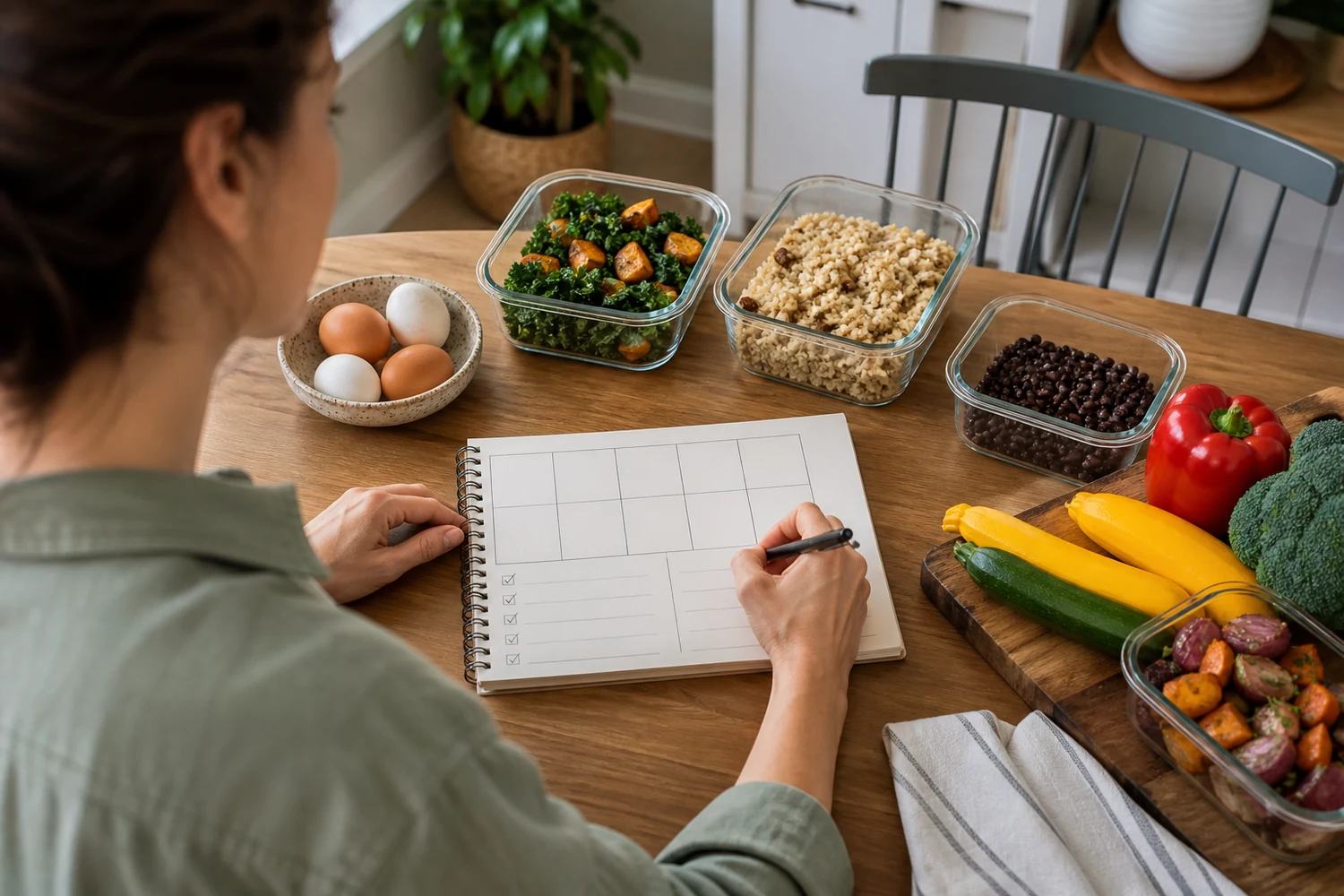
Meal planning is a decision-saving tool, not a demand to cook every meal in advance. A beginner plan can be as simple as choosing several dinners, two breakfasts, flexible lunches and a backup meal. Starting with the calendar and foods already at home makes the plan more realistic. Repeating useful components and scheduling leftovers can save time without forcing identical containers all week. You can put this idea into practice with Healthy Grocery Shopping: A Practical Beginner’s Guide. Use suitable food-storage containers (paid link) for the prepared food, following safe storage and reheating instructions.
Start With the Week’s Schedule
Late workdays, training sessions, appointments and family commitments determine how much cooking time is available. This step is useful because it connects everyday decisions with a clear health purpose. It should fit the person’s current ability and resources, not an idealized routine seen online. Progress can be gradual and still be meaningful.
Mark busy nights first and assign leftovers, a freezer meal or a ten-minute option to them. Use the action as a starting experiment, not a rigid rule. If it creates pain, anxiety, significant symptoms or conflict with professional advice, stop and choose an appropriate alternative. Planning a complex recipe for the hardest night creates avoidable stress.
Choose a Flexible Meal Formula
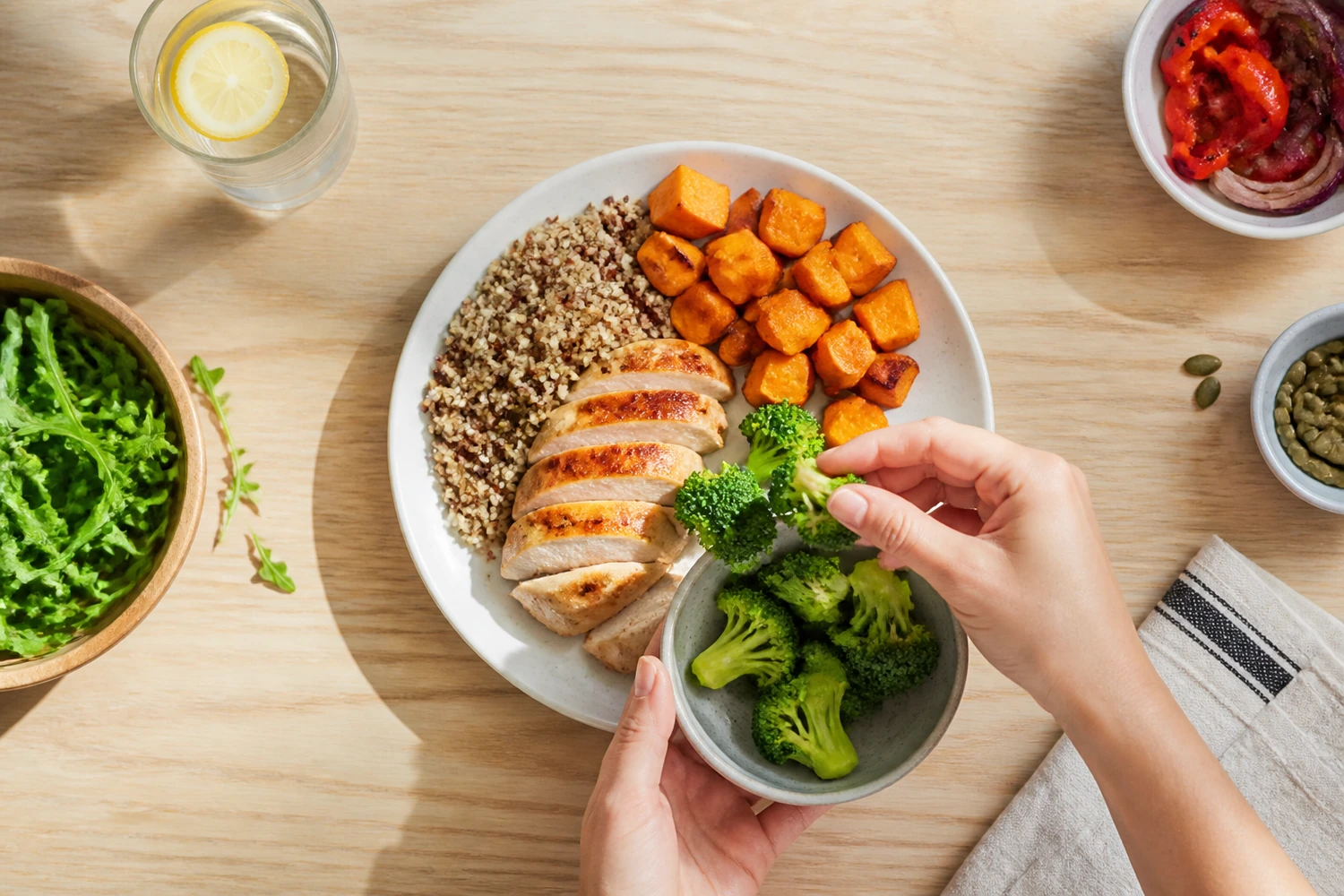
Combine a protein, produce, a grain or starchy food and a flavor element. The formula works across many cuisines. The practical value comes from consistency and context. A small action repeated through ordinary weeks usually teaches more than an extreme short challenge. Keep the parts that improve comfort, function or follow-through. For another practical perspective, read How to Reduce Added Sugar Without Giving Up Everything.
Use the balanced plate guide as a flexible visual rather than exact compulsory fractions. Record what you tried and whether it was comfortable enough to repeat. Review the pattern after one or two weeks before changing several variables. This keeps useful cause-and-effect information visible. Meals do not need to look identical or include every group in one dish. This approach also works well alongside Healthy Hydration: How Much Water Do You Really Need?.
Plan Ingredient Overlap
Roasted vegetables can appear in bowls, wraps and omelets; beans can become soup and salad; rice can serve two different dinners. Individual responses differ, so observe the result over time. Cost, schedule, symptoms and preferences are legitimate parts of the decision. A plan that cannot survive busy days needs a simpler version.
Choose two ingredients to prepare once and use in distinct ways over two or three days. Use the action as a starting experiment, not a rigid rule. If it creates pain, anxiety, significant symptoms or conflict with professional advice, stop and choose an appropriate alternative. Excessive overlap can become boring, so change sauces, textures and accompaniments.
Use Leftovers Deliberately
Leftovers work best when a future serving has a specific destination and safe storage plan. Look at the full pattern rather than judging one day. Personal needs, access, culture and medical history can change the most useful choice. A repeatable baseline makes later adjustments easier to interpret.
Label containers, cool food promptly and assign lunch or a later dinner before cooking. Record what you tried and whether it was comfortable enough to repeat. Review the pattern after one or two weeks before changing several variables. This keeps useful cause-and-effect information visible. Do not repeatedly reheat the full batch or keep food beyond safe storage guidance.
Keep Backup Meals
Illness, traffic and fatigue will disrupt the plan. A backup prevents one change from turning into a week of expensive last-minute choices. This step is useful because it connects everyday decisions with a clear health purpose. It should fit the person’s current ability and resources, not an idealized routine seen online. Progress can be gradual and still be meaningful.
Store ingredients for two quick meals your household likes, such as eggs and toast or bean soup and frozen vegetables. Use the action as a starting experiment, not a rigid rule. If it creates pain, anxiety, significant symptoms or conflict with professional advice, stop and choose an appropriate alternative. A backup should require little time, not be an aspirational recipe.
Plan Snacks Only When Useful
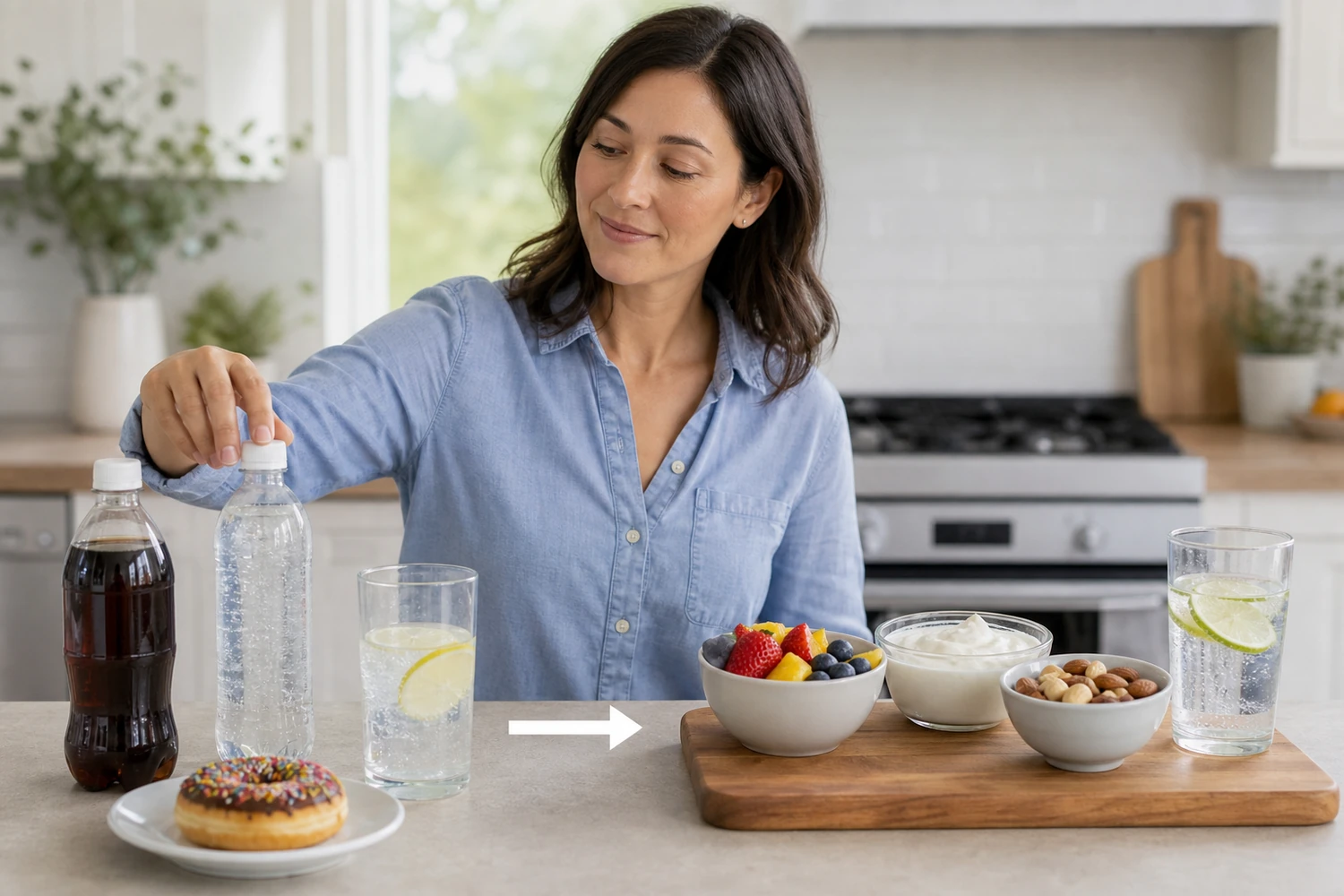
Snacks can bridge long gaps or support training, but they are not mandatory. Pairing food groups can improve staying power. The practical value comes from consistency and context. A small action repeated through ordinary weeks usually teaches more than an extreme short challenge. Keep the parts that improve comfort, function or follow-through.
Prepare fruit with yogurt, vegetables with hummus, or crackers with eggs or cheese according to preferences. Record what you tried and whether it was comfortable enough to repeat. Review the pattern after one or two weeks before changing several variables. This keeps useful cause-and-effect information visible. Do not schedule snacks mechanically when meals are sufficient and hunger is absent.
Match Portions to People
Appetite and energy needs differ by age, body size, activity, pregnancy and health. One container size will not suit everyone. Individual responses differ, so observe the result over time. Cost, schedule, symptoms and preferences are legitimate parts of the decision. A plan that cannot survive busy days needs a simpler version.
Cook adjustable meals with extra grains, vegetables, protein or toppings available at the table. Use the action as a starting experiment, not a rigid rule. If it creates pain, anxiety, significant symptoms or conflict with professional advice, stop and choose an appropriate alternative. Adult weight-loss portions should not be imposed on children or other household members.
Run a Weekly Review
A plan becomes useful through feedback. Note what was eaten, what spoiled, what took too long and what people requested again. Look at the full pattern rather than judging one day. Personal needs, access, culture and medical history can change the most useful choice. A repeatable baseline makes later adjustments easier to interpret.
Keep successful meals, remove one weak choice and adjust the shopping quantity for next week. Record what you tried and whether it was comfortable enough to repeat. Review the pattern after one or two weeks before changing several variables. This keeps useful cause-and-effect information visible. Do not rebuild everything because one dinner changed.
Common Meal Planning Mistakes to Avoid
Mistakes around meal planning usually come from doing too much too quickly, treating a population guideline as a personal prescription, or following one number without context. The goal is not flawless behavior. It is a safer system that helps a person notice a problem, correct it early and continue with less friction.
Use the cautions below as a review before changing the routine. Several of them involve symptoms, medicines or diagnosed conditions that need professional input. Internet advice should never be used to delay appropriate care.
- Planning a complex recipe for the hardest night creates avoidable stress.
- Meals do not need to look identical or include every group in one dish.
- Excessive overlap can become boring, so change sauces, textures and accompaniments.
- Do not repeatedly reheat the full batch or keep food beyond safe storage guidance.
- A backup should require little time, not be an aspirational recipe.
- Do not schedule snacks mechanically when meals are sufficient and hunger is absent.
- Adult weight-loss portions should not be imposed on children or other household members.
- Do not rebuild everything because one dinner changed.
A Practical Two-Week Action Plan
For the first seven days, choose two actions from this meal planning guide and place them into existing routines. Keep the minimum version easy enough for a busy day. Note completion, comfort and any symptoms once daily; avoid constant checking or trying to perfect every related behavior at once.
During the second week, keep the action that worked best and adjust the main barrier to the other. Improvement might mean greater consistency, better understanding, easier preparation or a useful clinical question—not an instant change in appearance or a single measurement. Continue only changes that remain safe and realistic.
- Days 1–2: Mark busy nights first and assign leftovers, a freezer meal or a ten-minute option to them.
- Days 3–4: Choose two ingredients to prepare once and use in distinct ways over two or three days.
- Days 5–6: Store ingredients for two quick meals your household likes, such as eggs and toast or bean soup and frozen vegetables.
- Days 7–8: Cook adjustable meals with extra grains, vegetables, protein or toppings available at the table.
Measure Progress Without Chasing Perfection
Choose one behavior measure and one real-life outcome for meal planning for beginners: build a healthy week. A behavior measure could be the number of planned actions completed. A real-life outcome could be comfort, confidence, energy, function, fewer missed tasks or a clearer conversation with a professional. These are more informative than daily self-criticism. For planning ahead, an optional meal-planning notebook (paid link) can keep your meals and grocery lists together.
Review the record weekly and compare several weeks rather than reacting to one unusual day. Illness, travel, sleep and stress can temporarily change results. If tracking causes anxiety or compulsive checking, simplify it or stop and seek appropriate support. Sustainable health work should make life more manageable, not narrower.
Know When to Get Professional Help
Medical diets, food allergies, eating-disorder recovery and conditions affecting appetite or swallowing need individualized planning from a qualified professional. Keep a short record of onset, duration, triggers, related symptoms, medicines and what has already been tried. Clear context helps a qualified professional decide whether examination, testing, treatment or reassurance is appropriate.
Use urgent or emergency services for severe, sudden or rapidly worsening symptoms, danger to safety, loss of consciousness, major breathing difficulty or another local emergency. Routine lifestyle guidance is most useful after immediate danger has been ruled out. When uncertain, contact an appropriate local healthcare service rather than waiting for an article to answer an individual diagnosis.
Frequently Asked Questions
No. Planning can involve a list and a few prepared components; choose a timing that suits your week.
Start with three or four dinners, simple breakfast and lunch options, leftovers and backups.
It can reduce duplicate buying, waste and emergency purchases when the plan reflects what people will eat.
Repeat components but change seasoning, sauces, vegetables and the final format.
Move the meal, freeze ingredients when safe or use the backup. Flexibility is part of a successful plan.
Safety and Scope
Medical diets, food allergies, eating-disorder recovery and conditions affecting appetite or swallowing need individualized planning from a qualified professional.