Published by Best Fitness Routine. Editorial standards · Report a correction. Educational guidance; no individual clinical review is claimed unless a qualified reviewer is named.
Overview
Hydration means maintaining enough body fluid for normal function. There is no single bottle count that fits every adult because needs change with body size, weather, activity, food, pregnancy, illness, medicines and medical conditions. A practical plan uses regular access to fluids, attention to thirst and context, and extra caution when losses increase. For another practical perspective, read Benefits of Dietary Fiber and How to Eat More of It.
Recognize Why Fluid Needs Vary
A person working outdoors in heat may need far more fluid than someone resting in a cool room. Exercise, fever, vomiting, diarrhea, pregnancy and breastfeeding can increase needs. Older adults may feel thirst less strongly, while heart or kidney conditions may require a prescribed fluid limit.
Reference intake numbers include water from both drinks and foods; they are not a command to drink that amount as plain water. Fruit, vegetables, soups, milk and other beverages contribute. Use population values as context, then follow your own health guidance.
Build a Simple Daily Drinking Routine
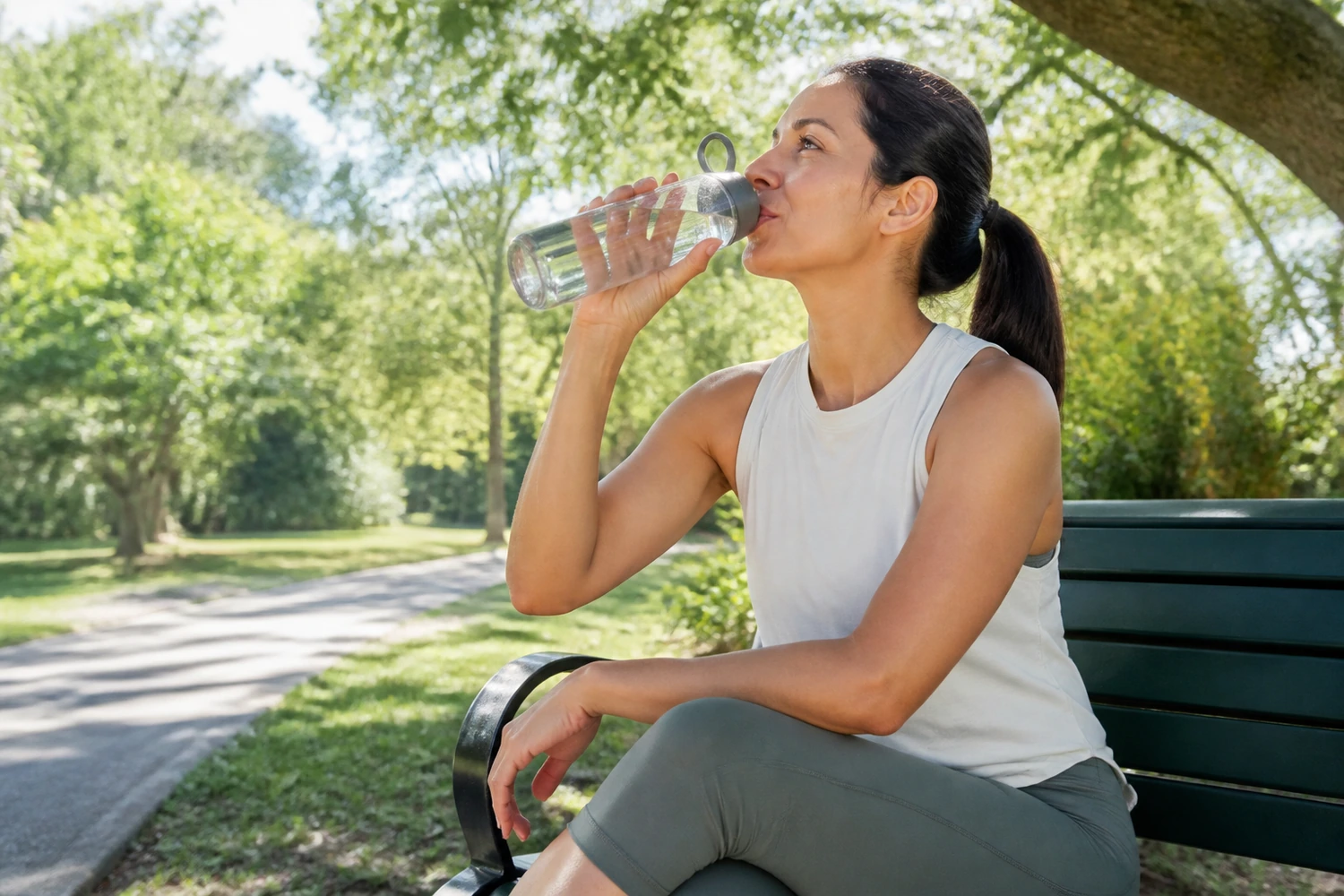
Keep water available, drink with meals and respond to thirst. Add a drink after waking, before leaving home and during activity if those moments are easy to remember. A reusable bottle helps some people, but the bottle’s size should not become a compulsory quota.
Choose water often and use unsweetened options for variety. If plain water is unappealing, add citrus, cucumber or herbs. People reducing sweetened drinks can use the added-sugar guide for gradual substitutions.
Use Several Hydration Clues
Thirst is a useful signal for many healthy adults. Urine that is consistently very dark and infrequent can accompany dehydration, although vitamins, medicines and foods can change color. Dry mouth, unusual fatigue, dizziness and reduced urination can also occur, but none is specific by itself.
Do not aim for perfectly clear urine all day or force fluid after thirst is satisfied. Excessive water intake can dilute blood sodium, particularly during prolonged exercise. Look at the full situation: heat, sweat, illness, fluid intake and symptoms.
Adjust Hydration for Exercise
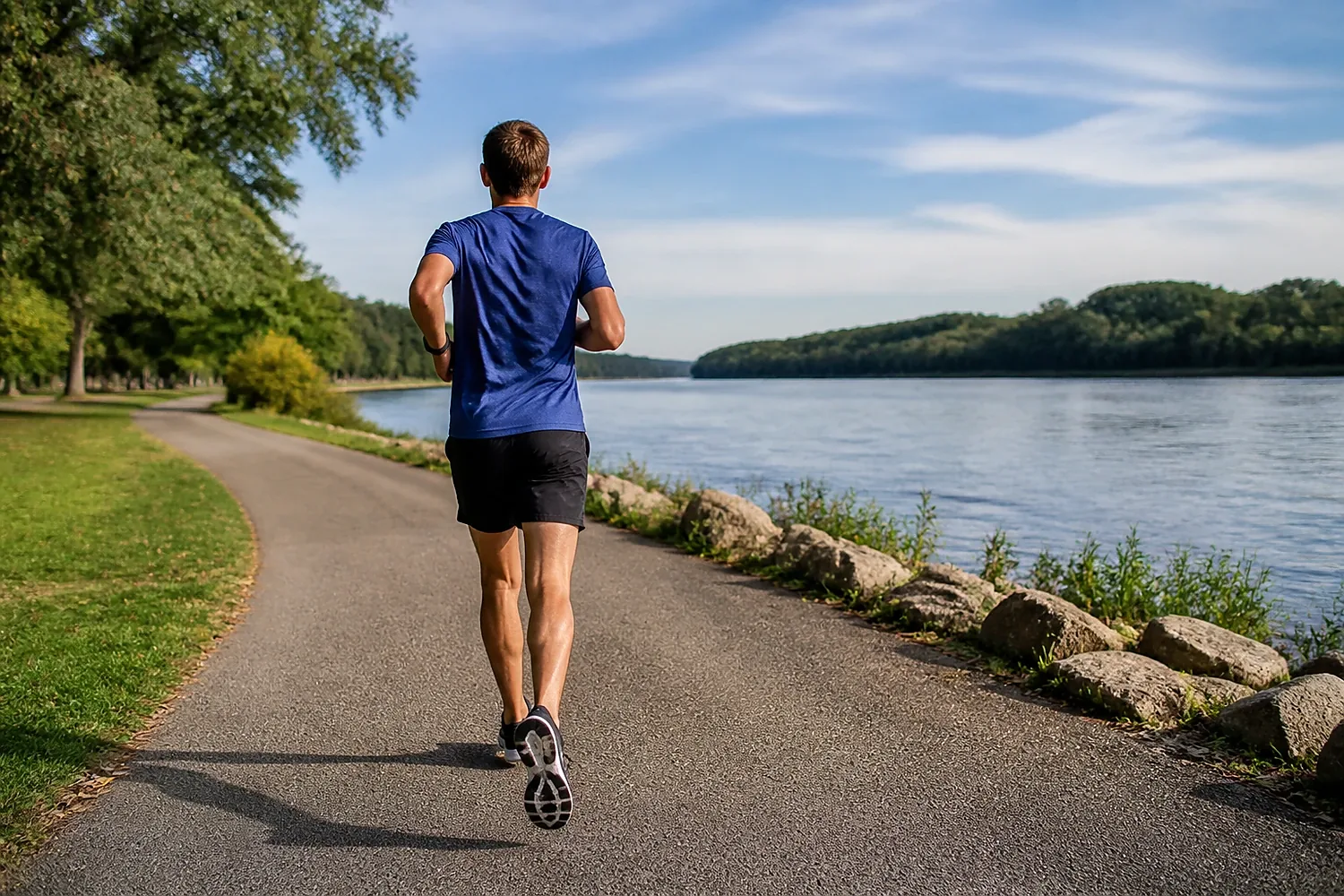
Begin ordinary exercise reasonably hydrated, take fluids according to thirst and access, and drink afterward. Short recreational sessions in moderate conditions often do not require an elaborate plan. Long duration, high heat, heavy sweating, altitude and protective clothing increase complexity.
Body-weight change before and after a repeated session can estimate sweat loss, but it should not encourage replacing more fluid than was lost. Pace exercise to conditions and use our stamina guide to build duration gradually instead of combining a sudden workload jump with heat exposure.
Take Extra Care in Hot and Humid Weather
Choose cooler times, lighter clothing, shade and shorter sessions during heat. Humidity reduces the evaporation of sweat, so effort can feel harder. Acclimatization takes time; do not assume fitness protects you from heat illness.
Stop activity and cool down for unusual weakness, headache, nausea, dizziness or confusion. Confusion, fainting, very high body temperature or rapidly worsening symptoms can signal a medical emergency. Move to a cooler place and seek urgent help rather than trying to walk it off.
Know When Electrolytes May Matter
Sodium and other electrolytes are lost in sweat. Most people replace them through normal meals after routine activity. Longer sessions, very heavy sweating, heat exposure or illness may require a more specific plan. A sports drink can supply fluid, carbohydrate and sodium, but it is not automatically necessary for a short workout.
Electrolyte powders vary widely in sodium, sugar and other ingredients. More is not better, and high-potassium products may be unsafe with kidney disease or certain medicines. Choose based on the situation and professional advice, not marketing.
Get Water From Food as Well as Drinks
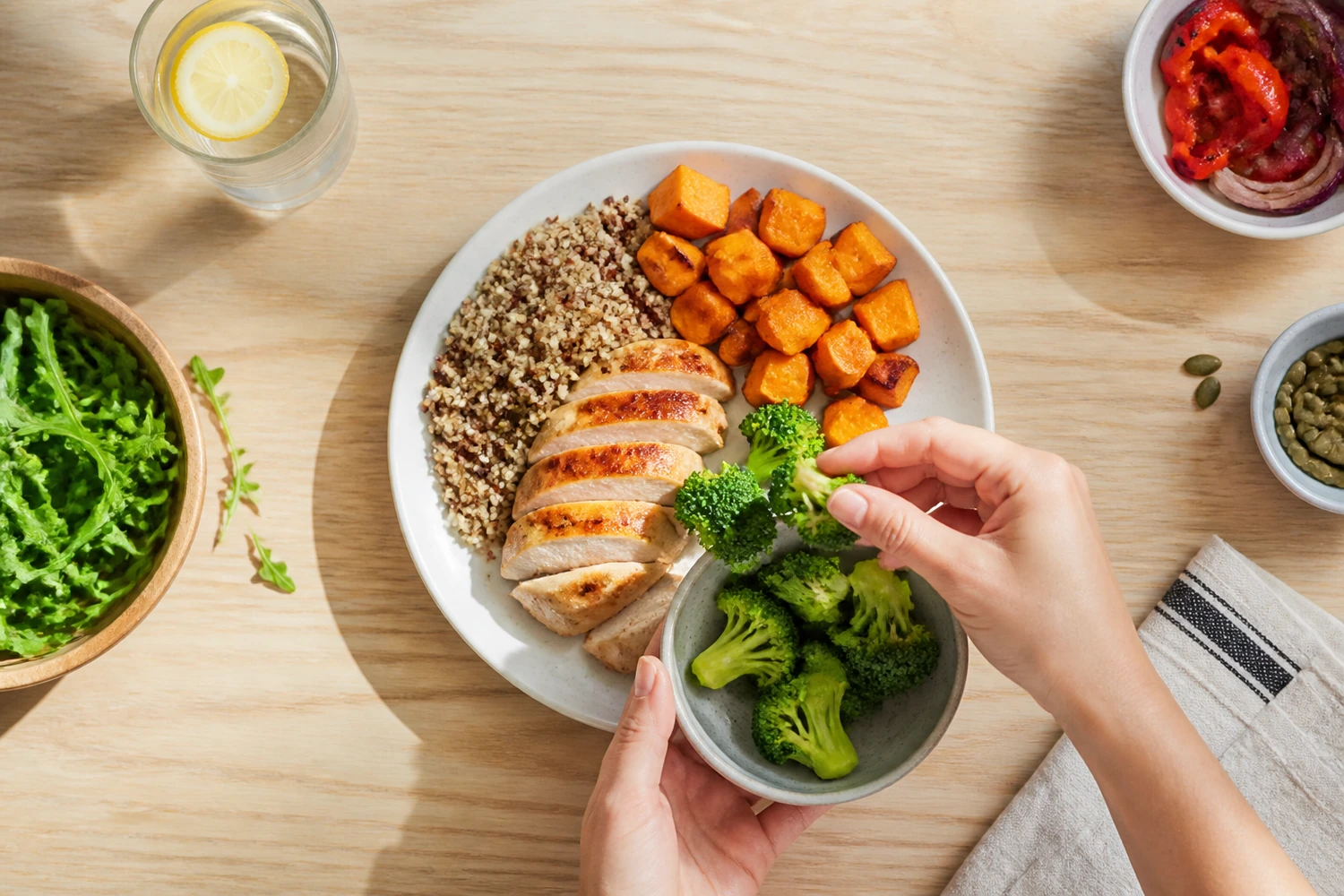
Fruit, vegetables, yogurt, soups and cooked grains contribute fluid. A balanced meal after exercise can replace water, sodium, carbohydrate and protein together. The balanced plate guide helps assemble a complete recovery meal.
Alcohol can impair judgment and recovery and should not be used for rehydration. Caffeinated drinks still contribute fluid for many regular users, though large doses can cause other problems. Consider the complete beverage pattern rather than classifying every drink as fully hydrating or dehydrating.
Respond Carefully to Vomiting, Diarrhea and Fever
Illness can cause rapid fluid and electrolyte losses. Small frequent sips may be easier to tolerate than a large glass. Oral rehydration solutions use a specific balance of water, salts and carbohydrate; they are different from ordinary sports drinks, especially for children or significant diarrhea.
Seek medical advice when fluids cannot be kept down, urination is very low, symptoms are severe, or the person is an infant, frail older adult or medically vulnerable. Confusion, fainting, rapid breathing or shock signs require urgent care.
Avoid Overhydration
Drinking far beyond losses can cause dangerously low blood sodium. Risk rises when a person consumes large volumes during prolonged activity without considering pace and electrolytes. Headache, nausea, confusion, swelling or worsening symptoms during an event should not automatically be treated with more plain water.
Use thirst and an event-specific plan. Do not compete to finish a gallon or force a preset amount despite discomfort. People with endurance goals should practice their hydration plan in training and seek sports-nutrition or medical guidance for long events.
Create a Personal Hydration Plan
Map normal opportunities: a drink at breakfast, a bottle during work, water with lunch and dinner, and access during exercise. Add extra attention for hot commutes, outdoor work or travel. Review thirst, urine pattern and symptoms rather than chasing a perfect number.
For one week, note weather, exercise duration, unusually dark urine, headaches and dizziness. If symptoms persist despite reasonable drinking, seek assessment because anemia, blood pressure, blood sugar, medicines and other conditions can cause similar symptoms. A health appointment notebook (paid link) can keep your questions and routine observations together for a planned visit.
| Situation | Practical approach | Extra caution |
|---|---|---|
| Normal day | Drink with meals and to thirst | Prescribed fluid limits override generic advice |
| Short workout | Start hydrated; water is often sufficient | Heat and heavy sweat change needs |
| Long or hot exercise | Plan access and consider sodium losses | Avoid replacing more than losses |
| Vomiting or diarrhea | Small sips; consider proper oral rehydration | Seek care for severe or persistent symptoms |
Know Who Needs Individual Advice
Kidney disease, heart failure, liver disease and some hormonal conditions can change safe fluid and electrolyte intake. Diuretics and other medicines may affect losses. Pregnancy, breastfeeding, infancy and older age also deserve specific attention.
Do not change a prescribed fluid restriction based on a wellness article. Ask the treating professional how to adjust for heat, exercise or illness. Carry relevant medical information during endurance events or travel when a condition affects hydration.
Plan Hydration for Travel and Long Workdays
Carry an empty reusable bottle through airport security and refill it, identify safe drinking-water sources, and drink with regular meals. Dry cabin air, schedule changes and limited bathroom access can disrupt normal habits. Plan reasonable opportunities rather than intentionally dehydrating for the entire journey. An optional daily planner (paid link) can help you keep track of the routines discussed here.
During long drives, combine fluid breaks with movement and rest. Avoid using large caffeine doses to overcome dangerous sleepiness. In areas where water safety is uncertain, use official local guidance, sealed water or appropriate treatment methods.
Support Hydration in Older Adults
Thirst perception can become less reliable with age, and mobility, memory, swallowing, continence concerns or medicines may reduce intake. Make drinks accessible, offer them at regular routines and include fluid-rich foods. Use cups and containers the person can handle safely.
Do not force fluids when heart, kidney or swallowing conditions require a plan. Sudden confusion, weakness or reduced urination can have many causes and deserves medical attention rather than assuming a glass of water will solve it.
Avoid Common Hydration Myths
Water does not detoxify the body in the way marketing claims; the kidneys and liver perform complex waste-handling functions. Lemon water is a flavored drink, not a cure. Alkaline water is not necessary for most people, and an expensive bottle does not hydrate better than safe ordinary water.
Coffee does not automatically cancel all its fluid, and everyone does not need a sports drink. Judge beverages by the complete situation, including caffeine, sugar, alcohol, sodium, cost and personal tolerance. The simplest suitable option is often enough.
Run a One-Week Hydration Audit
Record the situations in which thirst, dark urine, headache or dizziness occurs, along with weather, activity and access to drinks. Note medicines and prescribed restrictions without changing them. The goal is to identify missed opportunities, such as long meetings, travel or outdoor work, rather than calculate every milliliter.
Place fluids at the specific points where intake is difficult: a bottle in the work bag, water at meals or a planned refill on a walking route. For exercise, compare similar sessions and notice whether performance, recovery or urination changes. Avoid using weight changes from unrelated days as a hydration diagnosis.
If symptoms persist when intake appears reasonable, arrange healthcare assessment. Dizziness and fatigue can reflect blood pressure, anemia, blood sugar, infection or medication effects. Drinking more is not a safe universal answer, particularly with heart or kidney disease.
Frequently Asked Questions
No single glass count fits everyone. Needs vary, and total water includes both beverages and foods.
No. Constantly clear urine can reflect excessive intake. Urine color is only one clue and can be changed by foods, vitamins and medicines.
Often not in moderate conditions. Longer, hotter or very sweaty sessions may need a more specific plan.
Yes. Excessive intake, especially during prolonged exercise, can dangerously lower blood sodium.
Confusion, fainting, lack of urination, rapid breathing, shock signs or severe worsening symptoms require urgent medical help.
Safety and Scope
Severe dehydration and overhydration can both be emergencies. Prescribed fluid or electrolyte limits take priority over general advice. Seek urgent care for confusion, fainting, shock signs or rapidly worsening illness.