Published by Best Fitness Routine. Editorial standards · Report a correction. Educational guidance; no individual clinical review is claimed unless a qualified reviewer is named.
Overview
A balanced plate is a visual planning method, not a rigid diet. It helps you combine food groups so a meal supplies energy, protein, fiber, flavor and satisfaction. The proportions are a starting point that can change with appetite, culture, training, health needs and what is available. Balance is better judged across days than by demanding that every plate look perfect.
Use the Plate as a Flexible Framework
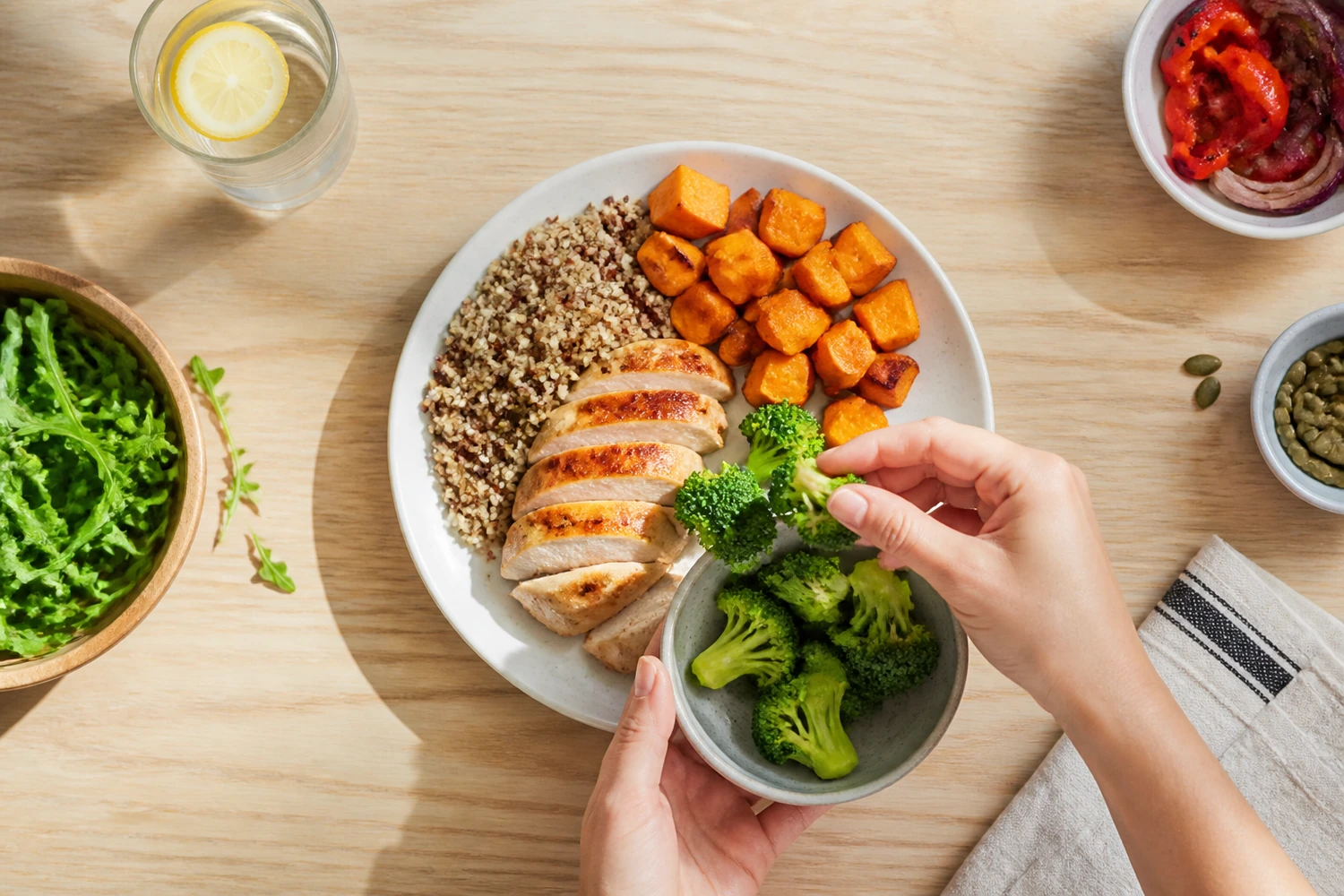
A simple starting point is to make roughly half the plate vegetables and fruit, about one quarter a protein food, and about one quarter grains or another starchy food. Add a source of unsaturated fat when the meal does not already contain one. Water or another appropriate drink completes the meal for many people.
This is a visual guide, not a prescription. Soup, curry, sandwiches, pasta and mixed bowls do not sit in separate sections, yet they can contain the same components. Ask what vegetables, protein and carbohydrate are present, then add what is missing. That question is more adaptable than forcing every cuisine into one picture.
Build Variety With Vegetables and Fruit
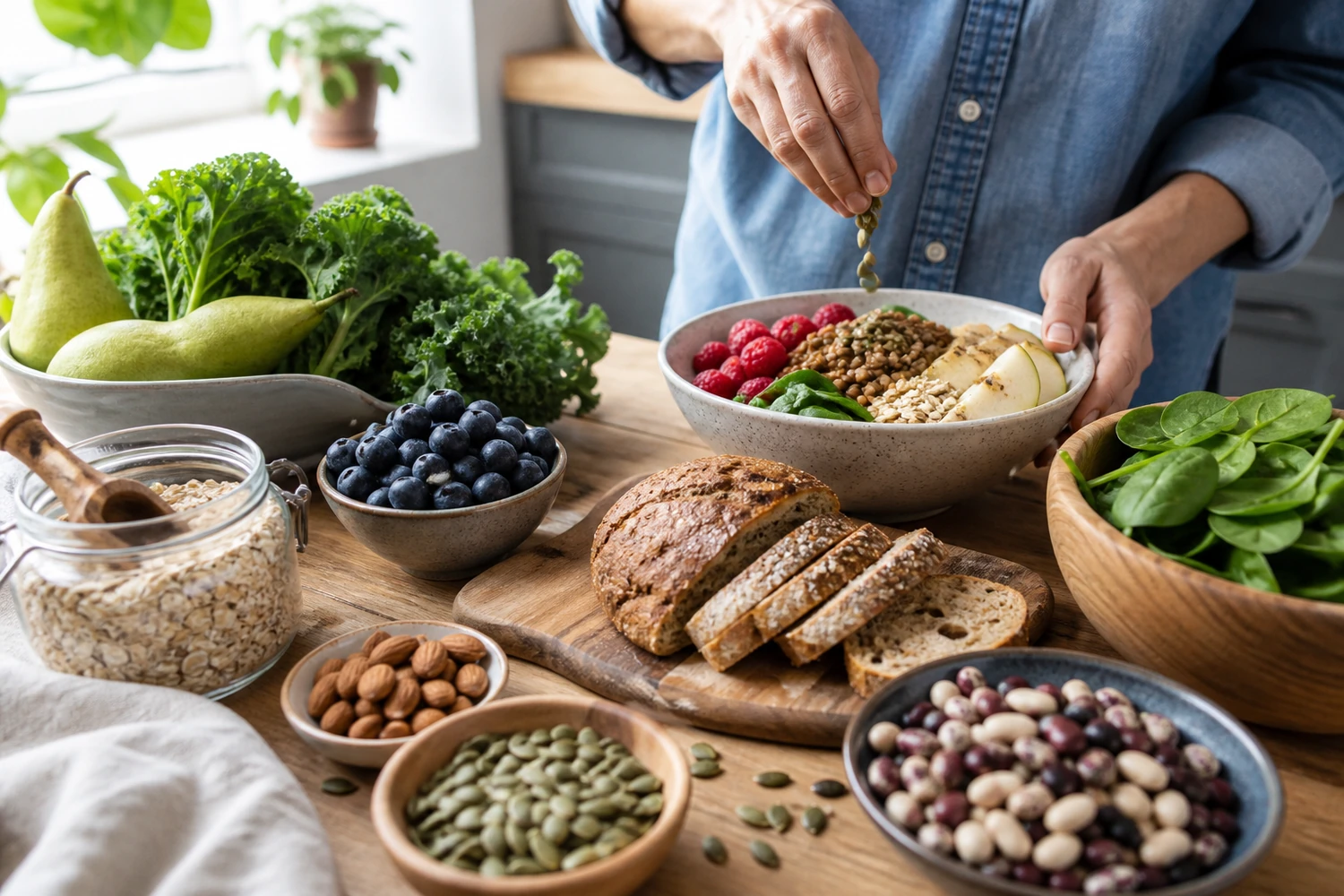
Vegetables and fruit provide fiber, vitamins, minerals and many different flavors. Fresh, frozen and canned options can all be useful. Frozen vegetables without heavy sauces are convenient, and canned vegetables can be drained or rinsed when appropriate. Fruit may be fresh, frozen, canned in water or its own juice, or dried in a smaller portion.
Choose colors across the week rather than treating one vegetable as magical. Dark leafy greens, orange vegetables, tomatoes, beans, berries and citrus offer different nutrient profiles. If half a plate feels unrealistic today, add one handful or one side serving and build from there. Consistent small additions matter.
Choose a Protein That Fits the Meal
Protein foods include beans, lentils, fish, poultry, eggs, tofu, tempeh, dairy foods, nuts, seeds and lean meats. The best choice depends on preference, budget, culture and health needs. Rotate sources across the week to obtain different nutrients and reduce boredom.
Protein does not need to dominate the plate. Include an amount that supports satisfaction and your needs, then combine it with fiber-rich plants and an energy source. Active people may distribute protein across meals. Our healthy meal library includes practical bowls, soups and skillet meals that demonstrate varied combinations.
Include Whole Grains or Another Useful Starch
Whole grains such as oats, brown rice, barley, whole-wheat bread and quinoa retain more of the grain’s structure and commonly provide more fiber than refined versions. Potatoes, sweet potatoes, corn and other starchy vegetables can also supply carbohydrate, potassium and energy. Beans contribute both carbohydrate and protein. You can put this idea into practice with Benefits of Dietary Fiber and How to Eat More of It.
Carbohydrate is not an enemy; it is an important energy source. Portion and type should fit the person and activity. Someone doing a long ride may need more carbohydrate than on a quiet rest day. A person with diabetes may use an individualized carbohydrate plan. Avoid copying a portion designed for a different body or medical situation.
Add Fats for Flavor and Satisfaction
Unsaturated fat sources include olive and other plant oils, avocado, nuts, seeds and many fish. They carry flavor, help absorb fat-soluble vitamins and can make a meal satisfying. Because fats are energy dense, a modest amount may be enough, but there is no need to eliminate them from a balanced pattern.
Notice what is already present. A salmon dish, peanut sauce, tahini dressing or avocado topping may supply the meal’s fat. Layering large amounts of cheese, creamy sauce, fried toppings and oil can change the balance quickly. Choose intentionally rather than adding every rich element by habit.
Balance Bowls, Sandwiches, Soups and Pasta
For a grain bowl, start with vegetables, add beans, fish, poultry or tofu, include a grain, and finish with a flavorful dressing. For a sandwich, use a whole-grain option when available, add a clear protein source and include vegetables inside or on the side. For soup, look for vegetables, beans or lean protein and add whole-grain bread or fruit if the meal needs more energy.
Pasta can be balanced by increasing vegetables and adding beans, seafood, lean meat or another protein rather than simply shrinking the pasta until the meal is unsatisfying. The site’s lean beef and vegetable pasta is one example of building more components into a familiar dish.
Apply the Same Idea to Breakfast and Snacks
Breakfast might combine oats, fruit and yogurt; eggs, vegetables and whole-grain toast; or a bean-and-vegetable wrap. A balanced breakfast does not need special breakfast foods. Leftover rice, vegetables and protein can work just as well if that fits your culture and schedule. An optional workout logbook (paid link) can help you record sessions and review progress.
A snack may need only two components because it bridges meals rather than replacing one. Pair fruit with nuts or yogurt, vegetables with hummus, or whole-grain crackers with tuna. If the snack must function as a mini-meal, include protein, carbohydrate and produce more deliberately.
Let Hunger, Fullness and Goals Refine Portions
The plate method offers structure, but appetite still provides useful information. Eat at a pace that lets you notice satisfaction. You can begin with the planned amount and take more if genuinely hungry. Training, sleep, stress, illness and meal timing can change appetite from day to day.
If weight loss is a goal, emphasize filling foods and repeatable portions rather than cutting entire groups. The safe weight-loss guide explains sustainable adjustments. If weight gain, athletic fueling or recovery is the goal, add energy through larger grain portions, dairy, oils, nuts or other suitable foods.
Build Balanced Meals on a Budget
Low-cost foundations include oats, rice, potatoes, beans, lentils, eggs, frozen vegetables, seasonal produce, canned fish and store-brand whole-grain products. Plan several meals around overlapping ingredients so food is used before it spoils. Frozen and canned produce can reduce waste and preparation time.
Compare price per usable serving, not package price alone. A larger bag is not economical if it spoils. Cook a flexible base—such as grains, beans and roasted vegetables—and change flavor with herbs, sauces and different proteins. Expensive powders, specialty snacks and imported superfoods are not required for a nourishing pattern.
Use a Simple Weekly Preparation Plan
Choose two proteins, two vegetables, one fruit option and two carbohydrate bases for the week. Prepare one or two components in advance, not necessarily complete identical meals. Cooked grains, washed produce, a pot of lentils and a simple dressing can become bowls, wraps, salads and soups.
Keep an emergency meal available for difficult days: canned beans with microwave rice and frozen vegetables, eggs with whole-grain toast and fruit, or a simple tuna sandwich with vegetables. Convenience can support health when it prevents skipped meals or last-minute choices that do not meet your needs.
| Meal | Produce | Protein | Grain or starch |
|---|---|---|---|
| Breakfast | Berries or banana | Greek yogurt | Oats |
| Lunch | Salad vegetables | Chickpeas or chicken | Whole-grain pita |
| Dinner | Roasted mixed vegetables | Fish or tofu | Brown rice or potato |
| Quick backup | Frozen vegetables | Eggs or beans | Whole-grain toast or rice |
Avoid Common Balanced-Plate Mistakes
Do not turn the method into a purity test. A meal can include dessert, sauce or refined grain and still fit a healthy overall pattern. Another mistake is building a very low-energy plate that looks colorful but leaves you hungry, leading to continuous snacking. Adequate protein, carbohydrate and fat help a meal function as a meal.
Also avoid assuming that everyone needs the same proportions. Children, athletes, pregnant people and those managing digestive or metabolic conditions may need different amounts or timing. Use the framework for organization, then adapt with professional guidance when health conditions require it.
Apply Balance Without Erasing Cultural Foods
Rice dishes, flatbreads, stews, noodles, curries and shared family meals can all fit. Identify the main components and adjust what is missing: add lentils to rice, vegetables beside a curry, protein to noodles, or fruit and yogurt after a lighter meal. Balance does not require replacing familiar seasonings or eating separate bland foods.
Traditional patterns often contain useful foundations such as beans, vegetables, fermented foods, whole grains and shared portions. Preserve what supports connection and nourishment. Modify preparation or frequency only where it helps a specific goal, and avoid presenting one cuisine as the universal standard of health.
Build Balance When Eating Away From Home
Preview the menu if that reduces pressure, but do not require a perfect option. Look for a meal with a recognizable protein and produce, then choose the grain, potato, bread or other carbohydrate that makes it satisfying. Request a vegetable side, share an oversized portion or save leftovers when practical.
Sauces, desserts and fried foods can fit. If restaurant meals are frequent, compare patterns such as portion, sodium and vegetable availability. If they are occasional, enjoy the meal and return to normal habits rather than compensating with restriction or excessive exercise.
Adjust the Plate for Training, Appetite and Recovery
Before or after longer exercise, increase carbohydrate with rice, oats, bread, fruit or potatoes and include protein for recovery. On a quiet day, appetite may naturally be lower. The visual fractions do not need to stay identical when energy demands change. Hydration, timing and digestive comfort also affect the best meal.
If you are repeatedly hungry soon after eating, check whether the plate contains enough total food, protein, carbohydrate and fat. If meals feel heavy, try smaller portions or change preparation. Use feedback to refine the framework rather than interpreting appetite as a lack of discipline.
Frequently Asked Questions
No. It is a flexible planning tool. Mixed dishes and cultural meals can contain the same components in different forms.
Plain frozen vegetables can be nutritious, affordable and convenient. Compare sauces and sodium when buying seasoned versions.
No. Whole grains can add fiber, but refined grains can still fit. Consider the full meal, portion, preference and health needs.
Use beans, lentils, tofu, tempeh, eggs or dairy as appropriate, plus vegetables, grains or starches and a suitable fat source.
Hunger varies. Eat slowly, then add more food if needed. Review whether the meal had enough protein, carbohydrate, fiber and fat.
Safety and Scope
This flexible plate method is general education, not a therapeutic meal plan. Allergies, diabetes, kidney disease, digestive conditions, pregnancy, eating disorders and athletic goals may require individualized nutrition care.