Published by Best Fitness Routine. Editorial standards · Report a correction. Educational guidance; no individual clinical review is claimed unless a qualified reviewer is named.
Overview
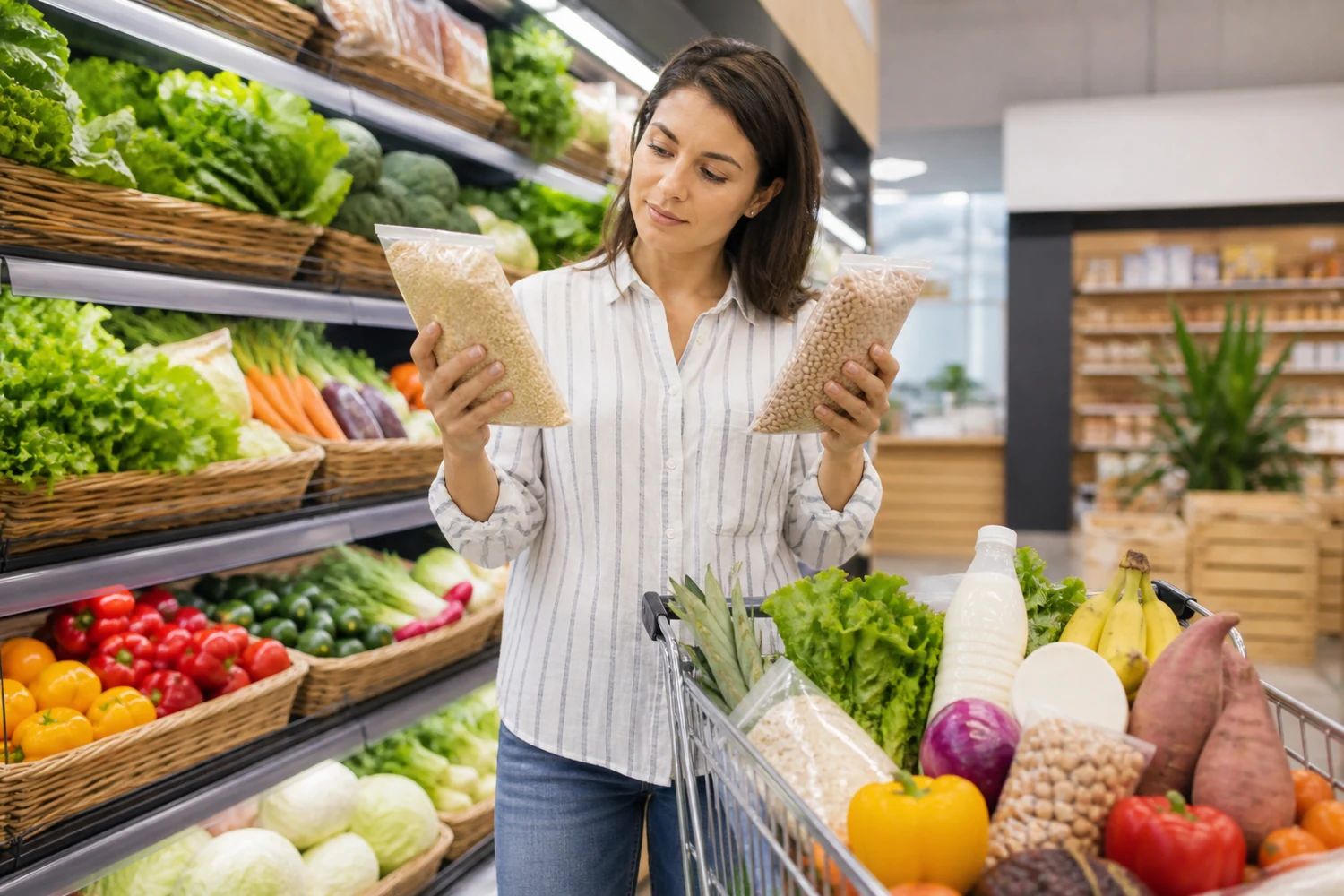
A healthy grocery trip begins before entering the store. A short meal outline, inventory check and flexible list can reduce waste, cost and decision fatigue. Nutritious food is not limited to a premium produce aisle: frozen vegetables, canned beans, oats, eggs, tinned fish, yogurt, whole-grain staples and seasonal produce can build satisfying meals. The best list is one your household will actually cook and eat. The site’s How to Reduce Added Sugar Without Giving Up Everything explains this connected topic in more detail.
Check the Kitchen First
Inventory the refrigerator, freezer and cupboards before planning. Half-used grains, vegetables and sauces can become the starting point for meals. Look at the full pattern rather than judging one day. Personal needs, access, culture and medical history can change the most useful choice. A repeatable baseline makes later adjustments easier to interpret.
Write foods that should be used soon and plan them into the first days of the week. Begin at a level that feels manageable on a normal weekday. Prepare the environment in advance and decide what the smaller backup action will be. Build only after the first version feels reliable. Buying duplicates wastes money and can hide older food until it spoils.
Plan Components, Not Perfect Menus
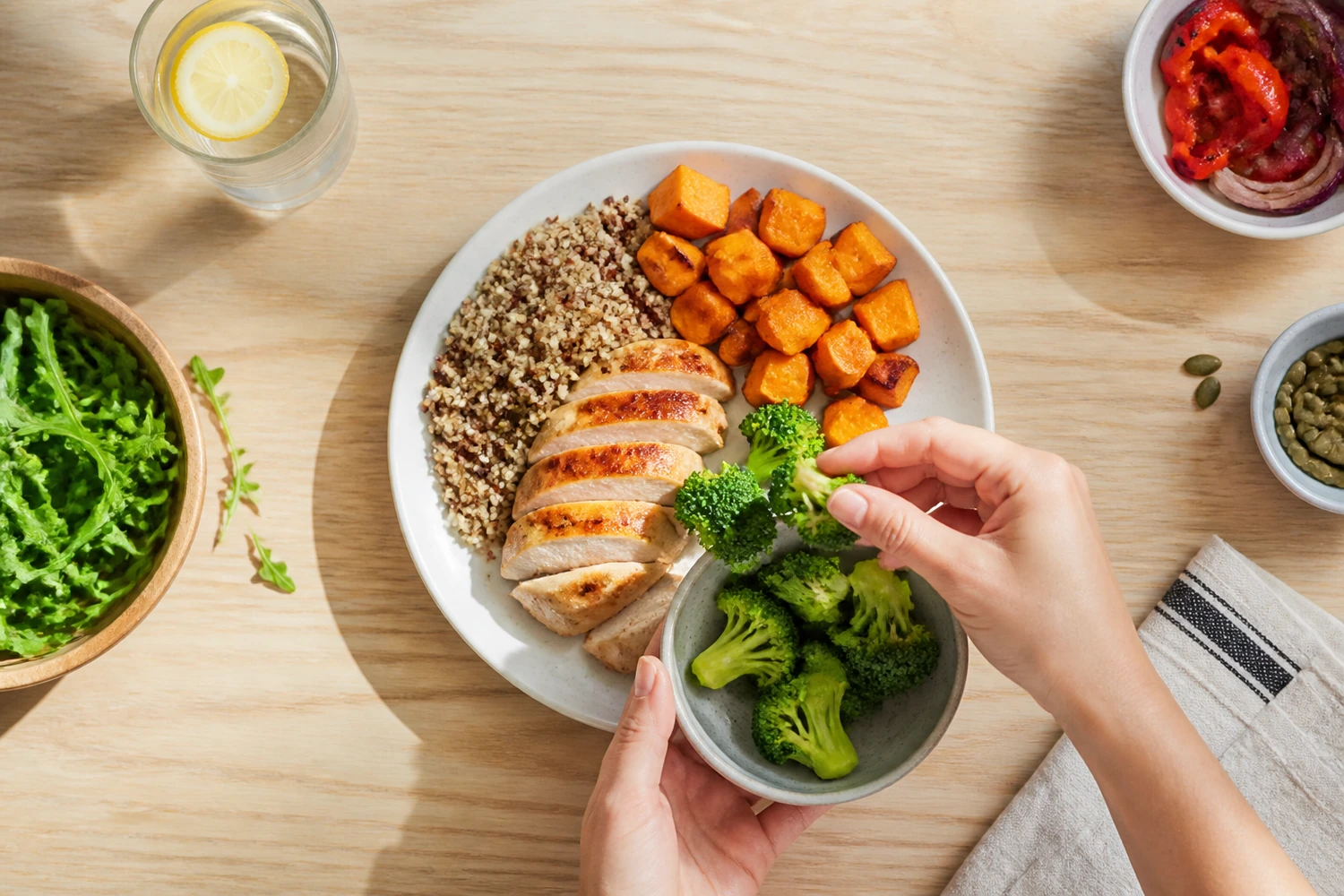
A useful list covers vegetables or fruit, protein, whole grains or starchy foods, suitable fats and a few flavor builders. This step is useful because it connects everyday decisions with a clear health purpose. It should fit the person’s current ability and resources, not an idealized routine seen online. Progress can be gradual and still be meaningful. For another practical perspective, read How to Build a Balanced Plate for Everyday Meals.
Choose three dinners that share ingredients and keep one backup meal such as soup, frozen vegetables and toast. Make the next step specific enough to put on a calendar or list. Ask for qualified help when technique, symptoms or a diagnosed condition changes what is safe. Flexibility protects long-term consistency. An overly ambitious seven-night menu often collapses when schedules change.
Organize the List by Store Area
Grouping produce, refrigerated food, pantry goods and frozen items saves backtracking and keeps cold food together. The practical value comes from consistency and context. A small action repeated through ordinary weeks usually teaches more than an extreme short challenge. Keep the parts that improve comfort, function or follow-through.
Use a paper list or a simple phone note and mark acceptable substitutions before shopping. Begin at a level that feels manageable on a normal weekday. Prepare the environment in advance and decide what the smaller backup action will be. Build only after the first version feels reliable. A list should guide choices without preventing a better seasonal or lower-cost option.
Mix Fresh, Frozen and Canned Foods
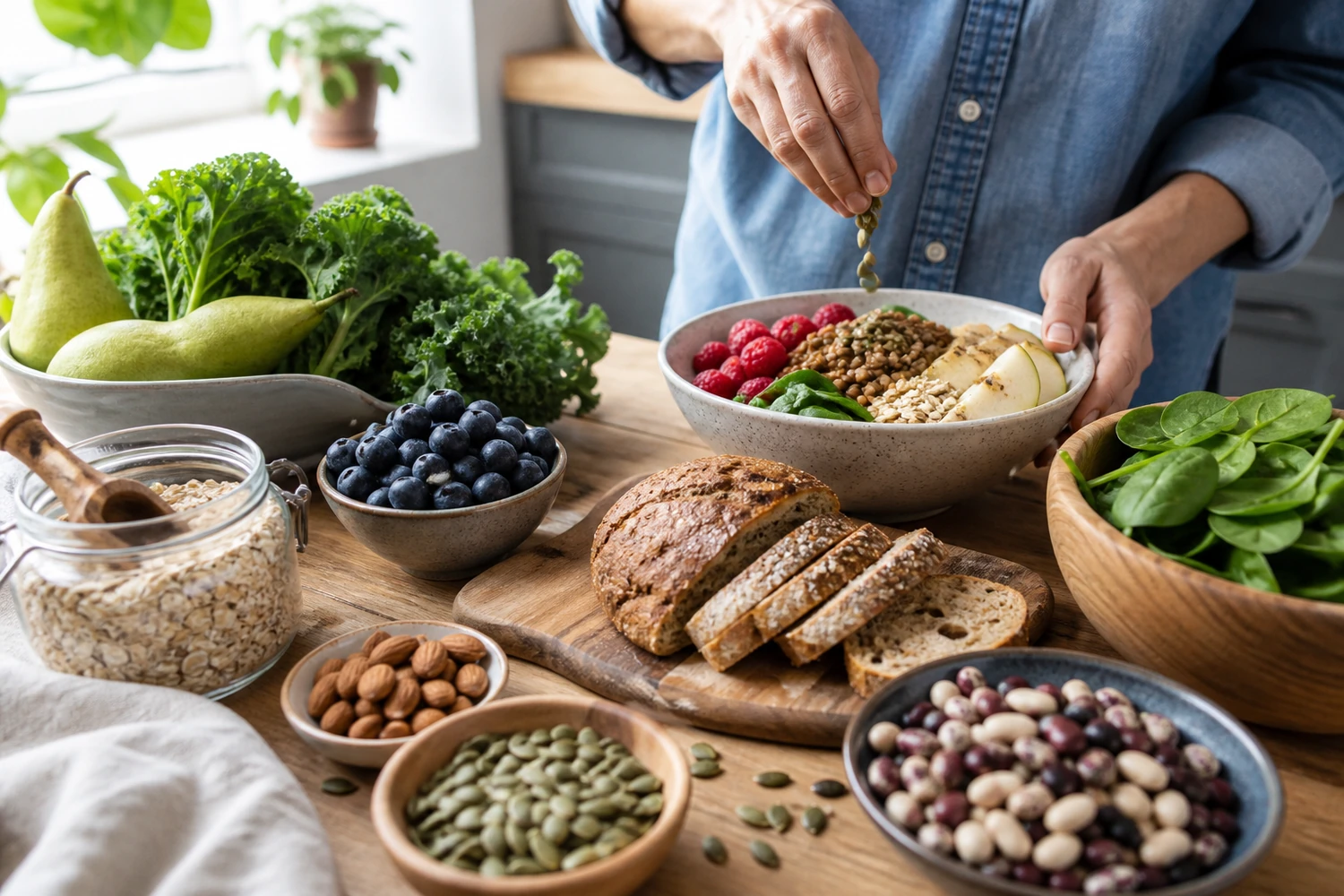
Frozen produce is convenient and nutritious, while canned beans, tomatoes and fish provide reliable pantry options. Fresh food offers texture and variety. Individual responses differ, so observe the result over time. Cost, schedule, symptoms and preferences are legitimate parts of the decision. A plan that cannot survive busy days needs a simpler version. For a closely related next step, see our Benefits of Dietary Fiber and How to Eat More of It.
Buy delicate fresh foods for early meals and longer-lasting or frozen ingredients for later in the week. Make the next step specific enough to put on a calendar or list. Ask for qualified help when technique, symptoms or a diagnosed condition changes what is safe. Flexibility protects long-term consistency. Rinse canned foods when appropriate and compare sodium or added-sugar labels.
Compare Products Efficiently
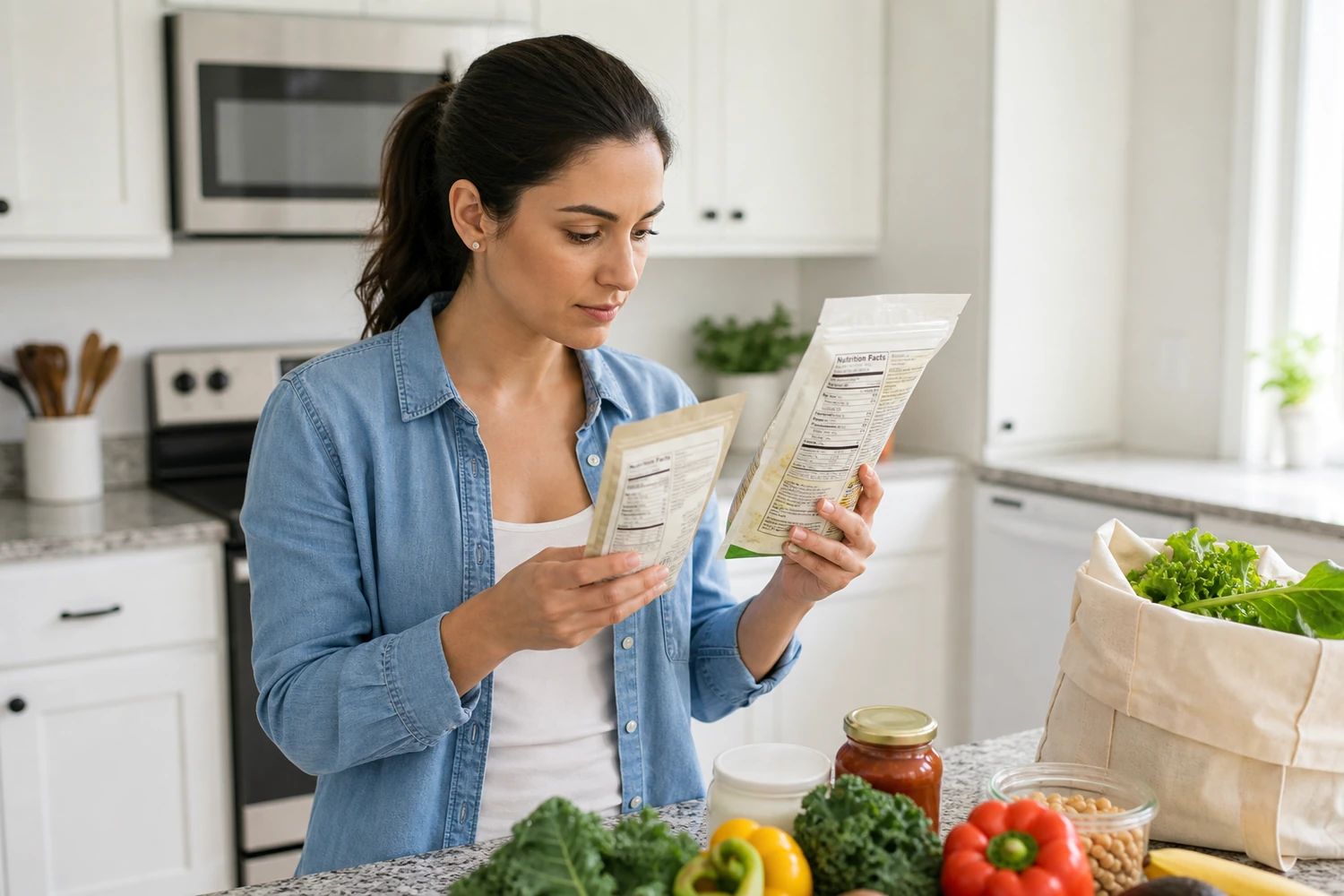
Start with serving size, then compare nutrients important for that food, such as fiber in bread or sodium in soup. Front claims are less informative than the full label. Look at the full pattern rather than judging one day. Personal needs, access, culture and medical history can change the most useful choice. A repeatable baseline makes later adjustments easier to interpret.
Use the Nutrition Facts guide for like-for-like comparisons. Begin at a level that feels manageable on a normal weekday. Prepare the environment in advance and decide what the smaller backup action will be. Build only after the first version feels reliable. Do not spend minutes optimizing tiny differences while ignoring price, taste and realistic portions.
Shop for Affordable Protein
Beans, lentils, eggs, canned fish, tofu, yogurt and sale-priced poultry can make protein more affordable. Cost per serving is more useful than package price alone. This step is useful because it connects everyday decisions with a clear health purpose. It should fit the person’s current ability and resources, not an idealized routine seen online. Progress can be gradual and still be meaningful.
Rotate options and choose plain or lower-sodium versions when they suit the meal. Make the next step specific enough to put on a calendar or list. Ask for qualified help when technique, symptoms or a diagnosed condition changes what is safe. Flexibility protects long-term consistency. Avoid buying bulk perishables unless the household can use or freeze them safely.
Handle Food Safely
Cold foods should return to refrigeration promptly, raw meat needs separation, and damaged or swollen cans should not be purchased. The practical value comes from consistency and context. A small action repeated through ordinary weeks usually teaches more than an extreme short challenge. Keep the parts that improve comfort, function or follow-through.
Shop for frozen and refrigerated items near the end, use an insulated bag for long travel and follow storage dates. Begin at a level that feels manageable on a normal weekday. Prepare the environment in advance and decide what the smaller backup action will be. Build only after the first version feels reliable. Food safety is especially important during hot weather and for high-risk household members.
Review the Receipt and Waste
The most useful budget is based on what is eaten, not only what was cheapest. Review which foods lasted, spoiled or required too much preparation. Individual responses differ, so observe the result over time. Cost, schedule, symptoms and preferences are legitimate parts of the decision. A plan that cannot survive busy days needs a simpler version.
Change one item next week: a smaller produce amount, a different frozen backup or an ingredient used in two meals. Make the next step specific enough to put on a calendar or list. Ask for qualified help when technique, symptoms or a diagnosed condition changes what is safe. Flexibility protects long-term consistency. Do not treat one impulse purchase as failure; improve the system on the next trip.
Common Healthy Eating Mistakes to Avoid
Mistakes around healthy eating usually come from doing too much too quickly, treating a population guideline as a personal prescription, or following one number without context. The goal is not flawless behavior. It is a safer system that helps a person notice a problem, correct it early and continue with less friction.
Use the cautions below as a review before changing the routine. Several of them involve symptoms, medicines or diagnosed conditions that need professional input. Internet advice should never be used to delay appropriate care.
- Buying duplicates wastes money and can hide older food until it spoils.
- An overly ambitious seven-night menu often collapses when schedules change.
- A list should guide choices without preventing a better seasonal or lower-cost option.
- Rinse canned foods when appropriate and compare sodium or added-sugar labels.
- Do not spend minutes optimizing tiny differences while ignoring price, taste and realistic portions.
- Avoid buying bulk perishables unless the household can use or freeze them safely.
- Food safety is especially important during hot weather and for high-risk household members.
- Do not treat one impulse purchase as failure; improve the system on the next trip.
A Practical Two-Week Action Plan
For the first seven days, choose two actions from this healthy eating guide and place them into existing routines. Keep the minimum version easy enough for a busy day. Note completion, comfort and any symptoms once daily; avoid constant checking or trying to perfect every related behavior at once.
During the second week, keep the action that worked best and adjust the main barrier to the other. Improvement might mean greater consistency, better understanding, easier preparation or a useful clinical question—not an instant change in appearance or a single measurement. Continue only changes that remain safe and realistic.
- Days 1–2: Write foods that should be used soon and plan them into the first days of the week.
- Days 3–4: Use a paper list or a simple phone note and mark acceptable substitutions before shopping.
- Days 5–6: Use the Nutrition Facts guide for like-for-like comparisons.
- Days 7–8: Shop for frozen and refrigerated items near the end, use an insulated bag for long travel and follow storage dates.
Measure Progress Without Chasing Perfection
Choose one behavior measure and one real-life outcome for healthy grocery shopping: a practical beginner’s guide. A behavior measure could be the number of planned actions completed. A real-life outcome could be comfort, confidence, energy, function, fewer missed tasks or a clearer conversation with a professional. These are more informative than daily self-criticism. For planning ahead, an optional meal-planning notebook (paid link) can keep your meals and grocery lists together.
Review the record weekly and compare several weeks rather than reacting to one unusual day. Illness, travel, sleep and stress can temporarily change results. If tracking causes anxiety or compulsive checking, simplify it or stop and seek appropriate support. Sustainable health work should make life more manageable, not narrower. Use suitable food-storage containers (paid link) for the prepared food, following safe storage and reheating instructions.
Know When to Get Professional Help
This guide cannot account for allergies, medical diets, food insecurity or local food-safety advisories. Follow individualized dietary advice and local storage guidance where applicable. Keep a short record of onset, duration, triggers, related symptoms, medicines and what has already been tried. Clear context helps a qualified professional decide whether examination, testing, treatment or reassurance is appropriate.
Use urgent or emergency services for severe, sudden or rapidly worsening symptoms, danger to safety, loss of consciousness, major breathing difficulty or another local emergency. Routine lifestyle guidance is most useful after immediate danger has been ruled out. When uncertain, contact an appropriate local healthcare service rather than waiting for an article to answer an individual diagnosis.
Frequently Asked Questions
Yes. Plain frozen vegetables are practical, nutritious and often reduce waste.
No. Beans, oats, whole grains, canned fish and frozen produce are often in inner aisles.
Use seasonal items, frozen options, store comparisons and a plan that reduces spoilage.
Include meal-specific produce, protein, carbohydrate staples, useful fats and flavor ingredients, adjusted to your household.
The claim alone does not describe overall nutrition. Read the ingredient and Nutrition Facts information in context.
Safety and Scope
This guide cannot account for allergies, medical diets, food insecurity or local food-safety advisories. Follow individualized dietary advice and local storage guidance where applicable.