Overview
Strength training is not only for bodybuilding. It develops the ability to produce force for daily tasks, supports muscle and bone health, and can make other activities easier.
Why Strength Training Matters
CDC guidance includes muscle-strengthening activity on at least two days per week for adults. Activities can use weights, resistance bands or body weight and should involve the major muscle groups. The correct starting load varies, but the work should eventually feel challenging.
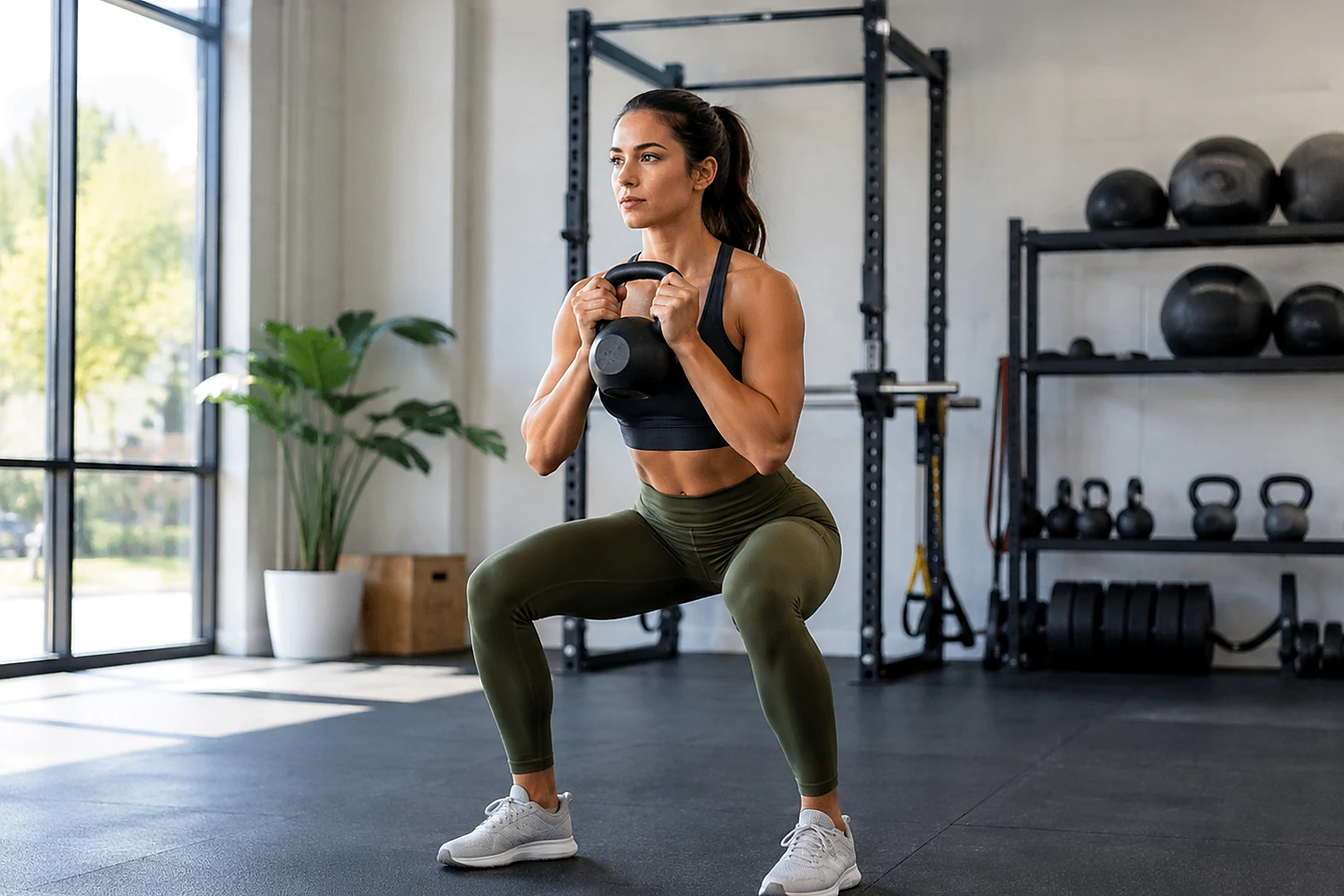
Strength is specific: practicing a squat pattern helps tasks such as rising from a chair, while rows and carries support pulling and carrying. Explore our beginner workout plan for a complete starting schedule.
Muscle, Bone and Healthy Aging
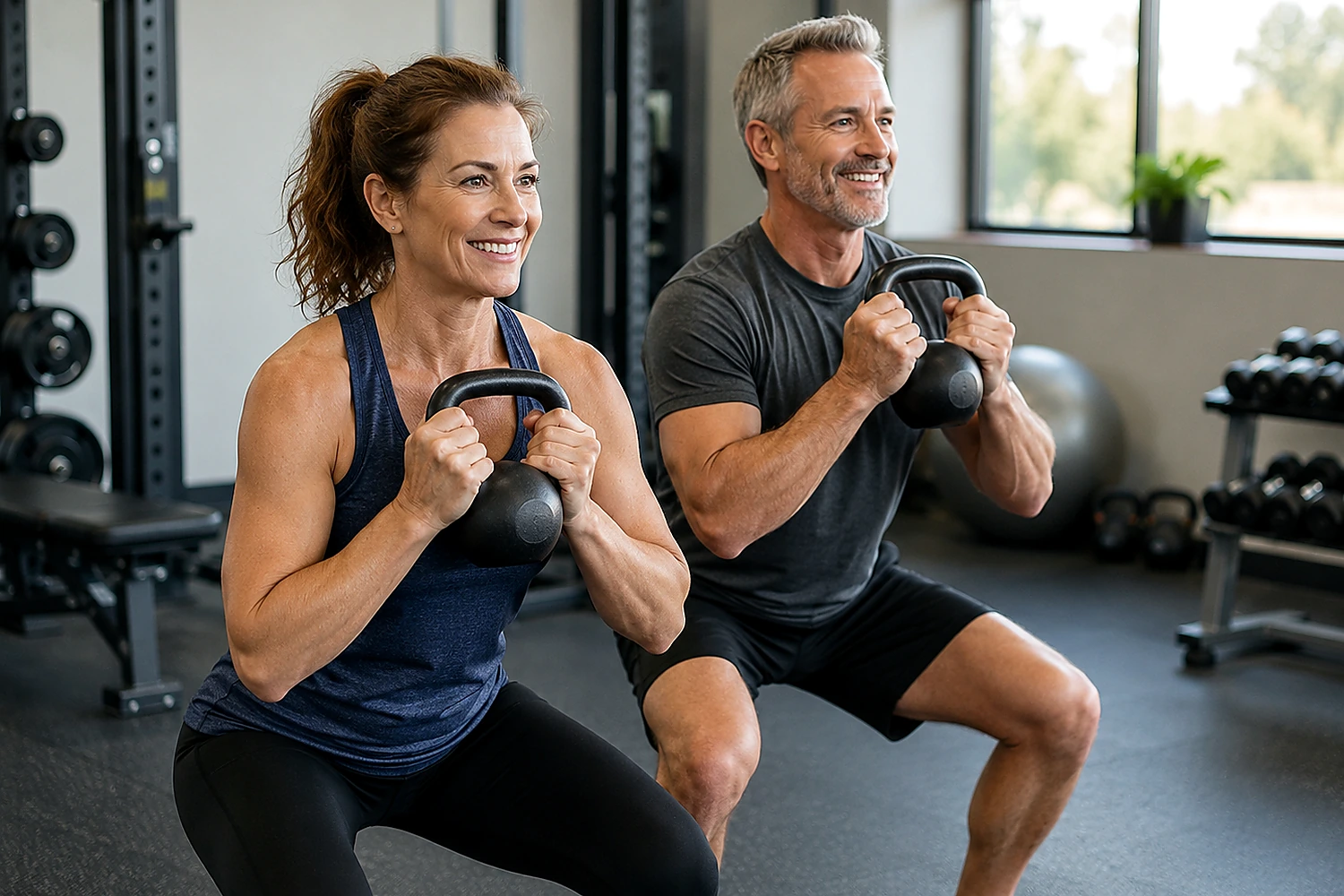
Regular resistance exercise can increase or maintain muscle mass and strength. This becomes especially valuable with age, when inactivity can accelerate losses in muscle and function. Weight-bearing and resistance activities also support bone health as part of a broader health plan.
Training cannot prevent every age-related change, but it can improve the capacity available for stairs, lifting groceries and getting up from the floor.
Metabolic and Weight-Management Benefits
Strength sessions use energy, preserve active tissue and can improve overall fitness. They support a weight-management program but do not make nutrition irrelevant. The most useful routine is one you can progress while recovering well.
If weight loss is the primary goal, pair strength work with the balanced approach in our safe weight-loss guide.
A Balanced Beginner Exercise Menu
Choose one squat or sit-to-stand, one hip-hinge or bridge, one push, one pull, one carry or trunk exercise, and optionally calf raises. Perform one to three controlled sets depending on experience. Leave a few good repetitions in reserve while learning technique.
Machines, bands, dumbbells and body weight can all work. Equipment matters less than stable setup, appropriate resistance and gradual progression.
How to Progress Without Rushing
First improve consistency and technique. Then add a repetition, a small amount of resistance, or an additional set—not all three at once. When the top of a repetition range feels controlled for several sessions, a modest load increase may be appropriate.
Record exercises, resistance and repetitions. Our cardio and strength schedule shows how to place sessions during the week.
Recovery and Safety
Muscles need time to recover from challenging work. Avoid training the same movements hard every day, particularly when soreness or performance is worsening. Warm up with easy movement and lighter practice sets.
Persistent joint pain, chest symptoms, fainting or unexplained breathlessness needs appropriate assessment. People returning after surgery, illness or a long inactive period may benefit from professional guidance.
Your First Month of Strength Training
| Week | Focus | Progression |
|---|---|---|
| 1 | Learn five movement patterns | One easy set each |
| 2 | Repeat technique | Add repetitions where controlled |
| 3 | Build work capacity | Add a second set to key exercises |
| 4 | Review and consolidate | Hold or make one small load increase |
Technique, Effort and Confidence
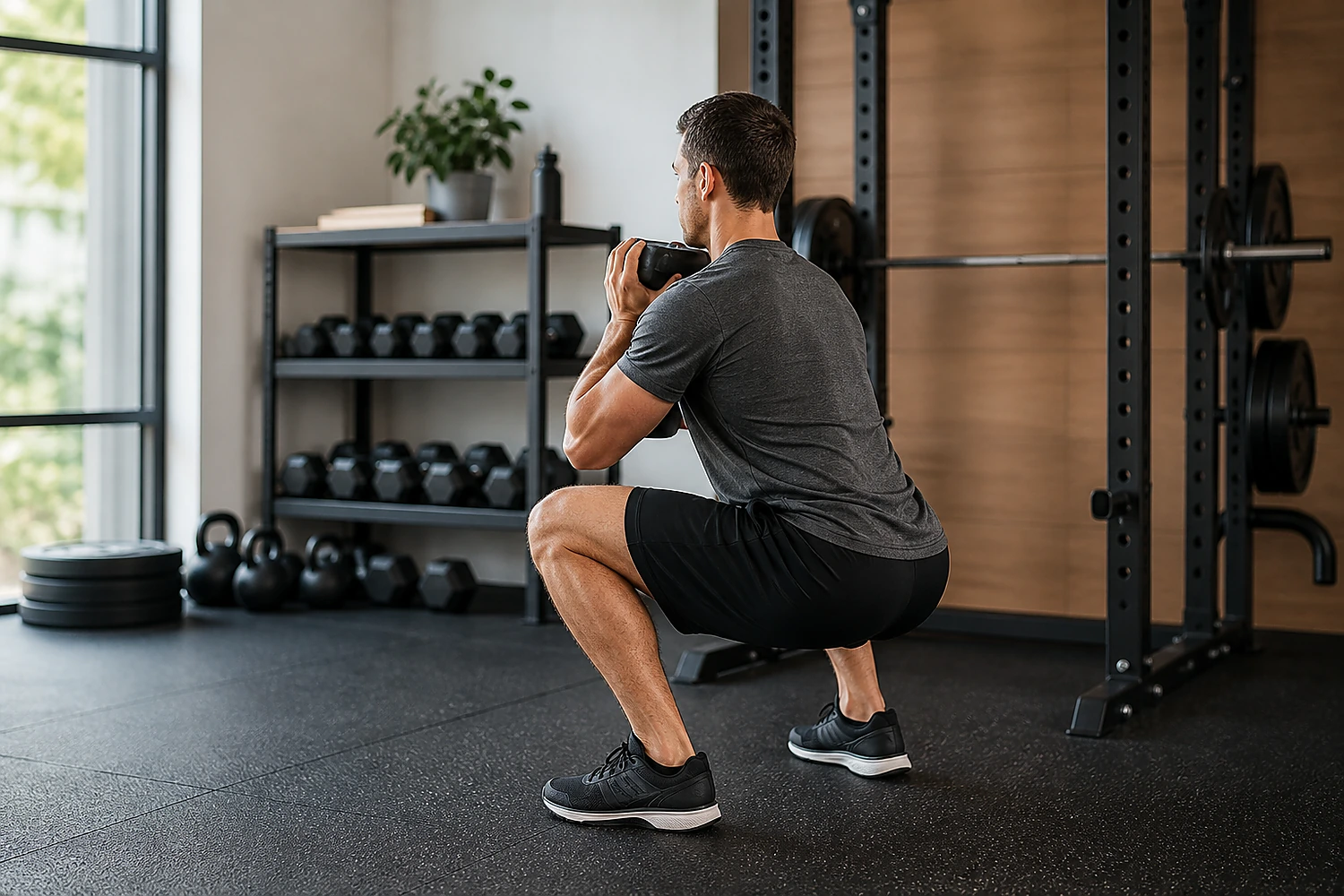
Good technique is not one identical body shape for everyone. Limb length, mobility and equipment change how an exercise looks. The important features are control, a stable range, an appropriate load and a movement that trains the intended pattern without concerning symptoms.
Ask for coaching when setup is confusing or fear prevents useful effort. Avoid holding your breath excessively, rushing repetitions or adding load to impress someone. Consistent moderate progress produces more benefit than occasional reckless sessions.
Train Movement Patterns Instead of Chasing Exercise Variety
| Pattern | Beginner option | Daily-life connection |
|---|---|---|
| Squat | Sit-to-stand | Getting up from a chair |
| Hinge | Hip hinge or bridge | Lifting from a low surface |
| Push | Wall push-up | Pushing a door or object |
| Pull | Band row | Pulling and carrying |
| Carry/trunk | Suitcase carry | Groceries and luggage |
A small menu covering these patterns can train the whole body. Keep exercises long enough to learn them before adding novelty.
Understand Sets, Repetitions and Effort
A repetition is one complete movement, and a set is a group of repetitions. Beginners can often start with one set of each exercise and progress to two or three. Finish the set while technique remains stable and a few controlled repetitions still feel possible.
Muscle effort is expected; sharp joint pain, dizziness or sudden loss of control is not. Rest long enough that breathing and focus are ready for the next set. Heavier exercises generally require more rest than small, light movements.
Combine Strength With Cardio Without Competing Priorities
For general health, place two strength sessions and several aerobic sessions across the week. If both occur on the same day, perform the priority first or separate them by several hours. Keep at least one demanding lower-body session away from the longest run or hike when possible.
You do not need perfect scheduling. Watch the quality of the sessions: if one type repeatedly makes the other worse, reduce volume or rearrange the week.
What to Do When Strength Stops Improving
First check whether the exercises, repetitions and resistance have been recorded accurately. Review sleep, food intake and whether the same muscles are trained hard too often. A plateau may require a small load increase, another set, better technique or simply more consistent weeks.
Changing every exercise makes comparison difficult. Adjust one main variable and evaluate several sessions before changing again.
Home Training, Machines or Free Weights?
Home training reduces travel and can work well with bands, adjustable dumbbells or body-weight exercises. Machines provide a stable path and make resistance changes simple. Free weights allow many movement options and require more stabilization. None is universally superior; choose the setup that lets you train the major muscle groups consistently and progress safely.
A beginner can combine them. For example, use a leg press or sit-to-stand for the squat pattern, dumbbells for a press, a cable or band for rows and a supported hip hinge. Learn equipment adjustments before adding load. If grip, balance or getting to the floor is difficult, select standing or seated alternatives rather than skipping the movement category entirely.
Frequently Asked Questions
Two nonconsecutive full-body sessions per week is a practical starting point for many beginners.
No. Resistance should match your ability and become challenging with good technique; bands, machines and body weight can all work.
CDC consumer guidance commonly uses 8 to 12 repetitions as an example, but the appropriate range depends on the exercise and goal.
Large increases in muscle require time, training volume and adequate nutrition. Basic strength work does not cause sudden dramatic size changes.
Many older adults benefit from ability-appropriate muscle strengthening, with stable setups and individualized modifications when needed.
Make Strength Training Easy to Repeat
Schedule the same two training windows for several weeks and keep an abbreviated version for busy days. A short session with a squat, push, pull and hinge is better than repeatedly postponing the perfect workout. Keep equipment visible or pack the gym bag in advance. Review progress monthly rather than changing exercises every week; familiarity makes technique and true strength improvements easier to measure.
Safety and Scope
This guide provides general educational health and fitness information. It does not diagnose a condition, replace medical care, or provide an individualized exercise prescription. Stop or modify activity that causes sharp, worsening or concerning symptoms and seek qualified guidance when appropriate.