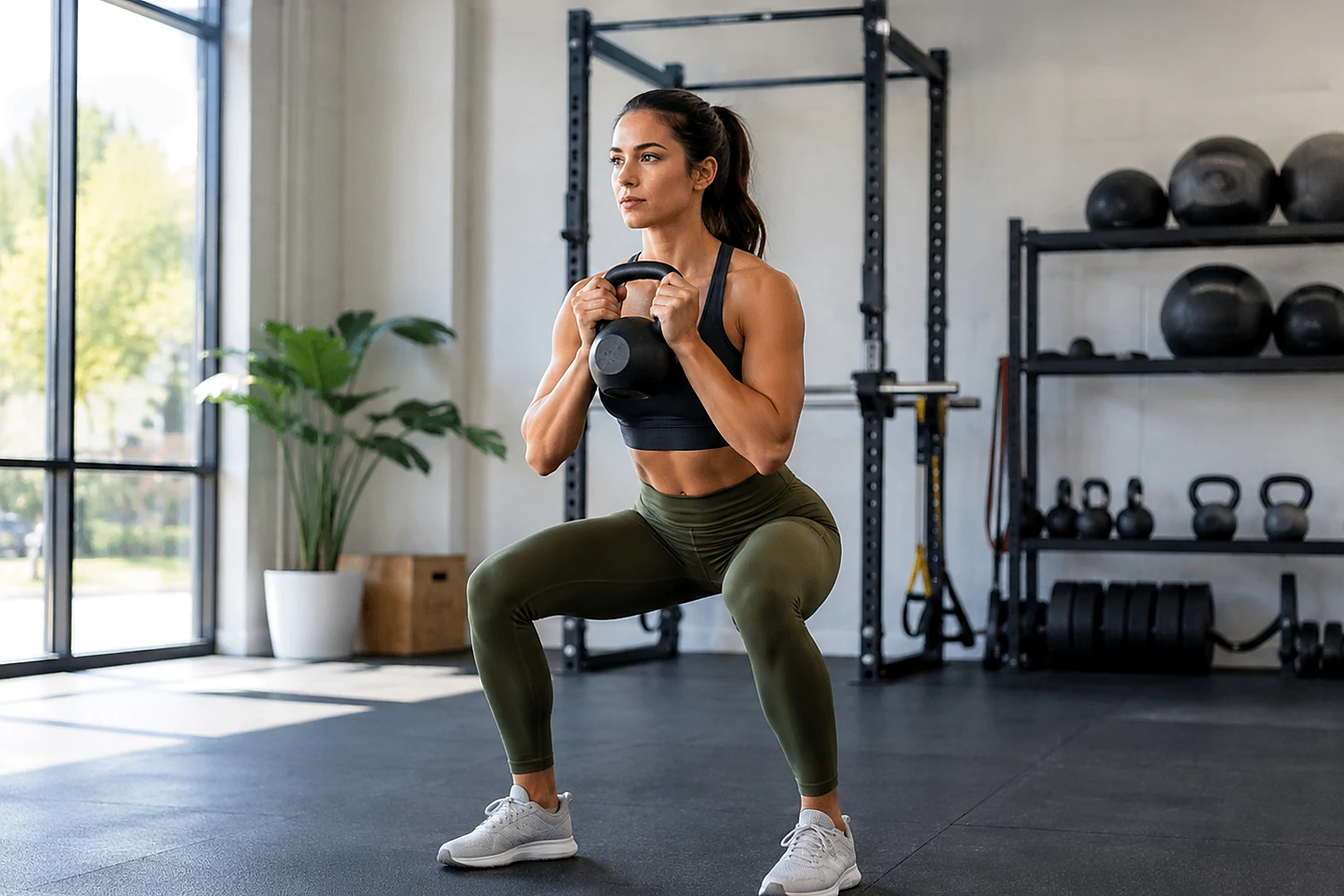
Published by Best Fitness Routine. Editorial standards · Report a correction. Educational guidance; no individual clinical review is claimed unless a qualified reviewer is named.
Functional Fitness Training: What This Guide Is Designed to Do
Build practical strength, mobility, balance, and confidence for lifting, carrying, climbing stairs, getting up from the floor, and other everyday tasks.
This guide is written for adults who want exercise that transfers to daily life, including beginners, busy parents, active adults, and older adults. Its main purpose is to improve the strength, mobility, balance, and endurance needed for real-life tasks. The best starting point is a version you can repeat during an ordinary week, not only when motivation and free time are unusually high.
For a closely related starting point, see our balance exercises. Use that guide only where it fits your current ability and goals.
Key Priorities for Functional Fitness Training
Progress becomes easier to judge when the main variables stay stable long enough for you to compare them. Keep the priorities above visible for several weeks before deciding that the plan needs a complete redesign.
Start With a Realistic Baseline
Before you increase difficulty, record what you can currently do with good control. Note your schedule, recent activity, relevant symptoms, available equipment, and how quickly you recover. A baseline is not a judgment; it is the reference point that makes future progress measurable.
If you are returning after illness, injury, surgery, pregnancy, a long inactive period, or a major change in health, the safest starting point may be different from a healthy person with years of training experience. Individual restrictions from a clinician or rehabilitation professional take priority over general online guidance.
A Practical Weekly Structure
| Day / Block | Focus | Practical Plan |
|---|---|---|
| Monday | Functional strength | Squat, row, hinge, carry, and trunk work. |
| Tuesday | Aerobic activity | Brisk walking, cycling, or another sustainable activity. |
| Wednesday | Mobility + balance | Short mobility and supported balance drills. |
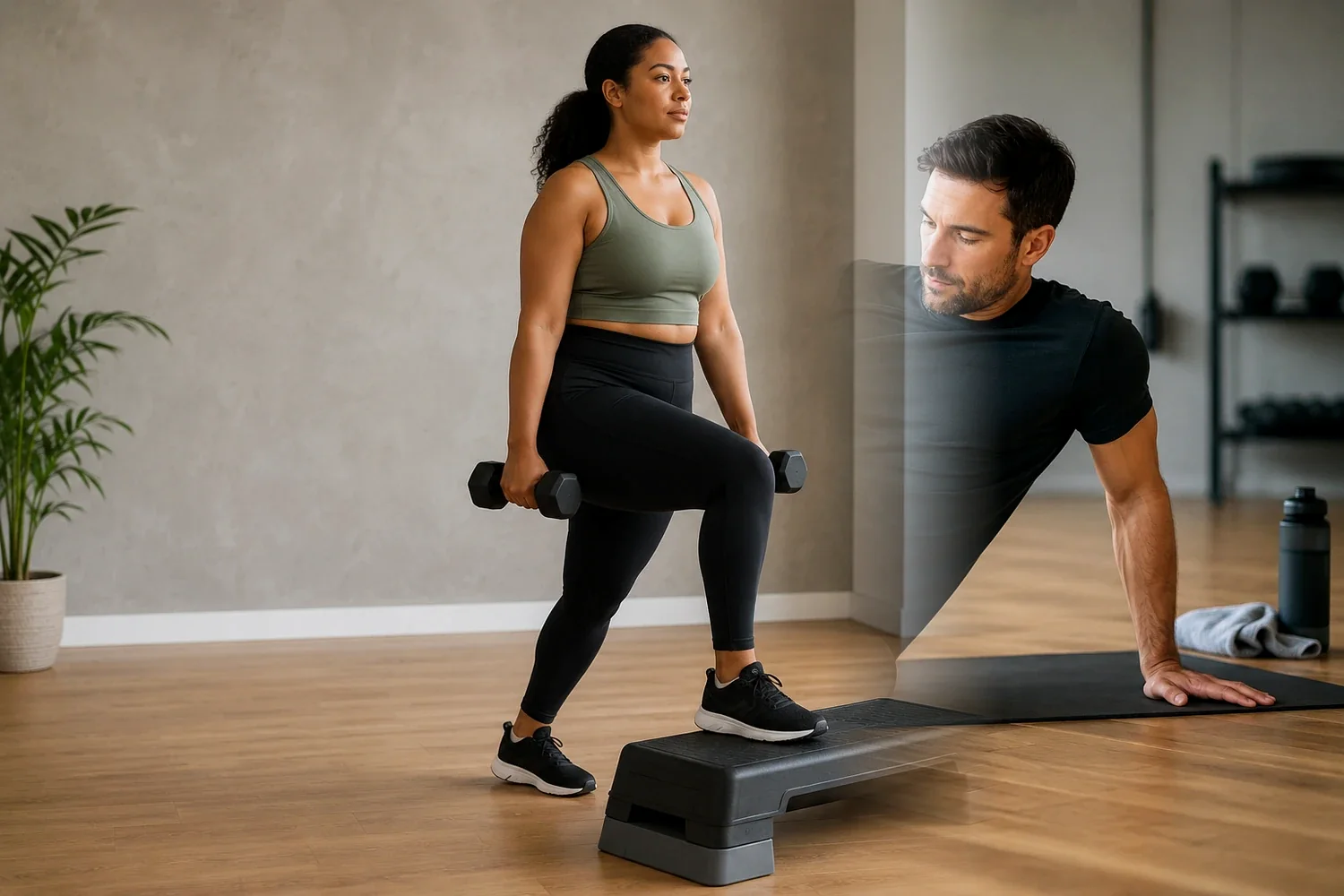
| Thursday | Functional strength | Step-up, push, hinge, carry, and trunk work. |
| Friday | Easy movement | Walking and light mobility. |
| Saturday | Task circuit | Low-to-moderate circuit using practical movement patterns. |
| Sunday | Rest and review | Recover and notice whether daily tasks feel easier. |
The table is an example, not a prescription. Rearrange days around work, school, caregiving, weather, and recovery. Keep the same overall purpose even when the exact calendar changes.
Start With the Tasks You Want to Make Easier
Choose two or three daily activities that matter: rising from a chair, carrying groceries, getting off the floor, climbing stairs, lifting a suitcase, or walking longer without fatigue.
Those tasks help you choose exercises and give you a meaningful way to judge progress. Functional training is most useful when the gym exercise solves a real problem.
Functional Does Not Mean Unstable or Complicated
A stable squat, row, or carry can be more useful than balancing on unstable equipment while lifting. Complexity should have a purpose.
Build strength on stable surfaces first. Add balance, direction changes, and more realistic tasks only after you can control the basic movement.
For another useful comparison, read our strength training for healthy aging.
Strength, Power, and Balance Work Together
Strength is the ability to produce force; power is the ability to produce it quickly. Everyday tasks such as standing quickly or catching balance use both.
Balance practice can include narrow stances, controlled stepping, and heel-to-toe walking near support. Strength and balance should support each other rather than compete.
Progress From Exercise to Real-Life Task
Once a movement is comfortable, gradually make it more realistic: carry for longer, use stairs, lower the chair height, or practice floor transitions with support.
Change one variable at a time so you know whether the progression is appropriate. Keep general strength work even as task practice becomes more specific.
If you want to place this topic inside a broader routine, compare it with our daily mobility routine.
How to Progress Without Losing the Purpose
Progress one variable at a time. Depending on the topic, that may mean a little more time, a few more repetitions, slightly more resistance, a more challenging balance position, or a more consistent weekly schedule. Changing several variables together makes it harder to tell what your body is responding to.
Use two or three successful sessions as evidence before progressing again. If technique, comfort, sleep, or recovery is clearly worse, hold the current level or reduce the demand. Progress is not only “more.” Better control, easier breathing at the same pace, a larger comfortable range, or improved confidence are all valid forms of improvement.
A Four-Week Implementation Roadmap
Week 1
Learn the routine and keep the workload conservative. Record what actually happens rather than what you planned to do.
Week 2
Repeat the same structure and improve consistency. Make only small technical adjustments.
Week 3
If recovery is good, progress one variable on the most important part of the plan. Keep your session notes in a workout logbook (paid link) so you can compare the activity and recovery discussed here.
Week 4
Review the month. Keep the elements that improved function, confidence, or consistency and remove unnecessary complexity.
Recovery, Food, Hydration, and Sleep
Recovery needs depend on the total workload, not the title of the workout. Hard strength sessions, long cardio, intense intervals, poor sleep, heat, illness, and life stress can all change how much training is appropriate. Use easier days before fatigue becomes a pattern. An optional exercise interval timer (paid link) can help you time the activity and rest periods described here.
Regular meals, adequate fluids, and enough sleep support activity, but this article does not provide an individualized diet or medical treatment plan. People with medical nutrition needs should use qualified guidance. For a recovery-focused discussion, see beginner workout plan.
Track What Helps You Make Decisions
- Sessions or activity bouts completed
- How the main task or metric changes over several weeks
- Perceived effort and breathing
- Sleep and general recovery
- Pain-free movement and confidence
- Whether the routine fits a normal week
Tracking should reduce guesswork, not create pressure. If a metric does not change what you do, it may not deserve daily attention.
Common Mistakes and Better Replacements
- Making every exercise unstable: Use stable exercises for strength and separate balance practice.
- Copying athletic drills that do not match your needs: Choose movements related to real tasks.
- Ignoring aerobic fitness: Walking endurance is part of functional independence.
- Skipping progressive overload: Gradually increase resistance, repetitions, or range.
- Training through joint pain: Modify the movement and seek help when pain persists.
- Never practicing the actual task: Include safe versions of stairs, carries, or floor transitions.
How to Adapt This for Different Ages and Ability Levels
Children and adolescents should follow age-appropriate physical activity guidance rather than automatically using adult targets. Healthy adults can use the general framework here and adjust volume to training history and goals. Older adults often benefit from the same core principles with greater attention to balance, stable setups, medication effects, and recovery.
People with disabilities or chronic conditions may use seated, supported, assisted, or lower-impact alternatives. The best version is the one that preserves the purpose of the activity while respecting individual ability. General guidance cannot replace a personalized assessment when symptoms or medical restrictions are involved.
A Simple Decision Rule for Real Life
If the problem is consistency, simplify the schedule. If the problem is fatigue, reduce volume or intensity. If the problem is lack of progress and recovery is good, progress one variable. If the problem is pain, dizziness, chest symptoms, or another concerning change, stop trying to “train through it” and seek appropriate assessment.
Review the plan after several weeks rather than after one bad day. Health and fitness are built from repeatable weeks, not perfect individual sessions.
If nothing is improving, first check consistency and whether the plan is specific enough to the goal. Then review progression, sleep, recovery, and whether the starting level was too easy or too hard. Change one thing, test it for several sessions, and evaluate again rather than rebuilding the entire routine at once.
Success does not require perfect adherence or a dramatic transformation. A useful result is that the plan feels more predictable, your chosen metric or movement improves, and you can continue without accumulating excessive fatigue. For functional fitness training, the best evidence is a repeatable improvement that matters to daily life or the goal you selected.
What Success Looks Like After Four to Eight Weeks
A single excellent workout and a single difficult workout both contain limited information. Compare repeated sessions under similar conditions. If the trend is moving in the right direction and recovery is stable, keep the main structure. If performance, comfort, or confidence is worsening across several sessions, reduce the workload and reassess.
Look for changes that match the purpose of the plan rather than searching for dramatic daily feedback. Useful signs may include better consistency, easier breathing at the same pace, improved control, more confidence with daily tasks, steadier energy, or the ability to perform the same workload with less perceived effort. These changes often appear gradually across several weeks.
How to Know Whether Functional Fitness Training Is Helping
Frequently Asked Questions
It develops strength, mobility, balance, endurance, and movement skills that support everyday tasks.
Yes, when movements are scaled to the person's starting ability.
No. Body weight, bands, machines, dumbbells, and household objects can all work.
Many adults can begin with two strength-focused sessions plus aerobic and balance activity.
Yes, especially when the program matches balance, mobility, health conditions, and confidence.
Not completely. Most adults benefit from both aerobic and muscle-strengthening activity.
Professional coaching can also be useful without a medical problem when technique, progression, confidence, or equipment setup is the main barrier. The goal is not to make everyone dependent on supervision; it is to use expertise where it meaningfully improves safety or clarity.
General fitness information works best when the main question is how to organize ordinary healthy activity. Individual help becomes more valuable when functional fitness training is limited by persistent pain, repeated falls, fainting, chest symptoms, unexplained shortness of breath, a recent operation, pregnancy complications, medication effects, or a medical condition that changes exercise tolerance. A qualified clinician or rehabilitation professional can evaluate factors that a webpage cannot see.
When Professional Guidance Is Worth It
Safety and Scope
This guide provides general educational health and fitness information. It does not diagnose injuries or medical conditions, replace medical care, or provide an individualized exercise prescription. Stop or modify activity that causes sharp, worsening, or concerning symptoms, and seek qualified guidance when appropriate.