
What BMI Tells You
Body mass index is calculated from height and weight. It is useful for population screening and can identify weight ranges associated with higher average health risk, but it does not directly measure body fat or distinguish muscle from fat.
A muscular athlete may have a high BMI with relatively little body fat, while an older adult can lose muscle and gain abdominal fat without a dramatic BMI change.
What Waist Circumference Adds
Waist circumference provides a simple estimate of abdominal fat distribution. NIDDK notes that excess fat around the abdomen can raise health risk even when BMI is not especially high.
This does not mean the tape measure predicts your future by itself. Blood pressure, glucose, lipids, smoking, fitness, family history and other factors also matter.
Common U.S. Risk Thresholds
NIDDK uses waist sizes of 35 inches or more for women and 40 inches or more for men as thresholds associated with higher obesity-related health risk. These cutoffs are screening tools, not a diagnosis, and clinicians may consider ethnicity and individual circumstances when interpreting risk.
If abdominal fat is one concern, avoid crash-diet promises. Our safe belly-fat guide explains why spot reduction is not realistic.
How to Measure Your Waist Consistently
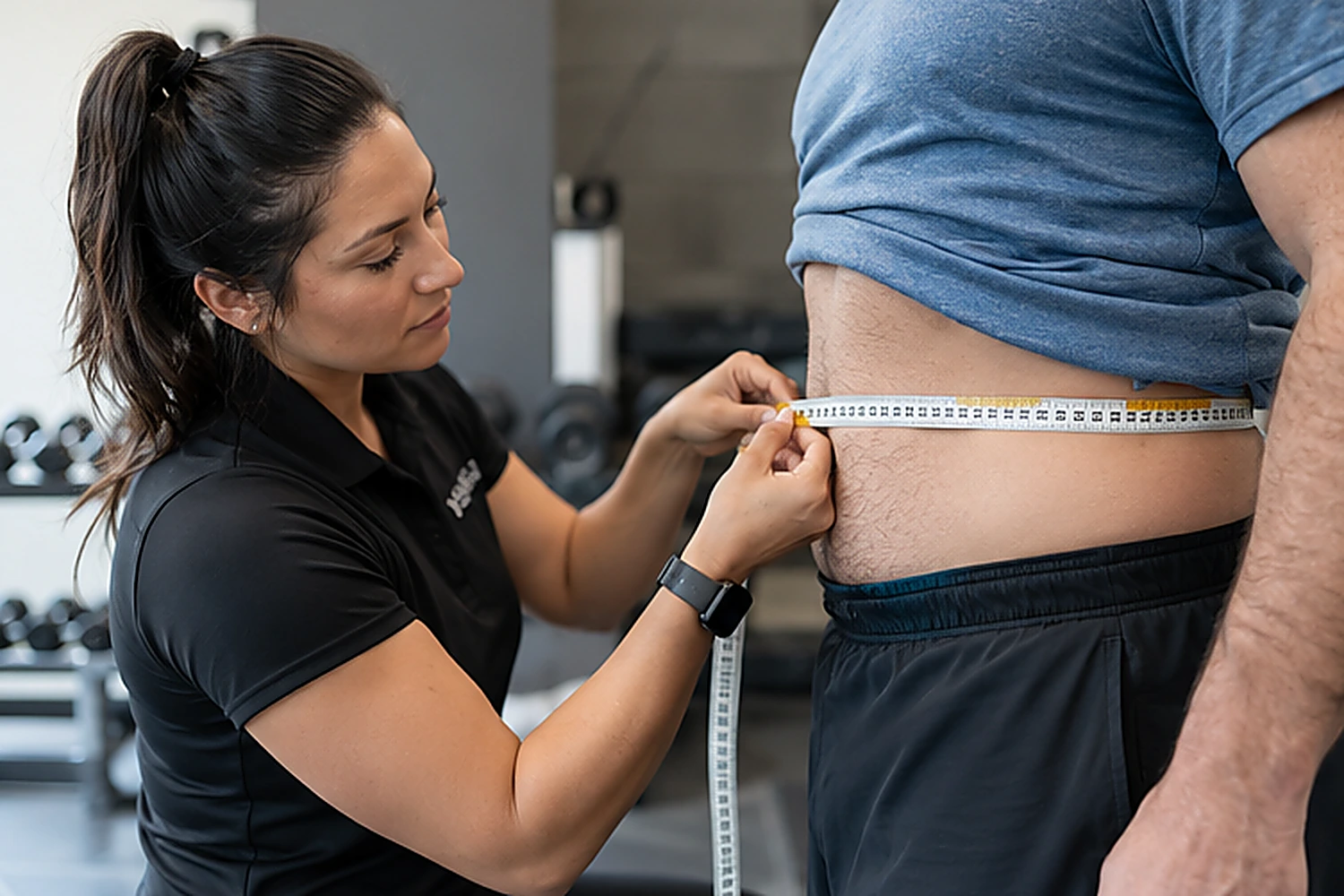
Use a flexible tape on bare skin or light clothing. Stand relaxed, place the tape around the middle according to the method recommended by your clinician, keep it level and snug without compressing the skin, and measure after a normal exhale. Use the same method each time if you are tracking change.
One measurement after a large meal or at a different anatomical point can create unnecessary confusion.
Which Measure Is “Better”?
Neither wins in every situation. BMI is standardized and easy to calculate; waist size adds information about central fat distribution. A clinician may use both and then look at laboratory values and blood pressure to understand overall metabolic risk.
For the larger picture, see Metabolic Syndrome.
How to Use the Numbers Without Obsessing
Treat BMI and waist circumference as occasional health markers, not daily performance scores. Focus on repeatable behaviors: regular movement, strength training, balanced meals and adequate sleep.
Our guide to starting exercise when overweight and balanced plate guide are practical next steps that do not require chasing a specific body measurement.
When to Discuss Measurements With a Clinician
Ask for context if your waist size or BMI is rising unexpectedly, if you have high blood pressure or abnormal glucose/lipids, or if weight changes are unexplained. A clinician can help determine whether additional evaluation is appropriate.
What These Measurements Do Not Capture
Neither BMI nor waist circumference measures blood pressure, glucose control, cholesterol, cardiorespiratory fitness, sleep quality or smoking exposure. Two people with the same BMI and waist size can have very different health histories and risk profiles. This is why a clinician may combine body measurements with laboratory tests and functional information.
These tools also should not become a source of shame. Health behavior can improve at many body sizes, and respectful care matters. If tracking weight or waist size worsens anxiety or disordered eating, focus on behavior goals and discuss alternative monitoring approaches with a qualified professional.
How to measure waist circumference more accurately
If you choose to measure at home, consistency matters more than constant rechecking. Use a flexible tape measure, stand relaxed, breathe out normally, and measure at the recommended point around the abdomen rather than pulling the tape tight. Taking the measurement in the same place and under similar conditions can make trend tracking more useful.
Waist circumference and BMI answer slightly different questions, which is why many clinicians use both. BMI gives a broad population-level estimate, while waist measurement adds information about central fat distribution and metabolic risk. If you are using either measure to guide change, combine it with other markers such as blood pressure, movement habits, and the quality of your meals.
Why BMI and Waist Circumference Can Tell Different Stories
BMI uses height and weight, so it cannot distinguish muscle from body fat or show where fat is stored. A muscular person can have a higher BMI without having a large amount of body fat, while someone with a BMI in the normal range can still carry more fat around the abdomen. Waist circumference adds information about central fat distribution, which is relevant to metabolic risk.
Neither measure captures the whole person. Blood pressure, glucose, lipids, fitness, muscle mass, smoking status, sleep, family history, and age all affect health risk. That is why the most useful interpretation combines body-size measurements with medical and lifestyle information rather than using BMI or waist circumference as a standalone diagnosis.
Population and Individual Context Matter
Risk thresholds are not identical for every population. Some groups may develop metabolic risk at lower BMI or waist measurements than others, and clinicians may use population-specific guidance. Pregnancy, recent abdominal surgery, major weight changes, and certain medical conditions can also make a waist measurement less useful or harder to interpret.
If you are tracking at home, use the same method each time and focus on longer-term trends. Measuring every day usually adds noise because hydration, meal timing, and technique can change the number. Monthly or periodic measurement is often enough for someone using it as one part of a broader lifestyle plan.
Better Goals Than Chasing a Single Measurement
Rather than setting a goal to reach a specific BMI or waist number as quickly as possible, focus on behaviors that improve several aspects of health at once. Those may include strength training, regular walking, more vegetables and fiber-rich foods, adequate protein, better sleep, and a realistic energy intake. If weight loss is medically appropriate, gradual loss is usually easier to maintain than aggressive restriction.
Track function as well as size. Improvements in strength, stamina, blood pressure, glucose, or how clothes fit can all be meaningful. If a measurement is causing anxiety or disordered eating behaviors, step back from frequent tracking and discuss a healthier monitoring approach with a qualified professional.
How to Interpret Change Over Time
A falling waist measurement can be encouraging, but it should not be judged week to week. Small differences in tape placement, posture, abdominal tension, and time of day can create noise. Use the same technique and look for a longer-term trend. If you are strength training, body weight may stay similar while waist size, fitness, and strength improve.
The reverse is also possible: weight can fall while muscle mass is lost, especially with very restrictive dieting. That is why combining measurements with resistance training, adequate protein, and performance goals can give a more complete picture. If body-size tracking becomes stressful or compulsive, it is reasonable to use less frequent measurements and focus more on medical markers and daily function.
For many people, the best use of these measurements is periodic—not constant—feedback. Pair them with blood pressure, fitness, and laboratory results so that a small change in one number does not overshadow meaningful improvements elsewhere.
Practical Takeaway
BMI and waist circumference are screening tools, not grades on your health. BMI gives a standardized height-to-weight measure, while waist circumference adds information about abdominal fat distribution. Use either measurement in context with blood pressure, glucose, lipids, fitness, medical history, and your clinician’s judgment.
Questions to Ask a Healthcare Professional
- Which waist-measurement method should I use so repeat measurements are consistent?
- Do standard waist thresholds apply to me, or should ethnicity and other factors change interpretation?
- How often, if at all, is it useful for me to track BMI or waist circumference?
- Which other measurements or laboratory results matter more for my overall metabolic risk?
Frequently Asked Questions
Yes. BMI does not show fat distribution, and people can have important metabolic risk factors at many body sizes.
No. It is a screening measurement of abdominal size, not a direct measurement of body-fat percentage.
There is usually no need for frequent measurement. If tracking is useful, use a consistent method at sensible intervals.
It can increase body weight or maintain weight by adding or preserving muscle, which is one reason BMI needs context.
No. Sustainable nutrition and activity changes are safer and more useful than crash dieting.
Safety and Scope
This article provides general information about BMI and waist circumference and does not diagnose obesity or metabolic disease. Body measurements should not be used to justify crash dieting or compulsive tracking. If weight or measurement monitoring worsens anxiety or disordered eating, discuss alternative health markers with a qualified professional.