Overview
Portion control for weight loss is not the same as eating tiny meals. A portion is what a person chooses to eat; a serving is a reference amount on a label or guide. Useful portion awareness preserves satisfaction, nutrition and flexibility while reducing automatic overeating. The goal is a repeatable pattern that fits appetite, culture, medicines and health—not perfect plates or permanent hunger.
Start With Plate Proportions
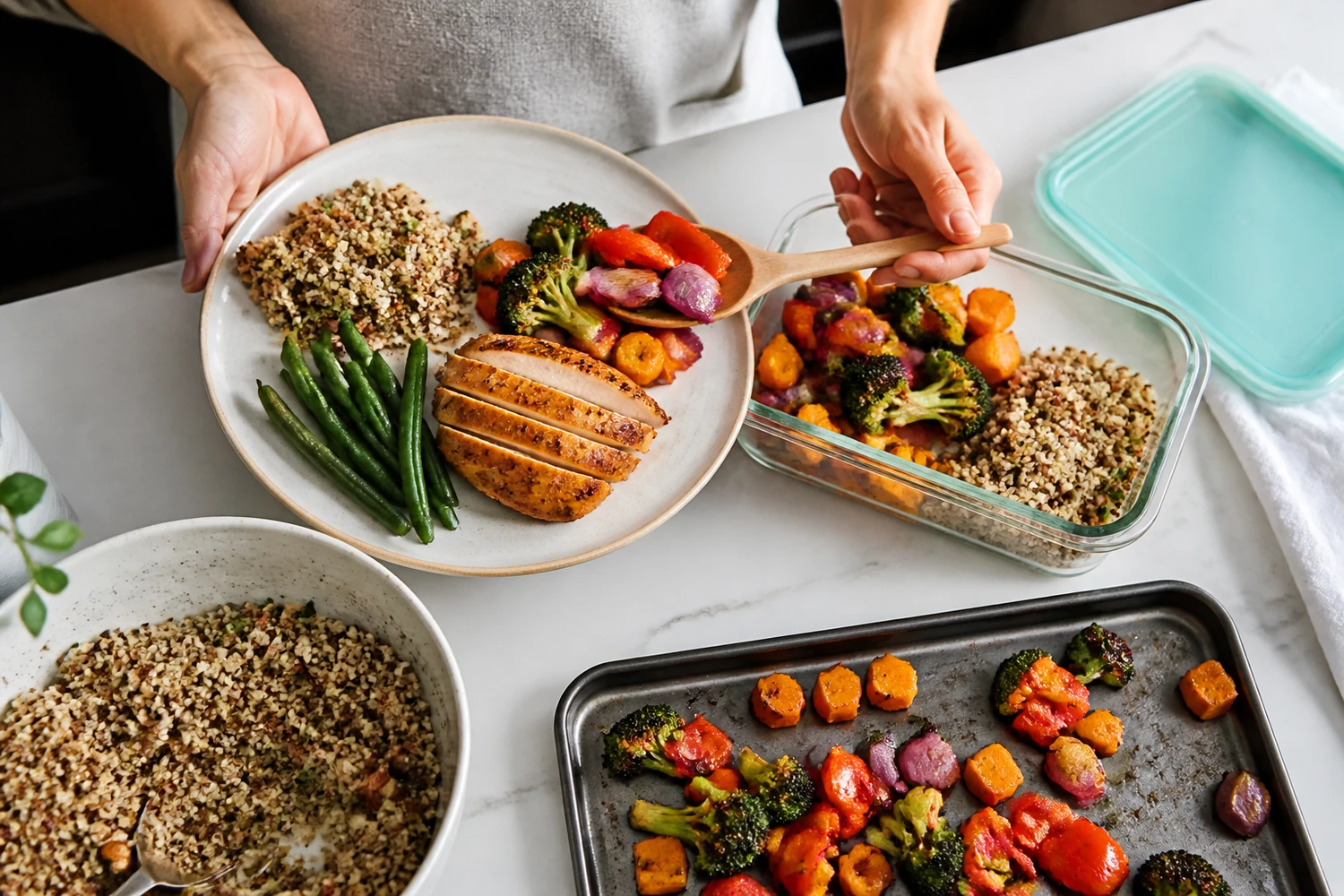
A practical plate often includes vegetables or fruit, a protein source and a high-fiber carbohydrate, with flavor from suitable fats and sauces. Within portion control for weight loss without counting every calorie, consistency at start with plate proportions matters more than an ideal day. An ordinary-week version gives more useful feedback than a brief extreme attempt.
Use the balanced-plate guide to create visual structure before changing quantity. Treat start with plate proportions as a practical experiment for portion control for weight loss, not as a rigid rule or test of willpower. Plate proportions are flexible and must be adapted for allergies, kidney disease, digestive conditions and other needs.
Learn Serving Size Versus Portion Size
A package may contain multiple servings, and the labeled serving is not a command about how much an individual must eat. While testing learn serving size versus portion size, record what happened, how hunger and energy felt, and whether the action supported portion control for weight loss without disrupting normal life.
Practice with the Nutrition Facts guide on three foods you buy often. Review learn serving size versus portion size after one or two weeks, keeping only what improves health, function or follow-through within portion control for weight loss. Do not assume low-fat, natural or protein claims make portions irrelevant.
Use Hunger and Fullness as Data
Arriving ravenous, eating while distracted or rushing can make comfort signals harder to notice. Regular meals help some adults make calmer choices. Change one part of use hunger and fullness as data at a time. For portion control for weight loss, that separation makes benefits, side effects, barriers and short-term fluctuation easier to interpret.
Follow the meal-planning guide and pause midway through a meal to check hunger, enjoyment and comfortable fullness. Treat use hunger and fullness as data as a practical experiment for portion control for weight loss, not as a rigid rule or test of willpower. Hunger signals can be altered by medicines, dieting history and medical conditions.
Make Restaurant Portions Manageable
Restaurant meals may be larger or more energy-dense than home meals, but eating out can remain part of a healthy pattern. For portion control for weight loss, make restaurant portions manageable should fit current health and prescribed medicines. Access, culture and daily responsibilities also shape whether this specific step can become repeatable.
Choose a vegetable side when available, share an item, or place part in a takeaway container using the food-planning ideas for the next meal. Review make restaurant portions manageable after one or two weeks, keeping only what improves health, function or follow-through within portion control for weight loss. Compensating by starving before or after a restaurant meal can increase overeating and distress.
Pre-Portion High-Energy Extras
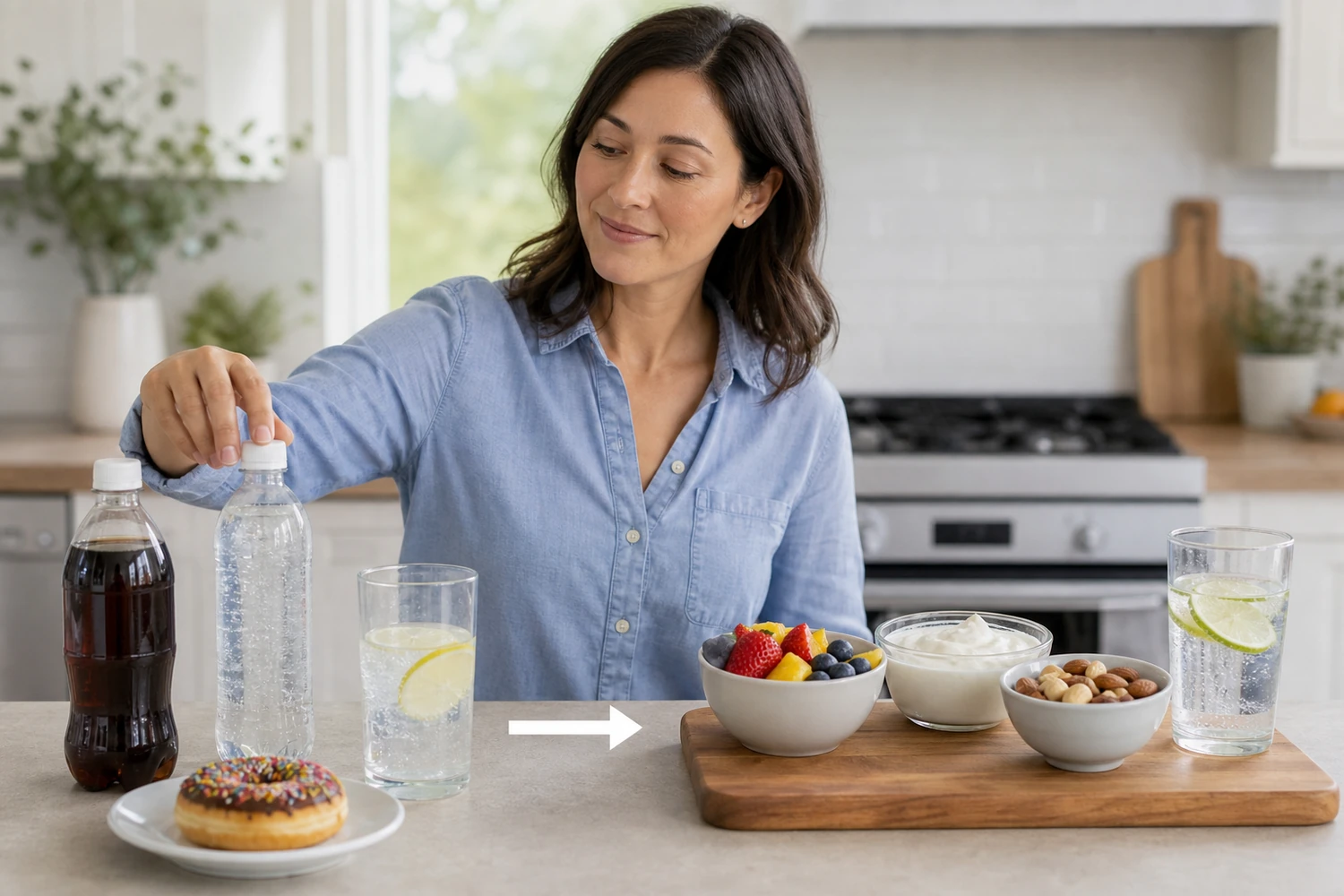
Oils, dressings, nuts, sweets and snack foods can fit, but eating directly from a large container makes quantity hard to notice. Within portion control for weight loss without counting every calorie, consistency at pre-portion high-energy extras matters more than an ideal day. An ordinary-week version gives more useful feedback than a brief extreme attempt.
Place an intended amount in a bowl or on the plate, put the package away and eat seated when possible. Treat pre-portion high-energy extras as a practical experiment for portion control for weight loss, not as a rigid rule or test of willpower. This is an environment strategy, not a rule that certain foods are forbidden.
Adjust for Activity and Medical Needs
A highly active person, older adult at risk of muscle loss, pregnant person or someone recovering from illness may need different portions. While testing adjust for activity and medical needs, record what happened, how hunger and energy felt, and whether the action supported portion control for weight loss without disrupting normal life.
Review energy, strength, menstrual function, glucose and recovery with a qualified professional when relevant. Review adjust for activity and medical needs after one or two weeks, keeping only what improves health, function or follow-through within portion control for weight loss. Persistent fatigue, dizziness, weakness or unintended weight loss may indicate that portions are too small or another problem exists.
Use a Flexible Weekly Review
One meal does not determine health or weight. Patterns over time matter more than perfect compliance at every event. Change one part of use a flexible weekly review at a time. For portion control for weight loss, that separation makes benefits, side effects, barriers and short-term fluctuation easier to interpret.
Review which meals left you satisfied for several hours and improve one repeatedly difficult situation next week. Treat use a flexible weekly review as a practical experiment for portion control for weight loss, not as a rigid rule or test of willpower. Rigid rules and guilt are warning signs that the method needs to become more flexible.
Build a Personal Baseline Before Changing the Plan
Before changing portion control for weight loss, describe how start with plate proportions and learn serving size versus portion size actually look during a typical week. Add the pattern around use hunger and fullness as data, plus sleep, stress, relevant symptoms and the situations that make these behaviors difficult. Include medicines or diagnoses that could change the safety of portion control for weight loss.
Choose measurements that answer a decision about portion control for weight loss. The most relevant options here are pre-portion high-energy extras, adjust for activity and medical needs and a consistent record of use a flexible weekly review. Use only the least intrusive combination that helps; anxiety, shame or compulsive checking is a reason to simplify and request qualified support.
- What happens on ordinary workdays and weekends
- Which meals or movement periods are easiest to repeat
- Hunger, energy, sleep and symptoms that affect the plan
- Medicines, conditions or life changes to discuss with a professional
Common Nutrition Mistakes to Avoid
Mistakes in portion control for weight loss often appear when start with plate proportions is ignored, make restaurant portions manageable is rushed, or use a flexible weekly review is replaced by an influencer's rule. Discomfort does not prove that portion control for weight loss is working, and one scale reading cannot judge the complete plan.
Before tightening portion control for weight loss, compare the cautions from learn serving size versus portion size, pre-portion high-energy extras and adjust for activity and medical needs. A setback can reveal hunger, recovery or planning problems; diagnosis, prescriptions, major symptoms, pregnancy or an eating disorder belongs with qualified professional care.
- Plate proportions are flexible and must be adapted for allergies, kidney disease, digestive conditions and other needs.
- Do not assume low-fat, natural or protein claims make portions irrelevant.
- Hunger signals can be altered by medicines, dieting history and medical conditions.
- Compensating by starving before or after a restaurant meal can increase overeating and distress.
- This is an environment strategy, not a rule that certain foods are forbidden.
- Persistent fatigue, dizziness, weakness or unintended weight loss may indicate that portions are too small or another problem exists.
- Rigid rules and guilt are warning signs that the method needs to become more flexible.
A Practical Two-Week Starter Plan
During week one of portion control for weight loss, begin with start with plate proportions and use hunger and fullness as data. Attach both to existing routines, define an easier version, and record completion alongside hunger, energy, symptoms and the schedule factor most likely to affect these two actions.
During week two, keep the stronger result from start with plate proportions or use hunger and fullness as data, then address one barrier connected with pre-portion high-energy extras. Progress in portion control for weight loss may be better function, steadier hunger, improved sleep or a useful care-team question; it need not be a dramatic transformation.
- Days 1–2: Use the balanced-plate guide to create visual structure before changing quantity.
- Days 3–4: Follow the meal-planning guide and pause midway through a meal to check hunger, enjoyment and comfortable fullness.
- Days 5–6: Place an intended amount in a bowl or on the plate, put the package away and eat seated when possible.
- Days 7–8: Review which meals left you satisfied for several hours and improve one repeatedly difficult situation next week.
- Days 9–10: Practice with the Nutrition Facts guide on three foods you buy often.
- Days 11–12: Choose a vegetable side when available, share an item, or place part in a takeaway container using the food-planning ideas for the next meal.
- Days 13–14: Review energy, strength, menstrual function, glucose and recovery with a qualified professional when relevant.
Measure Progress Without Chasing Perfection
For portion control for weight loss, choose a behavior measure tied to learn serving size versus portion size and a health or quality-of-life outcome tied to adjust for activity and medical needs. The behavior shows whether the plan occurred; the outcome shows whether this article's approach is improving function, understanding or daily life.
Review portion control for weight loss weekly while interpreting use a flexible weekly review in context. Sodium, digestion, menstrual changes, illness, travel, heat and training may alter short-term weight or waist; tracking that narrows life or increases fear should be reduced or stopped with appropriate support.
Frequently Asked Questions
No. An ordinary plate, bowl and label information are enough for most people.
Yes. Flexible portions and frequency can include enjoyable foods without treating them as failures.
Usually not. Brief measuring can teach reference amounts, but continuous weighing is optional and unsuitable if it causes distress.
The meal may need more protein, fiber, volume or energy, or hunger may reflect long gaps and restriction.
It can be useful, but meal timing and carbohydrate changes should match the medication plan from the care team.
Safety and Scope
This general method is not a prescribed meal plan. Diabetes medicines, kidney disease, pregnancy, eating-disorder history, frailty and unintended weight loss require individualized nutrition advice.