
Healthspan and Lifespan Measure Different Things
Lifespan is the total length of life. Healthspan is a less standardized concept that generally refers to the years lived in good health or with preserved function and low burden of disability. A person can have a long lifespan while spending many late years with substantial limitations.
The goal of healthy longevity is not to guarantee disease-free aging. Many people live well with chronic conditions when those conditions are managed and function is preserved.
Healthy Aging Focuses on Functional Ability
The World Health Organization defines healthy aging around developing and maintaining functional ability—the capacity to be and do what a person values. That includes mobility, decision-making, relationships, meeting basic needs and contributing to community.
This framework is useful because it moves the conversation away from appearance and toward real life. Our healthy aging tips guide turns that idea into daily habits.
Genes Matter, but They Are Not the Whole Story
Genetics influence disease risk and longevity, but behavior, environment and access to health care also shape outcomes. Smoking, physical inactivity, diet, social conditions, air quality and preventive care can all affect how people age.
You cannot control every risk factor. A useful longevity strategy therefore focuses on high-impact factors you can influence rather than trying to optimize every biomarker.
Exercise Is One of the Strongest Healthspan Tools
Physical activity supports cardiovascular health, glucose regulation, bone, muscle, balance, mood and sleep. Resistance training preserves strength, while aerobic exercise protects endurance and cardiorespiratory reserve.
Our balanced cardio and strength plan shows how both can fit in one week without making every session intense.
Muscle Is Functional Reserve for Later Life
Muscle helps you stand up, catch yourself, carry objects, climb stairs and recover after illness. Losing too much strength can turn ordinary tasks into high-effort events and reduce independence.
See our guide to preventing muscle loss after 50 for practical resistance training and nutrition strategies.
Cardiorespiratory Fitness Gives Daily Tasks More Headroom
When aerobic capacity is higher, walking hills, traveling through airports or carrying groceries demands a smaller fraction of your maximum. That extra reserve can make daily life feel easier and may be especially valuable during recovery from illness.
Our VO2 max by age guide explains cardiorespiratory fitness without turning one number into a health score.
Diet Quality Supports Multiple Aging Systems at Once
A nutrient-dense dietary pattern provides protein for muscle, fiber for digestive and metabolic health, healthy fats for cardiovascular health and micronutrients for many physiological processes. The pattern is more important than any single “longevity food.”
Our healthy diet after 50 guide provides a flexible food framework rather than a restrictive anti-aging diet.
Sleep Protects Recovery, Mood and Daily Function
Sleep changes with age, but chronic sleep deprivation and untreated sleep disorders can undermine training, cognition and cardiovascular health. Good sleep also makes other healthy behaviors easier to maintain.
If sleep is becoming fragmented, our sleep changes with age guide helps distinguish common changes from warning signs.
Preventive Care Is Part of a Longevity Plan
Blood pressure, cholesterol, glucose, cancer screening, vaccinations, dental care, vision and hearing all matter. Lifestyle cannot replace appropriate medical treatment, and early detection can preserve function by reducing complications.
Healthy longevity is therefore not an alternative-medicine project. It combines evidence-based self-care with evidence-based health care.
Relationships and Purpose Belong in Healthspan
Healthspan is not merely the absence of diagnosis. Social connection, purpose and the ability to participate in meaningful activities are central to wellbeing. Isolation can also reduce movement, appetite and adherence to care.
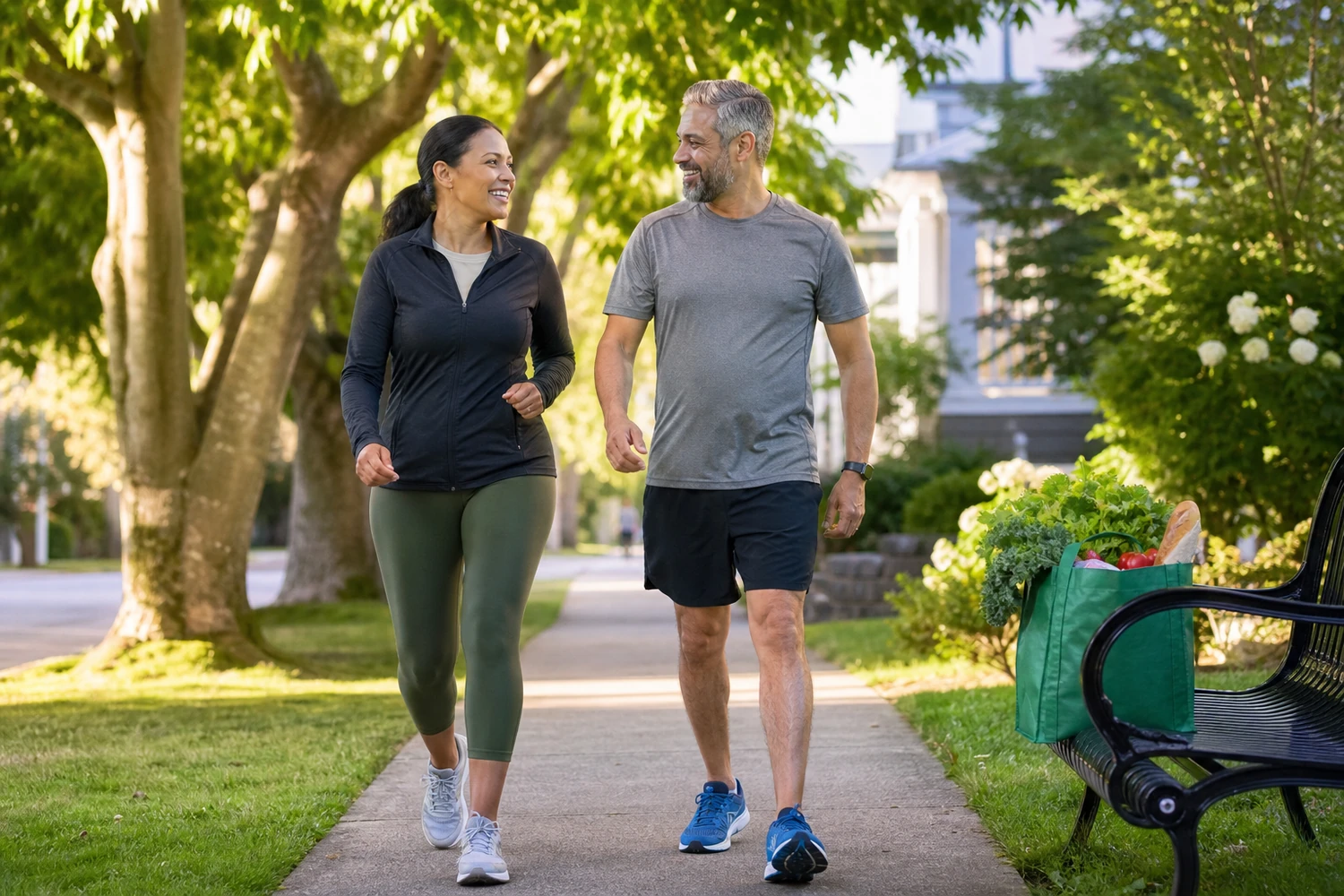
Choose activities that create both physical and social value when possible: walking with a friend, group strength classes, volunteering, gardening clubs or learning communities.
Avoid the Biggest Preventable Risks Before Chasing Small Optimizations
Not smoking, limiting harmful alcohol use, staying physically active, managing blood pressure and maintaining access to preventive care are more important than most expensive longevity gadgets.
Be skeptical of therapies that promise to reverse biological age without strong human evidence. A sophisticated-looking test or supplement stack can still distract from basic habits with much stronger support.
Measure Healthspan With Function, Not Just Lab Numbers
Useful personal markers include strength, walking pace, balance, aerobic capacity, ability to perform daily tasks, sleep quality and whether chronic conditions are controlled. Laboratory values add important information, but they do not capture the whole person.
A practical goal might be to maintain the ability to hike, travel, lift luggage, play with grandchildren or live independently. These outcomes connect health behavior with something meaningful.
Practical Takeaway
Healthspan vs lifespan is a reminder that more years are most valuable when function, independence and wellbeing are protected. You cannot guarantee a disease-free future, but you can improve the odds of maintaining capacity.
Build the plan around physical activity, strength, aerobic fitness, nutritious food, sleep, preventive care, relationships and purpose. The best longevity strategy is usually less exotic—and more repeatable—than marketing makes it sound.
The Practical Goal Is to Compress Disability, Not Chase Immortality
Many longevity researchers discuss the idea of delaying major disability so that a larger proportion of life is spent active and independent. In practical terms, this means preserving capacity and managing disease well rather than expecting to avoid every diagnosis.
A person with controlled hypertension who hikes, cooks, travels and lives independently may have a strong functional healthspan despite having a chronic condition.
Prioritize Large Risks Before Tiny Biomarker Tweaks
Blood pressure, smoking, physical inactivity, diabetes, severe sleep apnea and untreated high cholesterol can carry meaningful long-term risk. These deserve more attention than optimizing a marginal laboratory value that has uncertain relevance to outcomes.
Use medical screening and established prevention first. Experimental longevity practices should never delay treatment with a much stronger evidence base.
Choose Functional Benchmarks That Matter to Your Life
Your healthspan goals should connect to real tasks: carrying luggage, climbing stairs, getting up from the floor, walking a mile, lifting a grandchild or gardening for an hour. These goals make training specific and give you meaningful markers of reserve.
Re-test a few times per year. If a task becomes harder, adjust the program early rather than waiting until a major loss of independence.
Healthspan Includes Belonging, Learning and Contribution
A body that functions well is valuable because it lets you participate in life. Relationships, hobbies, learning and contribution are not optional extras after the “health work” is finished; they are part of wellbeing and can reinforce activity and routine.
Choose at least one weekly activity that combines movement with connection or purpose. A walking club, dance class, volunteer shift or gardening group can support multiple dimensions of healthy aging at once.
Build a One-Year Healthspan Plan Around Four Pillars
For the next year, choose one measurable goal in strength, aerobic fitness, nutrition and preventive care. For example: perform ten controlled chair squats, walk a familiar route faster, cook vegetables at home five days per week and complete overdue screening or vaccination appointments.
Review progress every three months. This keeps longevity grounded in actions you can repeat instead of allowing it to become an endless search for new tests and supplements.
Create a Small Healthspan Dashboard You Can Review Each Year
Choose a handful of measures that reflect both medical risk and real function. Examples include blood pressure, a basic lipid or glucose review when appropriate, walking pace, a strength benchmark, sleep quality and whether you can perform the daily tasks that matter to you without assistance.
Do not turn the dashboard into a competition for perfect numbers. Its purpose is to catch meaningful trends. A slightly slower walk combined with lower strength and reduced activity deserves more attention than a tiny change in a fashionable biomarker.
Review the dashboard with health professionals when needed and update goals as life changes. Healthspan is dynamic, so the plan should evolve rather than remain frozen at the priorities you had ten years earlier.
Frequently Asked Questions
Lifespan is total years lived. Healthspan generally refers to years lived with good health, function or relatively low disability.
No habit guarantees a specific outcome, but physical activity, nutritious food, sleep, preventive care and avoiding tobacco can support healthier aging and function.
There is no single universal clinical test for healthspan. Researchers use combinations of disease burden, disability, function and quality-of-life measures.
A combination of aerobic exercise, resistance training and balance or mobility work supports complementary aspects of healthy aging.
Most marketed longevity supplements have far less evidence than regular exercise, diet quality, sleep and management of established health risks.
Safety and Scope
Healthy longevity information is not a substitute for diagnosis or treatment. New symptoms, functional decline or abnormal health measurements should be discussed with an appropriate clinician rather than managed only with lifestyle experiments or supplements.