
Healthy Aging Is About Function, Not Looking Younger
Healthy aging is often marketed as a way to slow visible aging, but the more useful goal is to preserve function: the ability to move comfortably, think clearly, manage daily tasks, enjoy relationships and recover from normal physical stress. That definition makes healthy aging practical. You can measure progress by what you can do rather than by whether you look a certain age.
Age changes the body, but age does not automatically determine fitness. Muscle, cardiovascular capacity, balance and mobility all respond to training. Our strength training for healthy aging guide explains why maintaining usable strength is one of the most valuable investments you can make as you get older.
1. Keep Daily Movement Non-Negotiable
Formal workouts matter, but the hours outside the gym matter too. Walking to run errands, gardening, taking stairs when practical and breaking up long sitting periods create a base of daily activity. This low-level movement helps maintain circulation, joint tolerance and energy expenditure without requiring a hard workout every day.
A simple target is to build a routine that you can repeat even on busy weeks. If walking is your easiest option, use the ideas in our walking for health guide to build distance and pace gradually instead of chasing an arbitrary step count overnight.
2. Train Strength at Least Twice Each Week
Muscle and strength tend to decline with age when they are not challenged. Resistance training gives the body a reason to keep muscle tissue, bone-loading capacity and the coordination required for tasks such as climbing stairs, carrying groceries and getting up from the floor.
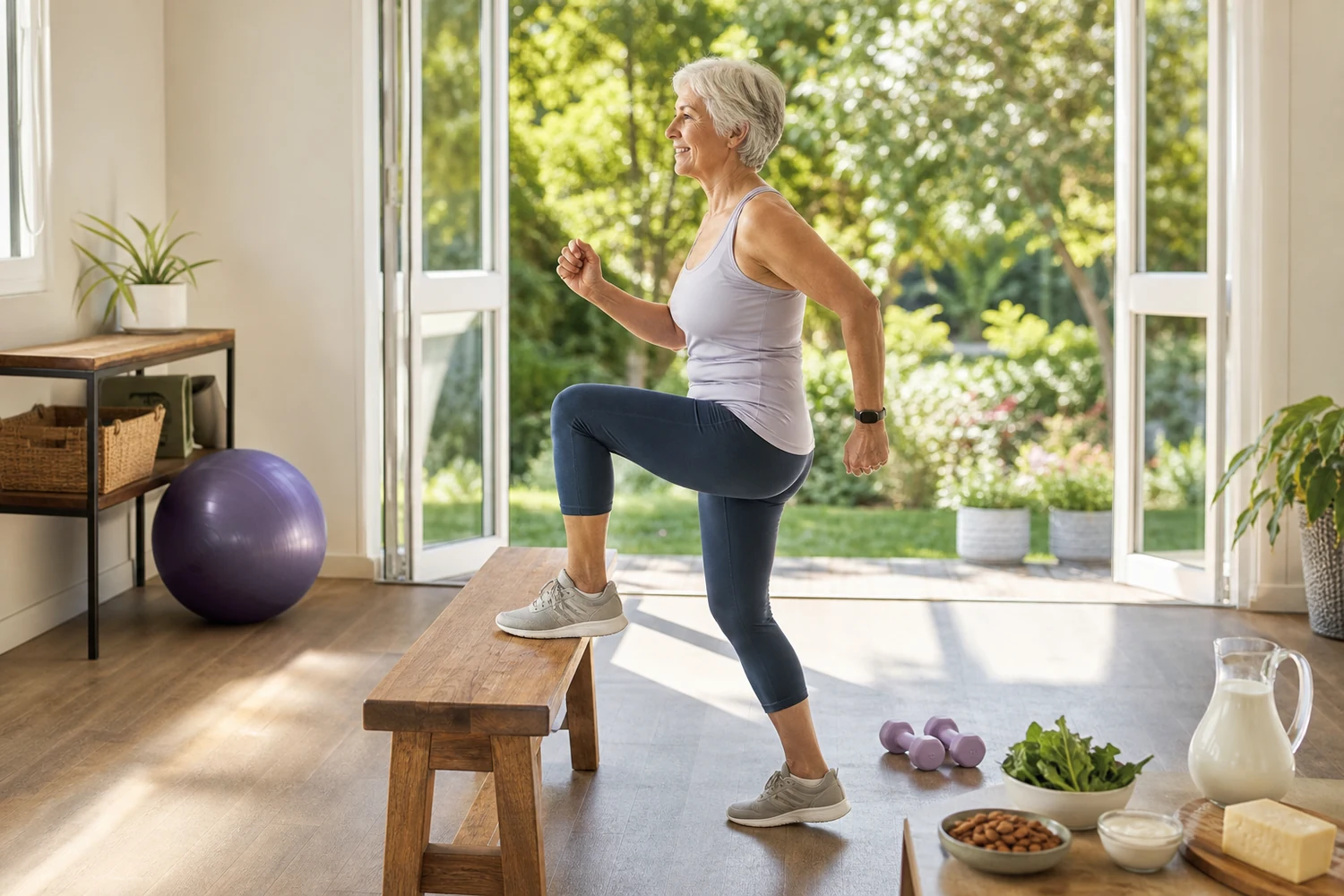
You do not need bodybuilding-style sessions to benefit. Squats to a chair, rows, presses, hinges, step-ups and loaded carries can cover the major movement patterns. Progress slowly, prioritize clean technique and choose resistance that feels challenging without forcing painful repetitions.
3. Build an Aerobic Base You Can Sustain
Cardiorespiratory fitness supports the heart, lungs and the ability to perform longer tasks without excessive fatigue. Brisk walking, cycling, swimming and low-impact cardio all count. The most effective form is usually the one you can do consistently and recover from.
Moderate aerobic work and some higher-intensity effort can both have a place, but the balance should fit your current condition. Our Zone 2 cardio guide is a useful starting point if you want a conversational-pace aerobic session.
4. Practice Balance Before You Think You Need It
Balance is a skill as much as a physical quality. It depends on vision, the inner ear, sensation in the feet, joint control and rapid muscular reactions. Practicing while you are still confident is easier than waiting until you already feel unsteady.
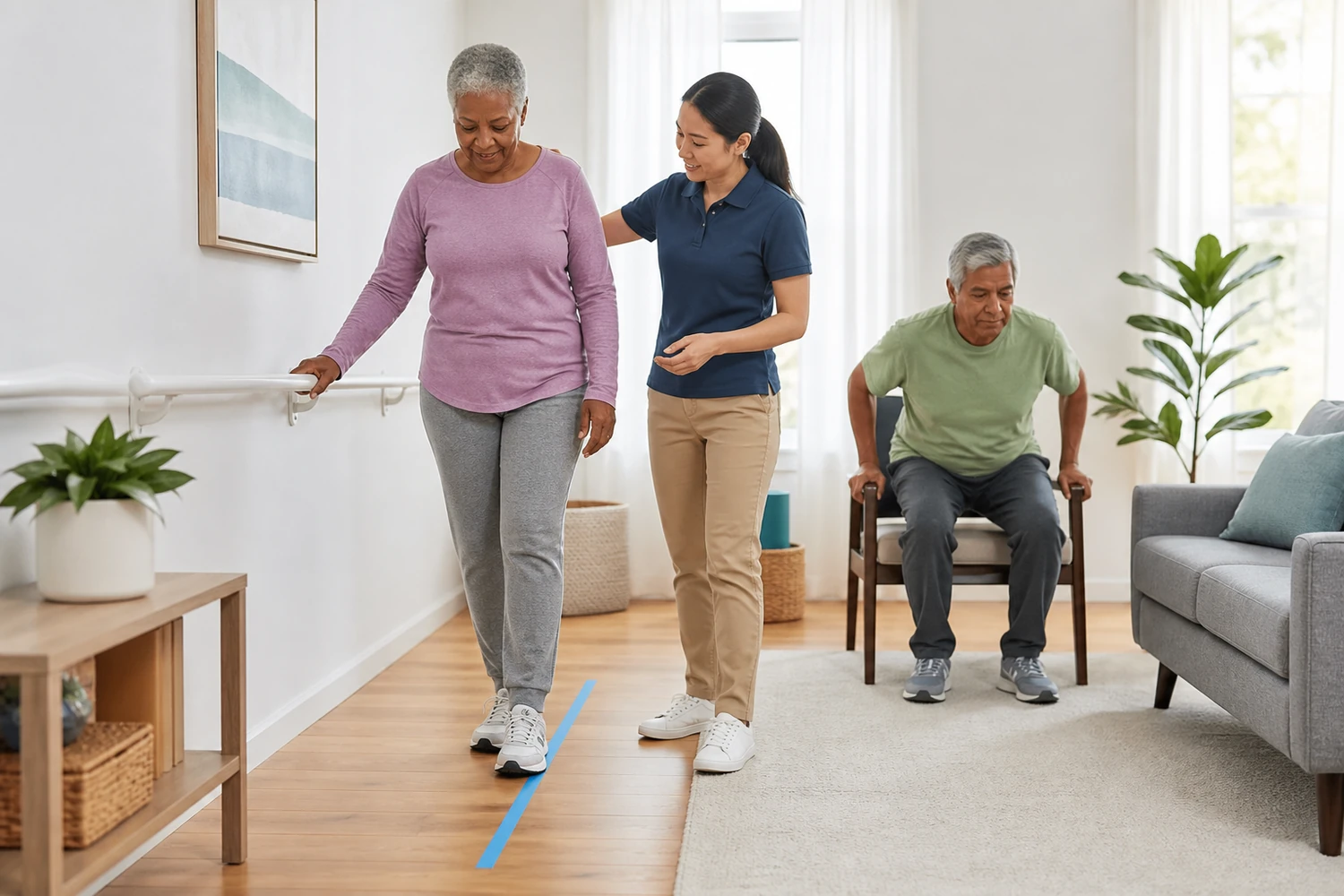
Single-leg stands near a stable support, heel-to-toe walking, controlled step-ups and direction changes can all help. If falls or near-falls are becoming frequent, use the safer approach in our fall prevention guide for older adults and consider professional assessment.
5. Eat Enough Protein and Spread It Across the Day
Protein provides amino acids used to repair and maintain muscle and other tissues. Older adults sometimes eat most of their protein at dinner while breakfast and lunch contain very little. A more balanced distribution can make it easier to meet daily needs without oversized evening meals.
Practical choices include eggs, Greek yogurt, cottage cheese, fish, poultry, lean meat, tofu, tempeh, beans and lentils. People with kidney disease or other medical conditions should ask a clinician or dietitian about an appropriate intake rather than copying a high-protein plan from social media.
6. Build Meals Around Nutrient-Dense Foods
Healthy aging nutrition is broader than protein. Vegetables, fruit, whole grains, legumes, nuts, seeds, olive oil and fish provide fiber, unsaturated fats, vitamins, minerals and plant compounds that support cardiovascular and metabolic health. The pattern matters more than finding one “anti-aging” food.
A useful visual strategy is to build most meals around produce plus a protein source and a high-fiber carbohydrate, then add healthy fats in sensible portions. Our balanced plate guide shows how to make this work without weighing every ingredient.
7. Protect Sleep Instead of Accepting Poor Sleep as Normal
Sleep often becomes lighter or more fragmented with age, but chronic insomnia, loud snoring, gasping, restless legs and severe daytime sleepiness are not problems to ignore. Poor sleep can affect training recovery, mood, appetite, concentration and safety.
Start with a consistent wake time, morning daylight, a wind-down routine and a bedroom that is dark, quiet and comfortable. If sleep remains poor, our healthy sleep habits guide provides a structured way to troubleshoot the basics.
8. Schedule Recovery With the Same Intention as Exercise
More training is not always better training. Recovery allows muscles, tendons and the nervous system to adapt to the work you have done. With age, some people need more time between hard sessions, especially when sleep, stress or medical conditions reduce recovery capacity.
Use soreness, energy, performance and joint comfort as clues. Easy walking or mobility can help on light days, while persistent pain or declining performance may be a reason to reduce load and reassess the plan rather than push harder.
9. Know Your Major Health Numbers
Blood pressure, blood lipids, blood glucose and other routine health measures can change quietly before symptoms appear. Regular preventive care helps identify problems earlier and gives you a more informed picture of what your lifestyle plan is trying to support.
Exercise and food choices are important, but they are not substitutes for treatment when treatment is needed. Review our daily habits for a healthy heart for practical cardiovascular basics that complement medical care.
10. Protect Social Connection and Purpose
Healthy aging is not only a fitness project. Social isolation can reduce motivation, appetite, activity and emotional wellbeing. Regular contact with friends, family, clubs, faith communities, volunteer groups or exercise partners can create structure and make healthy habits easier to maintain.
Purpose also matters. Learning a skill, mentoring someone, helping family, gardening or working toward a fitness goal gives daily routines a reason beyond simply “being healthy.” A sustainable plan should support the life you want to live, not replace it.
11. Keep Challenging Your Brain in Real Life
Puzzles can be enjoyable, but cognitive health is not limited to brain games. Learning, conversation, physical activity, adequate hearing and vision care, sleep and cardiovascular health all contribute to the conditions that support thinking and memory.
Choose mentally demanding activities that have meaning: learn a language, play an instrument, take a class, navigate new places or teach someone a skill. If memory changes are interfering with daily function, seek evaluation rather than assuming they are an unavoidable part of aging.
12. Make the Plan Repeatable for Years, Not Days
The healthiest routine is not the most extreme one. It is the one that survives travel, busy weeks, minor injuries, changing energy levels and different seasons of life. A plan built on movement, strength, aerobic work, quality food, sleep and relationships can flex without falling apart.
Review your routine every few months and ask one question: does this still help me do the things I value? Healthy aging is a long process, so steady habits that protect independence usually beat short bursts of perfect behavior followed by burnout.
Build a Weekly Rhythm Instead of a Perfect Daily Routine
A healthy week can contain different kinds of days. Two strength sessions, several walks, one or two longer aerobic sessions and short balance practice can cover more ground than trying to do everything every morning. This also leaves room for appointments, family obligations and recovery without making the plan feel broken.
Use a “minimum version” for busy weeks: one short strength session, daily walking and a few balanced meals are better than abandoning the routine because the ideal schedule is impossible. Consistency is easier when the plan has a smaller backup version.
Keep Enough Mobility for the Positions Daily Life Requires
Mobility does not need to look like advanced stretching. You need enough ankle, hip, shoulder and spine motion to walk, reach, dress, squat to a chair and get on and off the floor comfortably. Regular movement through comfortable ranges often maintains more useful mobility than occasional intense stretching.
If stiffness is a recurring problem, use our daily mobility routine as a short supplement to walking and strength training rather than replacing those activities.
Make Your Environment Support the Habits You Want
Healthy aging becomes easier when the environment reduces friction. Keep walking shoes visible, place resistance bands where you will use them, stock simple protein foods and frozen vegetables, and schedule workouts like appointments. Small changes can make the healthy option the default rather than a daily negotiation.
The same principle applies to safety. Good lighting, secure rugs, handrails and clear walkways help preserve confidence and reduce avoidable fall risk, especially when balance or vision begins to change.
Use Checkups to Protect Function, Not Only Detect Disease
Preventive care is more useful when it includes questions about function. Tell your clinician if you are walking slower, struggling with stairs, losing weight unintentionally, hearing poorly or avoiding activities because of fear of falling. These changes can appear before a dramatic medical event.
Vision, hearing, dental care and medication review also influence independence. A hearing problem can reduce social engagement, poor dental health can affect eating, and sedating medicines can increase fall risk.
A Simple 30-Day Healthy Aging Reset
For the first week, record your current walking, strength sessions, sleep schedule and typical meals without trying to fix everything. In week two, add two strength sessions. In week three, improve breakfast or lunch protein and add more vegetables. In week four, stabilize wake time and one social or purposeful activity.
At the end of the month, keep the changes that felt sustainable. Healthy aging improves through repeated cycles of small adjustments, not a single dramatic transformation.
Create a Personal Baseline Before You Try to Optimize
Before adding more habits, document where you are now. Note how many days per week you walk, whether you can climb a flight of stairs without stopping, how many times you can stand from a chair comfortably, your usual sleep schedule and how often vegetables and protein appear in your meals. This gives you a real baseline instead of relying on memory.
Recheck the same markers after eight to twelve weeks. Improvement might look like walking the same route with less effort, using a heavier dumbbell with good technique, sleeping more consistently or feeling less exhausted after errands. These changes are meaningful even if body weight barely moves.
If a marker worsens unexpectedly—especially walking, balance, appetite or strength—treat that as useful information. Healthy aging is partly about noticing change early enough to respond.
Frequently Asked Questions
Regular physical activity, strength training, nutritious food, adequate sleep, social connection, preventive health care and avoiding tobacco are strong foundations.
No. People can improve strength, aerobic fitness, balance and health behaviors at many ages, although the program should match current ability and medical conditions.
General guidelines commonly include about 150 minutes of moderate aerobic activity weekly plus muscle-strengthening work on at least two days, with balance activity also important for many older adults.
No. Supplements are not a substitute for movement, nutritious food, sleep or medical care. Some people may need specific supplements because of diet, deficiency or medical advice.
They work together. A healthy dietary pattern and regular physical activity support different but overlapping aspects of cardiovascular, metabolic, musculoskeletal and functional health.
Safety and Scope
This article is general education, not individualized medical advice. Older adults with chest pain, fainting, major balance problems, unexplained weight loss, new neurological symptoms or significant chronic disease should discuss exercise and nutrition changes with an appropriate health professional.