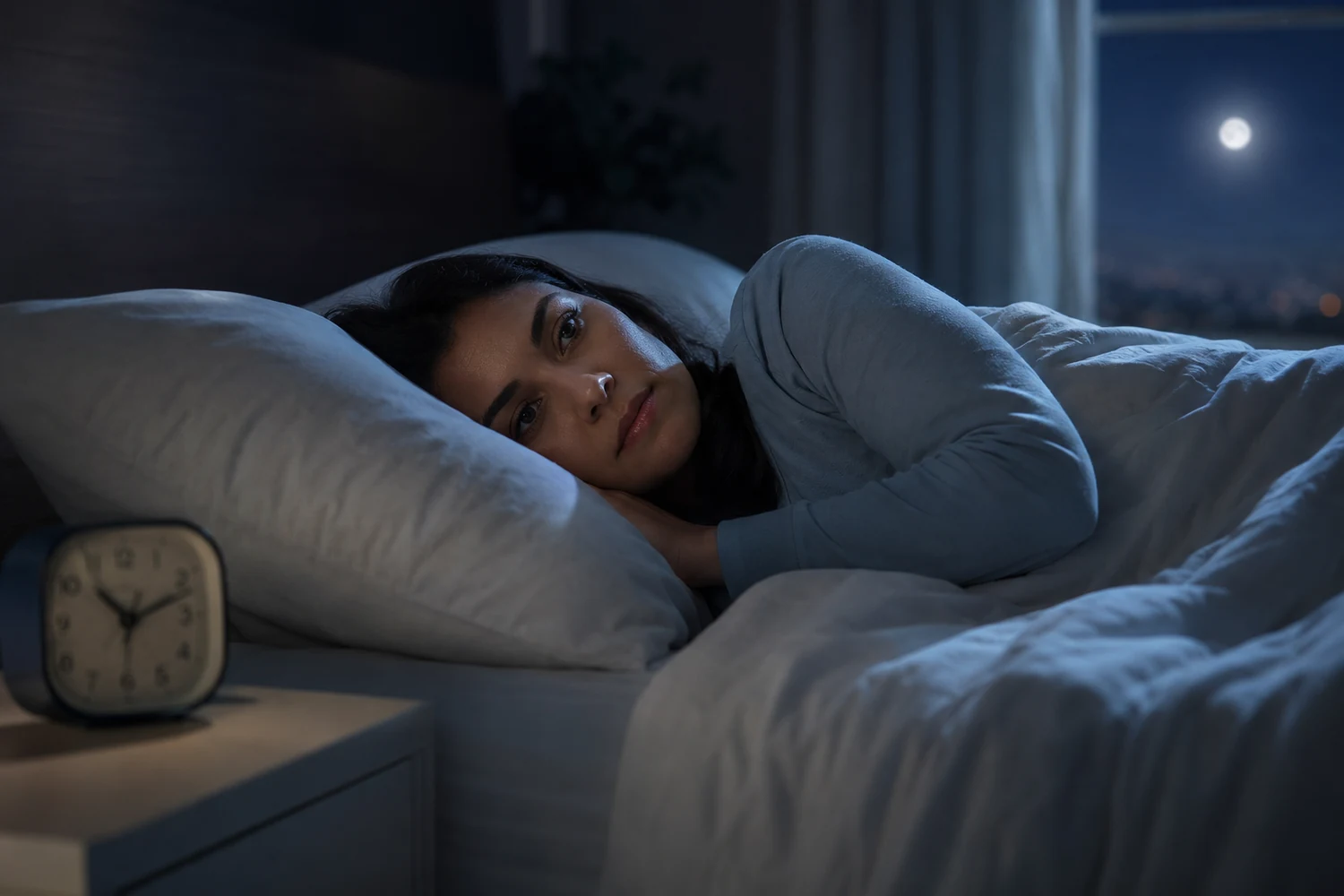

What Normal Sleep Changes With Age Can Look Like
As people get older, sleep timing often shifts earlier, deep slow-wave sleep may decrease and awakenings can become more noticeable. Some people become sleepy earlier in the evening and wake earlier in the morning. These changes can happen even in otherwise healthy adults.
Normal aging does not mean spending every night exhausted. If sleep is repeatedly too short, fragmented or unrefreshing and daytime function suffers, look for causes rather than accepting the problem as inevitable.
Older Adults Still Need Meaningful Sleep
Sleep need varies between individuals, but many adults continue to function best around seven to eight hours per night. Needing slightly less sleep than in young adulthood is possible, yet routinely sleeping only four or five hours is not automatically healthy just because someone is older.
Judge sleep by both duration and daytime function. If you feel alert, emotionally stable and physically recovered, your schedule may be working. If you rely on constant caffeine or fall asleep unintentionally, the pattern deserves attention.
The Body Clock Often Moves Earlier
Age-related changes in circadian timing can make an earlier bedtime and wake time feel natural. Fighting that shift by staying up very late may lead to shorter sleep if the body still wakes early.
Morning daylight is a strong timing cue. Spending time outside soon after waking and keeping a consistent wake time can stabilize the sleep-wake rhythm. Our healthy sleep habits guide provides a broader routine.
More Awakenings Do Not Always Mean a Sleep Disorder
Brief awakenings between sleep cycles become easier to remember when sleep is lighter. The problem is often not waking for a moment but staying awake for long periods, worrying about sleep or feeling impaired the next day.
If you wake to urinate several times, consider factors such as evening fluid intake, medications, prostate symptoms, diabetes or sleep apnea. Frequent nocturia can be a clue worth discussing with a clinician.
Chronic Insomnia Is Treatable at Any Age
Insomnia involves difficulty falling asleep, staying asleep or waking too early despite having enough opportunity to sleep, with daytime consequences. It can become self-reinforcing when people spend excessive time in bed trying to force sleep.
Cognitive behavioral therapy for insomnia is a first-line treatment for chronic insomnia and can be effective in older adults. Our insomnia guide explains why sleep habits and conditioned wakefulness matter.
Do Not Blame Sleep Apnea on “Just Getting Older”
Sleep apnea becomes more common with age and can cause loud snoring, witnessed breathing pauses, morning headaches, dry mouth and significant daytime sleepiness. Some people have few obvious symptoms beyond fatigue or resistant high blood pressure.
If the pattern fits, ask about formal evaluation rather than trying more supplements. Our sleep apnea warning signs guide covers common clues and testing.
Regular Physical Activity Supports Better Sleep
Walking, resistance training and aerobic exercise can support sleep quality and help regulate the body clock. Activity also builds the physical fatigue that makes sleep more likely at night without relying on sedatives.
Very intense late-night exercise can be stimulating for some people, but others sleep well after evening training. If late workouts consistently leave you wired, move the hardest sessions earlier rather than assuming everyone needs the same exercise cutoff.
Use Naps Strategically
A short early-afternoon nap can be refreshing, especially after a poor night. Long or late naps can reduce sleep pressure and make it harder to fall asleep at bedtime, particularly for people with insomnia.
If nighttime sleep is unstable, try limiting naps for one to two weeks while keeping wake time consistent. If excessive daytime sleepiness makes it hard to stay awake safely, seek evaluation rather than simply adding more naps.
Caffeine and Alcohol Can Have Stronger Effects Than Expected
Caffeine metabolism varies widely and sensitivity can change with age, medications and health status. If sleep is fragmented, move caffeine earlier in the day before giving it up entirely.
Alcohol may shorten the time it takes to fall asleep but often fragments the second half of the night. It can also worsen snoring and sleep apnea. Treat alcohol as a potential sleep disruptor rather than a reliable sleep aid.
Pain, Reflux and Medications Often Hide Behind Poor Sleep
Arthritis, back pain, reflux, urinary symptoms, anxiety, depression and some medications can all disrupt sleep. A good sleep plan therefore includes a review of health conditions and medication timing, not just a bedtime routine.
Do not stop prescribed medicines abruptly because you suspect they affect sleep. Ask the prescriber whether dose timing or alternatives are appropriate.
Sleep Is Part of Exercise Recovery After 50
Training adaptation depends on recovery, and sleep is one of the main recovery periods. Repeated short nights can reduce motivation, increase perceived effort and make it harder to judge whether soreness reflects normal training or excessive load. For a broader routine, see our healthy aging tips.
Our exercise and sleep recovery guide explains how training volume, sleep and stress interact.
Practical Takeaway
Some sleep changes with age are normal: earlier timing, lighter sleep and more remembered awakenings are common. Chronic exhaustion, severe insomnia, loud snoring with breathing pauses and significant daytime sleepiness are not simply “normal aging.”
Start with consistent timing, daylight, activity, a comfortable bedroom and careful use of caffeine and naps. If symptoms persist, look for a treatable sleep or medical condition instead of adding more over-the-counter sleep products.
Make the Bedroom Work With Age-Related Sleep Changes
A bedroom that was fine at 30 may become less forgiving later. More frequent awakenings make noise, light and temperature easier to notice. Blackout curtains, a comfortable mattress, a cooler room and reducing unpredictable noise can help shorten those awakenings.
Keep a safe path to the bathroom with low-level lighting if you wake at night. Bright overhead lights can be stimulating, but tripping in darkness is a bigger risk. Safety and sleep quality should be balanced.
Review Medication Timing When Sleep Changes Suddenly
Some medicines can cause stimulation, frequent urination, vivid dreams or daytime sleepiness. Others may interact with alcohol, antihistamines or over-the-counter sleep aids. A sudden sleep change after a medication adjustment is worth discussing with the prescriber.
Do not move or stop medication on your own, especially blood-pressure, steroid, psychiatric or neurological medicines. A clinician or pharmacist can help determine whether timing or an alternative is appropriate.
Use Exercise as a Sleep Cue, Not a Punishment for a Bad Night
After poor sleep, some people try to exhaust themselves with a very hard workout. That can backfire if coordination and recovery are already reduced. A normal walk or moderate training session often provides a better signal to the body clock without adding excessive stress.
If you are dangerously sleepy, choose safety first. Avoid heavy lifting, driving or balance-demanding exercise until alertness improves.
A Seven-Day Sleep Reset Is More Useful Than One Perfect Night
For one week, keep wake time within the same 30- to 60-minute window, get outdoor light in the morning, keep naps short and early, and move caffeine earlier. These changes create a consistent rhythm that is easier to evaluate than trying a different remedy every night.
Record only the basics: bedtime, wake time, major awakenings and daytime sleepiness. Overtracking sleep stages on a wearable can increase anxiety without improving the plan.
Know When Self-Care Has Reached Its Limit
Seek professional help when insomnia persists for months, daytime sleepiness affects safety, snoring includes gasping or breathing pauses, or restless legs repeatedly prevent sleep. Treatable sleep disorders can otherwise be hidden behind the assumption that sleep problems are normal with age.
Persistent low mood, anxiety or grief can also drive sleep disruption. Addressing the underlying problem is often more effective than adding another nighttime supplement.
Use a Short Sleep Diary to Find the Pattern
For seven to fourteen days, record bedtime, approximate sleep onset, major awakenings, final wake time, naps, caffeine, alcohol and exercise. Do not worry about exact sleep stages. The purpose is to identify patterns such as very late caffeine, long naps, inconsistent wake times or repeated awakenings linked with snoring or pain.
A diary also helps a clinician understand the problem more quickly. “I sleep badly” is hard to evaluate; “I fall asleep easily but wake at 3 a.m. for two hours most nights” points toward a different set of possibilities.
If keeping a diary makes you more anxious about sleep, simplify it. Sleep treatment should reduce preoccupation, not turn bedtime into a performance test.
Frequently Asked Questions
Sleep patterns change with age, but many adults still do best with roughly seven to eight hours. Individual need varies, so daytime function matters too.
Brief awakenings can become more common, but long periods awake or daytime impairment may indicate insomnia or another sleep problem.
There is no universal bedtime. A consistent schedule that allows adequate sleep and fits your natural circadian timing is more important.
It may help some circadian timing problems, but it is not a universal treatment for insomnia and can interact with medications.
Loud snoring with breathing pauses, gasping, morning headaches or significant daytime sleepiness should prompt evaluation for sleep apnea.
Safety and Scope
Seek medical care for severe daytime sleepiness, suspected sleep apnea, repeated falls related to sedation, new confusion, chest symptoms at night or persistent insomnia that affects daily function. Do not combine sleep medicines or supplements without checking for interactions.