
What Eating Well on GLP-1 Actually Means
GLP-1–based obesity medicines can reduce hunger and help people feel full sooner. That can be useful for weight management, but it also changes the practical job of eating: when total food intake falls, each meal has fewer opportunities to deliver protein, fiber, vitamins, minerals and enough fluid. The goal is not to create a perfect “GLP-1 diet.” It is to make smaller amounts of food work harder nutritionally.
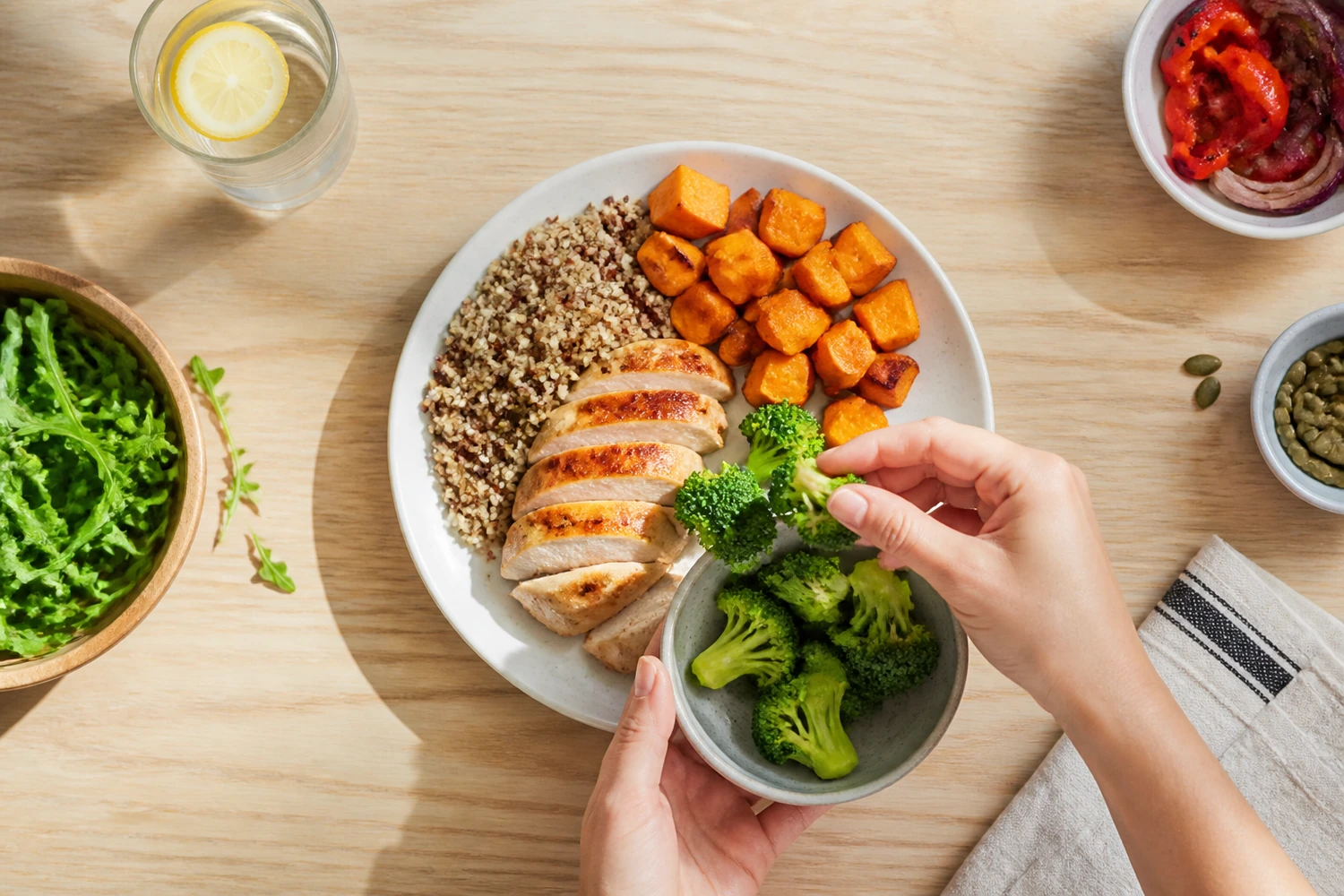
A useful starting point is to keep meals simple and familiar. Build around a protein source, add vegetables or fruit, include a high-fiber carbohydrate when tolerated, and use healthy fats in moderate amounts. Our balanced plate guide shows the same basic idea in a flexible format.
Start With Protein, Especially When Appetite Is Low
Protein deserves early attention because weight loss can include loss of lean tissue as well as fat. Protein also tends to be the part of the meal people skip when appetite is low and convenience foods take over. Eggs, Greek yogurt, cottage cheese, fish, poultry, tofu, tempeh, beans and lentils can all work, depending on preference and tolerance.
You do not need to force a very large serving. A smaller portion eaten first may be more realistic than trying to finish a huge plate at the end of a meal. If protein is a major concern, see our protein for weight loss guide for food-based ways to spread intake across the day.
Use Produce and Fiber Without Overloading Your Stomach
Vegetables, fruit, legumes and whole grains provide fiber and micronutrients, but suddenly adding very large amounts of fiber can worsen bloating or fullness for some people. Increase fiber gradually, chew well and pair it with adequate fluid. Cooked vegetables, soups, oatmeal, ripe fruit and softer grains may feel easier than enormous raw salads when gastrointestinal symptoms are active.
Fiber is still valuable. It supports bowel regularity, heart health and overall diet quality. The practical goal is tolerance, not a contest to eat the most roughage possible. Our dietary fiber guide explains how to build intake gradually.
Choose Carbohydrates and Fats for Quality, Not Fear
Carbohydrates are not automatically a problem on GLP-1 therapy. Oats, potatoes, beans, fruit, brown rice and whole-grain breads can provide energy and useful nutrients. What matters is portion size, total diet quality and how the food fits your medical needs. Highly refined snacks can be easy to overeat, but banning entire food groups is rarely necessary.
Healthy fats from olive oil, avocado, nuts, seeds and fish can add flavor and nutritional value. Because fat slows gastric emptying and is calorie dense, very rich or greasy meals may feel uncomfortable for some people. Keep portions moderate and adjust based on your own tolerance rather than following a rigid online list.
Build Smaller, Balanced Meals
A smaller plate often works better than serving a normal pre-treatment portion and feeling pressured to finish it. Think “protein + produce + optional high-fiber carbohydrate + a little healthy fat.” For example: salmon with roasted vegetables and quinoa; Greek yogurt with berries and oats; eggs with whole-grain toast and fruit; or lentil soup with a side of yogurt.
Eat slowly and stop when comfortably satisfied. GLP-1 medicines can change fullness signals, so rushing through a meal may leave you feeling overfull after the fact. Portion control is more useful when it is responsive rather than punitive; our portion-control guide can help you build that skill.
Foods That May Be Harder to Tolerate
There is no universal forbidden-food list, but very large meals, deep-fried foods, rich creamy dishes, heavy alcohol use and rapidly eaten meals can be difficult for some people who experience nausea, reflux, bloating or early fullness. Highly spicy foods may also bother people with reflux, while sugar alcohols can worsen gas or diarrhea in susceptible individuals.
Track patterns instead of blaming a single ingredient after one bad day. Note portion size, meal speed, symptoms and timing. Persistent vomiting, severe abdominal pain, inability to keep fluids down or significant dehydration deserves prompt medical advice rather than another diet hack.
Keep Hydration Visible Throughout the Day
Reduced appetite can also mean fewer beverages and fewer water-rich foods. Sip fluid regularly instead of waiting until a large drink feels comfortable. Water is an easy default, but unsweetened tea, milk or other appropriate beverages can contribute. People with heart, kidney or other conditions that affect fluid needs should follow their clinician’s advice.
If you are exercising, spending time in hot weather or dealing with vomiting or diarrhea, fluid needs can change quickly. Our healthy hydration guide explains practical signs that your usual routine may not be enough.
A Simple One-Day Food Framework
Breakfast might be Greek yogurt with berries and oats. Lunch could be a small chicken-and-bean bowl with vegetables. A snack, if needed, might be fruit with cottage cheese or a small handful of nuts. Dinner could be fish, roasted vegetables and a modest serving of potatoes or whole grains. The exact foods are less important than the pattern: enough protein, nutrient-dense plants, sensible portions and fluids across the day.
If appetite is extremely low, think in mini-meals rather than forcing three large meals. A yogurt cup, egg-and-toast plate, smoothie with an appropriate protein source, or half a sandwich with soup may be easier to manage than a large entrée.
Common GLP-1 Nutrition Mistakes to Avoid
The biggest mistakes are usually extremes: eating too little because the scale is moving, replacing most meals with ultra-processed “diet” products, chasing very high protein without enough plants or fluid, or ignoring persistent gastrointestinal symptoms. Another common mistake is assuming medication makes lifestyle irrelevant. NIDDK notes that weight-management medicines work best as part of a broader healthy-eating and physical-activity program.
Also avoid changing prescribed medication doses because a social-media eating plan did or did not work. Dose, titration and side-effect decisions belong with the prescribing clinician.
A Practical Two-Week Nutrition Reset
For one week, simply record what you can comfortably eat, when symptoms occur and where protein and produce appear. In week two, improve one meal at a time: add a reliable protein at breakfast, prep two easy lunches, keep water visible and reduce the size of meals that consistently cause discomfort.
At the end of two weeks, keep the changes that improved energy, tolerance and consistency. A useful GLP-1 eating pattern should feel repeatable, not like a temporary punishment.
Do Not Let Weight Loss Crowd Out Micronutrients
When total calories fall, vitamins and minerals can fall too. A varied pattern of vegetables, fruit, dairy or fortified alternatives, legumes, whole grains, nuts, seeds, seafood and other protein foods reduces the chance that every meal becomes nutritionally narrow. No single food covers everything, and a multivitamin is not a license to live on protein bars.
If your intake has been very limited for weeks, you have anemia symptoms, hair loss, unusual fatigue or a known deficiency risk, ask your clinician whether laboratory testing or dietitian support is appropriate. Supplement only what you actually need rather than building a large stack from social-media recommendations.
Eating Out, Travel and Social Meals
Restaurants often serve portions that are much larger and richer than what feels comfortable on GLP-1 therapy. Consider splitting an entrée, ordering a protein-and-vegetable combination, asking for sauces on the side, or taking part of the meal home. Eat slowly because delayed fullness can turn a comfortable first half of a meal into an uncomfortable finish.
Travel is easier when you carry one or two reliable foods rather than depending on the perfect restaurant. Yogurt, fruit, nuts, a simple sandwich or other portable options can bridge long gaps. The goal is not to avoid social eating; it is to remove the pressure to eat at the same volume as everyone else.
Diet Quality Still Matters Even When Calories Fall
GLP-1 medicines can make a calorie deficit easier, but calorie reduction alone does not guarantee a high-quality diet. Two people can eat the same calories while getting very different amounts of protein, fiber, potassium, calcium, iron and other nutrients. Choose foods that support health markers you care about, not just the scale.
This is especially important if you have diabetes, high blood pressure, high cholesterol or another condition affected by diet. Coordinate food choices with your treatment plan rather than treating GLP-1 therapy as a separate project from the rest of your health.
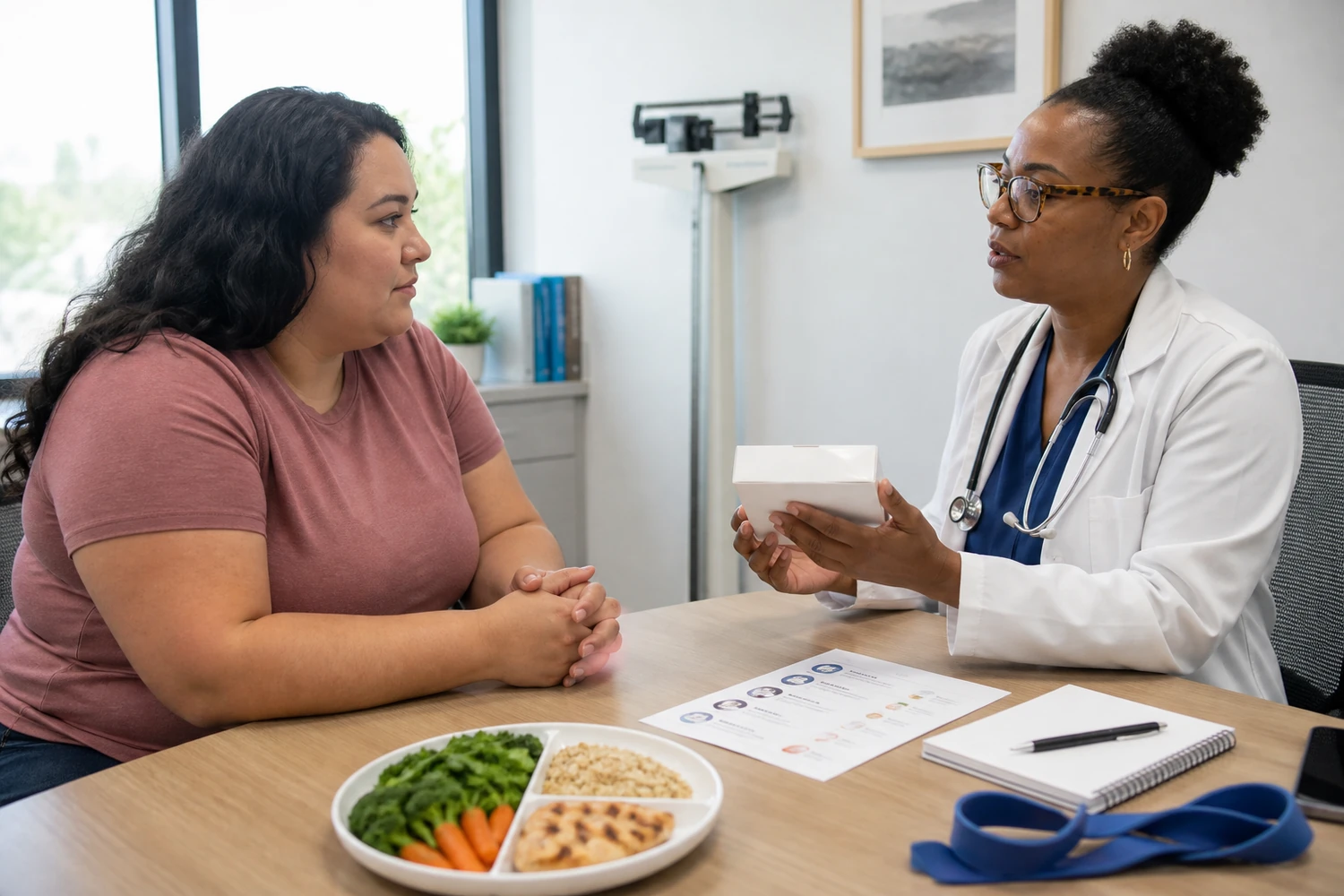
When a Registered Dietitian Can Help
A dietitian can be especially useful when you have persistent nausea, food aversions, kidney disease, diabetes, a history of disordered eating, major food restrictions or difficulty meeting protein and energy needs. The value is personalization: the same eating strategy is not right for a 30-year-old athlete and a 70-year-old with multiple medications.
Bring a short food-and-symptom record to the visit. That gives the dietitian something concrete to work from and can help separate medication tolerance issues from meal-size, fiber or timing problems.
Eating Well on GLP-1 Does Not Need to Be Expensive
Frozen vegetables, canned beans, eggs, canned tuna or salmon, plain yogurt, oats and store-brand whole grains can build a nutrient-dense pattern at a lower cost than specialty “GLP-1 foods.” Convenience products can be useful, but the label does not make them nutritionally superior.
Plan two or three low-cost meals you enjoy and repeat them. Consistency is more valuable than buying a new supplement, shake or branded snack every week.
Use a Weekly Nutrition Check-In
Once a week, ask: Did I get protein at several meals? Did I eat produce most days? Was hydration steady? Did constipation, nausea or reflux interfere with intake? Did I have enough energy for normal activity? These questions catch problems earlier than waiting for the scale to change.
If the answer is repeatedly no, simplify the plan or seek professional help. Nutrition is a support system for treatment, not an extra test you have to pass.
Personalize the Plan to Symptoms and Medical Goals
A person using GLP-1 treatment for obesity with type 2 diabetes may need different carbohydrate planning from someone without diabetes. Someone with reflux may tolerate different foods from someone dealing mainly with constipation. Use the general framework as a starting point, then adapt it around your medical conditions, lab goals, food culture and preferences. The strongest plan is specific enough to support your health but flexible enough to survive ordinary life.
Frequently Asked Questions
Nutrient-dense foods that you tolerate well are a strong base: lean protein, dairy or soy foods, vegetables, fruit, legumes, whole grains and moderate amounts of healthy fats.
No single diet is required. The priority is meeting nutrition and hydration needs with portions and foods you can comfortably tolerate.
When appetite is low, eating the protein portion early can make it easier to get enough before fullness develops.
No, but very rich or greasy meals may worsen nausea or fullness in some people. Moderate portions and individual tolerance matter.
Persistent vomiting, severe abdominal pain, or inability to maintain hydration should be discussed promptly with a health professional.
Safety and Scope
This article is general education, not individualized medical advice. GLP-1 and related weight-management medicines are prescription treatments. Do not start, stop, change dose, change injection frequency or use compounded or unapproved products without appropriate medical guidance. Persistent vomiting, inability to maintain fluids, severe abdominal pain, fainting, chest pain, severe weakness or other concerning symptoms require prompt medical assessment.