
Published by Best Fitness Routine. Editorial standards · Report a correction. Educational guidance; no individual clinical review is claimed unless a qualified reviewer is named.
Overview
Oral health affects eating, speaking, comfort and quality of life. Plaque repeatedly exposed to sugars produces acid that contributes to cavities, while plaque around the gums can contribute to inflammation. Daily fluoride toothpaste, careful cleaning between teeth, sensible drink and snack patterns, tobacco-free living and regular dental care form a practical foundation. Pain, swelling, bleeding or a non-healing mouth change should not be ignored. For a closely related next step, see our How to Read a Nutrition Facts Label Correctly.
Brush Twice Daily With Fluoride
Fluoride toothpaste strengthens enamel and helps prevent cavities. Technique and coverage matter more than aggressive pressure. This step is useful because it connects everyday decisions with a clear health purpose. It should fit the person’s current ability and resources, not an idealized routine seen online. Progress can be gradual and still be meaningful.
Brush all tooth surfaces for about two minutes with a soft brush and spit out excess toothpaste. Use the action as a starting experiment, not a rigid rule. If it creates pain, anxiety, significant symptoms or conflict with professional advice, stop and choose an appropriate alternative. Hard scrubbing can irritate gums and wear tooth surfaces.
Clean Between Teeth
A toothbrush (paid link) cannot fully reach every contact area. Floss, interdental brushes or another dentist-recommended tool can remove plaque between teeth. The practical value comes from consistency and context. A small action repeated through ordinary weeks usually teaches more than an extreme short challenge. Keep the parts that improve comfort, function or follow-through.
Choose a tool that fits comfortably and use it once daily with gentle technique. Record what you tried and whether it was comfortable enough to repeat. Review the pattern after one or two weeks before changing several variables. This keeps useful cause-and-effect information visible. Forcing a tool into tight spaces can injure gums; ask for a demonstration.
Limit Frequent Sugar Exposure
Frequency matters because every sweet drink or snack creates another acid-producing period. Sticky sweets and sipping can extend exposure. Individual responses differ, so observe the result over time. Cost, schedule, symptoms and preferences are legitimate parts of the decision. A plan that cannot survive busy days needs a simpler version.
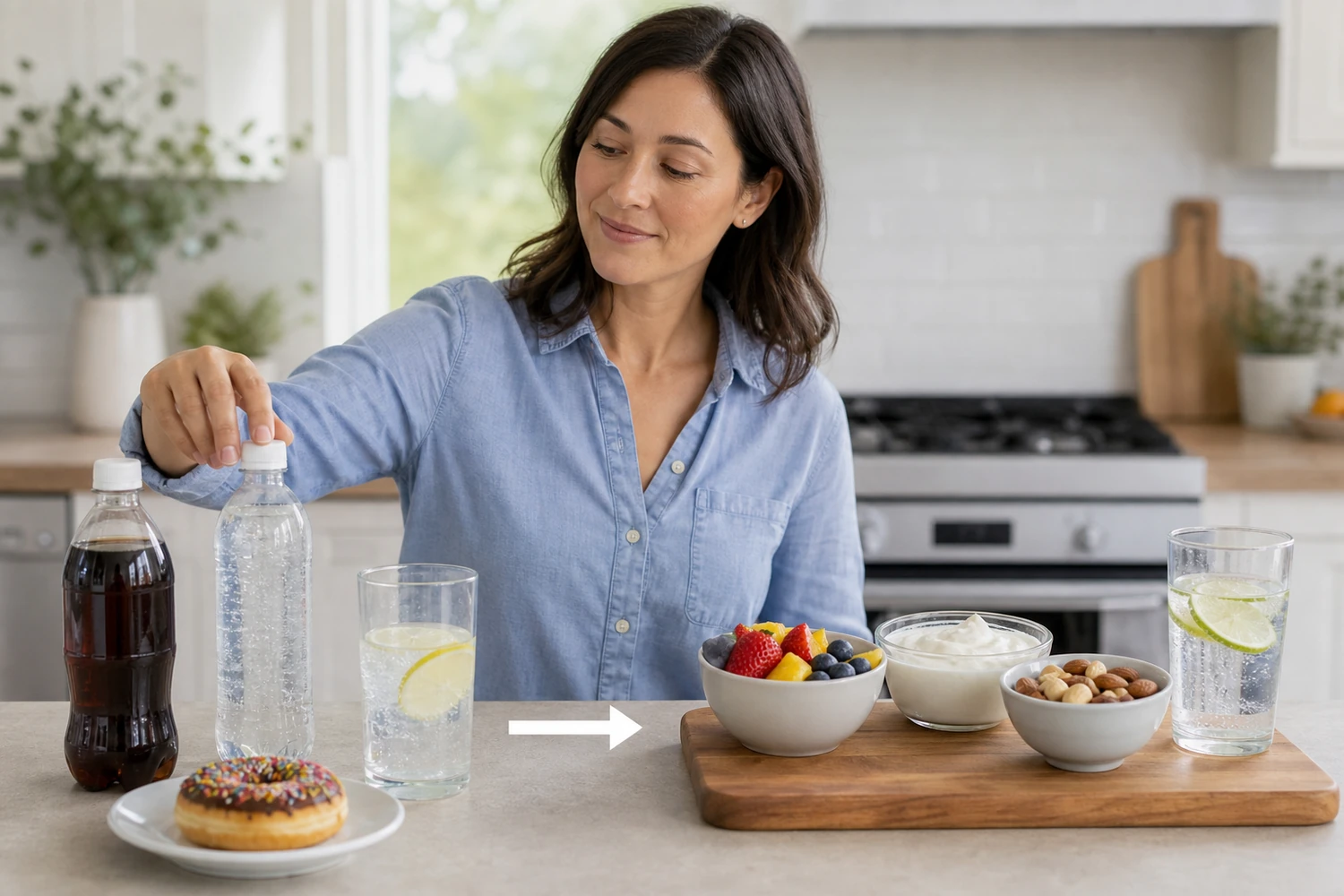
Keep sweet foods with meals more often, choose water between meals and use the added-sugar guide. Use the action as a starting experiment, not a rigid rule. If it creates pain, anxiety, significant symptoms or conflict with professional advice, stop and choose an appropriate alternative. Sugar-free does not mean acid-free; some drinks can still erode enamel. The site’s Healthy Grocery Shopping: A Practical Beginner’s Guide explains this connected topic in more detail.
Drink Fluoridated Water Where Available
Community water fluoridation and fluoride toothpaste are evidence-based cavity prevention tools. Bottled water fluoride content varies. Look at the full pattern rather than judging one day. Personal needs, access, culture and medical history can change the most useful choice. A repeatable baseline makes later adjustments easier to interpret.
Use safe tap water where local guidance supports it and ask a dentist about personal fluoride needs. Record what you tried and whether it was comfortable enough to repeat. Review the pattern after one or two weeks before changing several variables. This keeps useful cause-and-effect information visible. Too much fluoride can be inappropriate, especially for young children swallowing toothpaste. For another practical perspective, read Healthy Hydration: How Much Water Do You Really Need?.
Protect the Mouth From Tobacco
Smoking and smokeless tobacco raise the risk of gum disease, tooth loss and oral cancer. Vaping can also irritate oral tissues. This step is useful because it connects everyday decisions with a clear health purpose. It should fit the person’s current ability and resources, not an idealized routine seen online. Progress can be gradual and still be meaningful.
Seek structured cessation support and include all tobacco or nicotine products in dental history. Use the action as a starting experiment, not a rigid rule. If it creates pain, anxiety, significant symptoms or conflict with professional advice, stop and choose an appropriate alternative. A mouthwash cannot cancel tobacco-related risk.
Manage Dry Mouth
Saliva protects teeth. Medicines, dehydration and health conditions can reduce it, increasing discomfort and cavity risk. The practical value comes from consistency and context. A small action repeated through ordinary weeks usually teaches more than an extreme short challenge. Keep the parts that improve comfort, function or follow-through.
Sip suitable fluids, use sugar-free gum if safe and ask whether medicine or saliva products should be reviewed. Record what you tried and whether it was comfortable enough to repeat. Review the pattern after one or two weeks before changing several variables. This keeps useful cause-and-effect information visible. Do not stop prescribed medicine on your own.
Use Mouthguards for Risky Activities
Contact sports, falls and grinding can damage teeth. A well-fitting guard distributes force more effectively. Individual responses differ, so observe the result over time. Cost, schedule, symptoms and preferences are legitimate parts of the decision. A plan that cannot survive busy days needs a simpler version.
Use a sport-appropriate mouthguard and ask about a custom night guard for diagnosed grinding. Use the action as a starting experiment, not a rigid rule. If it creates pain, anxiety, significant symptoms or conflict with professional advice, stop and choose an appropriate alternative. A store guard should not obstruct breathing or create pain.
Attend Regular Dental Care
Dental visits can identify cavities, gum disease, oral cancer signs and appliance problems before they become emergencies. Look at the full pattern rather than judging one day. Personal needs, access, culture and medical history can change the most useful choice. A repeatable baseline makes later adjustments easier to interpret.
Follow a visit interval based on your history, symptoms, pregnancy, diabetes, tobacco use and clinician advice. Record what you tried and whether it was comfortable enough to repeat. Review the pattern after one or two weeks before changing several variables. This keeps useful cause-and-effect information visible. Dentures still require daily cleaning and oral examinations.
Common Oral Health Mistakes to Avoid
Mistakes around oral health usually come from doing too much too quickly, treating a population guideline as a personal prescription, or following one number without context. The goal is not flawless behavior. It is a safer system that helps a person notice a problem, correct it early and continue with less friction.
Use the cautions below as a review before changing the routine. Several of them involve symptoms, medicines or diagnosed conditions that need professional input. Internet advice should never be used to delay appropriate care.
- Hard scrubbing can irritate gums and wear tooth surfaces.
- Forcing a tool into tight spaces can injure gums; ask for a demonstration.
- Sugar-free does not mean acid-free; some drinks can still erode enamel.
- Too much fluoride can be inappropriate, especially for young children swallowing toothpaste.
- A mouthwash cannot cancel tobacco-related risk.
- Do not stop prescribed medicine on your own.
- A store guard should not obstruct breathing or create pain.
- Dentures still require daily cleaning and oral examinations.
A Practical Two-Week Action Plan
For the first seven days, choose two actions from this oral health guide and place them into existing routines. Keep the minimum version easy enough for a busy day. Note completion, comfort and any symptoms once daily; avoid constant checking or trying to perfect every related behavior at once.
During the second week, keep the action that worked best and adjust the main barrier to the other. Improvement might mean greater consistency, better understanding, easier preparation or a useful clinical question—not an instant change in appearance or a single measurement. Continue only changes that remain safe and realistic.
- Days 1–2: Brush all tooth surfaces for about two minutes with a soft brush and spit out excess toothpaste.
- Days 3–4: Keep sweet foods with meals more often, choose water between meals and use the added-sugar guide.
- Days 5–6: Seek structured cessation support and include all tobacco or nicotine products in dental history.
- Days 7–8: Use a sport-appropriate mouthguard and ask about a custom night guard for diagnosed grinding.
Measure Progress Without Chasing Perfection
Choose one behavior measure and one real-life outcome for oral health: daily habits for healthy teeth and gums. A behavior measure could be the number of planned actions completed. A real-life outcome could be comfort, confidence, energy, function, fewer missed tasks or a clearer conversation with a professional. These are more informative than daily self-criticism.
Review the record weekly and compare several weeks rather than reacting to one unusual day. Illness, travel, sleep and stress can temporarily change results. If tracking causes anxiety or compulsive checking, simplify it or stop and seek appropriate support. Sustainable health work should make life more manageable, not narrower.
Know When to Get Professional Help
This guide cannot diagnose tooth decay, gum disease or oral cancer. Severe swelling, fever, trauma, difficulty breathing or swallowing, or uncontrolled bleeding requires urgent professional care. Keep a short record of onset, duration, triggers, related symptoms, medicines and what has already been tried. Clear context helps a qualified professional decide whether examination, testing, treatment or reassurance is appropriate.
Use urgent or emergency services for severe, sudden or rapidly worsening symptoms, danger to safety, loss of consciousness, major breathing difficulty or another local emergency. Routine lifestyle guidance is most useful after immediate danger has been ruled out. When uncertain, contact an appropriate local healthcare service rather than waiting for an article to answer an individual diagnosis.
Frequently Asked Questions
Persistent bleeding is not something to ignore. Improve gentle cleaning and arrange dental advice.
Not for everyone. It may help specific needs but does not replace brushing and interdental cleaning.
Replace it when bristles are worn or after the interval recommended for the product and your needs.
Acidic sugar-free drinks may contribute to enamel erosion even without sugar.
Facial swelling, fever, difficulty swallowing or breathing, trauma or severe spreading pain needs urgent care.
Safety and Scope
This guide cannot diagnose tooth decay, gum disease or oral cancer. Severe swelling, fever, trauma, difficulty breathing or swallowing, or uncontrolled bleeding requires urgent professional care.