What Mobility Means as You Get Older
Mobility is the ability to move through daily life with enough strength, balance and joint range to do what matters to you. For older adults, that can mean getting up from a chair, turning safely, reaching into a cupboard, walking on uneven ground or climbing a few steps without feeling rushed.
Mobility exercises for seniors work best when they include more than stretching. Strength and balance are central pieces because flexible joints are only useful when you can control them. The CDC recommends that adults 65 and older include aerobic, muscle-strengthening and balance activities each week.
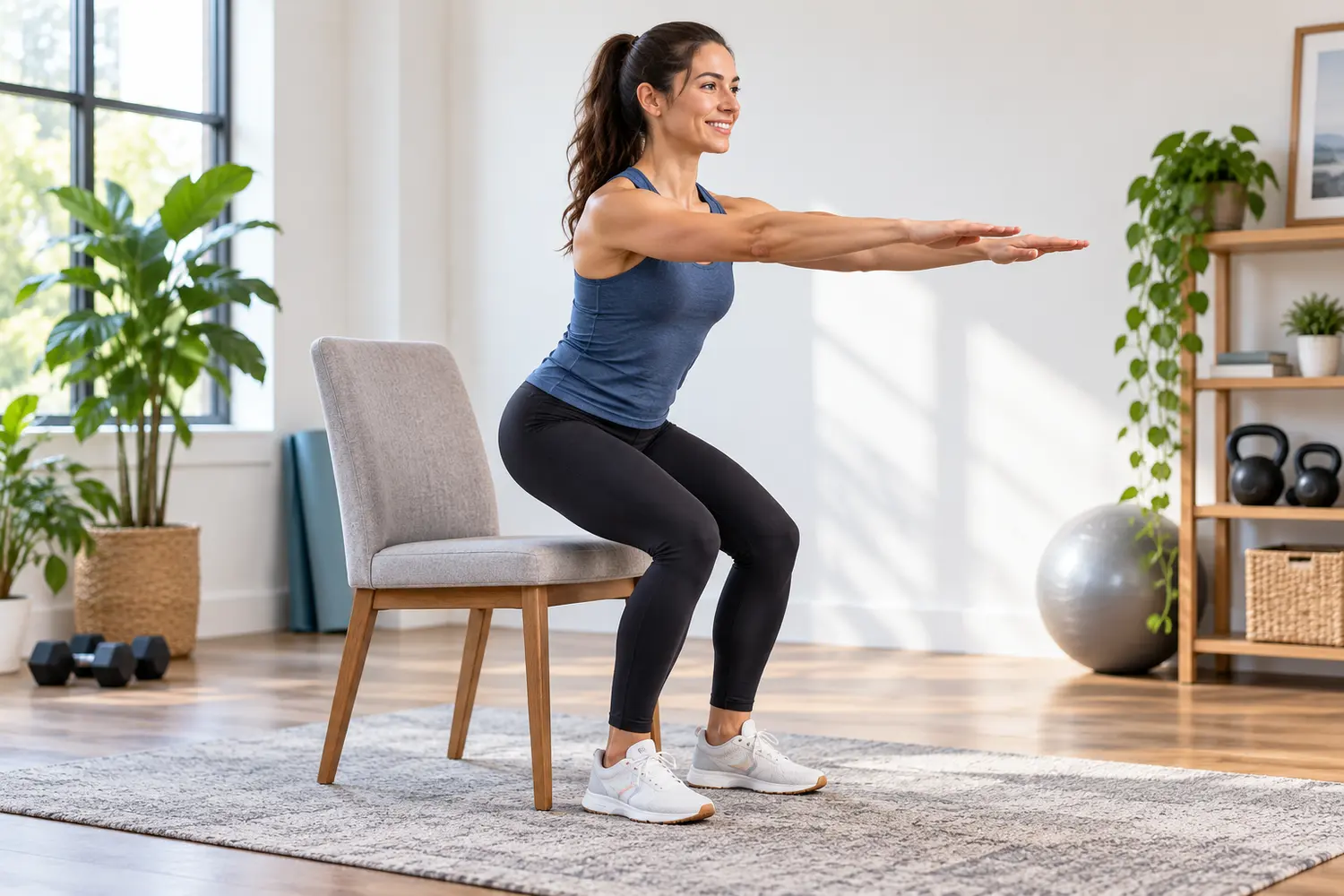
A practical routine can build on familiar movements such as the sit-to-stand exercise and simple balance exercises, using a sturdy chair or countertop when support is helpful.
Benefits of Mobility Training for Seniors
Strength and balance support tasks such as standing, carrying groceries and moving around the home. Regular practice can improve confidence in single-leg and changing-direction tasks. The larger goal is not a perfect-looking position; it is a movement option you can use comfortably in training and daily life. Consistency usually matters more than doing a long routine once in a while.
Gentle controlled movement helps maintain the range needed for reaching, walking and dressing. Chair stands, step taps and supported squats train the muscles used in daily movement. When mobility and strength improve together, the body has more choices for solving everyday movement tasks.
10 Mobility Exercises for Seniors
1. Sit-to-stand
Sit near the front of a sturdy chair with feet under the knees. Lean forward slightly, press through the feet and stand. Reach back for the chair only if needed. Lower slowly. Start with five to eight repetitions.
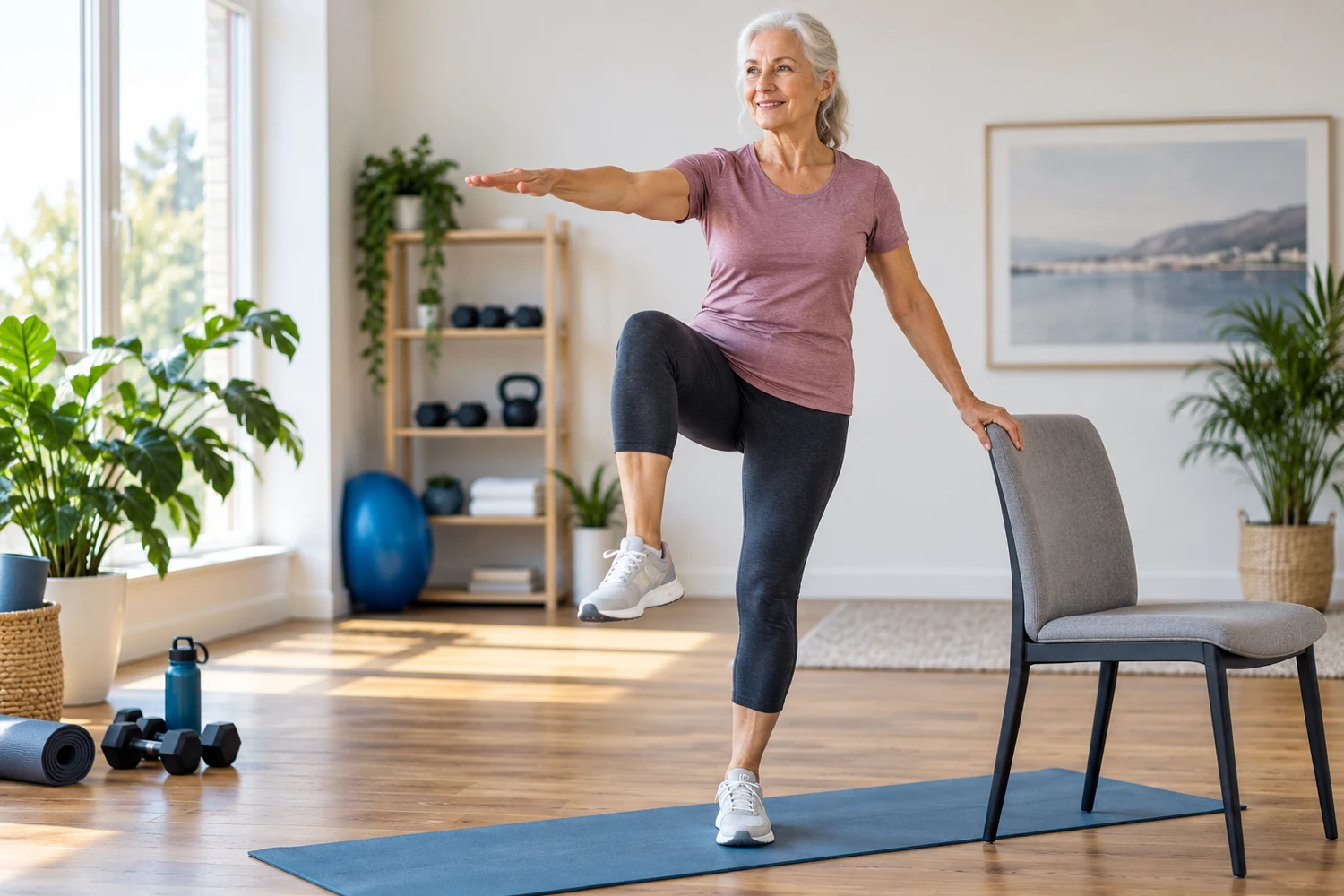
2. Supported marching
Stand beside a chair and hold it lightly. Lift one knee toward hip height, lower and switch sides. Keep the torso tall. This trains hip flexion and single-leg balance in a familiar pattern.
3. Heel-to-toe walk
Walk along a counter placing one foot directly in front of the other. Use the counter for support as needed. Start with five to ten careful steps and turn slowly.
4. Calf raise
Hold a sturdy surface and rise onto the balls of the feet. Pause, then lower with control. Strong calves contribute to walking and balance reactions.
5. Standing hip abduction
Hold a chair and move one leg gently out to the side without leaning the trunk. Keep the toes facing forward. This trains the side hip muscles used to stabilize the pelvis during walking.
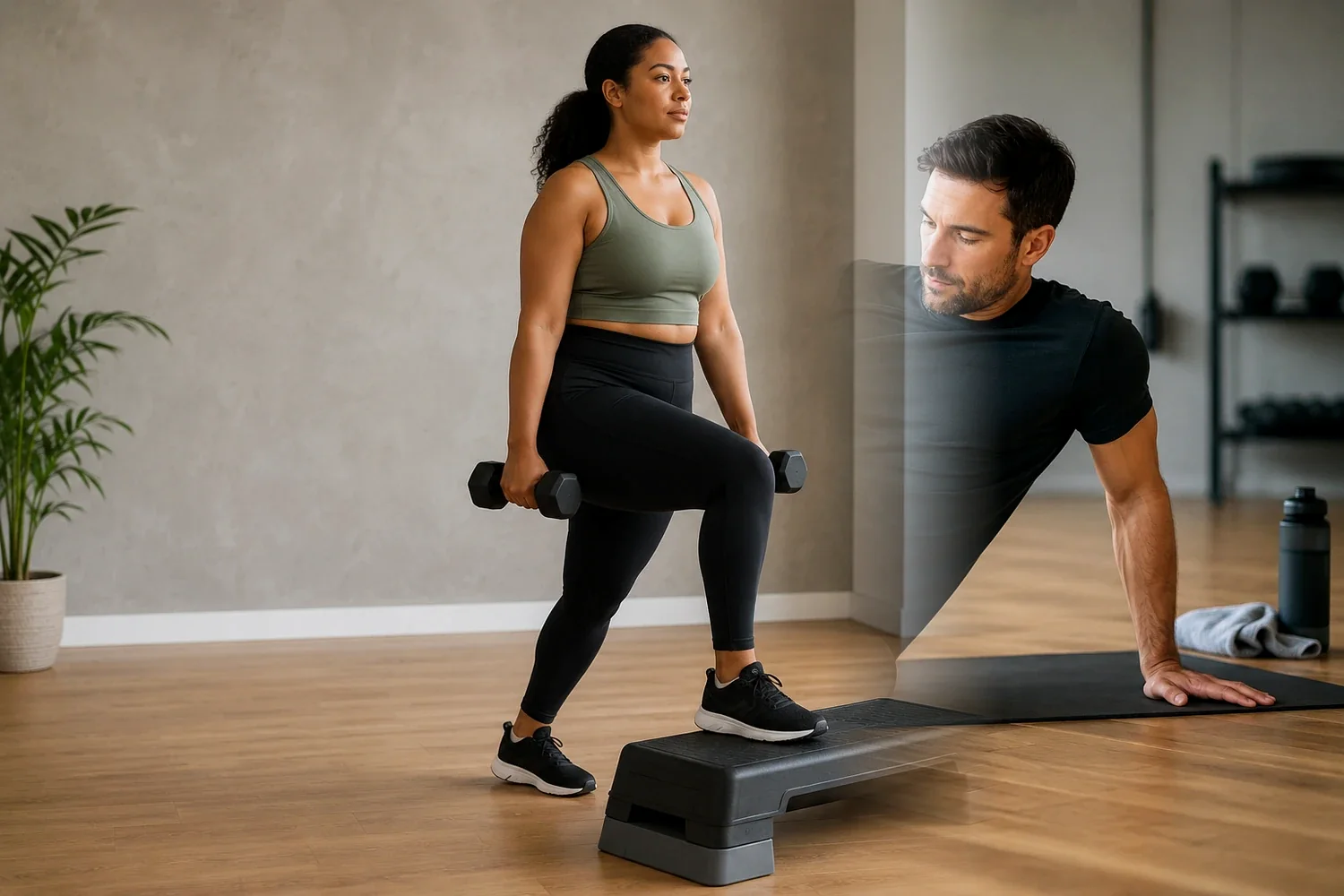
6. Step tap
Stand in front of a low step and tap one foot onto it, then return to the floor. Alternate sides. Progress to a full step-up only when balance and leg strength are comfortable.
7. Wall shoulder slide
Stand with your back or arms near a wall and slide the arms upward within a comfortable range. Keep the ribs relaxed. This maintains overhead reaching without forcing the shoulder.
8. Seated thoracic rotation
Sit tall in a chair with arms crossed over the chest. Rotate the upper body gently to one side while keeping the hips facing forward, then return. Perform five to eight reps per side.
9. Ankle rocks
Stand facing a counter, one foot slightly forward. Keep the heel down and bend the front knee toward the toes, then return. This encourages ankle motion used during walking and stairs.
10. Supported mini squat
Hold a countertop, sit the hips back slightly and bend the knees through a comfortable range. Stand tall by pressing through the feet. Keep the movement shallow if deeper bending is not comfortable.
A 12-Minute Mobility Routine for Older Adults
Perform one set of sit-to-stands, supported marching, calf raises, standing hip abduction and seated thoracic rotations. Rest as needed and keep a chair nearby. On another day, add walking or other aerobic activity. For a focused strength progression, use our knee strengthening exercises and step-up guide only when the basic versions feel steady.
Keep the first week intentionally easy. Write down the variation, repetitions and how the movement felt. If technique remains consistent and you recover well, add only a small amount the next week. This simple approach makes progress easier to judge and reduces the temptation to change several variables at once.
Common Mistakes to Avoid
Removing support too early
A chair or counter is a training tool, not a failure. Use it until balance is reliable.
Moving too quickly
Slow repetitions give you time to correct posture and foot placement.
Doing only stretches
Mobility also depends on strength and balance. Include chair stands, calf raises and other active movements.
Holding your breath
Breathe normally, especially during repeated chair stands and squats.
Comparing yourself with someone else
Range and balance vary widely. Progress from your own starting point and health status.
Progressions and Practical Training Tips
Progress one variable at a time: add a few repetitions, use slightly less hand support, increase walking time or move through a little more range. Strength training two or more days per week is part of current public-health guidance for older adults, but the exact exercise selection should match your abilities. If fall confidence is a major concern, combine this routine with structured balance training and discuss persistent dizziness or repeated falls with a healthcare professional.
Use the exercise as part of a complete plan rather than an isolated challenge. A balanced week can include strength, aerobic activity, mobility and recovery. The best version is the one that fits your current ability and leaves you able to practice consistently.
How to Turn Mobility Practice Into a Weekly Habit
Confidence is part of mobility. Use support early, practice in a well-lit uncluttered area and choose movements that feel successful. As strength improves, reduce hand support gradually or add a few repetitions. If fear of falling is limiting normal activity, professional balance assessment can help identify safer progressions.
Older adults also benefit from variety. One day may focus on walking, another on leg strength and another on balance. The CDC describes multicomponent activity—combining aerobic, strength and balance work—as particularly important for physical function. You do not need to perform every category in one session to gain value.
A routine is easier to maintain when it is attached to something you already do. Chair stands can follow breakfast, supported marching can happen while waiting for the kettle, and a short walk can follow lunch. These small sessions still count toward a more active week and can feel less intimidating than setting aside a long block of exercise time.
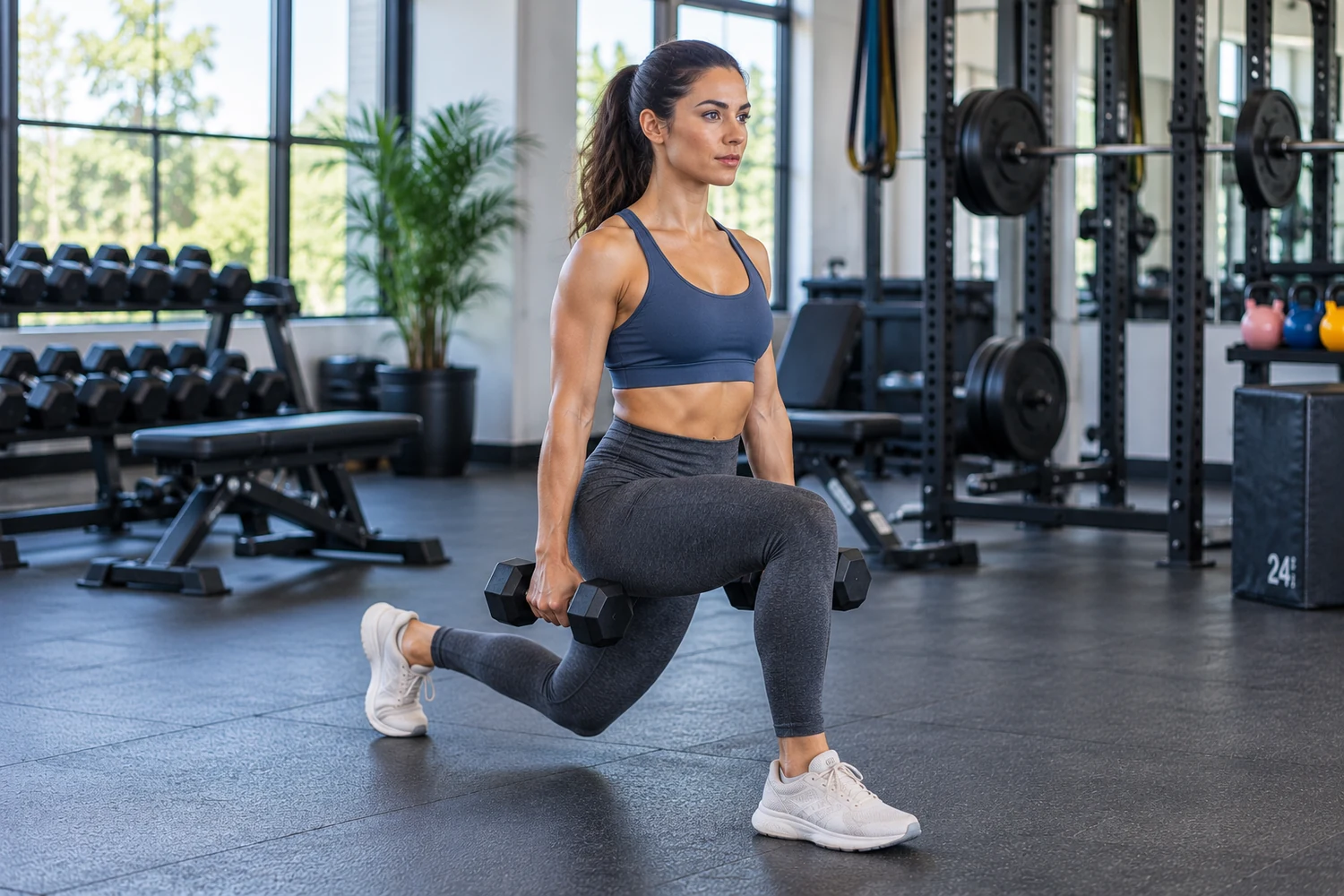
A simple functional fitness routine can help turn these mobility skills into strength for carrying, reaching and other daily tasks.
Safety Tips
Use stable furniture, remove loose rugs and clutter, and wear supportive footwear when standing balance is uncertain. Stop if you become dizzy, short of breath beyond what is expected, develop chest pain or feel sharp joint pain. Older adults with recent falls, significant osteoporosis, uncontrolled cardiovascular conditions or new neurologic symptoms should ask a qualified clinician how to modify exercise. If you use a cane or walker, keep it nearby rather than moving it out of reach for the workout.
If you are unsure whether a movement is appropriate after an injury or with a medical condition, a physical therapist or other qualified clinician can help tailor range, load and exercise selection. General fitness guidance cannot replace individual assessment.
Frequently Asked Questions
Gentle mobility and balance practice can be done most days, while strength exercises are commonly performed at least two days per week with recovery as needed.
There is no single best move. Sit-to-stands, supported marching, calf raises, balance work and gentle joint motion cover several important daily abilities.
Yes. Balance can be trained with appropriately challenging tasks such as supported single-leg work, heel-to-toe walking and step taps.
Gentle stretching can be helpful, but active mobility, strength and balance are also important. The routine should fit the individual’s health and comfort.
New chest pain, repeated unexplained falls, severe dizziness, recent surgery, significant joint pain or neurologic symptoms are reasons to seek individualized medical or physical therapy guidance.
Key Takeaways
- Mobility exercises for seniors work best when range and control progress together.
- Start with the easiest variation that lets you move without sharp pain or compensation.
- Progress one variable at a time—range, repetitions, time, support or resistance.
- Combine mobility with strength and balance so new range becomes useful in everyday movement.
- Stop and seek individualized guidance when symptoms include sharp pain, instability, numbness or persistent worsening.