What a CGM Measures
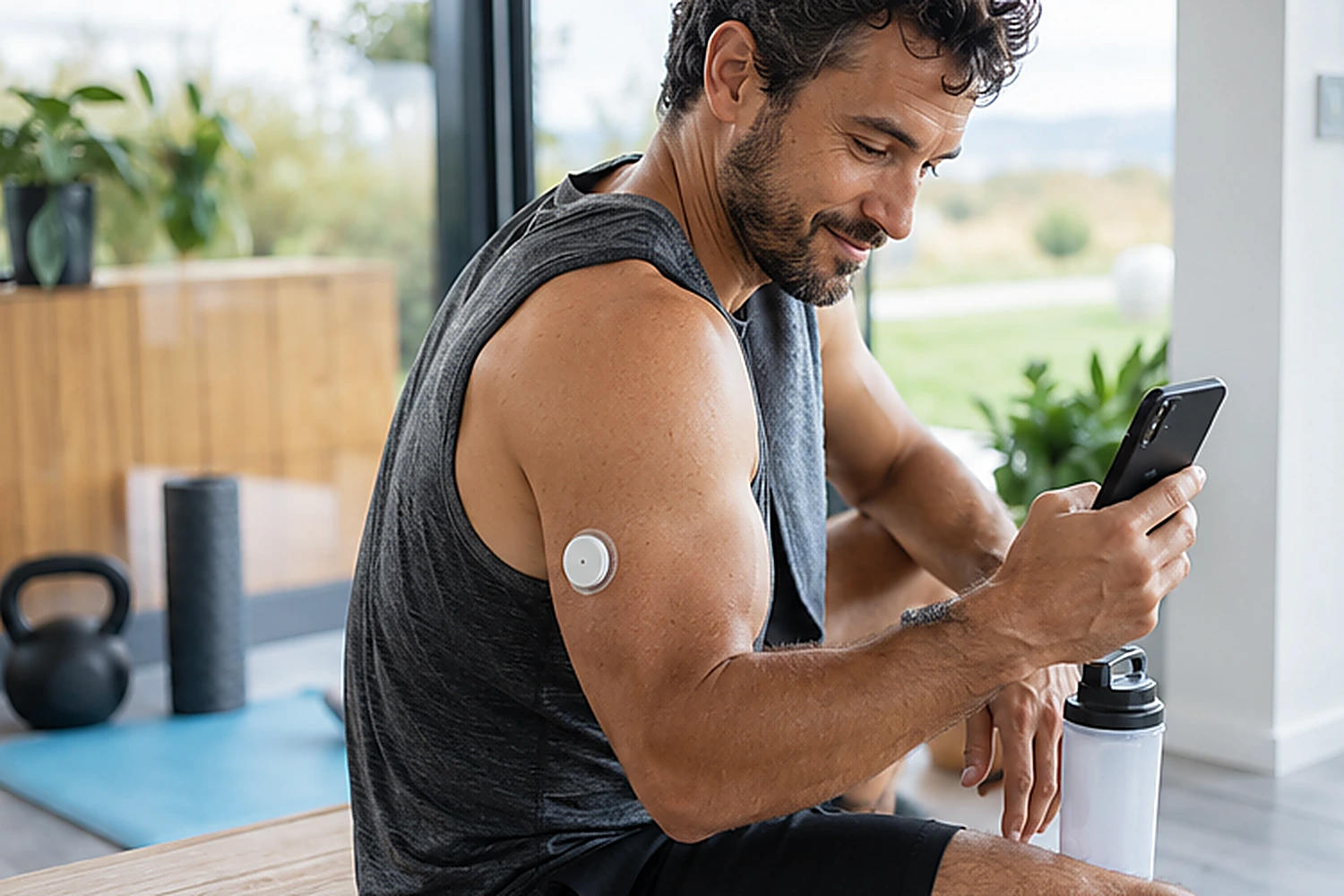
A CGM estimates glucose in interstitial fluid just under the skin and sends readings to a receiver or smartphone. Because interstitial glucose can lag behind blood glucose, the number is not always identical to a finger-stick reading at the same moment.
CGMs are established medical tools for diabetes management. Their role for general wellness is narrower and should not be confused with diagnosing insulin resistance or diabetes.
OTC CGMs in the United States
The FDA cleared the first over-the-counter CGM for adults in 2024, including adults who do not use insulin and people without diabetes who want to understand how diet and exercise may affect glucose. The FDA also emphasizes that specific OTC systems are not intended for people with problematic hypoglycemia.
If you have symptoms of low blood sugar, use appropriate medical evaluation rather than relying on an OTC wellness sensor.
What the Data May Help You Notice
A sensor can show broad patterns such as overnight stability, responses to meals and changes around exercise. Some people find this feedback motivating when it encourages habits they already know are beneficial, such as regular activity, balanced meals and adequate sleep.
To understand established daily habits first, review healthy blood sugar daily habits.
What a CGM Cannot Tell You
A CGM trace cannot diagnose insulin resistance, explain why a reading changed, or prove that one food is “bad.” Healthy people can have temporary rises after meals. Sensor compression, hydration, lag time and device error can also affect readings.
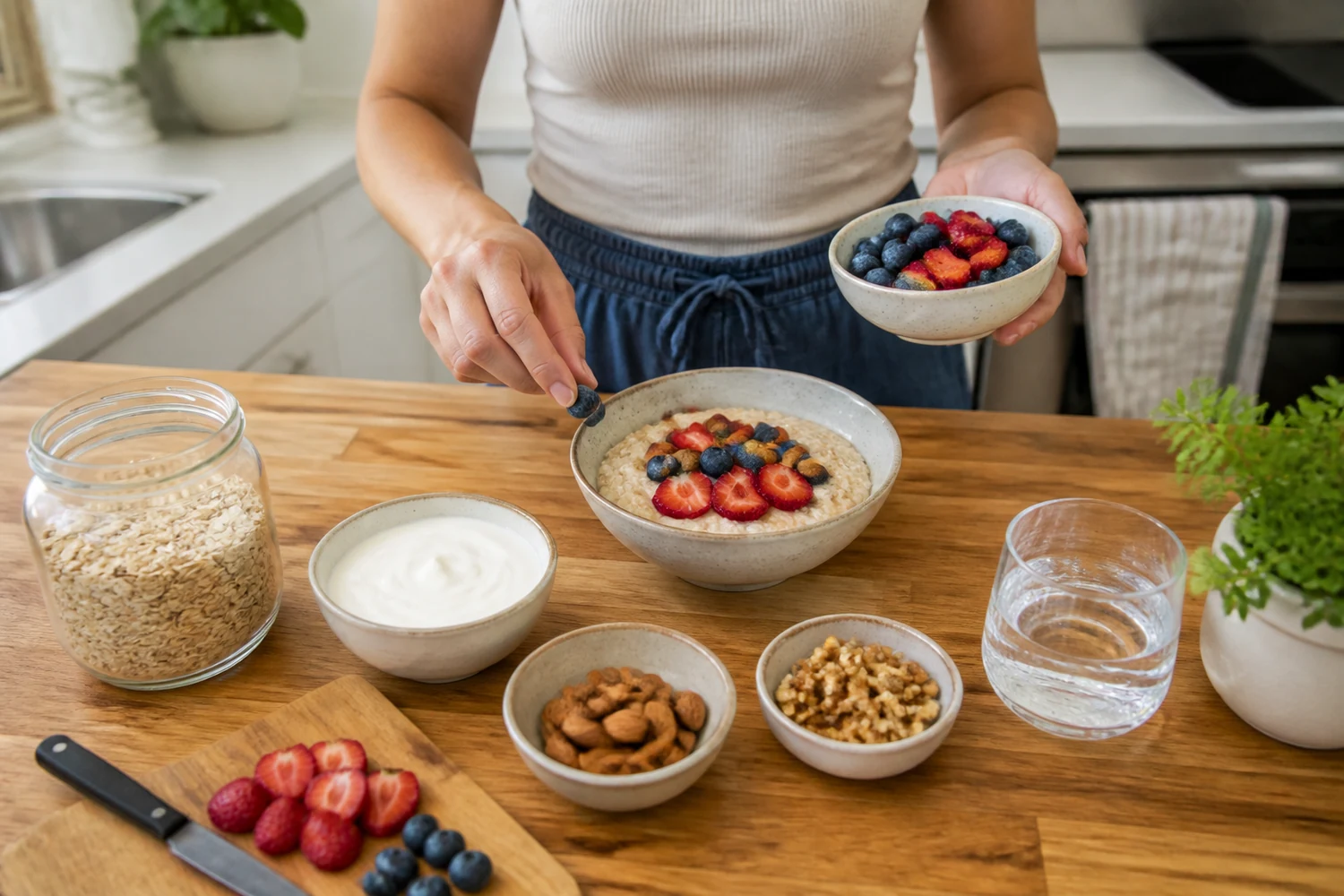
Do not build a restrictive diet around avoiding every glucose rise. Our balanced plate guide offers a more sustainable nutrition framework.
Avoid Turning Data Into Anxiety
More data is not always more useful. Repeatedly checking the app, fear of normal carbohydrate foods or compulsive attempts to flatten every curve can make eating and exercise less flexible. If tracking increases anxiety or disordered eating behaviors, stop and discuss it with a qualified professional.
Using CGM Data Around Exercise
Exercise can change glucose in different directions depending on intensity, meal timing and individual physiology. A walk after a meal may lower glucose, while hard intervals or heavy lifting can temporarily raise it because stress hormones release stored fuel.
For general activity planning, see our cardio and strength weekly plan and walking for health guide.
When to Talk With a Clinician
Repeated unusual readings, symptoms such as excessive thirst or urination, unexplained weight loss, or suspected low blood sugar should be evaluated with validated clinical testing. A consumer CGM should not delay an A1C, fasting glucose or other test recommended by your clinician.
A Better Way to Experiment With CGM Data
If you choose to use a CGM for wellness, keep experiments simple. Compare the same breakfast on two ordinary days, or compare a meal with and without a short walk, while keeping sleep and exercise reasonably similar. Look for broad, repeatable patterns rather than declaring a food good or bad from one trace.
Keep the device in perspective. A meal that produces a larger glucose rise may still be nutritious, especially when it includes fruit, whole grains or other carbohydrate-rich foods. Conversely, a flat glucose line does not automatically make a food healthy. Overall diet quality, calories, fiber, protein, fats, micronutrients and enjoyment still matter.
What a CGM may not be able to tell you
CGM data can be interesting, but more information is not always more clarity. Readings may vary with sensor timing, exercise, stress, illness, or how fast glucose changes. A temporary rise after a meal does not automatically mean a food is “bad,” and a smooth-looking graph does not guarantee overall metabolic health. Context still matters, including laboratory tests, symptoms, sleep, and everyday eating patterns.
For some people, a CGM encourages helpful reflection on meals and activity. For others, it creates unnecessary anxiety or leads to overreaction to normal fluctuations. Before spending money, ask what question you are trying to answer and whether a clinician, dietitian, or simpler tracking method would be more useful. This topic pairs well with our guides to the oral glucose tolerance test and A1C.
Sensor Lag, Compression Lows, and Other Real-World Limitations
A CGM measures glucose in interstitial fluid rather than directly in a blood sample. Because glucose has to move between the bloodstream and the surrounding fluid, the sensor can lag behind blood glucose when levels are changing quickly, such as during exercise or soon after eating. Pressure on a sensor during sleep can also produce an unexpectedly low reading in some cases. These quirks are part of why a single CGM value should not be treated as a diagnosis.
For people without diabetes, this is especially important because normal glucose can rise and fall during the day. A graph that is not perfectly flat is not automatically evidence of metabolic disease. If a reading seems surprising or is accompanied by symptoms, a clinician can advise whether a standard blood test is needed.
How to Run a Useful CGM Experiment Without Overreacting
If you choose to use a CGM for wellness, pick one or two questions rather than trying to optimize every minute. For example, compare the same breakfast on two days with and without a short walk, or observe how a normal strength workout affects the curve. Keep portions similar and avoid changing five variables at once. That makes the data more interpretable and reduces the temptation to label foods as “good” or “bad” from one result.
Also record context: sleep, stress, unusual exercise, illness, and meal timing. After a week or two, look for repeatable patterns rather than the highest single peak. If the device is making you anxious, restricting your food unnecessarily, or encouraging constant checking, it may be doing more harm than good.
Who May Get the Most Value—and Who May Not
A CGM may be useful for someone who is genuinely curious about exercise timing, meal patterns, or glucose variability and who understands that the device is educational rather than diagnostic. People with diagnosed diabetes have much clearer medical indications because CGM data can guide treatment. For people without diabetes, the benefit is more individual and may not justify the cost.
If the goal is simply to learn whether you have prediabetes or diabetes, a CGM is not the correct diagnostic tool. Standard laboratory testing is more appropriate. Similarly, if you already have a balanced routine and no specific question, the device may add data without changing any meaningful decision.
Avoid Using CGM Data to Create Food Fear
One of the biggest risks of wellness-focused CGM use is turning normal physiology into a reason to fear food. Glucose is expected to rise after many carbohydrate-containing meals. A temporary increase does not automatically mean the meal caused damage or should be removed permanently. What matters more is the overall pattern, the size and duration of changes, symptoms, and established medical markers.
If CGM use leads you to cut out fruit, whole grains, or other nutritious foods simply because the curve is not flat, step back and reassess the goal. A registered dietitian or clinician can help interpret the data in a broader nutritional context. The device should support useful decisions, not create a more restrictive diet than your health actually requires.
Practical Takeaway
A CGM can be useful for observing patterns, but a graph is not a diagnosis and every short-lived glucose change does not need to be “fixed.” Use the device to ask better questions about meals, activity, and sleep, and confirm concerning readings or symptoms with appropriate clinical testing rather than relying on sensor data alone.
Questions to Ask a Healthcare Professional
- Is an over-the-counter CGM appropriate for me, or do my symptoms require standard medical testing first?
- How much sensor lag or normal day-to-day variation should I expect?
- Which patterns are worth discussing with a clinician instead of reacting to one isolated reading?
- When should a CGM reading be confirmed with a blood-glucose meter or laboratory test?
Frequently Asked Questions
No. Diabetes is diagnosed with validated clinical testing and professional interpretation.
No. Glucose normally rises after eating. The size and duration of the rise depend on many factors.
FDA-cleared OTC systems may specifically warn against use for problematic hypoglycemia because they are not designed to provide the same safety alerts as medical systems intended for that purpose.
No. Regular activity, balanced nutrition, sleep and appropriate clinical screening do not require a CGM.
Yes. Higher-intensity exercise can temporarily increase glucose in some people because of stress-hormone effects.
Safety and Scope
A consumer CGM is not a substitute for diagnosing diabetes or evaluating recurrent low blood sugar. Follow the device instructions and seek medical advice for repeated unusual readings or symptoms such as excessive thirst, frequent urination, unexplained weight loss, severe shakiness, confusion, or fainting.