What the OGTT Is
An OGTT begins with a fasting blood sample. You then drink a measured glucose solution and have another blood sample after a set interval, commonly two hours for diabetes testing in nonpregnant adults. The test is designed to challenge glucose regulation under standardized conditions.
It is different from checking blood sugar after an ordinary meal because the amount of glucose and timing are controlled.
Why a Clinician May Order It
Clinicians may use the OGTT when they need more information about glucose tolerance, when other tests are inconclusive, or in specific settings such as pregnancy. NIDDK notes that it is more time-consuming than A1C or fasting glucose, so it is not always the first test used.
If your concern started with a borderline glucose value, our prediabetes guide explains the broader screening picture.
How to Prepare
Follow the laboratory instructions closely. You may be told to eat your usual diet in the days before the test and then fast overnight. Tell the clinician about medicines and recent illness because these can affect glucose results or how the test is interpreted.
Do not deliberately restrict carbohydrates before testing unless your healthcare team instructs you to do so.
What Happens During the Test
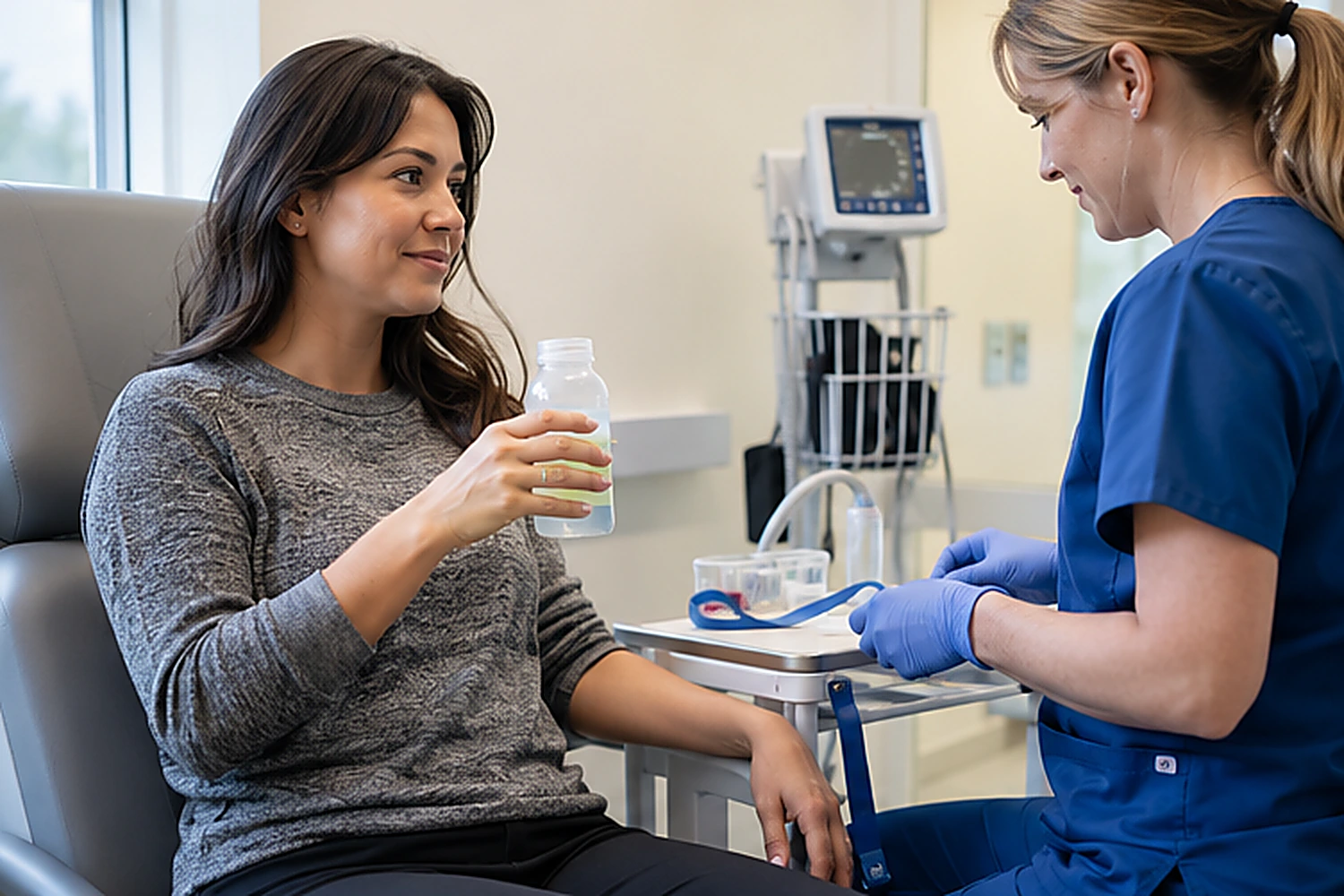
After the fasting blood draw, you drink the glucose solution within the instructed time. You usually remain at the testing location and avoid eating, smoking or exercising until the scheduled blood draw is complete. Some people feel nauseated or lightheaded because the drink is very sweet.
If you feel significantly unwell during testing, tell the healthcare staff rather than trying to push through symptoms.
Understanding Common 2-Hour Results
For nonpregnant adults, NIDDK lists a 2-hour OGTT result of 139 mg/dL or below as normal, 140 to 199 mg/dL as the prediabetes range, and 200 mg/dL or above as the diabetes range. Diagnosis is generally confirmed according to clinical guidelines rather than from casual home testing.
For A1C interpretation, see A1C Test Explained.
What Happens After an Abnormal Result
An abnormal result is a reason for follow-up, not a reason for a crash diet. Your clinician may confirm the diagnosis, review other metabolic risk factors and discuss activity, nutrition, sleep and medication if needed.
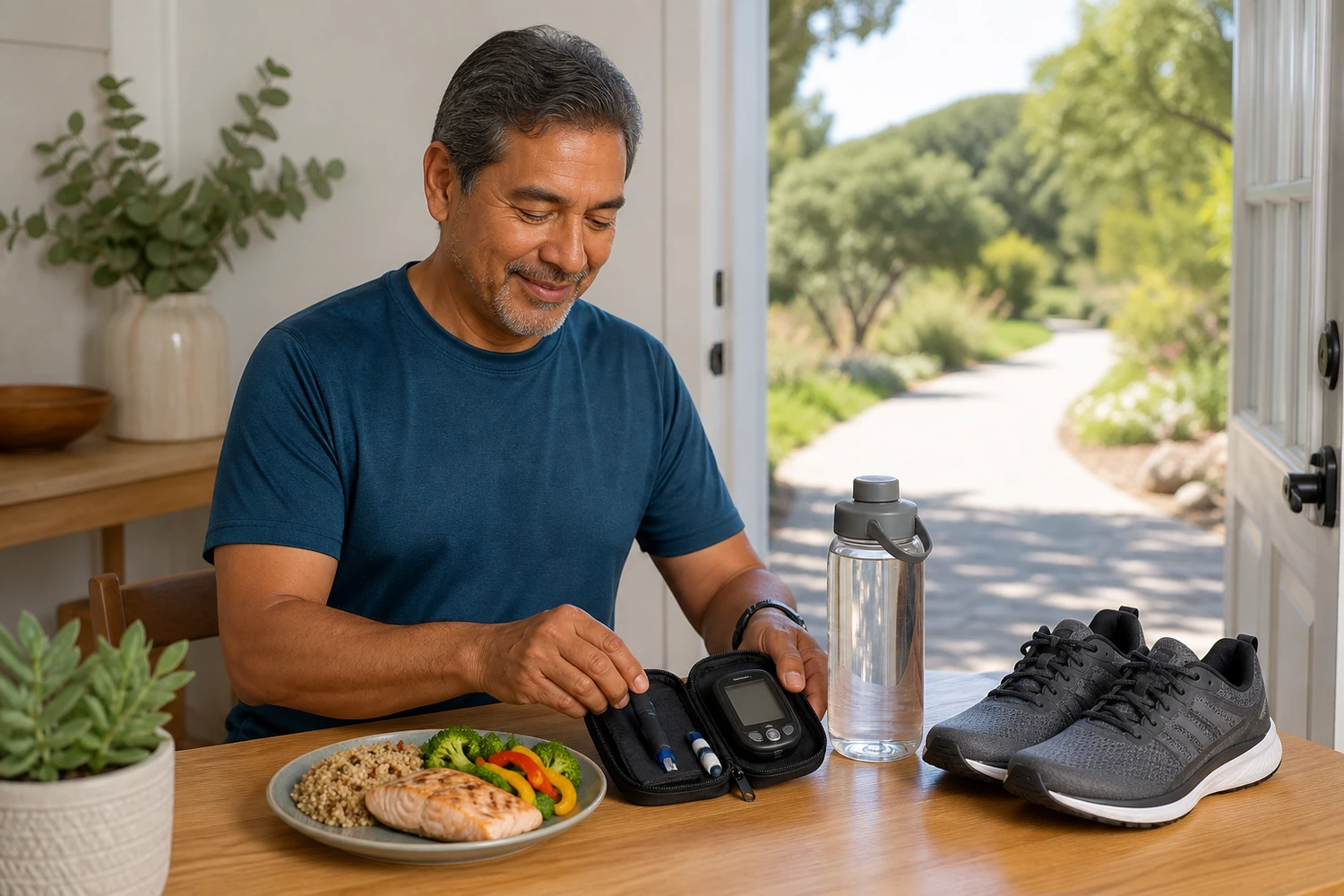
For day-to-day habits, healthy blood sugar daily habits and building a balanced plate offer practical general guidance.
Limits of the Test
Acute illness, medications, difficulty completing the glucose drink and failure to follow preparation instructions can complicate interpretation. Pregnancy uses different protocols and cutoffs, so general adult numbers should not be applied to gestational diabetes testing.
Making the Test Day Easier
Schedule enough time so you do not have to rush back to work or exercise immediately afterward. Bring something quiet to do while you wait, dress in clothing that makes blood draws easy, and arrange transportation if you have previously felt faint during testing. Follow the lab’s rules about water, food and activity instead of using advice from a different testing center.
After the final blood sample, ask when you can eat and resume normal activity. If the test was part of pregnancy care or another special protocol, use only the instructions and cutoffs from that clinical team, because those situations are interpreted differently from standard nonpregnant adult testing.
How to prepare for an OGTT
Preparation matters because the OGTT is designed to see how your body handles a specific glucose load under controlled conditions. Clinicians may ask you to eat your usual carbohydrate intake in the days beforehand, fast overnight, and avoid unusual exercise right before the test unless advised otherwise. It is also helpful to ask whether medications, illness, or pregnancy-specific instructions change the process.
Many people feel better when they know what to expect: a fasting blood sample, the glucose drink, a waiting period, and one or more follow-up samples. Bringing water, something to read, and enough time for the appointment can make the experience easier. If you are also trying to understand other glucose tests, our A1C explainer offers a useful comparison.
OGTT vs A1C and Fasting Glucose
The OGTT can identify problems that are not always obvious from a fasting glucose or A1C alone because it challenges the body with a standardized amount of glucose. Fasting glucose focuses on glucose regulation after an overnight fast, while A1C reflects longer-term average exposure. The OGTT looks specifically at the response after glucose is consumed. That makes it useful in selected situations, but it is also more time-consuming and sensitive to preparation.
Clinicians choose among these tests based on the reason for testing, pregnancy status, previous results, symptoms, and medical history. One test is not automatically “better” for everyone. If results conflict, the next step is usually confirmation or additional evaluation rather than choosing whichever result seems more reassuring.
What Can Affect the Test on the Day
Acute illness, unusual physical activity, inadequate carbohydrate intake beforehand, certain medicines, and not following the fasting instructions can affect an OGTT. For that reason, tell the clinic if you are sick, taking a new medicine, or were unable to follow the preparation instructions. Do not change prescription medicines on your own just to prepare for the test; ask the ordering clinician what to do.
Some people feel nauseated, lightheaded, or uncomfortable after the glucose drink, especially while fasting. Sitting quietly and following the clinic’s instructions is usually part of the protocol. If you vomit or cannot finish the drink, tell the staff because the test may not be interpretable and may need to be rescheduled.
What to Do After the Test
Once the final blood sample is complete, most people can return to normal food and activity unless the clinic gives different instructions. It is helpful to bring a meal or snack if you tend to feel hungry after fasting. Do not try to interpret the number before your clinician has reviewed the complete result and the context in which the test was ordered.
If the result is abnormal, the next steps may include repeat testing, lifestyle changes, or treatment depending on the diagnosis. In pregnancy, different protocols and thresholds are used, so pregnancy-related OGTT results should be discussed specifically with the obstetric or diabetes-care team rather than compared with nonpregnant adult ranges.
Why the OGTT May Be Chosen Even When Other Tests Exist
The OGTT is inconvenient compared with a simple fasting blood test, but the controlled glucose challenge can reveal impaired glucose handling that might be missed at fasting. This can be useful when symptoms, risk factors, or previous results do not line up neatly. It is also a standard part of testing in pregnancy, although pregnancy protocols are different from those used for nonpregnant adults.
Because the test requires time and careful preparation, it is usually ordered for a specific reason rather than as a casual wellness screen. If you are unsure why it was chosen, ask what question the clinician is trying to answer and how the result will change the next step. Knowing the purpose makes the test easier to understand and reduces unnecessary anxiety about individual numbers.
After the appointment, write down the result and the plan in plain language. Knowing whether the next step is repeat testing, routine monitoring, or treatment is more useful than remembering one isolated number without context.
Practical Takeaway
An OGTT gives a controlled snapshot of how your body handles a glucose challenge. The value of the test comes from correct preparation, the correct protocol, and clinician interpretation—especially because pregnancy uses different procedures and cutoffs from standard testing in nonpregnant adults.
Questions to Ask a Healthcare Professional
- Which OGTT protocol am I having, and exactly how should I prepare?
- Are any of my medicines or a recent illness likely to affect the result?
- If the result is abnormal, will it need confirmation with another test?
- If I am pregnant, which pregnancy-specific thresholds and follow-up plan apply to me?
Frequently Asked Questions
For standard adult diabetes testing, the visit commonly lasts at least two hours after the glucose drink, plus preparation and blood-draw time.
Most people tolerate it, but some experience nausea or lightheadedness. Tell the testing staff if you feel unwell.
Usually no. Physical activity can affect glucose levels, so follow the testing center’s instructions.
No. A1C estimates average glucose over months, while OGTT measures the response to a glucose challenge over hours.
No. Pregnancy uses specific testing protocols and interpretation.
Safety and Scope
This article is general information about glucose-tolerance testing and cannot interpret an individual result. Follow the testing center’s preparation and safety instructions. Pregnancy uses different protocols, and significant nausea, faintness, or other symptoms during testing should be reported to staff immediately.