What Does “Ultra-Processed” Mean?
Ultra-processed food is a category used in the NOVA classification for industrial formulations that often contain refined ingredients, additives, flavors, colors, emulsifiers or processing methods not typically used in home cooking. Examples can include some sugary drinks, packaged snacks, reconstituted meat products, confectionery and many ready-to-eat foods.
The category is broad. A packaged whole-grain bread and a candy bar may both be industrially produced but have very different nutrient profiles, so the label should not replace reading the food itself in context.
What Population Studies Show
Higher ultra-processed food intake is associated in many observational studies with obesity, cardiovascular disease, type 2 diabetes and other outcomes. These associations matter, but they do not prove the microbiome is the mechanism. Diet quality, socioeconomic factors, calories, fiber, sodium, added sugar and eating patterns may all contribute.
Microbiome studies add another layer by asking whether high-UPF patterns are associated with different microbial communities or metabolite profiles. Findings are emerging, but the field is not yet at the point where a specific bacterial signature diagnoses “too much processed food.”
Fiber Is One Plausible Link
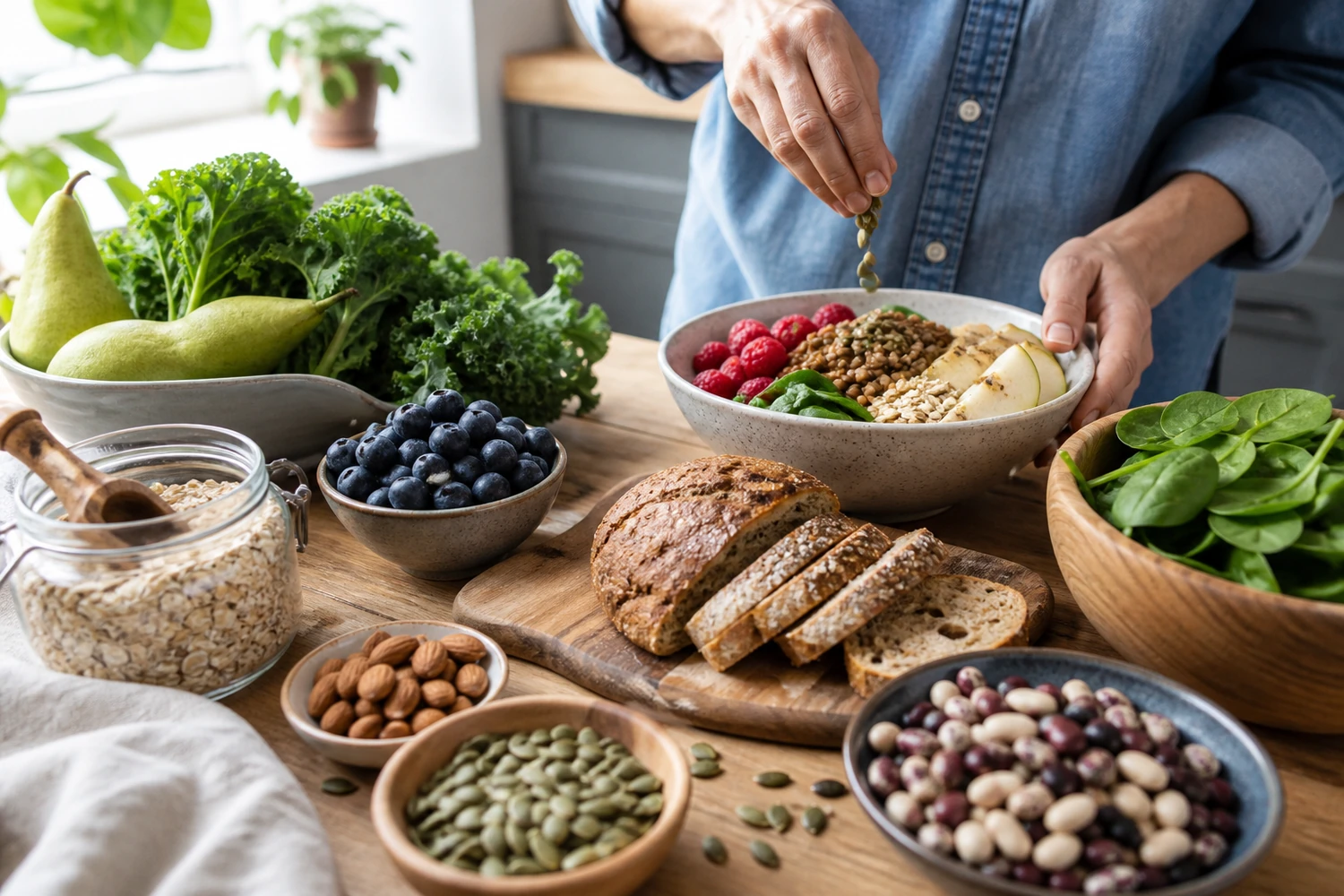
Many ultra-processed dietary patterns are low in intact whole grains, beans, vegetables, fruit and nuts—the foods that provide diverse fermentable fibers. When these foods are displaced, gut microbes receive a narrower set of substrates.
This may be more actionable than obsessing over processing categories. Increase whole plant foods gradually and use our dietary fiber guide to build tolerance.
What About Emulsifiers and Other Additives?
Some food additives have altered microbiome composition or intestinal barrier function in animal and laboratory studies. Human evidence is much more limited and additive-specific. It is inappropriate to assume every emulsifier, sweetener or preservative causes the same effect at typical dietary exposures.
This is an active research area. A cautious practical strategy is to emphasize whole and minimally processed foods most of the time without creating fear around every ingredient name.
Processing Is Not the Only Thing That Matters
Calories, protein, fiber, sodium, added sugar, saturated fat and micronutrients still matter. A frozen vegetable, canned bean or plain yogurt is processed but can be highly nutritious. Conversely, a homemade dessert can be high in sugar and calories even though it is not ultra-processed.
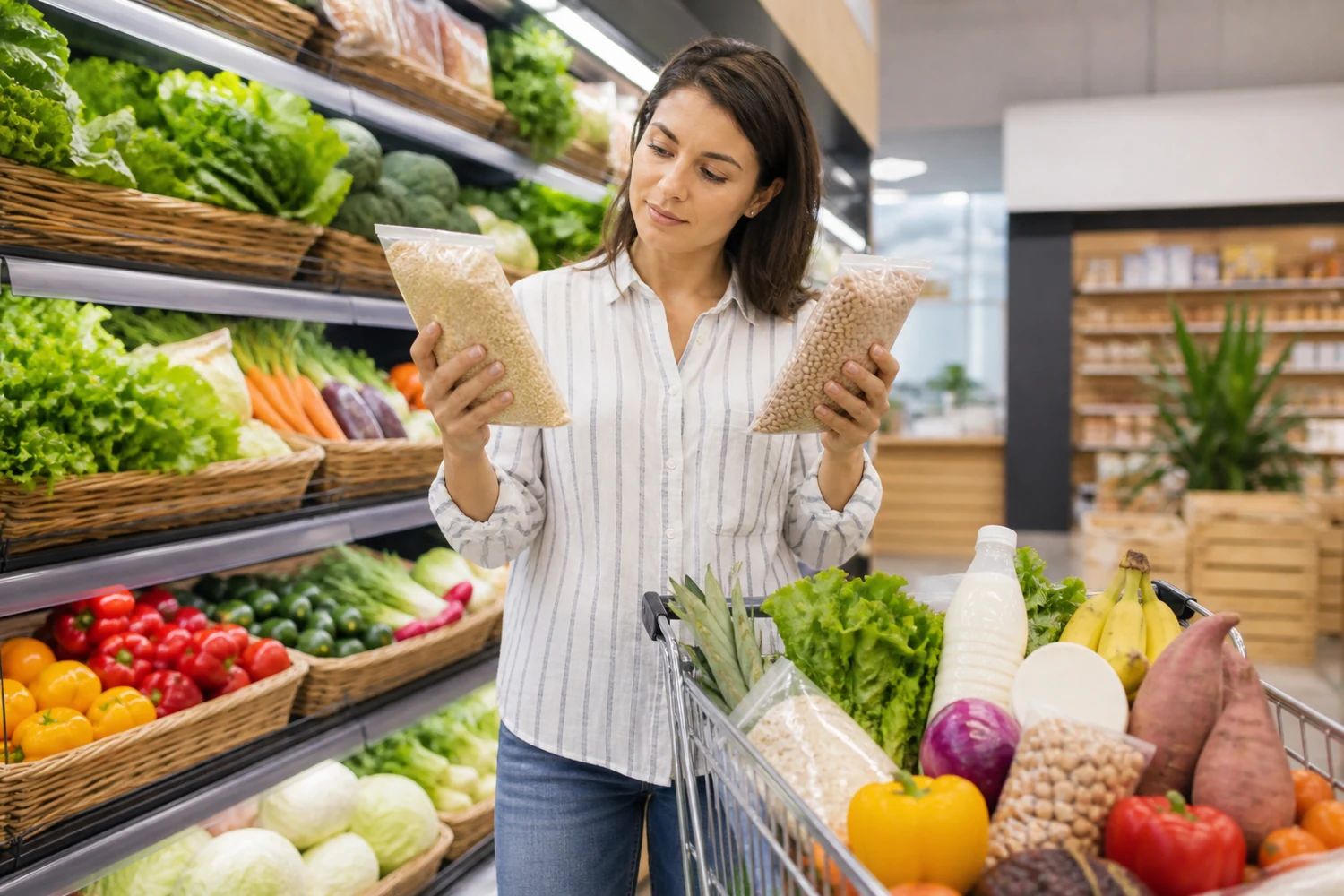
Use processing as one lens, not the only lens. Our healthy grocery shopping guide explains how to compare foods without turning the store into a list of forbidden products.
What Microbiome Research Can and Cannot Tell Us
Studies have reported associations between higher UPF intake and changes in microbial diversity, specific taxa or metabolites, but methods vary and the diet is difficult to isolate from lifestyle. The microbiome is also highly individual.
A stool test cannot currently tell you how many ultra-processed foods you can safely eat or which specific additive your microbes “dislike.” That type of personalization is not clinically validated.
Practical Swaps That Improve the Whole Diet
Instead of trying to remove every processed food, identify the foods that dominate your intake. Replace some sugary drinks with water or unsweetened drinks, add fruit or nuts in place of some snack foods, use beans or minimally processed protein at more meals, and keep frozen vegetables available for convenience.
These swaps increase fiber and nutrient density without demanding that every meal be cooked from scratch. For a simple structure, see How to Build a Balanced Plate.
Convenience Foods Can Still Fit
People use packaged foods because of time, cost, disability, work schedules and access. A realistic health plan should respect those constraints. Canned beans, frozen meals with balanced nutrition, pre-cut vegetables, whole-grain bread and yogurt can all make healthy eating easier.
The goal is not food purity. It is an overall pattern in which nutrient-dense foods are frequent enough to support health.
Avoid Fear-Based Microbiome Marketing
Claims that one ingredient “kills good bacteria” or that a detox can repair the microbiome oversimplify the science. Even when a study finds a microbial change, the clinical meaning may be uncertain.
If you want to understand how microbial diversity is actually interpreted, read Gut Microbiome Explained.
A Better Grocery Checklist
- Look for fiber-rich foods in most shopping trips.
- Compare added sugar, sodium and protein when choosing convenience foods.
- Keep easy whole-food options such as frozen vegetables, fruit, nuts and canned beans.
- Use packaged foods strategically instead of labeling them all harmful.
- Judge the weekly pattern, not one snack.
Limits of the Ultra-Processed Food Classification
NOVA is useful for research because it captures a pattern of industrial formulation, but individual foods within the category can differ greatly. Some high-fiber packaged cereals, plant-based products or breads may be classified as ultra-processed even when they provide useful nutrients. This creates debate about whether processing level, nutrient profile or both should guide advice.
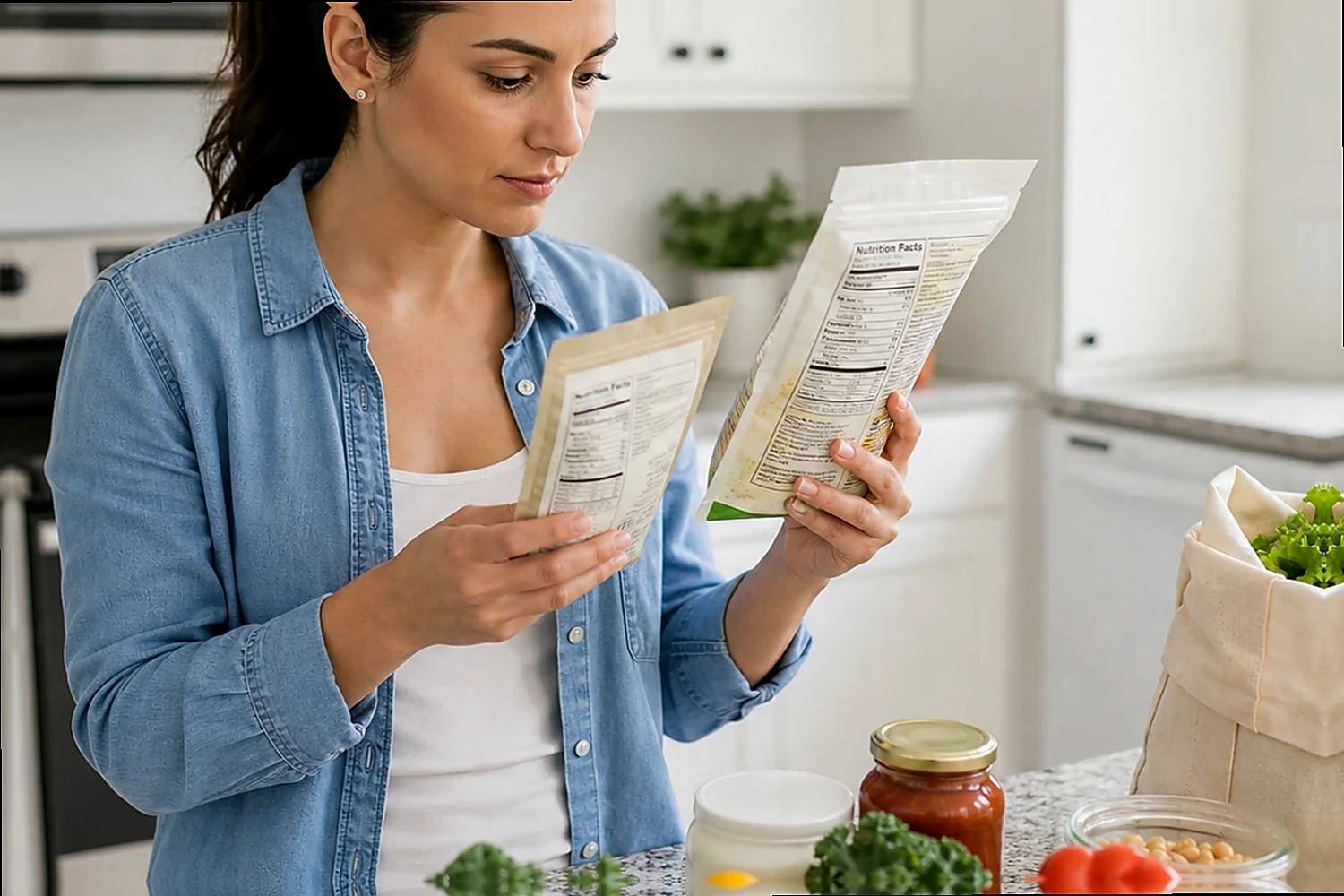
For consumers, the safest approach is to combine the processing lens with the nutrition label and ingredient list rather than treating one classification as a moral judgment.
Emulsifiers, Sweeteners and Microbiome Headlines
Animal studies have raised questions about certain emulsifiers and non-nutritive sweeteners, but human results are mixed and highly specific to the compound and dose. It is not scientifically accurate to say all additives damage the gut in the same way.
If a food contains several additives but also helps you meet nutrition needs, context matters. Research should inform gradual improvements, not turn ordinary grocery shopping into fear of chemical names.
Improving Diet Quality on a Budget
Reducing reliance on heavily refined convenience foods does not require expensive organic products. Oats, dried or canned beans, frozen vegetables, seasonal fruit, eggs, canned fish and store-brand whole grains can be affordable foundations. Batch cooking one or two staples can reduce dependence on takeout during busy weeks.
Convenience still matters. Combining a packaged entrée with frozen vegetables or adding fruit and yogurt to a quick breakfast can improve the overall meal without demanding all-or-nothing cooking.
Restaurant Food and Takeout Are Not Automatically Ultra-Processed
Processing categories can be hard to apply outside packaged foods because restaurant recipes are not always visible. A takeout meal may be made largely from basic ingredients or may rely on industrial sauces and components. Rather than trying to classify every meal perfectly, focus on practical features such as vegetables, whole grains, protein, portion size and sugary drinks.
This keeps the goal usable when traveling, working late or eating socially. One restaurant meal does not define the overall pattern.
Think About Frequency and Displacement
The main concern is often what frequent ultra-processed choices displace. If chips, sweets and sugary drinks routinely replace fruit, nuts, beans, whole grains and vegetables, the diet becomes lower in fiber and nutrient diversity. If a packaged food helps you assemble a balanced meal and does not crowd out everything else, the context is different.
Looking at the week rather than a single item can reduce food guilt and make changes more sustainable.
Making Changes in a Family Without Creating Food Fear
For families, replace rather than simply forbid. Keep convenient fruit, yogurt, nuts, whole-grain snacks, frozen vegetables and simple meal ingredients available so highly refined snacks are not the only quick option. Children and adults alike benefit from neutral language that focuses on frequency and variety instead of calling foods “toxic” or “clean.”
A flexible approach is more likely to last and less likely to create guilt around normal social eating.
The Goal Is Better Balance, Not Zero Processing
A sustainable diet can include packaged foods while still being rich in minimally processed staples. Improving the ratio matters more than trying to achieve a perfect zero-UPF score. That makes the plan more realistic for work, travel, family schedules and budget constraints.
Practical Takeaway
Ultra-processed dietary patterns are worth reducing when they crowd out fiber-rich, nutrient-dense foods, but the microbiome evidence is still developing. The most useful response is not fear of packaging—it is a gradual shift toward more whole plant foods, balanced meals and fewer heavily refined discretionary foods while keeping the plan affordable and realistic.
Frequently Asked Questions
That claim is too strong. Higher-UPF dietary patterns are associated with health and microbiome differences, but causality and mechanisms are still being studied.
No. Many nutritious foods are packaged or processed, including frozen vegetables, canned beans, yogurt and whole-grain products.
Some additives affect gut biology in experimental studies, but human evidence is limited and specific to the additive and dose.
Not necessarily. A realistic goal is to reduce foods that displace more nutritious options and improve the overall diet pattern.
Current consumer microbiome tests are not validated to provide that level of individualized clinical guidance.
Safety and Scope
People with eating disorders, severe food anxiety or medically prescribed diets should avoid rigid food rules and work with qualified professionals. This article does not recommend eliminating all packaged or processed foods.