Published by Best Fitness Routine. Editorial standards · Report a correction. Educational guidance; no individual clinical review is claimed unless a qualified reviewer is named.
Overview
The useful question is not simply whether stretching belongs before or after exercise. It is which type of movement best prepares you for the next task or develops the flexibility you want.
Warm-Up and Stretching Are Not the Same Thing
A warm-up gradually raises breathing, heart rate and tissue temperature while rehearsing the movements you are about to perform. Stretching focuses more directly on range of motion. A complete warm-up may contain mobility drills, but it should also include easy activity and task-specific practice.
Before a workout, begin with five to ten minutes of easier movement. The American Heart Association recommends a gradual warm-up and cool-down around aerobic or strengthening activity. For another practical perspective, read Health Benefits of Cycling: A Beginner’s Guide.
Use Dynamic Movement Before Training
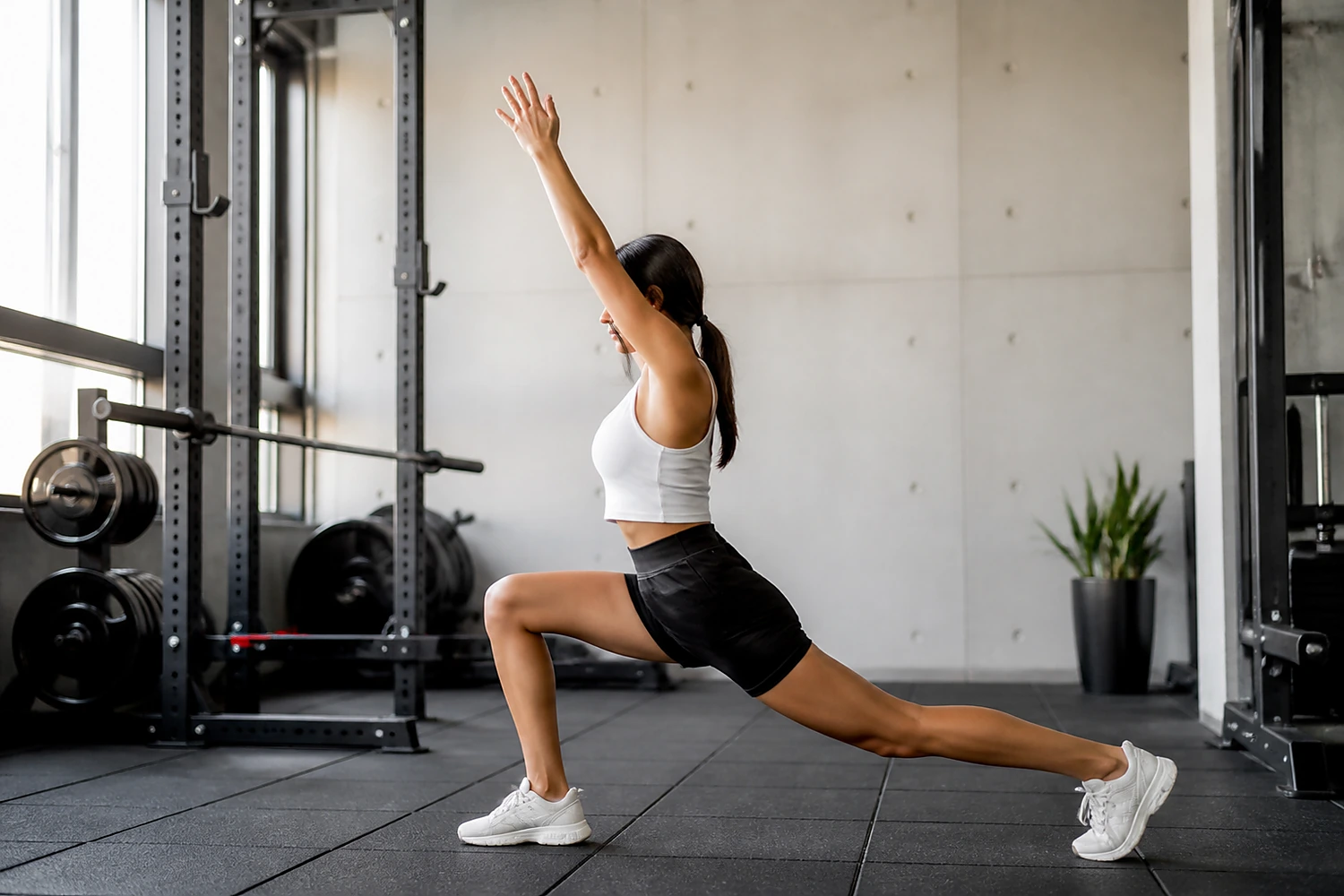
Dynamic movements travel through a controlled range instead of holding one end position for a long time. Examples include marching, arm circles, body-weight squats, hip hinges and easy lunges. Choose drills that match the workout rather than performing an unrelated routine.
Before lifting, add light practice sets of the actual exercise. Before running, progress from walking to easy jogging and a few controlled drills.
Where Static Stretching Fits
Static stretching holds a comfortable position, often for several seconds. It can be used after training or in a separate flexibility session when improving range of motion is the goal. It should create mild tension, not sharp pain, numbness or joint pressure.
You do not have to stretch every muscle after every workout. Prioritize ranges that matter to your activities and daily comfort. Our daily mobility routine provides a structured option.
A Practical Pre-Workout Sequence
Walk, cycle or row easily for three to five minutes. Perform controlled mobility for the ankles, hips, upper back or shoulders as relevant. Then practice the first exercise with a lighter load or easier pace. Increase effort in small steps.
This approach prepares the exact movement and gives you a chance to notice unusual pain or stiffness before the hard work begins.
A Practical Post-Workout Sequence
Reduce pace for several minutes so breathing and heart rate come down gradually. If flexibility is a goal, hold two or three relevant stretches at a comfortable intensity. Breathe normally and avoid bouncing.
Stretching may feel relaxing, but it does not guarantee that soreness will disappear. Sleep, overall training load and gradual progression remain important. See our active recovery guide.
When to Modify or Skip a Stretch
Do not force range around a recent injury, unstable joint, surgical restriction or nerve-like symptoms. People with hypermobility may need more control and strength rather than more passive range. If a stretch consistently causes pain, change the position or seek qualified assessment.
For beginners who need a complete session structure, our full-body beginner workout includes a gradual starting approach.
Match the Method to the Goal
| Goal | Best Starting Method | Example |
|---|---|---|
| Prepare for running | Easy movement plus dynamic drills | Walk, jog, leg swings |
| Prepare for lifting | General warm-up plus practice sets | Body-weight pattern, then lighter loads |
| Improve flexibility | Dedicated static stretching | Comfortable holds after training |
| Recover from sitting | Frequent movement breaks | Walk, reach and change position |
Errors That Make Stretching Less Useful
Random stretches can consume time without preparing the movements you need. Avoid bouncing into end range, forcing symmetry between injured and uninjured sides, or holding your breath. More range is not always better when control is missing.
Measure progress by a task that matters: a more comfortable squat depth, easier overhead reach or improved stride. If new range disappears immediately, combine mobility with strength in that range.
Why Range of Motion Can Change
Range of motion reflects joint structure, nervous-system tolerance, muscle and connective-tissue properties, temperature, pain and familiarity with the position. A temporary increase after warming up does not necessarily represent a permanent structural change. Lasting improvement usually requires repeated practice over time.
Do not compare flexibility with someone whose anatomy and training history are different. Choose ranges that improve the task you care about.
Warm-Up Examples for Different Activities
Before a walk or run, begin with easy walking, then add ankle movement, marching and short faster segments. Before a strength workout, use easy whole-body movement followed by lighter versions of the planned lifts. Before yoga, gradually explore the ranges that will appear in the session rather than forcing the deepest pose first.
Cold weather, older age, early-morning stiffness and high-intensity sessions may justify a longer progression. The warm-up is ready when movement feels coordinated and the first work set no longer feels abrupt. Keep your session notes in a workout logbook (paid link) so you can compare the activity and recovery discussed here.
Stretching Cannot Cancel an Entire Day of One Position
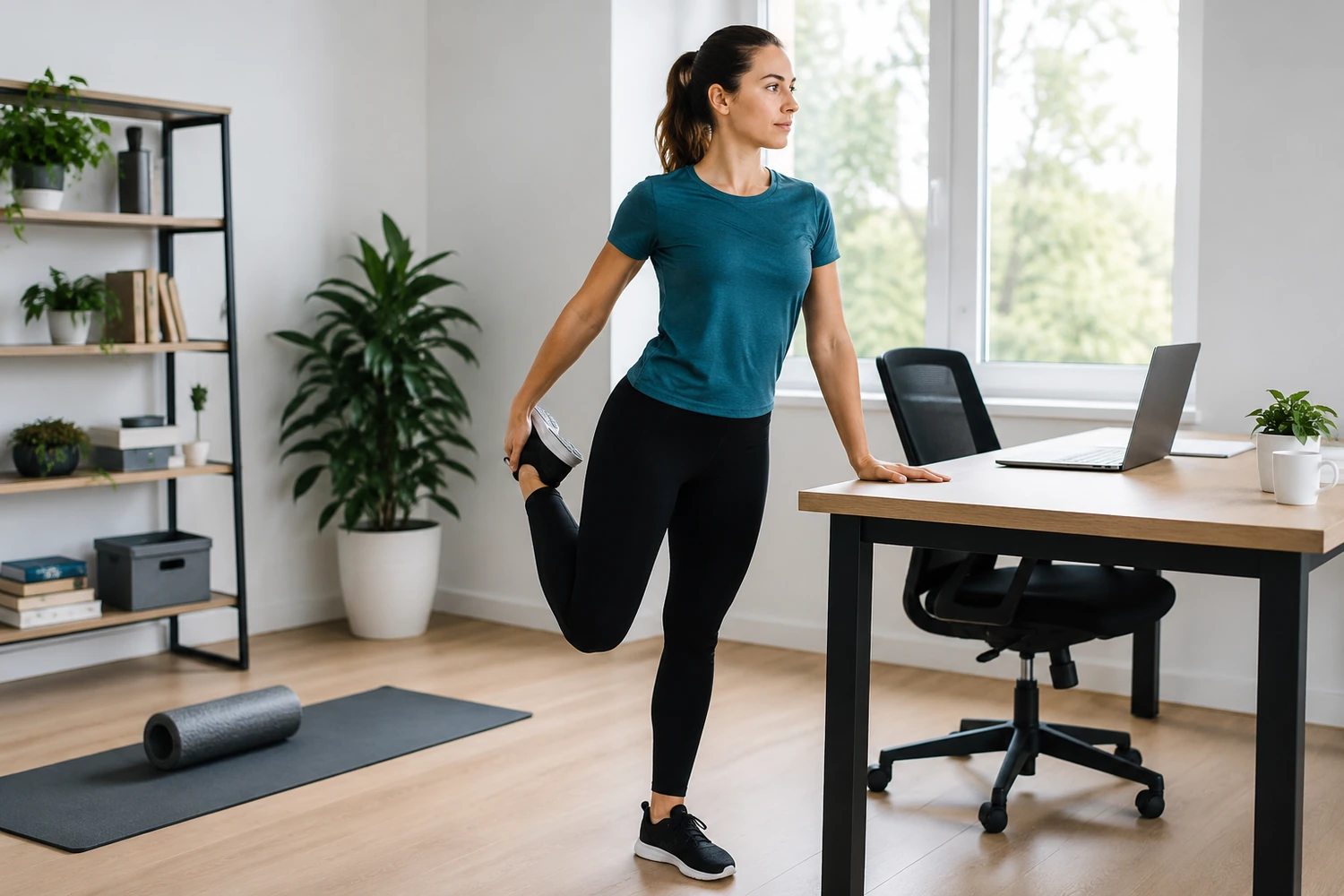
A brief stretch can feel helpful after sitting, but frequent position changes and movement breaks address the problem more directly. Stand, walk, reach and vary work setup during the day. Strengthening the upper back, hips and trunk may also make prolonged tasks more tolerable.
Posture does not need to be frozen in one “perfect” shape. A comfortable posture that changes regularly is often more practical than constant muscular tension.
A Four-Week Flexibility Experiment
Choose two measurable movements and practice them three times per week after warming up. During week one, learn comfortable positions. In week two, add a second controlled hold. In week three, strengthen the new range with slow active movement. In week four, retest under the same conditions.
If the targeted task does not improve, reassess whether flexibility is truly the limiting factor. Pain, technique or strength may need a different approach.
Choose a Comfortable Stretching Dose
Start with one or two controlled holds for the ranges you want to improve. A hold of roughly 10 to 30 seconds is a practical consumer starting point for many stretches, but comfort and purpose matter more than reaching an exact timer (paid link). Repeat the practice several days per week rather than forcing a large dose once.
Use steady breathing and reduce intensity if the muscle guards or the position becomes painful. People returning from an injury may need active range-of-motion or strengthening before longer passive holds. If you are already very flexible, prioritize control and strength near end range. The useful dose is the smallest amount that improves the targeted task without making the next workout worse.
Frequently Asked Questions
Use a general warm-up, controlled dynamic mobility and lighter practice sets. Long passive holds are not the main preparation for heavy lifting.
After exercise or in a separate session is often a convenient time for static flexibility work.
Five to ten minutes works for many sessions, but weather, age, intensity and individual needs can change that.
No. Stretching may feel good, but soreness is also influenced by workload, novelty, sleep and recovery.
No. Use mild, controlled tension and stop for sharp pain, numbness or joint symptoms.
How Often to Work on Flexibility
Flexibility changes through repeated exposure, so two to four brief sessions spread across the week may be easier to tolerate than one aggressive session. Use a range you can control and retest the movement that matters. If flexibility improves but the activity still feels limited, technique, strength, pain or confidence may be the real constraint. Treat stretching as one tool rather than the automatic solution to every movement problem.
Safety and Scope
This guide provides general educational health and fitness information. It does not diagnose a condition, replace medical care, or provide an individualized exercise prescription. Stop or modify activity that causes sharp, worsening or concerning symptoms and seek qualified guidance when appropriate.