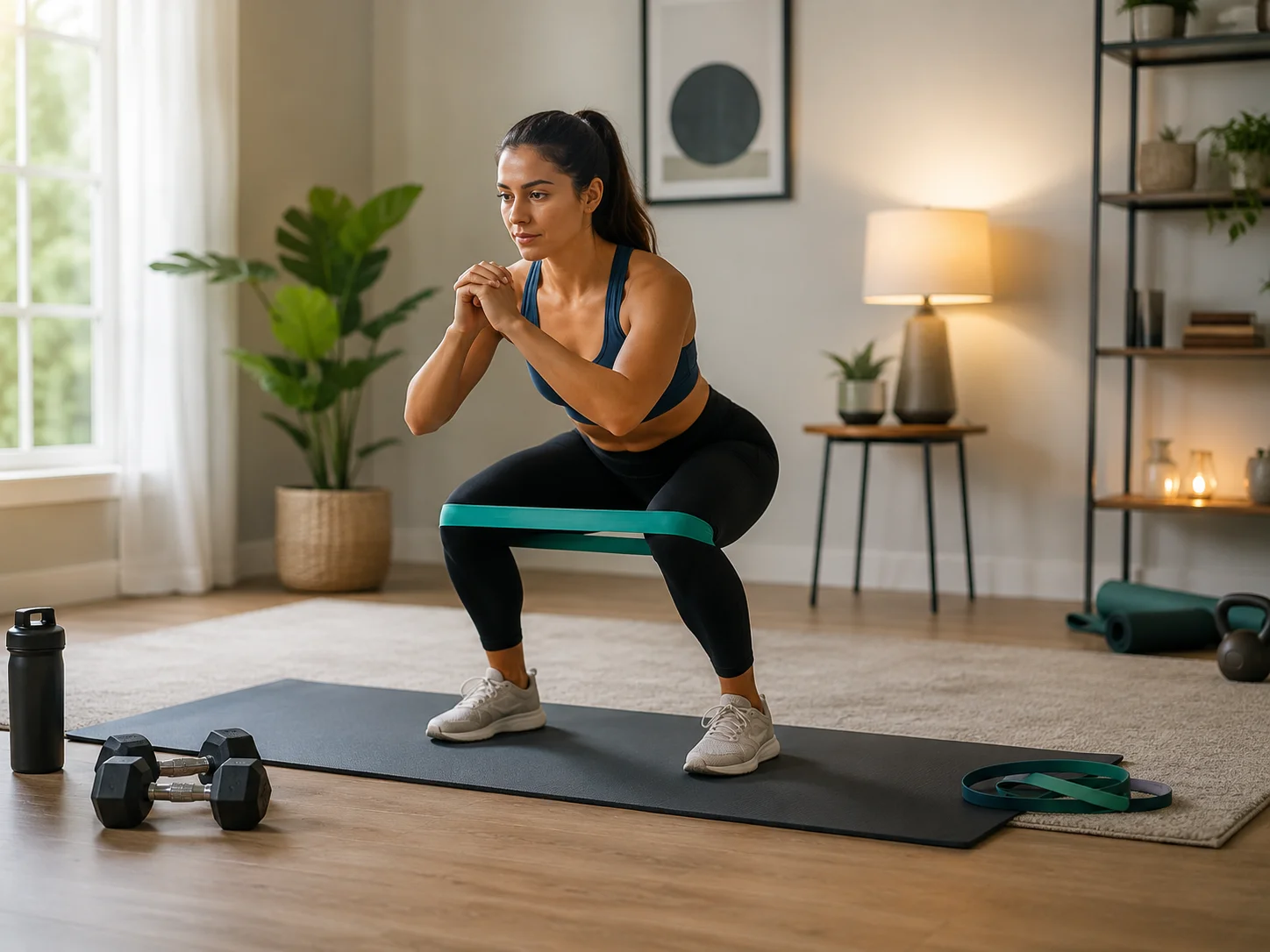
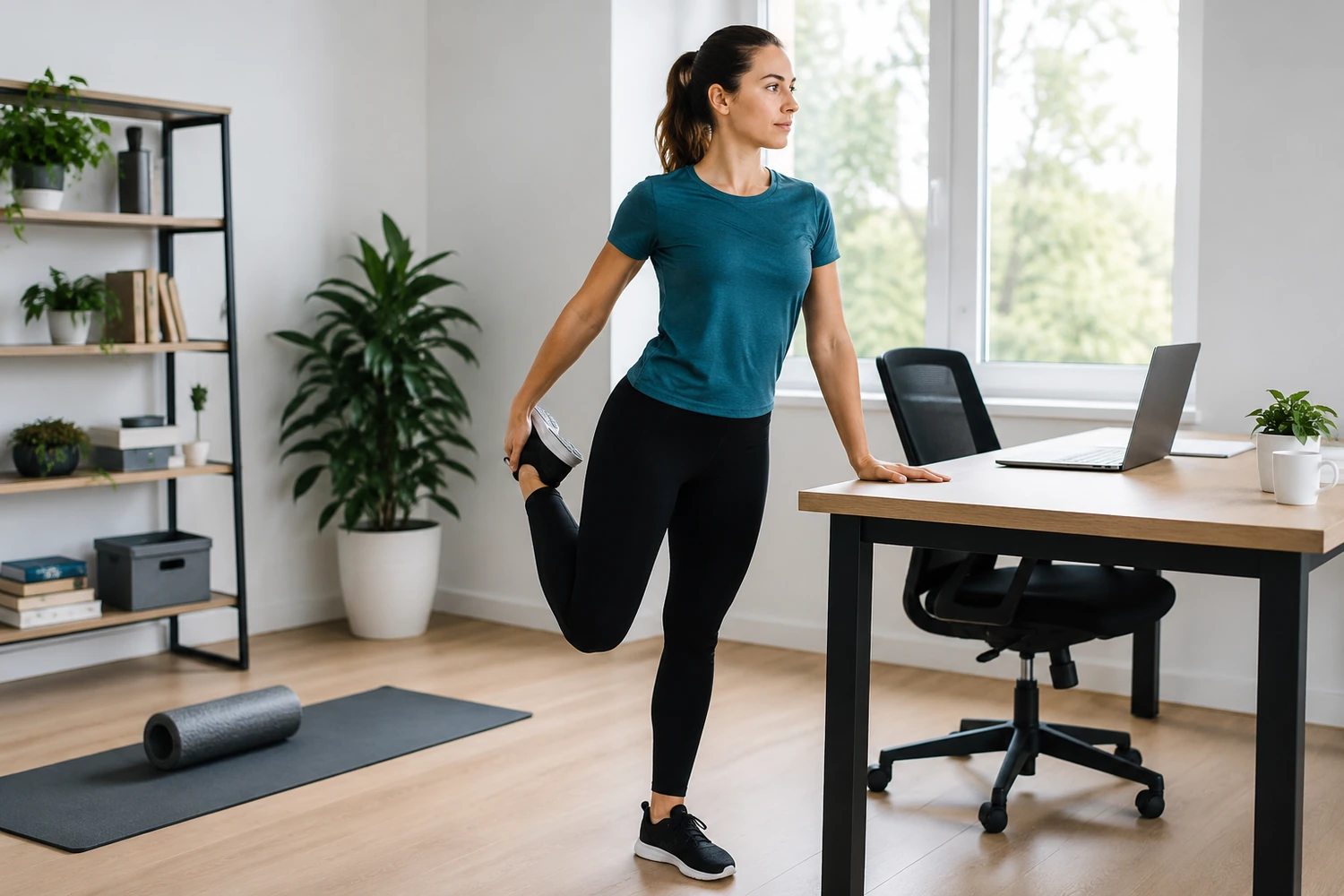
Desk Worker Mobility Workout Plan: Reduce Stiffness and Build Everyday Strength is designed for adults who spend long hours sitting. The goal is to reduce stiffness and improve everyday strength through a schedule that can be repeated in real life. For the desk worker mobility workout plan, rather than chasing a perfect week, this guide explains how to choose the right exercises, organize training, progress gradually, and adjust when work, travel, soreness, or limited equipment changes the plan.
For the desk worker mobility workout plan, your Best Fitness Routine should match your current level and available time. For the desk worker mobility workout plan, this article can be used as a starting framework for a custom workout plan or personalized workout plan. It includes practical home workout plan and gym workout routine options where relevant, while keeping the primary search intent focused on desk worker mobility workout plan.
Why Sitting Changes Movement Quality
why sitting changes movement quality matters because it determines whether the plan can be repeated under normal life conditions. For adults who spend long hours sitting, the goal is not to create the hardest possible week. It is to choose a level of challenge that improves reduce stiffness and improve everyday strength while leaving enough energy for work, family, sleep, and the next session. For the desk worker mobility workout plan, this is where the Best Fitness Routine idea becomes practical: the routine must fit the person instead of forcing the person to fit an unrealistic routine. For a useful comparison, see our Beginner Workout Plan.
For the desk worker mobility workout plan, choose equipment that supports a stable setup and a repeatable range of motion. For the desk worker mobility workout plan, use the simplest tool that creates a controlled challenge for the intended muscles. For smoother desk worker mobility workout plan sessions, record machine settings or band positions so the next workout starts efficiently.
A Five-Minute Desk Reset
When equipment is unavailable during the desk worker mobility workout plan, replace the movement pattern rather than abandoning the session.
While following the desk worker mobility workout plan, progress only one training variable at a time so the response remains easy to evaluate. Within the desk worker mobility workout plan approach, treat better technique or a fuller comfortable range as valid progress when adding weight is not appropriate.
Hip And Upper-Back Mobility
After a disrupted week, return to the desk worker mobility workout plan with a manageable workload instead of trying to repay missed sessions. During the desk worker mobility workout plan, reduce sets or intensity when several recovery signals worsen together. For the desk worker mobility workout plan, during the next planning block, keep the version that can be repeated with clear technique and reliable recovery.
For the desk worker mobility workout plan, at the next progress check, keep the version that can be repeated with clear technique and reliable recovery.
For this part of the plan, practical options include band row, split squat to chair, glute bridge. For the desk worker mobility workout plan, choose the version that allows a smooth start, a controlled middle, and a stable finish. For the desk worker mobility workout plan, the purpose is to improve reduce stiffness and improve everyday strength, not to force a predetermined exercise. For the desk worker mobility workout plan, record how the movement felt, then repeat the same setup long enough to make a fair comparison. For the desk worker mobility workout plan, when the final repetitions remain technically sound, use the progression rule described later in the guide.
Posture-Friendly Strength Training
For the desk worker mobility workout plan, stop the set when posture, breathing, or joint position changes noticeably. For the desk worker mobility workout plan, use a range that remains controlled from the first repetition to the last. For the desk worker mobility workout plan, at the next weekly review, keep the version that can be repeated with clear technique and reliable recovery.
For this part of the plan, practical options include split squat to chair, glute bridge, dead bug.
A Three-Day Weekly Schedule
For the desk worker mobility workout plan, at the end of the training week, keep the version that can be repeated with clear technique and reliable recovery. For the desk worker mobility workout plan, if you want another way to structure the same goal, compare this approach with our Home Workout Plan.
When evaluating nutrition around the desk worker mobility workout plan, judge the full weekly pattern rather than treating one meal as decisive. To support the desk worker mobility workout plan, avoid aggressive food restriction that makes planned sessions harder to complete consistently.
For this part of the plan, practical options include glute bridge, dead bug, thoracic rotation.
Sample Weekly Plan
When scheduling the desk worker mobility workout plan, place demanding sessions where sleep and preparation are usually most reliable. In the desk worker mobility workout plan week, separate sessions that directly support the goal from optional work that can be shortened.
| Day / Block | Focus | Plan | Time |
|---|---|---|---|
| Monday | Full-body strength | Chair squat, wall push-up, band row, dead bug | 30–35 min |
| Tuesday | Mobility breaks | Five-minute reset every 2–3 hours | 15–20 min total |
| Wednesday | Walk + mobility | Brisk walk and hip/upper-back sequence | 30 min |
| Thursday | Full-body strength | Split squat, incline push-up, row, bridge | 30–35 min |
| Friday | Movement snacks | Stairs, calf raises, shoulder circles | 10–15 min total |
| Saturday | Strength + longer walk | Repeat key lifts, then comfortable walk | 40–50 min |
| Sunday | Recovery | Easy mobility and normal daily movement | 15–20 min |
Exercise Guide
| Exercise | Sets | Target | Effort Guide |
|---|---|---|---|
| Chair Squat | 2–4 sets | 6–15 controlled reps or 20–40 seconds | Stop with about 2 good reps available |
| Wall Push-Up | 2–4 sets | 6–15 controlled reps or 20–40 seconds | Stop with about 2 good reps available |
| Band Row | 2–4 sets | 6–15 controlled reps or 20–40 seconds | Stop with about 2 good reps available |
| Split Squat To Chair | 2–4 sets | 6–15 controlled reps or 20–40 seconds | Stop with about 2 good reps available |
| Glute Bridge | 2–4 sets | 6–15 controlled reps or 20–40 seconds | Stop with about 2 good reps available |
| Dead Bug | 2–4 sets | 6–15 controlled reps or 20–40 seconds | Stop with about 2 good reps available |
| Thoracic Rotation | 2–4 sets | 6–15 controlled reps or 20–40 seconds | Stop with about 2 good reps available |
| Hip-Flexor Stretch | 2–4 sets | 6–15 controlled reps or 20–40 seconds | Stop with about 2 good reps available |
How To Set Up An Ergonomic Movement Routine
Alongside the desk worker mobility workout plan, include practical protein sources, produce, and carbohydrate portions that suit activity and appetite. For the desk worker mobility workout plan, when the routine is repeated, keep the version that can be repeated with clear technique and reliable recovery.
For the desk worker mobility workout plan, distinguish normal muscular effort from sharp, worsening, or unusual symptoms. For the desk worker mobility workout plan, stop and seek qualified assessment when symptoms persist, spread, or affect normal daily movement.
For this part of the plan, practical options include dead bug, thoracic rotation, hip-flexor stretch.
Progression Without Adding Long Workouts
Before increasing the desk worker mobility workout plan workload, review sleep, soreness, stress, and recent training demand.
In the desk worker mobility workout plan schedule, use an easier day to maintain movement without adding fatigue before the next priority session.
For this part of the plan, practical options include thoracic rotation, hip-flexor stretch.
Pain Signals And Safe Modifications
For the desk worker mobility workout plan, practice the movement with a lighter load before adding resistance.
For the desk worker mobility workout plan, when adjusting your weekly plan, you can also use the Best Workout Routine for Weight Loss as a practical reference.
Sleep, Walking, And Recovery
To support the desk worker mobility workout plan, match food intake to the training goal while keeping meals regular enough for performance.
For the desk worker mobility workout plan, use a minimum version of the workout on low-motivation days so the routine does not depend on enthusiasm. For the desk worker mobility workout plan, reduce the number of decisions required before the session by preparing the first exercise in advance.
How To Maintain The Plan During Busy Weeks
Before advancing the desk worker mobility workout plan, complete two controlled sessions and then make one small increase.
Four-Week Implementation Roadmap
Week 1 — Learn the structure: For the desk worker mobility workout plan, complete the easiest version of the plan and leave extra repetitions available. Focus on setup, breathing, and a schedule that fits home, office, or gym. For the desk worker mobility workout plan, the first week is a rehearsal, not a fitness test.
To measure progress in the desk worker mobility workout plan, keep the same core movement long enough to compare repetitions, load, range, and effort.
For the desk worker mobility workout plan, for more closely related training ideas, browse our beginner workout guides.
Frequently Asked Questions
Mobility can make comfortable positions easier, but posture also depends on strength, work setup, movement variety, and how long you stay in one position.
A short change of position every 30 to 60 minutes is a practical target. The exact interval matters less than avoiding several uninterrupted hours.
No. A chair, wall, and optional resistance band are enough for most of the plan.
Persistent or radiating pain should be assessed by a qualified clinician. Use only comfortable movements and avoid forcing painful ranges.
Many people notice that frequent movement feels better within days, while strength and durable mobility usually require several consistent weeks.
Walking is valuable, but adding basic strength and mobility work covers movement qualities that walking alone may not train.
Use brief dynamic mobility before training and save longer relaxed stretches for after the session or a separate recovery period.
Safety and Scope
This article provides general educational fitness information and is not a medical diagnosis or individualized treatment plan. People with significant health conditions, recent surgery, pregnancy-related concerns, or persistent pain should obtain appropriate professional guidance. Stop any exercise that causes sharp, worsening, or unusual symptoms.
Evidence-Based Resources
For related joint, tendon and recovery guidance, see neck pain; tennis elbow.