Why GLP-1 Treatment Can Change Hydration Habits
Food contributes water, and meals often cue people to drink. When meal frequency and portion size shrink, those cues can disappear. Gastrointestinal side effects can add another challenge: vomiting or diarrhea can increase fluid and electrolyte losses, while nausea may make large drinks uncomfortable.
Hydration is therefore a behavior to plan, not an afterthought. The joint GLP-1 nutrition advisory recommends ongoing attention to dietary intake and hydration during therapy.
Sip Steadily Instead of Chugging
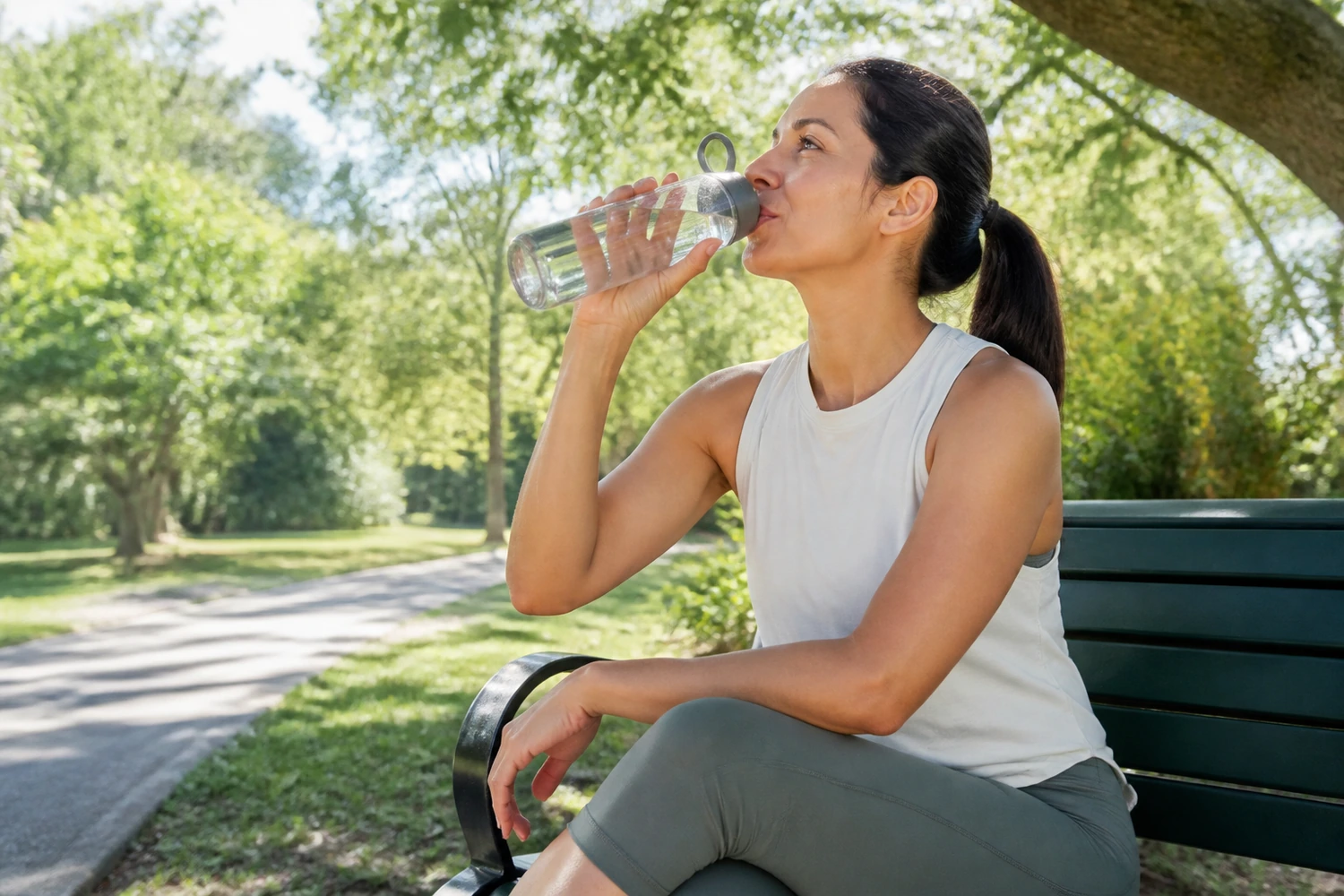
A large bottle consumed all at once may worsen fullness. Smaller amounts spread through the day are often more comfortable. Keep a cup or bottle where you work, pair a drink with medications or meals, and take a few sips whenever you move between tasks.
There is no universal “perfect” water number. Body size, climate, exercise, pregnancy, kidney function, heart conditions and medications all affect needs.
Use Practical Clues That You May Need More Fluid
Thirst, dry mouth, darker urine, less frequent urination, headache, unusual fatigue or lightheadedness can be clues of inadequate intake, although none is perfectly specific. Older adults may have a weaker thirst response, so routine drinking can be more useful than waiting for strong thirst.
If dizziness is severe, you are fainting, or you cannot keep fluids down, seek medical advice rather than trying to fix the problem with a bigger water bottle.
Let Food Contribute to Hydration Too
Soup, yogurt, milk, fruit, cooked vegetables and other water-rich foods contribute fluid and may be easier to tolerate than plain water for some people. Choose options that fit your medical needs and overall nutrition plan.
A balanced meal also supplies sodium, potassium and other nutrients. People with kidney disease, heart failure or other conditions should not use electrolyte products or high-fluid plans without individualized guidance.
Plan Extra Attention Around Exercise
Exercise increases fluid loss through sweat. Start sessions reasonably hydrated, bring water and replace what you lose over the hours after training. Long or hot sessions may need a different strategy than a short indoor strength workout.
Our healthy hydration guide explains how exercise, heat and everyday habits change fluid needs.
Vomiting and Diarrhea Change the Situation
Repeated vomiting or diarrhea can dehydrate you quickly and may disturb electrolytes. Small frequent sips may be easier than large drinks, but persistent symptoms are a medical issue, not simply a hydration-planning issue. Contact the prescribing clinician for guidance.
Severe abdominal pain, inability to keep fluids down, confusion, fainting or very low urine output warrants prompt evaluation.
Coffee and Tea Can Fit, but Watch Tolerance
Caffeinated beverages still contribute fluid, but high caffeine intake can worsen jitteriness, reflux or sleep in some people. If coffee suppresses an already low appetite or replaces water all day, scale it back. Unsweetened tea, sparkling water and flavored water can add variety.
Alcohol deserves extra caution because it can worsen dehydration, gastrointestinal symptoms and judgment around medication use.
Build a Hydration Routine You Can See
Use visible cues: fill a bottle in the morning, place a glass at your desk, keep water in the car and drink with each small meal. If you prefer tracking, use it as a reminder rather than an obsession. The goal is consistent intake and normal function, not winning a hydration challenge.
Pair the routine with our beginner meal-planning guide so food and fluid habits support each other.
Common Hydration Mistakes on GLP-1
Do not wait until bedtime to “catch up,” force gallons because an influencer said so, or assume every headache is dehydration. Another mistake is using electrolyte powders routinely without considering sodium, sugar, kidney function or other medical needs.
Hydration should be individualized and symptom-aware.
A Three-Day Hydration Check
For three days, note how often you drink, urine color, exercise, weather and any gastrointestinal symptoms. Add simple cues where gaps appear. If you still feel persistently dizzy, unusually weak or unable to maintain normal urination, contact a clinician.
The point of tracking is to identify patterns, not to create anxiety.
Electrolytes Are Situational, Not Automatically Better Than Water
Most everyday hydration can come from water and normal food. Electrolyte drinks may be useful during prolonged sweating, vomiting or diarrhea, but they vary widely in sodium, sugar and other ingredients. People with kidney disease, heart failure or blood-pressure concerns should ask a clinician before using them routinely.
Do not assume cramps or fatigue automatically mean you need an electrolyte powder. Those symptoms have many possible causes.
Hydration and Constipation Work Together With Fiber
Constipation can become worse when fiber increases but fluid intake remains low. Add fiber gradually and keep fluids consistent. Movement also helps bowel regularity. If constipation is severe, painful or persistent, discuss it with the treatment team rather than repeatedly escalating fiber supplements.
A comfortable bowel routine is a useful sign that food, fluid and activity are reasonably balanced.
Travel Requires More Planning Than Normal
Flights, long drives and hot destinations can disrupt normal drinking cues. Carry an empty bottle through airport security, refill it, and keep a drink accessible in the car. Bring simple foods that contribute fluid and nutrition, such as fruit or yogurt when practical.
If you develop significant vomiting or diarrhea while traveling, know where you can obtain medical care rather than trying to push through the trip dehydrated.
Older Adults Should Be Especially Intentional
Thirst sensation can become less reliable with age, while blood-pressure medicines, diuretics and kidney issues can complicate hydration advice. Older adults using GLP-1 treatment should report persistent dizziness, falls or confusion rather than assuming they simply need more water.
Hydration targets may need to be individualized around medical conditions.
Avoid Hydration Myths
Clear urine all day is not a necessary goal, and more water is not always better. Excessive fluid intake can also be harmful. The best routine maintains normal thirst, urination, energy and exercise tolerance without forcing huge volumes.
Use symptoms and medical context, not social-media gallon challenges, to guide the plan.
Other Medications Can Change Hydration and Dizziness
Blood-pressure medicines, diuretics and glucose-lowering treatments can interact with changes in food intake, body weight and fluid balance. If you develop new lightheadedness or low blood-pressure readings, report them rather than assuming you should simply drink more.
As weight changes, clinicians may need to review other prescriptions. Never alter them independently.
A Simple Hydration Day Without Constant Tracking
Drink a glass or small cup in the morning, keep fluid visible during work, sip between meals, drink around exercise and include water-rich foods. That routine may be enough for many people without counting ounces all day.
Use more structured tracking only if you repeatedly forget to drink or a clinician has given you a specific target.
Coordinate Food and Fluid Instead of Treating Them Separately
Hydration is easier when it is built into normal eating: fruit at breakfast, soup at lunch, water between meals and a drink around exercise. If large drinks make meals uncomfortable, shift more fluid between eating opportunities. This coordination helps you meet both nutrition and fluid needs without making either one feel like a separate full-time task.
Frequently Asked Questions
There is no single amount for everyone. Needs vary with body size, climate, exercise, diet and medical conditions.
Dehydration can occur if intake falls or if vomiting, diarrhea or other fluid losses are significant.
Not routinely. They may be useful in some situations, but people with medical conditions should ask a clinician before using high-sodium or electrolyte products regularly.
Yes, caffeinated beverages contribute fluid, but very high caffeine intake may worsen some symptoms or sleep.
Fainting, confusion, inability to keep fluids down, very low urine output or severe ongoing symptoms deserve prompt medical evaluation.
Safety and Scope
This article is general education, not individualized medical advice. GLP-1 and related weight-management medicines are prescription treatments. Do not start, stop, change dose, change injection frequency or use compounded or unapproved products without appropriate medical guidance. Persistent vomiting, inability to maintain fluids, severe abdominal pain, fainting, chest pain, severe weakness or other concerning symptoms require prompt medical assessment.