What Fermentation Actually Means
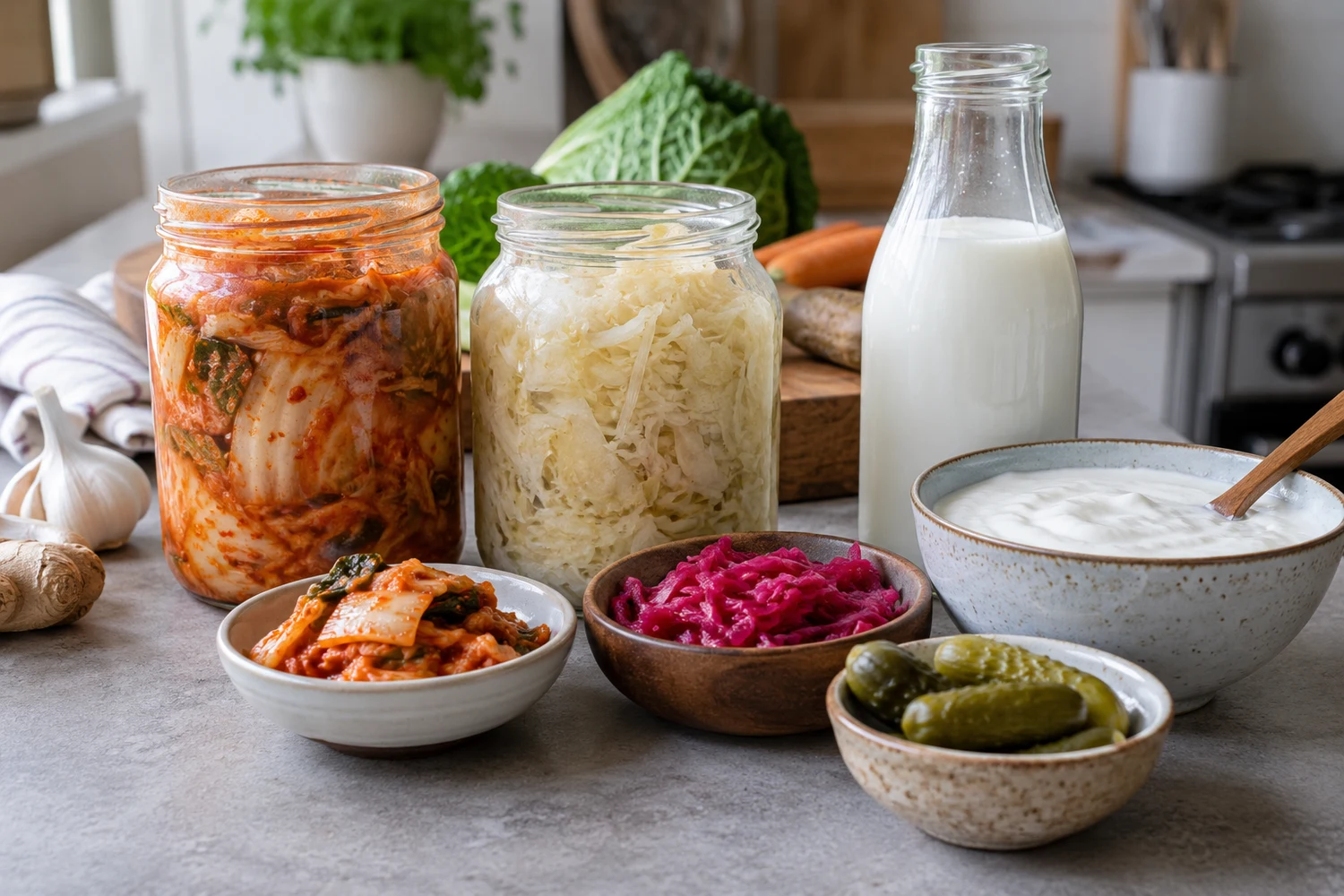
Fermentation is a process in which microorganisms such as bacteria or yeasts convert carbohydrates into acids, gases, alcohols or other compounds. Humans have used it for centuries to make foods safer, more stable or more flavorful. Yogurt, kefir, kimchi, sauerkraut, tempeh and many traditional foods rely on different fermentation processes.
Fermented does not automatically mean probiotic. A food may be heated after fermentation, filtered, pasteurized or produced with organisms that have not been shown to provide a health benefit in the amount eaten.
Yogurt: The Most Familiar Starting Point
Yogurt is made by fermenting milk with specific bacterial cultures. Products that retain live and active cultures can provide live microorganisms along with protein, calcium and other nutrients. Plain or lower-sugar options make it easier to use yogurt in both sweet and savory meals.
If lactose is an issue, some people tolerate yogurt better than milk because bacterial fermentation reduces some lactose, but tolerance is individual. Lactose-free yogurts and non-dairy cultured products are alternatives, though nutrient profiles vary.
Kefir and Other Cultured Drinks
Kefir is a fermented milk drink that may contain a broader mixture of bacteria and yeasts than standard yogurt. It can be used as a drink, blended into smoothies or poured over oats. Check the label for added sugar, serving size and whether the product is heat-treated after culturing.
A cultured drink is not automatically a treatment for constipation, IBS or infection. If symptoms are persistent, use food as part of an eating pattern and follow medical advice rather than substituting kefir for evaluation.
Kimchi, Sauerkraut and Fermented Vegetables
Fermented vegetables can contribute flavor and plant diversity. Kimchi often includes cabbage, radish, garlic, ginger and chili; sauerkraut is typically fermented cabbage. These foods may contain live lactic-acid bacteria when unpasteurized, but commercial processing differs widely.
Salt can be relatively high, so portion size matters for people managing blood pressure or sodium intake. Spicy or acidic fermented foods can also aggravate reflux in some people. Our GERD and acid reflux guide explains common dietary triggers without labeling them universally “bad.”
What Does the Research Say?
Human studies suggest fermented foods can influence the gut microbiome and immune-related markers, but results vary by food, dose and study design. A well-known feeding trial found that a high-fermented-food diet increased microbiota diversity and changed inflammatory markers, while more recent reviews continue to note that the evidence is promising but heterogeneous.
That means fermented foods are reasonable additions to a healthy diet, not proven cures. The larger diet still matters. A daily yogurt does not erase the effects of consistently low fiber or poor overall nutrition.
How to Add Fermented Foods Without Overdoing It
Start with ordinary portions: a small yogurt, a glass of kefir, or a few forkfuls of fermented vegetables. Add one new item at a time if you have a sensitive digestive system. This makes it easier to identify whether symptoms come from lactose, acidity, spice, histamine, fermentable carbohydrates or simply a large serving.
Pair fermented foods with plant foods that provide fiber. Yogurt with oats and berries, or kimchi with brown rice and vegetables, is more nutritionally complete than treating fermented food as a stand-alone remedy. See Probiotics vs Prebiotics for the food-pairing logic.
How to Read the Label
For yogurt and kefir, look for live cultures and check sugar content. For fermented vegetables, refrigeration and wording such as “unpasteurized” may indicate live cultures, although labeling practices vary. Shelf-stable pickles made primarily with vinegar are not the same as traditionally fermented vegetables.
Do not judge quality only by the number of microbes claimed. Food safety, taste, sodium, sugar and overall nutrient value are just as relevant.
Who May Need to Be More Careful
People with severe immune suppression or complex medical conditions should ask their healthcare team about unpasteurized products. Pregnant people should follow food-safety guidance regarding unpasteurized dairy and other higher-risk foods. Anyone with histamine intolerance concerns or significant gastrointestinal disease may also need individualized advice.
If fermented foods repeatedly trigger pain, diarrhea, reflux or significant bloating, stop forcing them. A healthy diet does not require one specific food.
Simple Ways to Use Fermented Foods
Use plain yogurt as a breakfast base or sauce, kefir in a smoothie, kimchi as a small side dish, or sauerkraut with a grain-and-protein meal. The goal is not maximum fermentation; it is variety and enjoyment.
For a broader meal structure, our balanced plate guide helps combine vegetables, protein, whole-food carbohydrates and fats without creating complicated rules.
Common Mistakes
Do not assume every pickle is probiotic, every yogurt is low in sugar, or every fermented food is appropriate in unlimited portions. Avoid escalating servings quickly because someone online claims more fermentation equals better gut health.
Also avoid treating a new digestive symptom with fermented foods before considering medical causes. Persistent diarrhea, bleeding, weight loss or severe pain deserves evaluation.
Sugar, Sodium and the Rest of the Nutrition Label
Fermented foods can be nutritious and still contain ingredients worth checking. Flavored yogurts and kefirs may contain substantial added sugar, while kimchi, sauerkraut and pickled vegetables can be high in sodium. Neither issue automatically makes the food unhealthy, but it changes how the food fits into the day.
People managing high blood pressure may prefer smaller portions of salty fermented vegetables or compare brands. People reducing added sugar can choose plain yogurt and add fruit for sweetness. The useful question is not “Is this fermented?” but “How does this food fit my overall nutrition needs?”
Home Fermentation and Food Safety
Home fermentation can be enjoyable, but it requires attention to clean equipment, correct salt concentrations, temperature and storage. Mold, unusual odors, bulging containers or uncertain preparation are reasons to discard a batch rather than taste-test it. Fermentation is not the same as leaving food at room temperature without a controlled process.
People who are pregnant, severely immunocompromised or medically vulnerable should be especially cautious with unpasteurized or home-fermented products and follow local food-safety advice.
Fermented Food Variety Without Overconsumption
There is no evidence that eating the largest possible number of fermented foods each day is necessary. Rotating a few tolerated options can provide variety without making every meal acidic, salty or dairy-heavy. One day might include yogurt, another kefir, and another a small side of kimchi or sauerkraut.
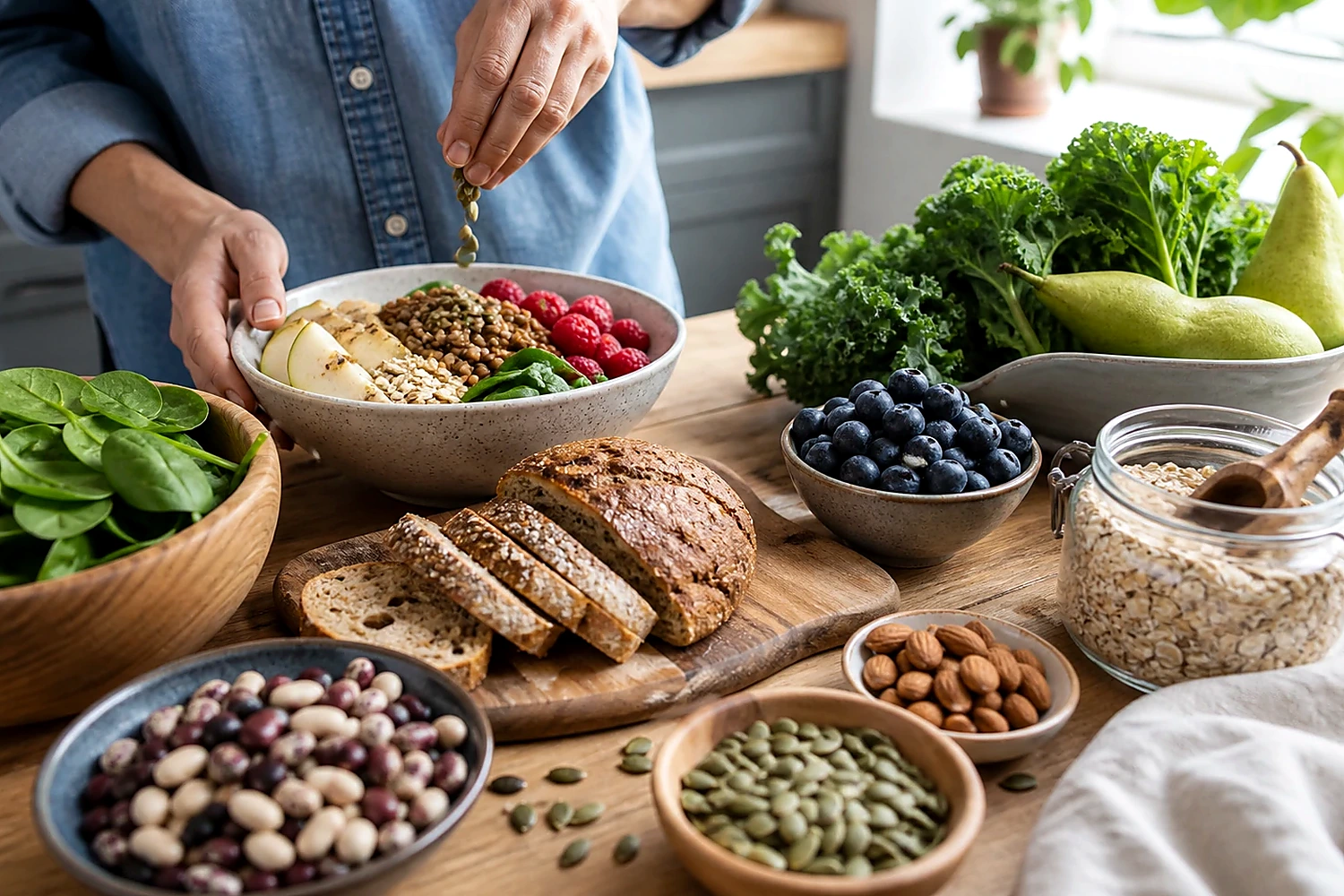
This also leaves room for the non-fermented foods that feed resident microbes—beans, oats, vegetables, fruit, nuts and whole grains. Fermentation is one part of gut-friendly eating, not the whole plan.
Fermented Is Not the Same as Pickled
Pickling can mean preserving food in an acidic liquid such as vinegar, while fermentation creates acidity through microbial activity. A jar of vinegar pickles can be delicious and nutritious but may contain no live cultures. A traditionally fermented cucumber or cabbage product may contain live microbes if it has not been heat-treated afterward.
This distinction is useful when you specifically want live cultures, but it does not make vinegar-pickled foods inferior. Choose foods for taste, nutrition and tolerance first, then treat live microbes as one additional feature.
What If You Do Not Eat Dairy?
You do not need dairy to include fermented foods. Fermented vegetables, tempeh, miso and some cultured plant-based products can fit, although heating and processing may reduce live organisms. Plant-based yogurts also vary widely in protein, calcium, vitamin D and added sugar.
If dairy-free yogurt is a regular food, compare the nutrition label rather than assuming all alternatives match dairy yogurt nutritionally. Fortified products may be useful, especially when dairy is excluded long term.
Practical Takeaway
Fermented foods can be a useful and enjoyable part of a gut-friendly eating pattern. Choose products you tolerate, look for live cultures when that is your goal, keep sugar and sodium in context, and pair fermented foods with the fiber-rich foods that nourish your existing microbiome.
Frequently Asked Questions
Some traditionally fermented pickles contain live cultures, but vinegar-pickled or heat-treated products may not.
Yes. Greek yogurt is fermented yogurt that has been strained; whether live cultures remain depends on the product.
Kimchi is fermented, but live microbial content varies with preparation, storage and processing.
Yes. Some people react to lactose, fermentable carbohydrates, spice, acidity or simply a large serving.
There is no universal required amount. Start with normal food portions and include them as part of a varied diet.
Safety and Scope
Fermented foods are not a treatment for persistent gastrointestinal symptoms. People who are severely immunocompromised, pregnant, or medically complex should follow individualized food-safety guidance, especially with unpasteurized products.