Published by Best Fitness Routine. Editorial standards · Report a correction. Educational guidance; no individual clinical review is claimed unless a qualified reviewer is named.
About This Healthy Recipe
This whole wheat veggie pizza starts with a yeasted dough made entirely from whole-wheat flour. Small broccoli florets, peppers and mushrooms are roasted before they meet the tomato sauce and mozzarella. Two large, moderately thin pizzas make four meal portions, with an hour of covered dough rising built into the schedule.
Allow about 2 hours 15 minutes from starting the dough to serving, including a 60-minute rise and overlapping vegetable preparation. The rise is a visual process, not a promise that every kitchen finishes at exactly one hour.
All 350 g flour is included in the estimate: 340 g in the bowl and a maximum 10 g incorporated while shaping. Do not scatter an unmeasured extra layer of flour or add oil to the bowl without accounting for it. For another preparation, see High-Protein Low-Calorie Mediterranean Chickpea Quinoa Bowl.
Why Readers May Like It
- 1Measured portions, a clear crust method and practical doneness checks.
- 2Clear dry, cooked and drained ingredient weights.
- 3Four measured portions with the crust, sauce and listed toppings included.
Recipe Summary and Estimated Nutrition
Nutrition is estimated from the listed ingredient weights and the specific USDA records or manufacturer references linked below. Weights labeled dry, raw, cooked or drained must be matched to that state.
4 servings
One serving is one quarter of the base batch. Values are estimates rather than laboratory analysis.
Per one quarter of the base recipe
Per one quarter of the base recipe
Per one quarter of the base recipe
Per one quarter of the base recipe
Brands, drained weights, substitutions and final serving sizes can change these values.
Ingredient-by-Ingredient Nutrition Breakdown
Gram weights are the calculation basis; household measures are approximate. The table includes all listed oil, sauce and toppings. Water included in dough or batter is listed. Discarded soaking water is not counted as consumed food.
| Ingredient | Amount used | Weight | Calories | Protein | Carbs | Fat |
|---|---|---|---|---|---|---|
| Whole-wheat flour: 340 g dough, 10 g shaping allowance | about 2 3/4 cups total | 350 g | 1190 kcal | 46.2 g | 251.9 g | 8.8 g |
| Active dry yeast | 1 standard 7 g sachet | 7 g | 27 kcal | 3.5 g | 2.3 g | 0.4 g |
| Water, for the dough | 1 cup | 240 g | 0 kcal | 0 g | 0 g | 0 g |
| Table salt, for the dough | about 1/2 teaspoon | 3 g | 0 kcal | 0 g | 0 g | 0 g |
| Olive oil: 10 g dough, 10 g roasting | about 1 1/2 tablespoons total | 20 g | 177 kcal | 0 g | 0 g | 20 g |
| Broccoli florets and thinly sliced peeled stems, raw weight | about 4 cups | 300 g | 102 kcal | 8.5 g | 19.9 g | 1.1 g |
| Red bell pepper, stems and seeds removed, raw weight | about 2 large peppers | 300 g | 78 kcal | 3 g | 18.1 g | 0.9 g |
| White mushrooms, raw, sliced | about 3 1/2 cups | 250 g | 55 kcal | 7.7 g | 8.2 g | 0.8 g |
| Canned crushed tomatoes | about 1 cup | 240 g | 77 kcal | 3.9 g | 17.5 g | 0.7 g |
| Garlic, finely grated | about 3 cloves | 10 g | 15 kcal | 0.6 g | 3.3 g | 0.1 g |
| Dried oregano | about 2 teaspoons | 2 g | 5 kcal | 0.2 g | 1.4 g | 0.1 g |
| Part-skim low-moisture mozzarella, shredded | about 2 cups | 200 g | 608 kcal | 47.3 g | 16.1 g | 39.4 g |
| Fresh basil leaves | about 1/2 cup loosely packed | 10 g | 2 kcal | 0.3 g | 0.3 g | 0.1 g |
| Ground black pepper | about 1/2 teaspoon | 1 g | 3 kcal | 0.1 g | 0.6 g | 0 g |
| Full recipe estimate | 4 servings | — | 2339 kcal | 121.3 g | 339.6 g | 72.4 g |
How This Nutrition Estimate Was Prepared
- Match each listed ingredient to its linked food record or stated label reference.
- Multiply the per-100-g values by the listed gram weight and add the unrounded ingredient values.
- Divide the full calculation by four servings, then round for the cards.
- Recalculate if you change the ingredient brand, amount or serving yield.
Ingredient cells are rounded independently. The footer sums displayed cells; per-serving cards use the unrounded calculation, so small rounding differences are expected. Final cooking yield and brands can change the estimate.
Ingredients
Measured ingredients
Step-by-Step Preparation
As an Amazon Associate we earn from qualifying purchases. Equipment links are paid affiliate links; use suitable tools you already own.
Equipment
- Digital kitchen scale (paid link)
- Chef’s knife (paid link)
- Cutting board (paid link)
- Mixing bowls (paid link)
- Cooking spoon or spatula (paid link)
- Probe food thermometer (paid link)
- Rolling pin (paid link)
- Baking sheets (paid link)
- Small saucepan (paid link)
- Shallow food containers (paid link)
Before You Start
Allow about 2 hours 15 minutes from starting the dough to serving, including a 60-minute rise and overlapping vegetable preparation. The rise is a visual process, not a promise that every kitchen finishes at exactly one hour.
Total time includes 60 minutes of resting or soaking, 30 minutes preparation and about 45 minutes cooking. Some tasks can overlap. Measure ingredients and prepare toppings before assembling. Use the listed raw, dry, cooked or drained state for each weight. Do not taste raw flour dough or batter.
Hydrate the active dry yeast
About 5 minutesUse a digital kitchen scale (paid link) for the gram weights. Measure all 240 g water. Check it with a probe food thermometer and warm it to the range specified on the yeast packet; about 100–110°F / 38–43°C is a common starting range, but the product instructions take priority. Stir in the yeast and allow roughly 5 minutes for hydration. Hot water can damage yeast. Do not taste raw yeast or flour mixtures.
Mix and knead the whole-wheat dough
6–8 minutesCombine 340 g flour with the salt, yeast-water mixture and 10 g oil. Mix into a dough, then knead in the bowl (paid link) or on a clean unfloured surface for about 6–8 minutes. It should become more cohesive while remaining slightly tacky. Keep the remaining 10 g flour for shaping only.
Give the dough its covered rise
About 60 minutes, additional riseCover the bowl and leave at a moderate room temperature for about 60 minutes, until noticeably expanded and aerated. A cool kitchen may need longer. This is an additional rise period, not active preparation or cooking time. Do not put the dough in a hot oven to force a faster result.
Prepare and roast the vegetables
15–18 minutes, during riseDuring the rise, heat a conventional oven to 425°F / 220°C, or 400°F / 200°C fan. Cut broccoli small, slice peppers thinly and spread both with the mushrooms and 10 g roasting oil on a large sheet. Roast 15–18 minutes, stirring once, until nearly tender and no longer releasing much liquid.
Thicken the tomato sauce and shape the dough
6–8 minutes sauce plus shapingSimmer crushed tomatoes, garlic, oregano and pepper for 6–8 minutes in a small pan. Divide risen dough in half. Use the reserved 10 g flour across the work surface and both pieces, incorporating it into the shapes. Stretch or roll each half into an 11–12-inch / 28–30-cm round on temperature-rated baking paper.
Bake the bare bases briefly
6–8 minutesMove the shaped bases onto two metal sheets. Prick the centers lightly with a fork and bake for 6–8 minutes, just until the surfaces begin to set. Keep the rims slightly thicker than the middles. Rotate the sheets if necessary so one base does not set much faster than the other.
Top and complete the pizzas
10–14 minutesSpread the thick sauce across both bases. Divide all the roasted vegetables and mozzarella evenly, including broccoli stems rather than just the florets. Bake for 10–14 minutes, until the cheese melts, the rims color and the undersides are firm. If dough is still wet beneath the toppings, continue baking with attention to the edges.
Rest briefly and portion the meal
3–5 minutesLeave on the sheets for 3–5 minutes, then add the fresh basil. Cut each pizza into four pieces and serve two pieces per person. This divides both the grain base and the substantial vegetable topping into four equal meal servings. Extra dressings or cheese are outside the estimate.
How to Know It Is Ready
Look for a set, lightly browned underside and no wet dough layer beneath the vegetables. If sliced for inspection, the middle should look baked rather than pasty. Do not taste raw dough to check it.
A whole-grain yeast crust with a moderately chewy rim, firm underside and substantial roasted vegetables. The crumb will be denser than a refined-flour long-fermented crust.
One quarter of every listed ingredient, including crust, sauce and any measured topping.
What This Meal Provides and What to Consider
Meal Balance
- The measured batch supplies about 30.3 g protein per serving.
- The crust or flatbread, toppings, measured oil and listed vegetables are included in the estimate.
Things to Consider
- Wheat and milk. Use vegetarian-suitable mozzarella if required. Check the yeast packaging and shared baking surfaces for relevant cross-contact information.
- Energy, sodium and saturated fat still depend on ingredients and portion size. This meal does not guarantee a particular fitness or health result.
Who May Enjoy This Recipe?
Pizza meal planning
Home cooks looking for a measured vegetarian lunch or dinner.
Home cooking
All 350 g flour is included in the estimate: 340 g in the bowl and a maximum 10 g incorporated while shaping. Do not scatter an unmeasured extra layer of flour or add oil to the bowl without accounting for it.
Measured portions
People who want to understand how ingredient weights relate to a four-serving batch.
How to Adjust the Meal
Smaller appetite
Serve a smaller portion and save the rest safely. Recalculate nutrition for the portion you actually eat.
Larger appetite
Choose an appropriate larger portion or accompaniment and include those ingredients in the meal calculation.
Protein adjustments
If changing the main protein, crust or flatbread, use its product label and recalculate. The amount can also change texture and cooking requirements.
Substitutions, Dietary Notes, and Allergens
Practical Substitutions
- Use the same raw weight of cauliflower instead of broccoli and roast until nearly tender. A gluten-free blend will not develop the same dough structure. Dairy-free cheese needs separate label and nutrition checks; changing it does not remove wheat from the crust.
- A different flour, base or topping changes texture, timing and nutrition. Do not substitute flours gram for gram without adjusting the method.
Allergen Information
Wheat and milk. Use vegetarian-suitable mozzarella if required. Check the yeast packaging and shared baking surfaces for relevant cross-contact information.
Check packaged ingredient labels for the allergens relevant to you. A substitution changes both the recipe and the calculation.
Storage and Meal Preparation
Refrigerate perishable food within 2 hours, or within 1 hour when surroundings exceed 90°F / 32°C. Use shallow containers and a refrigerator at 40°F / 4°C or colder. Use safely handled cooked leftovers within 3–4 days; reheat hot leftovers to 165°F / 74°C.
Keeping This Pizza Meal
Refrigerate cooked portions within 2 hours, or within 1 hour above 90°F / 32°C. Use shallow containers at 40°F / 4°C or below and consume within 3–4 days. Freeze portions if a longer holding period is needed. Follow the earliest applicable ingredient use-by or component cooking date; a later pizza bake does not restart the storage clock.
Reheating the Meal
Warm at 350°F / 180°C until the center reaches 165°F / 74°C. Protect the rim loosely if it browns too quickly. A fixed time alone is unreliable for a dense vegetable-topped slice.
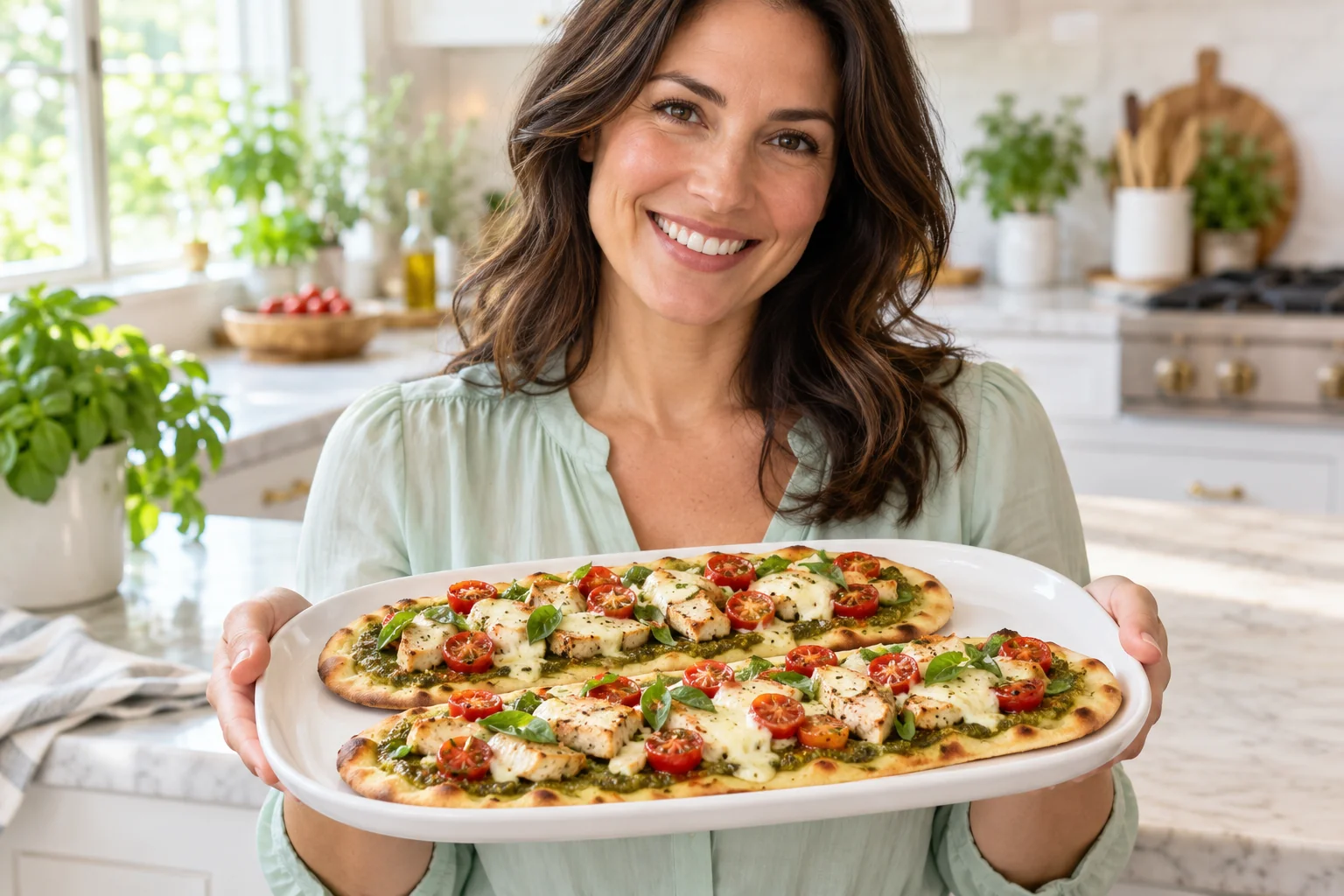
Follow USDA leftovers guidance. For another crust and topping combination, browse Chicken Pesto Flatbread Pizza with Tomatoes.
Frequently Asked Questions
Follow the instant yeast manufacturer's conversion and mixing instructions. The active-dry method and manufacturer nutrition reference shown here are for the stated yeast; instant yeast can change the schedule.
Check room temperature, the yeast date and whether the mixing water was too hot. Give viable dough more time in a moderate room. Do not compensate by eating an underbaked dense center.
This method roasts it first because the final pizza bake may not soften thick raw pieces. Small roasted florets and sliced stems distribute more evenly and bring less loose water to the base.
Use the serving controls to scale the gram quantities and serving count. Use more baking trays and work in batches; oven time does not simply double. Household notes remain at the base four-serving quantities.
Nutrition Sources and Recipe Notes
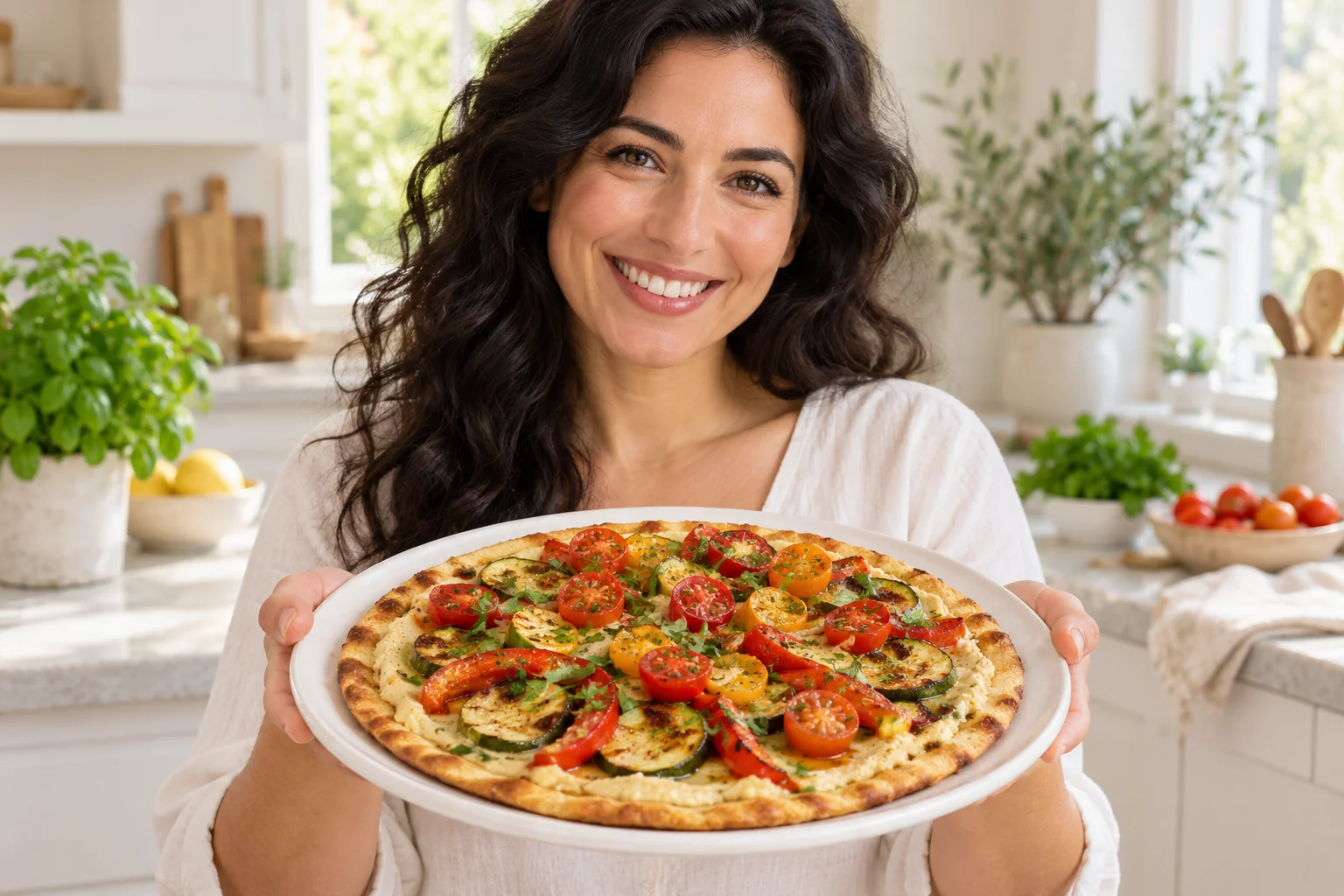
These values are planning estimates, not individualized nutrition advice. Use labels for your exact products when precision is important. The recipe has not been kitchen-tested and the image is a generated illustration of the intended dish.
Nutrition Data Sources
See our Nutrition Calculation Methodology for weights, rounding and substitutions.
Food Safety Reference
Recipe development note: this page does not claim independent kitchen testing. The image is illustrative and does not document a tested result. Ingredient-based nutrition estimates can change with brands, weighing state, preparation and serving size; use exact labels when precision matters.
Useful Tools for This Recipe
As an Amazon Associate we earn from qualifying purchases. Equipment links are paid affiliate links; use suitable tools you already own.
These tools fit the preparation above. Use suitable equipment you already own, or compare options if you need an item.
Digital kitchen scale
Measures flour, shaping allowance and hydration consistently.
Compare on Amazon → (paid link)Paid link · opens in a new tabProbe food thermometer
Checks the water against the yeast packet's mixing guidance.
Compare on Amazon → (paid link)Paid link · opens in a new tabRolling pin
Helps create evenly thin bases if stretching is awkward.
Compare on Amazon → (paid link)Paid link · opens in a new tab