Lunch recipe

Quinoa Vegetable Power Salad

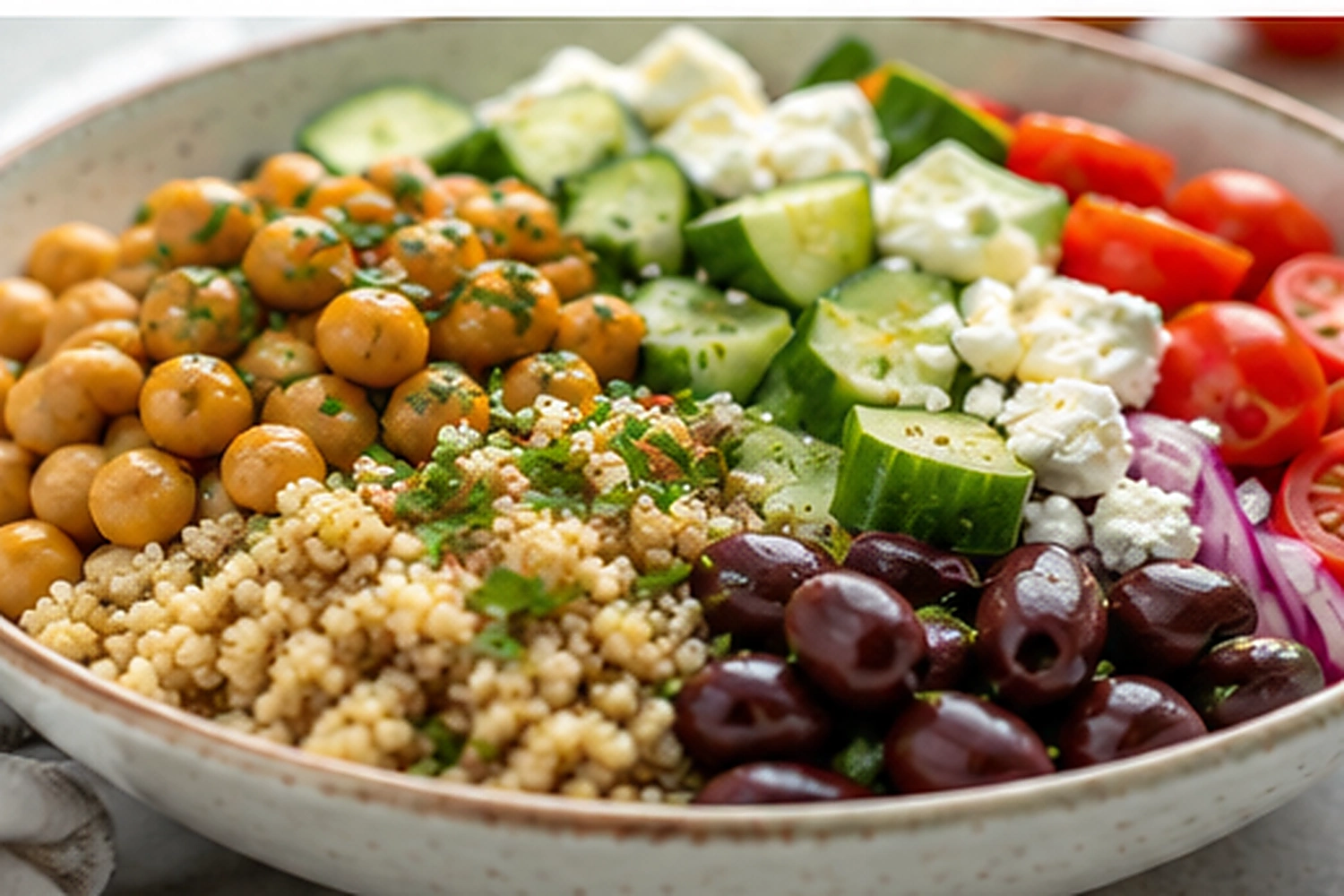
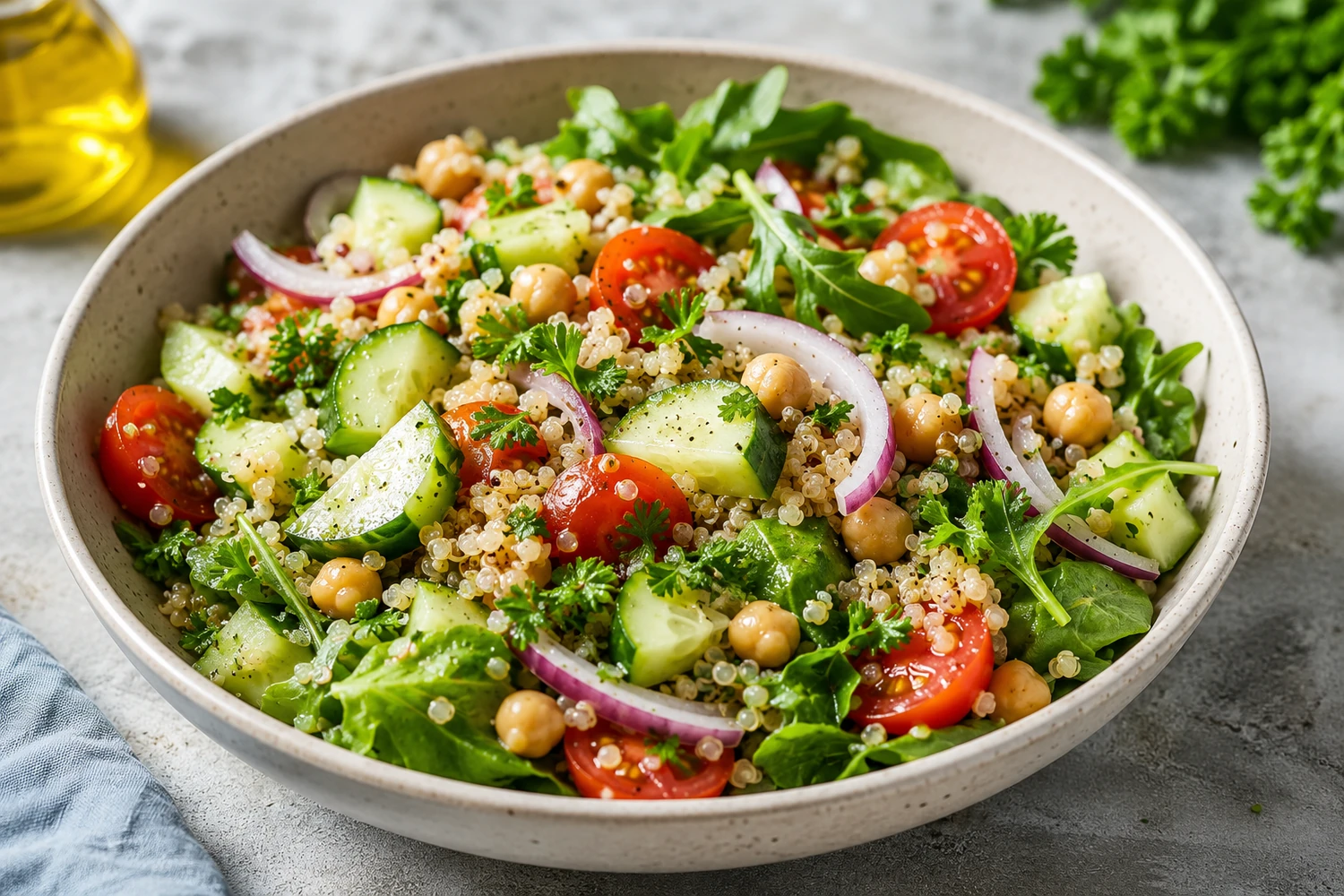
A crisp Mediterranean-style quinoa salad with chickpeas, cucumber, tomatoes, herbs, feta, and lemon dressing.

Quinoa Vegetable Power Salad
Total Time35 minutes
DifficultyEasy
Servings4 servings
Estimated ProteinAbout 17 g

About This Healthy Meal

A crisp Mediterranean-style quinoa salad with chickpeas, cucumber, tomatoes, herbs, feta, and lemon dressing.

Quinoa Vegetable Power Salad is designed as a complete recipe rather than a vague meal idea. The quantities create 4 servings, the timing separates preparation from cooking, and the method explains the points that most often determine texture. The central ingredients—dry quinoa, rinsed, water or low-sodium vegetable broth, can chickpeas, rinsed and drained, English cucumber, diced, cherry tomatoes, halved—have different jobs, so the recipe becomes easier when each one is handled at the correct stage instead of being added without a plan.

A healthy meal does not need to be perfect, unusually low in calories, or built from expensive specialty products. For the Best Fitness Routine audience, the more useful question is whether Quinoa Vegetable Power Salad can be repeated, adjusted, and fitted into a week that also includes work, family responsibilities, and exercise. This recipe answers that question with ordinary ingredients, clear portions, and options for weight management, muscle support, and general fitness.

Why This Recipe Works With a Fitness Routine

For Quinoa Vegetable Power Salad, the guidance in “Why This Recipe Works With a Fitness Routine” should protect both practicality and the intended result. Review the complete day of eating rather than expecting one recipe to determine results. Measure calorie-dense ingredients instead of removing every source of flavor. Keep the main protein source consistent, then adjust grains, fats, or sides to match the individual goal.

For Quinoa Vegetable Power Salad, the guidance in “Why This Recipe Works With a Fitness Routine” should protect both practicality and the intended result. Keep the method simple enough to repeat while preserving the main flavor and nutrition purpose. Record useful substitutions so a successful version can be repeated consistently.

  • The salad is portable, colorful, and easy to prepare without reheating.
  • Fiber from quinoa, chickpeas, and vegetables can improve fullness within a balanced eating pattern.
  • It works as a vegetarian main meal or as a side alongside fish, chicken, eggs, or tofu.
  • The dressing uses strong flavor from lemon, garlic, herbs, and mustard rather than relying on large amounts of oil.

Recipe Summary and Estimated Nutrition

CaloriesAbout 430 kcal
ProteinAbout 17 g
CarbohydratesAbout 57 g
FatAbout 16 g

Nutrition values are estimates. Brands, measured quantities, cooking loss, and substitutions change the final numbers.

For Quinoa Vegetable Power Salad, the guidance in “Recipe Summary and Estimated Nutrition” should protect both practicality and the intended result. Keep the main protein source consistent, then adjust grains, fats, or sides to match the individual goal. Treat the nutrition panel as an estimate because brands, drained weights, and measured portions vary. Review the complete day of eating rather than expecting one recipe to determine results.

Ingredients With Exact Quantities

  • 1 cup dry quinoa, rinsed
  • 2 cups water or low-sodium vegetable broth
  • 1 15-ounce can chickpeas, rinsed and drained
  • 1 English cucumber, diced
  • 1 1/2 cups cherry tomatoes, halved
  • 1 medium red bell pepper, diced
  • 1/3 cup finely diced red onion
  • 1/2 cup chopped flat-leaf parsley
  • 1/4 cup chopped mint
  • 1/3 cup crumbled feta cheese
  • 3 tablespoons extra-virgin olive oil
  • 3 tablespoons fresh lemon juice
  • 1 teaspoon Dijon mustard
  • 1 garlic clove, grated
  • 1/2 teaspoon dried oregano
  • 1/4 teaspoon salt
  • Black pepper to taste

What Each Main Ingredient Contributes

  • Quinoa creates a sturdy whole-grain base that absorbs the lemon dressing without becoming heavy.
  • Chickpeas add fiber, plant protein, and a creamy bite that contrasts with crisp vegetables.
  • Cucumber, tomatoes, and bell pepper provide volume, hydration, and fresh texture.
  • Feta contributes salty richness, so a measured amount goes a long way.

For Quinoa Vegetable Power Salad, the guidance in “What Each Main Ingredient Contributes” should protect both practicality and the intended result. Treat the nutrition panel as an estimate because brands, drained weights, and measured portions vary. Review the complete day of eating rather than expecting one recipe to determine results.

Equipment and Preparation Setup

For Quinoa Vegetable Power Salad, the guidance in “Equipment and Preparation Setup” should protect both practicality and the intended result. Refrigerate perishable components promptly and avoid extended time at warm temperatures. Keep raw and ready-to-eat ingredients separate and wash tools between tasks.

For Quinoa Vegetable Power Salad, the guidance in “Equipment and Preparation Setup” should protect both practicality and the intended result. Refrigerate perishable components promptly and avoid extended time at warm temperatures. Keep raw and ready-to-eat ingredients separate and wash tools between tasks. In this recipe, apply it specifically within equipment and preparation setup and the listed serving size.

Step-by-Step Preparation

  1. Place quinoa and water in a saucepan. Bring to a boil, cover, reduce heat, and simmer for 15 minutes.
  2. Remove the pan from heat and let the quinoa rest, covered, for 5 minutes. Fluff and spread on a tray to cool.
  3. Whisk olive oil, lemon juice, Dijon mustard, garlic, oregano, salt, and pepper in a large bowl.
  4. Add chickpeas, cucumber, tomatoes, pepper, onion, parsley, and mint to the dressing. Toss lightly.
  5. Fold in the cooled quinoa so the vegetables remain crisp.
  6. Add feta just before serving or keep it separate for meal-prep containers.
  7. Taste and adjust with more lemon, pepper, or herbs rather than automatically adding more salt.

Detailed Cooking and Texture Guide

The salad should be bright, herbal, and lightly salty, with nutty quinoa and creamy chickpeas. Mint adds a cooling note while parsley keeps the flavor clean and savory.

For Quinoa Vegetable Power Salad, the guidance in “Detailed Cooking and Texture Guide” should protect both practicality and the intended result. Use a food thermometer when the recipe includes poultry, meat, or another ingredient with a defined safe temperature. Refrigerate perishable components promptly and avoid extended time at warm temperatures.

From a meal-prep perspective, Quinoa Vegetable Power Salad works best when hot, cold, crisp, and creamy components are stored according to their texture. The goal is not simply to put everything in one container. It is to preserve the experience of the fresh meal, reduce food waste, and make the next serving easy enough that it is genuinely chosen instead of forgotten in the refrigerator.

Pros and Possible Limitations

Practical Advantages

  • The salad is portable, colorful, and easy to prepare without reheating.
  • Fiber from quinoa, chickpeas, and vegetables can improve fullness within a balanced eating pattern.
  • It works as a vegetarian main meal or as a side alongside fish, chicken, eggs, or tofu.
  • The dressing uses strong flavor from lemon, garlic, herbs, and mustard rather than relying on large amounts of oil.

Possible Limitations

  • Warm quinoa can wilt the vegetables and make the salad watery.
  • Unmeasured olive oil and feta can raise calories quickly.
  • Raw onion may be too sharp for some readers unless it is soaked briefly in cold water.

Best Time to Eat It

A make-ahead lunch, picnic meal, or light dinner. It is also useful on active days when a cold meal is more convenient than cooking again.

Who This Meal May Suit

Vegetarians, office workers, meal-prep beginners, and anyone who wants a fresh lunch that pairs well with a home workout plan or regular gym schedule.

Goal-Based Adjustments

For weight management: Start with the listed serving size, keep oils, cheese, nuts, seeds, avocado, and sauces measured, and increase low-calorie vegetables when more volume is useful. Quinoa Vegetable Power Salad can fit a weight-loss exercise plan, but no recipe produces weight loss by itself; total intake, activity, sleep, and consistency matter.

For Quinoa Vegetable Power Salad, the guidance in “Goal-Based Adjustments” should protect both practicality and the intended result. Review the complete day of eating rather than expecting one recipe to determine results. Measure calorie-dense ingredients instead of removing every source of flavor.

For Quinoa Vegetable Power Salad, the guidance in “Goal-Based Adjustments” should protect both practicality and the intended result. Treat the nutrition panel as an estimate because brands, drained weights, and measured portions vary. Review the complete day of eating rather than expecting one recipe to determine results.

For Quinoa Vegetable Power Salad, the guidance in “Goal-Based Adjustments” should protect both practicality and the intended result. Record useful substitutions so a successful version can be repeated consistently. Use measured quantities for ingredients that strongly affect calories, sodium, or texture.

Substitutions and Dietary Adjustments

  • Replace quinoa with farro, bulgur, brown rice, or whole-wheat couscous.
  • Use white beans or lentils instead of chickpeas.
  • Omit feta for a dairy-free version or use a verified plant-based alternative.
  • Add grilled chicken, tuna, salmon, eggs, or tofu when a higher-protein meal is desired.

For Quinoa Vegetable Power Salad, the guidance in “Substitutions and Dietary Adjustments” should protect both practicality and the intended result. Treat the nutrition panel as an estimate because brands, drained weights, and measured portions vary. Review the complete day of eating rather than expecting one recipe to determine results.

Meal Prep, Storage, and Reheating

Refrigerate in airtight containers for up to 4 days. Keep feta and delicate herbs separate when preparing the full four days. Stir before eating because dressing settles at the bottom.

For Quinoa Vegetable Power Salad, the guidance in “Meal Prep, Storage, and Reheating” should protect both practicality and the intended result. Keep raw and ready-to-eat ingredients separate and wash tools between tasks. Follow product labels and individualized clinical advice when allergies or medical nutrition needs are involved.

Common Mistakes and How to Avoid Them

  • Mixing hot quinoa with raw vegetables.
  • Using watery tomatoes without draining excess juice.
  • Pouring dressing over the salad without tasting it first.
  • Cutting vegetables into very different sizes, which makes each bite less balanced.
  • Storing the salad uncovered and allowing the herbs to dry out.

Budget and Shopping Strategy

Use canned chickpeas, seasonal vegetables, and store-brand quinoa. Frozen cooked quinoa can also shorten preparation when available.

For Quinoa Vegetable Power Salad, the guidance in “Budget and Shopping Strategy” should protect both practicality and the intended result. Use unsweetened products when the recipe is intended to remain savory. Choose substitutions that preserve the ingredient’s role in protein, texture, moisture, or flavor.

How to Use This Meal During a Busy Week

One useful way to plan this recipe is to work backward from the time you want to eat. Prepare the ingredient that needs the longest cooking first, then use that time to wash produce, mix sauce, or portion toppings. This makes the listed 35 minutes feel manageable and keeps the workspace organized.

A second practical consideration is portion visibility. Dividing 4 servings immediately after cooking prevents the final serving from becoming unexpectedly small or large. It also makes the estimated About 430 kcal and About 17 g more meaningful.

For Quinoa Vegetable Power Salad, the guidance in “How to Use This Meal During a Busy Week” should protect both practicality and the intended result. Measure calorie-dense ingredients instead of removing every source of flavor. Keep the main protein source consistent, then adjust grains, fats, or sides to match the individual goal.

For Quinoa Vegetable Power Salad, the guidance in “How to Use This Meal During a Busy Week” should protect both practicality and the intended result. Record useful substitutions so a successful version can be repeated consistently. Use measured quantities for ingredients that strongly affect calories, sodium, or texture.

For Quinoa Vegetable Power Salad, the guidance in “How to Use This Meal During a Busy Week” should protect both practicality and the intended result. Record useful substitutions so a successful version can be repeated consistently. Use measured quantities for ingredients that strongly affect calories, sodium, or texture. In this recipe, apply it specifically within how to use this meal during a busy week and the listed serving size.

For Quinoa Vegetable Power Salad, the guidance in “How to Use This Meal During a Busy Week” should protect both practicality and the intended result. Keep the method simple enough to repeat while preserving the main flavor and nutrition purpose. Record useful substitutions so a successful version can be repeated consistently.

For Quinoa Vegetable Power Salad, the guidance in “How to Use This Meal During a Busy Week” should protect both practicality and the intended result. Measure calorie-dense ingredients instead of removing every source of flavor. Keep the main protein source consistent, then adjust grains, fats, or sides to match the individual goal. In this recipe, apply it specifically within how to use this meal during a busy week and the listed serving size. For “Quinoa Vegetable Power Salad,” apply this as the first preparation check within how to use this meal during a busy week.

For Quinoa Vegetable Power Salad, the guidance in “How to Use This Meal During a Busy Week” should protect both practicality and the intended result. Cool cooked components promptly and use shallow, covered containers before refrigerating. Transport perishable food with reliable cold storage when a refrigerator is not immediately available.

For Quinoa Vegetable Power Salad, the guidance in “How to Use This Meal During a Busy Week” should protect both practicality and the intended result. Measure calorie-dense ingredients instead of removing every source of flavor. Keep the main protein source consistent, then adjust grains, fats, or sides to match the individual goal. In this recipe, apply it specifically within how to use this meal during a busy week and the listed serving size. For “Quinoa Vegetable Power Salad,” apply this as the second preparation check within how to use this meal during a busy week.

For Quinoa Vegetable Power Salad, the guidance in “How to Use This Meal During a Busy Week” should protect both practicality and the intended result. Keep sauces, delicate vegetables, and crisp toppings separate when texture matters. Cool cooked components promptly and use shallow, covered containers before refrigerating.

One useful way to plan this recipe is to work backward from the time you want to eat. Prepare the ingredient that needs the longest cooking first, then use that time to wash produce, mix sauce, or portion toppings. This makes the listed 35 minutes feel manageable and keeps the workspace organized. In the context of Quinoa Vegetable Power Salad, this planning step keeps the recipe practical without changing its core ingredients or nutrition purpose.

Food Safety and Nutrition Notes

Keep the finished salad refrigerated at 40°F (4°C) or below and do not leave it at room temperature for more than 2 hours.

For Quinoa Vegetable Power Salad, the guidance in “Food Safety and Nutrition Notes” should protect both practicality and the intended result. Use a food thermometer when the recipe includes poultry, meat, or another ingredient with a defined safe temperature. Refrigerate perishable components promptly and avoid extended time at warm temperatures.

For Quinoa Vegetable Power Salad, the guidance in “Food Safety and Nutrition Notes” should protect both practicality and the intended result. Follow product labels and individualized clinical advice when allergies or medical nutrition needs are involved. Use a food thermometer when the recipe includes poultry, meat, or another ingredient with a defined safe temperature.

Frequently Asked Questions

Yes, but let the quinoa cool slightly and add cucumber, herbs, and feta at the end so they remain fresh.

Add chicken, tuna, salmon, eggs, tofu, edamame, or an extra portion of chickpeas.

Quinoa is naturally gluten-free, but packaged ingredients and broth should be checked when strict avoidance is required.

Yes. Add olives, toasted seeds, avocado, or a dairy-free feta alternative for extra richness.

Rinse quinoa thoroughly in a fine-mesh strainer before cooking.

Yes when portions and total daily intake are appropriate. Measure oil and calorie-dense toppings instead of guessing.

Cucumber and tomatoes soften gradually. For maximum crunch, store them separately and combine before eating.

General Nutrition and Food-Safety References

Related Healthy Meals