About This Healthy Meal
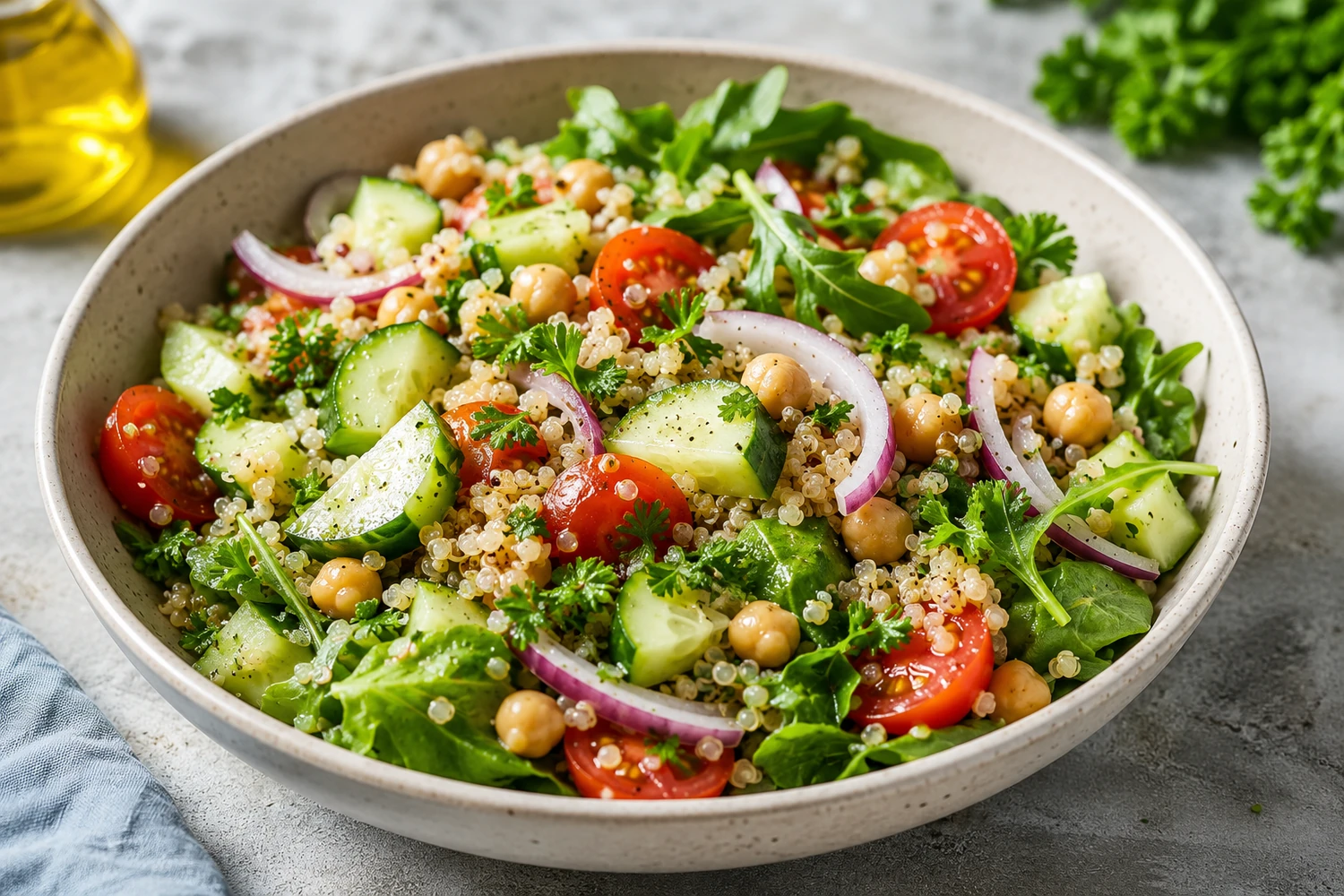
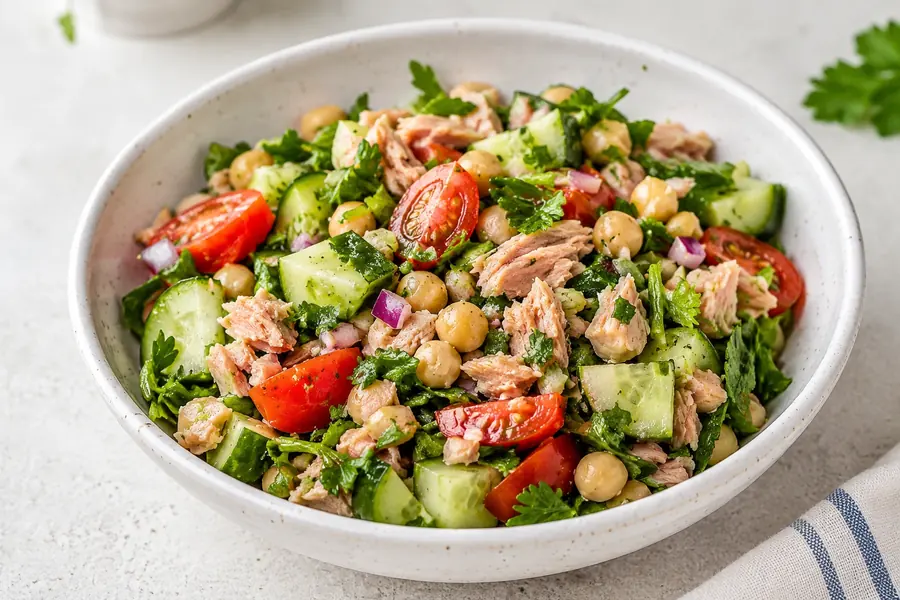
Make an easy low calorie high protein vegetarian meal with chickpeas, edamame, cucumber, tomatoes, herbs, feta, and a bright lemon-yogurt dressing.
This recipe is designed around the keyword low calorie high protein vegetarian meals while keeping the preparation practical, portions measurable, and flavors satisfying. Nutrition values are estimates and should be adjusted for product brands and serving changes.
Low calorie high protein vegetarian meals work best when protein comes from more than one ingredient. Chickpeas provide fiber and plant protein, edamame adds a more concentrated protein source, Greek yogurt builds the dressing, and feta adds flavor in a measured amount. The combination is more satisfying than a vegetable-only salad while remaining lighter than many restaurant grain bowls.
Why This Recipe Works With a Fitness Routine
The vegetables contribute volume, texture, and freshness without requiring large amounts of oil. A yogurt-based dressing keeps the salad creamy and bright. The recipe is designed as a complete lunch, but portions can be adjusted according to individual energy needs, activity, and the rest of the day’s meals.
Canned chickpeas make the recipe fast, but rinsing them is important for flavor and texture. Frozen shelled edamame is usually already cooked and only needs thawing according to the package instructions. Choose firm cucumbers and ripe tomatoes so the salad stays crisp. Fresh parsley and mint create much of the flavor, so use at least one herb even when both are not available.
- Chickpeas, edamame, yogurt, and feta create a layered vegetarian protein profile.
- Cucumber, tomatoes, and herbs add volume and freshness without requiring heavy dressing.
- The salad can be packed for lunch and assembled quickly from basic ingredients.
- Fiber and protein make the meal more filling than a vegetable-only salad.
Recipe Summary and Estimated Nutrition
Nutrition values are estimates. Brands, measured quantities, cooking loss, and substitutions change the final result.
For Low Calorie High Protein Vegetarian Chickpea-Cucumber Salad, the guidance in “Recipe Summary and Estimated Nutrition” should protect both practicality and the intended result. Keep the main protein source consistent, then adjust grains, fats, or sides to match the individual goal. Treat the nutrition panel as an estimate because brands, drained weights, and measured portions vary.
Ingredients With Exact Quantities
- 1 can (15 oz) chickpeas, drained and rinsed
- 1 cup shelled edamame, thawed
- 1 large cucumber, diced
- 1 cup cherry tomatoes, halved
- 1/4 small red onion, thinly sliced
- 1/3 cup chopped parsley
- 2 tablespoons chopped fresh mint
- 1/3 cup reduced-fat feta, crumbled
- 1/2 cup plain nonfat Greek yogurt
- 2 tablespoons fresh lemon juice
- 1 teaspoon extra-virgin olive oil
- 1 small garlic clove, finely grated
- 1/2 teaspoon ground cumin
- 1/4 teaspoon black pepper
- Pinch of salt, adjusted to taste
What Each Main Ingredient Contributes
- Chickpeas, edamame, yogurt, and feta create a layered vegetarian protein profile.
- Cucumber, tomatoes, and herbs add volume and freshness without requiring heavy dressing.
- The salad can be packed for lunch and assembled quickly from basic ingredients.
- Fiber and protein make the meal more filling than a vegetable-only salad.
Replace feta with reduced-fat cottage cheese, a small amount of goat cheese, or a dairy-free alternative. For a soy-free version, replace edamame with cooked lentils and increase the Greek yogurt slightly. People who do not eat dairy can use a high-protein unsweetened plant yogurt, although nutrition values will change.
Equipment and Preparation Setup
Low-calorie meals often become disappointing when every flavorful ingredient is removed. A better strategy is measurement. One teaspoon of olive oil provides enough richness when combined with yogurt and lemon. Feta is distributed throughout the salad rather than served in large chunks. Garlic, cumin, herbs, black pepper, and acidity create flavor without relying on heavy dressing.
Taste in a specific order. Add lemon first, then herbs and pepper, and adjust salt last. Acid and fresh herbs often solve a flat flavor before more oil or cheese is needed. Chill the mixed salad briefly because cold ingredients and resting time allow the dressing to coat the chickpeas more evenly.
Step-by-Step Preparation
- Drain and rinse the chickpeas thoroughly, then pat them dry so the salad does not become watery.
- Place the chickpeas, edamame, cucumber, tomatoes, red onion, parsley, mint, and feta in a large bowl.
- In a small bowl, whisk the Greek yogurt, lemon juice, olive oil, garlic, cumin, pepper, and a small pinch of salt.
- Pour the dressing over the salad and fold gently until every ingredient is lightly coated.
- Taste and adjust lemon, pepper, or herbs. Chill for 10 minutes when time allows, then divide into two servings.
Detailed Cooking and Texture Guide
The salad can be prepared up to three days ahead, but texture is best when the cucumber and tomatoes are stored separately from the chickpea-edamame mixture. Keep the dressing in a small container and combine everything before eating. When convenience matters more than maximum crispness, the fully mixed salad still stores safely in a covered refrigerator container for about two days.
Do not freeze the assembled salad. Cucumbers, tomatoes, and yogurt dressing lose their texture after thawing. Chickpeas and edamame can be portioned and frozen separately, then thawed for later batches. Label meal-prep containers with the preparation date and keep them at 40°F (4°C) or below.
For a lighter lunch, serve the recipe over extra greens and divide it into three smaller portions. For greater activity or muscle-support goals, add a whole-grain pita, quinoa, or an additional half cup of edamame. These adjustments preserve the basic recipe while changing energy and carbohydrate intake.
Pros and Possible Limitations
Practical Advantages
- Multiple protein sources create a satisfying vegetarian lunch.
- No cooking is required, which makes the recipe useful during hot weather or busy weeks.
- The yogurt dressing keeps added oil measured.
- The components can be prepared separately for better meal-prep texture.
Possible Limitations
- Cucumber and tomatoes release water when stored fully mixed.
- Edamame and feta may not suit soy-free or dairy-free diets without substitutions.
- Raw onion can dominate the flavor when sliced too thickly.
Best Time to Eat It
A meal should be judged within the full day rather than in isolation. High protein low calorie recipes for weight loss can improve convenience and fullness, but sustainable results still depend on overall intake, food preferences, sleep, activity, and consistency. Avoid reducing portions so aggressively that hunger leads to frequent unplanned eating later.
Who This Meal May Suit
Store-brand chickpeas, frozen edamame, and seasonal produce keep the cost reasonable. Parsley is often less expensive than delicate herbs and can provide most of the freshness when mint is unavailable. Buy a larger tub of plain Greek yogurt and use the remainder for breakfasts, sauces, or snacks.
Goal-Based Adjustments
Check the refrigerator before shopping. Half a cucumber, leftover herbs, or a small amount of cheese can be used in this recipe. The dressing also works on roasted vegetables or wraps, which reduces waste. Preparing two servings at once is usually cheaper than buying prepared salads during the workweek.
The most common mistake is adding wet chickpeas directly from the can. Excess water thins the dressing and dilutes flavor. Another mistake is slicing the onion too thickly. Thin slices distribute flavor without dominating every bite. If raw onion is strong, soak it in cold water for five minutes and drain well.
Avoid adding all the salt before the feta is mixed in because feta contributes sodium. Do not use sweetened yogurt. Finally, avoid overmixing after the tomatoes are added, as vigorous stirring can break them down and make the salad watery.
The recipe makes two substantial lunch servings. Divide the mixture after the dressing has been folded through so each container receives a similar amount of chickpeas, edamame, vegetables, feta, and sauce. A kitchen scale is optional, but visual division can be improved by spreading the salad evenly in the bowl before portioning.
Substitutions and Dietary Adjustments
- Replace ingredients only with options that perform a similar protein, texture, or flavor role.
- Use dairy-free, gluten-free, or soy-free products when required and verify packaged labels.
- Adjust herbs, acidity, and heat without automatically increasing oil or sugar.
For a smaller snack-style serving, divide the recipe into four portions and serve with raw vegetables. For a larger training-day meal, keep two portions and add a whole-grain pita, cooked quinoa, or fruit. The base salad remains unchanged while the side determines the additional energy and carbohydrate.
Meal Prep, Storage, and Reheating
People have different calorie needs, so the listed serving is a practical reference rather than a prescription. Hunger, body size, activity, medications, and health conditions may change an appropriate portion. A meal that leaves someone very hungry may need more food rather than greater willpower.
Protein is often easier to manage when it is distributed across meals instead of concentrated at dinner. This salad can provide a meaningful lunch portion through chickpeas, edamame, yogurt, and feta. The exact amount varies by brand and drained weight, but using several protein-containing ingredients makes the meal more reliable.
Common Mistakes and How to Avoid Them
- Skipping moisture control and producing a watery or poorly browned result.
- Adding salty or calorie-dense ingredients before tasting the complete dish.
- Preparing more servings than can be stored safely and eaten at their best quality.
- Changing several major ingredients without adjusting texture, cooking time, or nutrition estimates.
Budget and Shopping Strategy
A vegetarian eating pattern benefits from variety. Other meals can include lentils, tofu, tempeh, eggs, dairy, seitan, nuts, seeds, or additional beans according to preference and tolerance. No single recipe needs to provide every nutrient when the overall pattern is balanced.
For people with higher protein targets, increase edamame or serve the salad with cottage cheese, eggs, tofu, or another suitable side. Adding protein usually changes calories as well, so the adjustment should match the actual goal rather than a desire to maximize one number.
How to Use This Meal During a Busy Week
Use a leak-resistant container with enough space to toss the ingredients. Place the chickpea-edamame mixture at the bottom, firm vegetables in the middle, and delicate herbs or feta on top. Carry the dressing separately in a small sealed container when the salad will sit for several hours.
Keep the meal cold in an insulated lunch bag with an ice pack when refrigeration is unavailable. Perishable yogurt dressing and feta should not remain warm for extended periods. At work, refrigerate the meal soon after arrival and return leftovers to the refrigerator promptly.
Pack a fork, napkin, and optional lemon wedge so the meal is ready to eat. A side of fruit or whole-grain crackers can be carried separately. Small preparation details reduce the chance of replacing the planned lunch with a less satisfying convenience option.
For a Mediterranean profile, keep the parsley and mint and add oregano, extra lemon zest, and chopped roasted red pepper. For a warmer spice profile, use smoked paprika, cumin, and a pinch of chili flakes. A dill-and-lemon version works well when mint is unavailable.
Texture can be changed with a tablespoon of pumpkin seeds, sunflower seeds, or chopped pistachios. Measure these additions because they are energy dense. Pickled onions or capers provide acidity and salt, so reduce added salt and feta when using them.
The yogurt dressing can become thinner with water or lemon juice, or thicker with more yogurt. Make one adjustment at a time and taste before adding more. The purpose of variations is to keep the meal enjoyable while preserving its basic high-protein structure.
On preparation day, rinse and dry the chickpeas first. Thaw edamame while the vegetables are washed and chopped. Mix the dressing in the storage jar so there is one less dish to clean. Portion the chickpeas and edamame into containers, then add vegetables that store well.
Keep tomatoes, cucumber, herbs, feta, and dressing in separate compartments when preparing three days at once. The extra separation takes only a few minutes and preserves texture. Combine the components on the day of eating, shake the dressing, and toss.
Prepare a double batch only when the storage plan is clear. Fresh vegetables are the limiting factor, not the canned ingredients. A second batch of chopped vegetables can be prepared midweek while the chickpeas and edamame are portioned in advance.
The calorie and protein estimates depend on the drained chickpea weight, edamame brand, yogurt protein content, feta amount, and oil measurement. A heaped spoon of oil or cheese can change the total more than an extra handful of cucumber. Measuring the most energy-dense ingredients improves consistency. Nutrition labels list values for specific serving sizes. Compare the label serving with the amount actually used and multiply when necessary. Restaurant-style assumptions are not appropriate for a home recipe because brands and portions vary. The estimate is useful for planning, not for claiming laboratory precision. People who require exact carbohydrate, sodium, potassium, or allergen information for medical reasons should calculate from their specific products with professional guidance. Serve the components separately for family meals. Children or selective eaters may prefer chickpeas, edamame, cucumber, tomatoes, cheese, and dressing in individual bowls. Everyone can build a plate without changing the core ingredients. Add pita wedges, roasted potatoes, soup, or grilled vegetables when the salad is part of a larger dinner. Adults seeking a lighter meal can emphasize the salad, while family members with higher energy needs can add more starch and dressing. Keep strong ingredients such as raw onion, mint, and garlic optional at the table. A flexible serving method prevents one person’s preference from determining the entire recipe and makes leftovers easier to reuse. In summer, use tomatoes, cucumber, fresh herbs, and peppers. In colder months, replace watery vegetables with shredded cabbage, carrots, roasted cauliflower, or thawed peas. The salad becomes less traditional but remains practical and nutritious. When edamame is unavailable, cooked lentils, white beans, or extra chickpeas can be used. The protein content will differ, so add Greek yogurt, cottage cheese, eggs, tofu, or another side when a higher-protein meal is desired. Use bottled lemon juice only when fresh lemon is unavailable, and taste carefully because acidity varies. Dried herbs can replace fresh herbs in smaller amounts, though the salad will have less brightness and texture. For the best eating experience, let the chilled salad stand at room temperature for five minutes before serving. Stir once, taste again, and add fresh lemon or herbs only when the flavor needs a brighter finish. For weight management: Keep oil and calorie-dense toppings measured, add extra non-starchy vegetables, and use a portion that fits the rest of the day. For muscle gain or high activity: Increase the protein portion or add a measured whole-grain side based on total energy needs.
Food Safety and Nutrition Notes
For Low Calorie High Protein Vegetarian Chickpea-Cucumber Salad, the guidance in “Food Safety and Nutrition Notes” should protect both practicality and the intended result. Follow product labels and individualized clinical advice when allergies or medical nutrition needs are involved. Use a food thermometer when the recipe includes poultry, meat, or another ingredient with a defined safe temperature.
For Low Calorie High Protein Vegetarian Chickpea-Cucumber Salad, the guidance in “Food Safety and Nutrition Notes” should protect both practicality and the intended result. Refrigerate perishable components promptly and avoid extended time at warm temperatures. Keep raw and ready-to-eat ingredients separate and wash tools between tasks.
For Low Calorie High Protein Vegetarian Chickpea-Cucumber Salad, the guidance in “Food Safety and Nutrition Notes” should protect both practicality and the intended result. Use a food thermometer when the recipe includes poultry, meat, or another ingredient with a defined safe temperature. Refrigerate perishable components promptly and avoid extended time at warm temperatures.
Frequently Asked Questions
Yes. Cook them until tender, cool completely, and use about one and a half cups.
Yes. Store the vegetables and dressing separately for the best texture and combine shortly before eating.
Use a high-protein unsweetened plant yogurt and replace feta with a dairy-free option or extra edamame.
Increase the edamame, add cottage cheese, or serve the salad with tofu or another preferred protein source.
Yes. Chopped scallions, chives, or extra herbs provide flavor without raw onion.
The fully mixed salad is best within two days; separately stored components may remain fresh for about three days.
No. They are estimates and vary with product brands, drained weights, and substitutions.