Why Walking Speed Is Such a Useful Functional Marker
Walking looks simple, but it requires multiple systems to cooperate. The brain plans the movement, the inner ear and eyes support balance, the heart and lungs deliver oxygen, and the legs must generate enough force at the right time. When several systems lose reserve, walking often slows.
That makes usual gait speed a practical snapshot of physical function. Clinicians and researchers can measure it quickly without expensive equipment, which is one reason it appears in studies of aging, disability and recovery.
What Research Says About Walking Speed and Longevity
Observational studies consistently find that slower usual walking speed in older adults is associated with higher risk of disability, hospitalization and earlier death. Meta-analyses have reported meaningful associations even after researchers adjust for several health factors.
Association is not causation. Walking faster does not magically extend life by itself. A slower pace may reflect underlying disease, low fitness, weakness, pain or frailty, so the measurement is best used as a clue about overall reserve.
How Gait Speed Is Commonly Measured
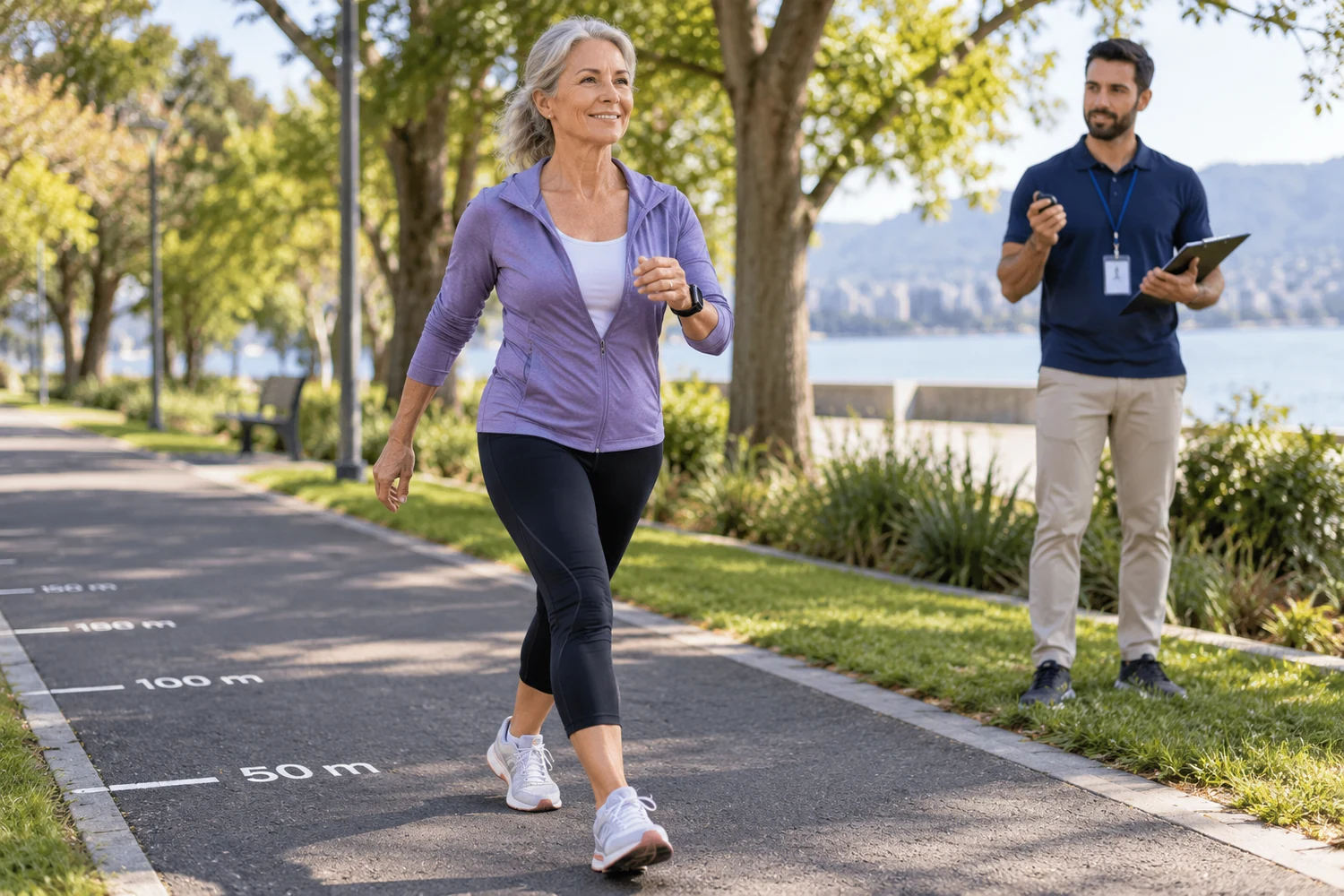
A simple gait-speed test uses a measured walkway, often four to ten meters. The person walks at their usual comfortable pace while the middle portion is timed. Speed is calculated as distance divided by time and reported in meters per second.
Testing conditions matter. Footwear, assistive devices, fatigue, surface, instructions and whether acceleration is included can all change the result. For personal tracking, repeat the same setup.
Age Charts Are Useful Context but Not a Diagnosis
Average walking speed tends to decline with age, but the range between individuals is large. A physically active 75-year-old may walk faster than a sedentary 55-year-old. Pain, arthritis, confidence and neurological conditions also influence pace.
Use age-based norms to understand context, then pay attention to your own trend. A noticeable decline over months can matter more than whether you sit slightly above or below a population average.
Leg Strength Is a Major Driver of Walking Pace
Walking requires repeated force production from the hips, knees and ankles. If leg strength falls, each step consumes a larger percentage of available capacity, and hills or stairs become especially difficult.
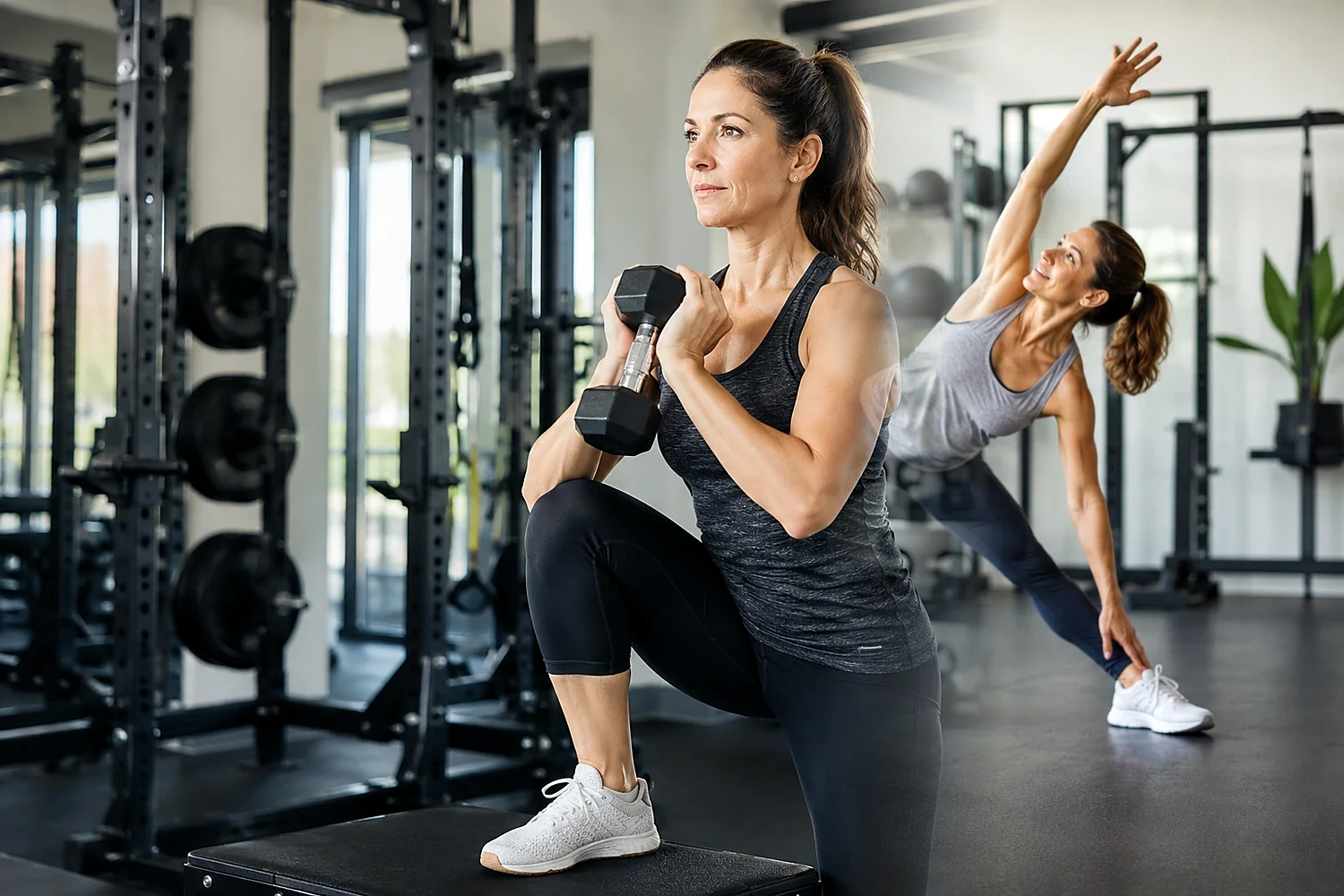
Progressive resistance training can improve the reserve behind walking. Our strength training for healthy aging guide includes scalable lower-body patterns such as squats, hinges and step-ups.
Balance and Confidence Change Pace Too
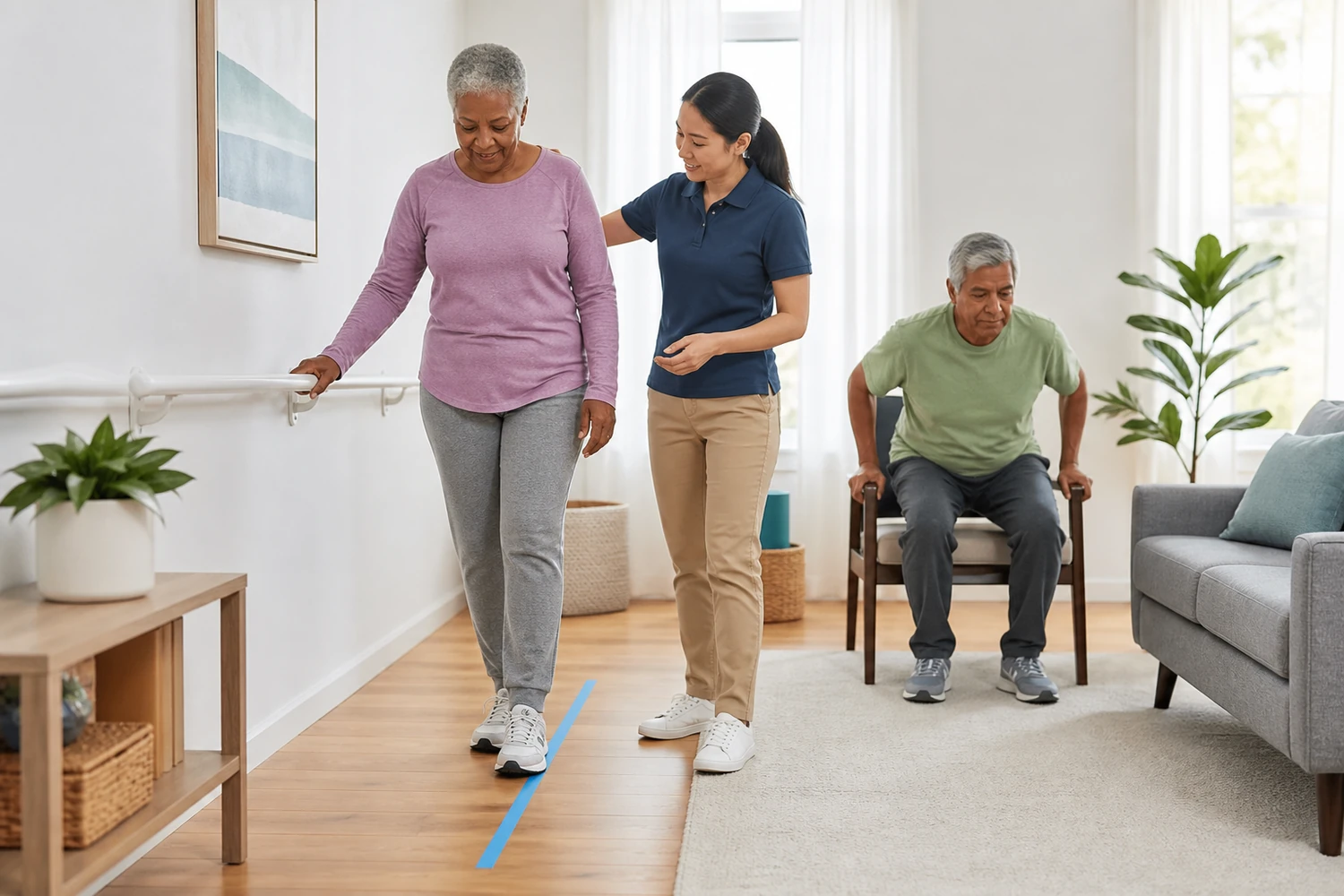
People often slow down when they feel unsteady. A wider step, shorter stride and cautious pace can be a protective strategy after a fall, even when muscle strength is reasonably good.
Balance work, appropriate footwear, vision care and a safer home environment can improve confidence. Review our fall prevention guide if fear of falling is affecting movement.
Aerobic Fitness Determines How Sustainable the Pace Feels
Even strong legs cannot maintain a brisk pace for long if cardiovascular fitness is low. Regular walking, cycling or other aerobic activity makes a given pace feel easier by improving oxygen delivery and endurance.
Our Zone 2 cardio guide can help build an aerobic base before you add harder intervals.
Practice Walking Faster in Short Controlled Bouts
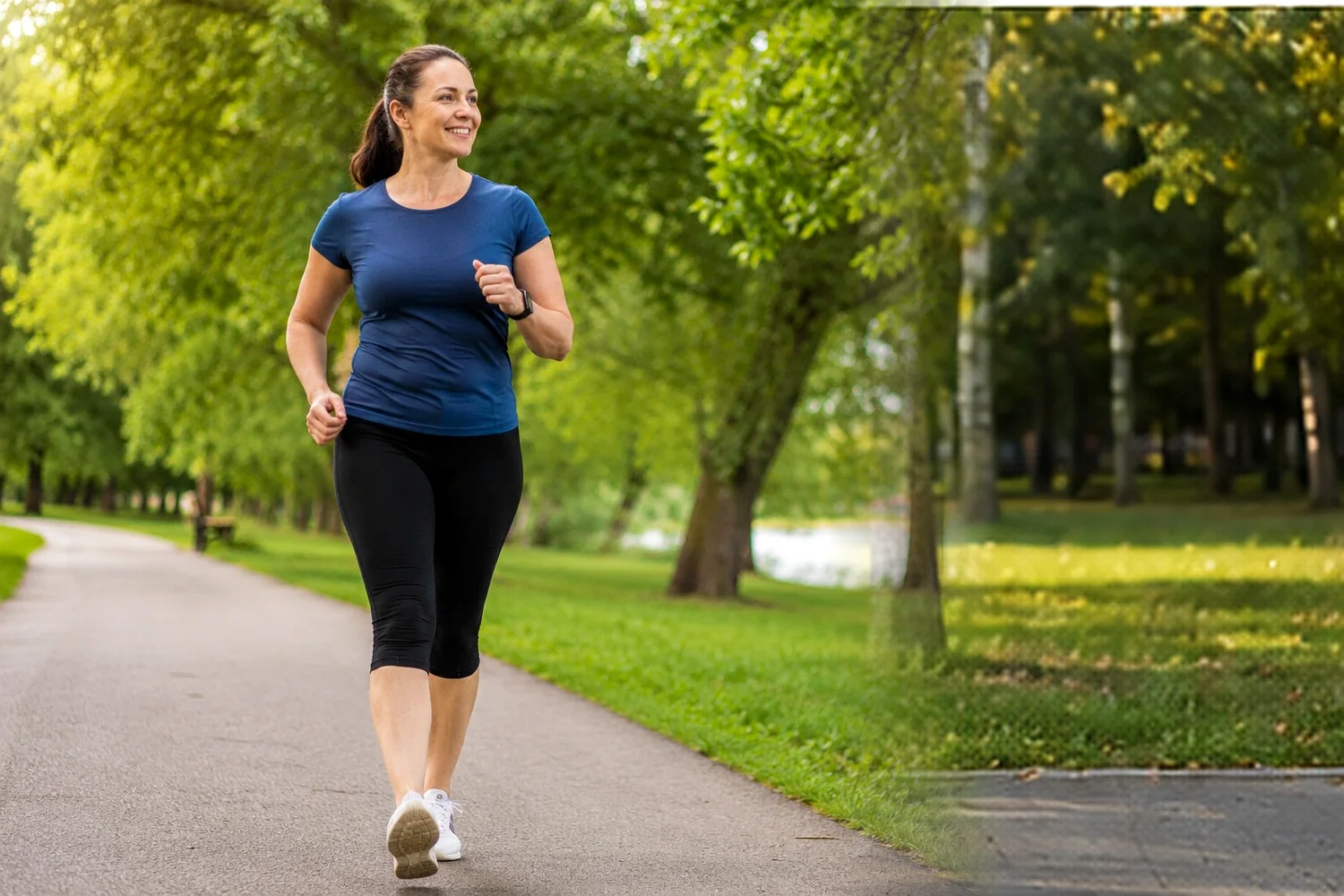
If you already walk comfortably and safely, add short periods at a deliberately quicker pace. For example, walk briskly for one to two minutes, return to an easy pace, and repeat several times. The goal is smooth mechanics, not a sprint.
Increase total brisk time gradually. If form becomes unstable, pain rises sharply or you become unusually breathless, slow down and reassess.
Use Hills and Stairs as Functional Strength-Endurance Training
Gentle hills and stairs increase the force and cardiovascular demand of walking. They can improve practical capacity for travel, errands and daily life when introduced gradually.
Use a handrail when needed and avoid steep terrain if balance is poor. The safest progression is one you can repeat without creating several days of pain or fatigue.
A Slower Pace After Illness Can Signal Deconditioning
Hospitalization, infection and prolonged bed rest can reduce walking capacity quickly. A person may feel “fine” at rest yet notice that a familiar route suddenly takes longer or requires more breaks.
Gradual walking plus strength work can rebuild capacity, but major unexplained decline deserves medical assessment. Our frailty guide explains why reduced reserve after illness matters.
Track the Trend Without Turning Every Walk Into a Test
Measure a familiar route or formal gait test every few weeks or months, not every day. Daily pace changes with weather, sleep, stress, surface and motivation. A broader trend is more meaningful.
You can also track how many stops you need, whether hills feel easier and whether your pace stays steady during longer walks. These functional changes often matter more than one exact speed.
Practical Takeaway
Walking speed and longevity are associated because gait speed reflects the combined reserve of several body systems. The number is useful as a functional marker, not a prediction of how long you will live.
Support walking pace with leg strength, balance, aerobic training and regular practice. If your walking speed declines suddenly or comes with chest pain, fainting, neurological symptoms or repeated falls, seek medical evaluation.
Cadence and Stride Length Both Influence Walking Speed
Walking faster can come from taking slightly quicker steps, slightly longer steps or a combination of both. For many older adults, deliberately overstriding is less useful than allowing stride length to increase naturally as strength, confidence and hip motion improve.
A practical cue is to walk tall and let the arms swing naturally while increasing cadence a little. If you feel like you are reaching for the ground with each heel strike, reduce the pace and keep the movement smooth.
Footwear and Foot Pain Can Quietly Slow Your Pace
Foot pain, poorly fitting shoes, reduced ankle motion and numbness can all shorten stride and make walking cautious. Before assuming a slow pace is purely cardiovascular, check whether footwear is comfortable and whether foot or ankle symptoms are limiting push-off.
Persistent numbness, ulcers or major balance changes deserve professional assessment, especially in people with diabetes or peripheral neuropathy.
Use a Familiar Route as a Real-World Fitness Test
Choose a flat route that takes roughly ten to twenty minutes and repeat it under similar conditions. Track time, perceived effort and whether you need to stop. If the same route becomes quicker at the same effort, your functional walking capacity is improving even without formal laboratory testing.
Do not turn every walk into a time trial. Most walks should remain comfortable enough that you can recover and enjoy them.
Combine Strength Days With Brisk-Walking Intervals
A simple week can pair two resistance sessions with three or four walks. During one or two walks, include five to eight short brisk intervals separated by easy walking. This combination addresses both the force needed for each step and the aerobic capacity needed to sustain pace.
Keep at least one easier walking day after a hard lower-body session if your legs feel heavy. The goal is to accumulate quality practice rather than chase fatigue.
Using a Cane or Walker Does Not Make Gait-Speed Tracking Meaningless
Assistive devices can improve safety and allow a person to walk farther. If you use one, test with the same device each time rather than removing it to obtain a “better” number. The goal is safe functional progress.
A physical therapist can help adjust device height, walking mechanics and strength exercises if the device feels awkward or if falls continue despite using it.
A Four-Week Plan to Improve Walking Pace Safely
In week one, establish a comfortable walking routine on four or five days. In week two, add four one-minute brisk intervals to two walks. In week three, increase to six intervals or make them slightly longer. In week four, keep the intervals and add a few gentle hills if balance and joints tolerate them.
Alongside walking, perform two strength sessions emphasizing chair squats, step-ups, calf raises and hip-hinge patterns. These exercises improve the force available for each step.
At the end of four weeks, repeat the same timed route used at baseline. A faster time at similar effort—or the same time with less fatigue—shows useful progress even if your watch does not report a dramatic fitness change.
Frequently Asked Questions
There is no single ideal speed. Norms vary by age, sex, height, health status and testing method, so trends and functional ability matter more than one cutoff.
Not necessarily. Faster gait is associated with better outcomes, but it is a marker of health and function rather than a guarantee of longevity.
Progressive leg strength training, balance work, regular aerobic walking and short brisk intervals can all help when performed safely.
Every few months is usually enough for personal tracking. Use the same distance and testing conditions.
A sudden or progressive decline, especially with weakness, falls, chest symptoms or neurological changes, should be evaluated.
Safety and Scope
Walking tests and brisk intervals should be performed on a safe surface with appropriate footwear. Sudden gait change, one-sided weakness, fainting, chest pain, severe breathlessness or repeated falls requires medical evaluation.