
Frailty Is About Reduced Reserve, Not Age Alone
Two people of the same age can have very different levels of resilience. One may recover quickly after a minor infection, while another loses strength, mobility and independence after the same event. Frailty describes that vulnerability to stress rather than a birthday number.
It can develop gradually and may improve when contributing factors such as inactivity, malnutrition, medication burden or untreated disease are addressed.
Common Early Signs of Frailty
Warning signs can include unintentional weight loss, exhaustion, weak grip, slower walking, reduced activity and difficulty with tasks that used to feel routine. Some screening tools use a combination of these features rather than one symptom.
A single tired week does not mean someone is frail. The concern is a persistent pattern of reduced strength and reserve that affects daily function.
Pre-Frailty Is an Important Window for Action
People may have one or two frailty features without meeting a full frailty definition. This is sometimes called pre-frailty. The term is useful because it highlights a stage where function may still be relatively good but reserve is starting to decline.
Early action can include progressive strength training, adequate protein and calories, more daily movement, medication review and treatment of conditions that limit activity.
Frailty and Sarcopenia Overlap but Are Not the Same
Sarcopenia refers specifically to age-related loss of muscle mass, strength and physical performance. Frailty is broader and can include weight loss, low energy and reduced activity in addition to weakness.
Both conditions make muscle preservation important. Our strength training for healthy aging guide explains how resistance exercise supports independence.
Risk Factors Often Stack Together
Frailty risk can rise with chronic disease, hospitalization, inactivity, social isolation, depression, poor nutrition, low income, pain, sensory loss and polypharmacy. These factors can reinforce each other—for example, pain reduces activity, lower activity reduces strength, and weakness makes leaving home harder.
That is why a useful frailty plan looks for multiple modifiable barriers instead of prescribing only one exercise.
Resistance Training Is a Core Prevention Strategy
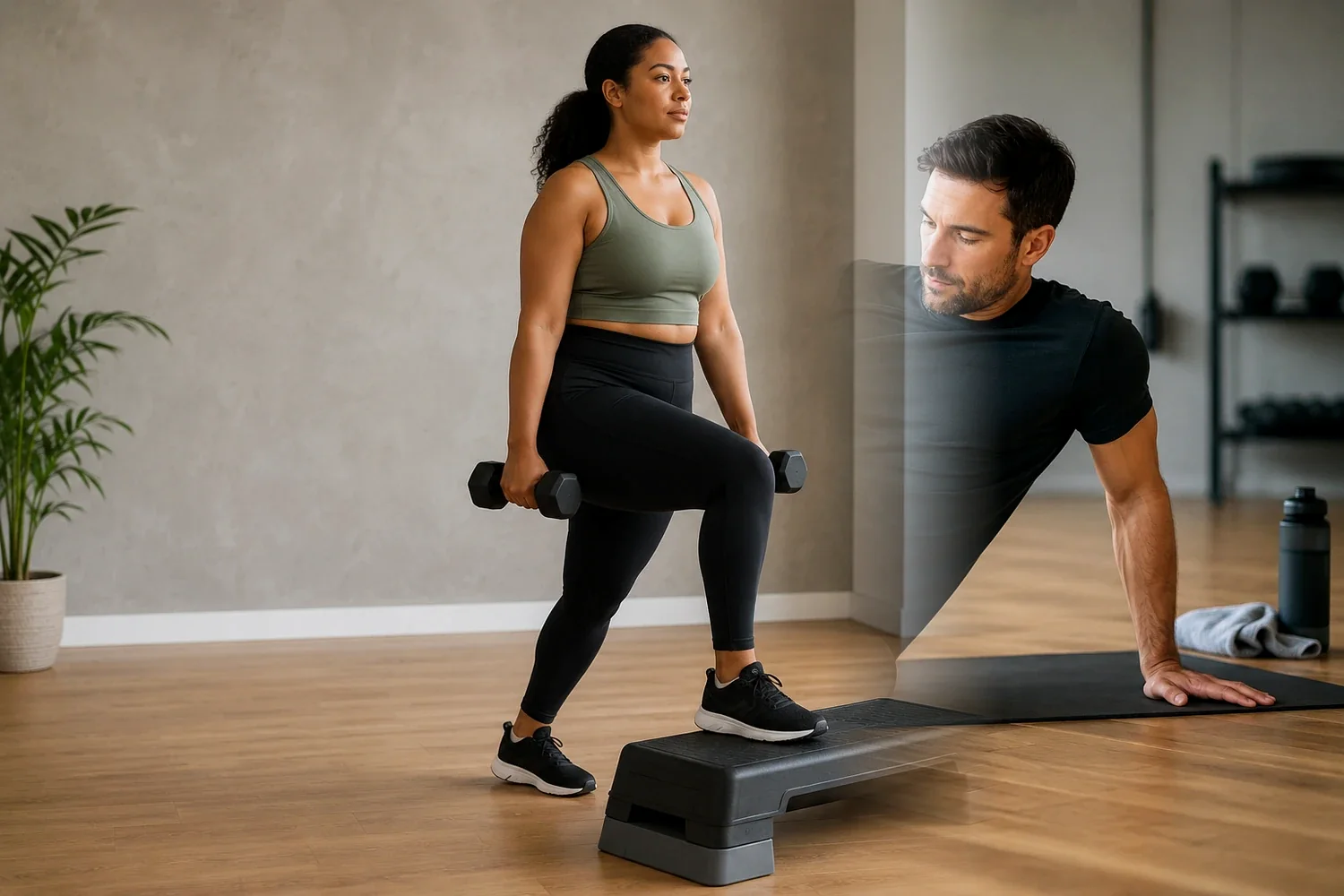
Progressive resistance training can improve muscle strength and physical function in older adults, including people starting from low fitness. Chair squats, step-ups, rows, presses and hip-hinge patterns can be scaled to current ability.
Training should be challenging enough to create adaptation but not so aggressive that soreness or fatigue prevents the next session. For people with marked weakness, supervised physical therapy may be more appropriate than an unsupervised gym plan.
Train Balance and Walking Capacity Too
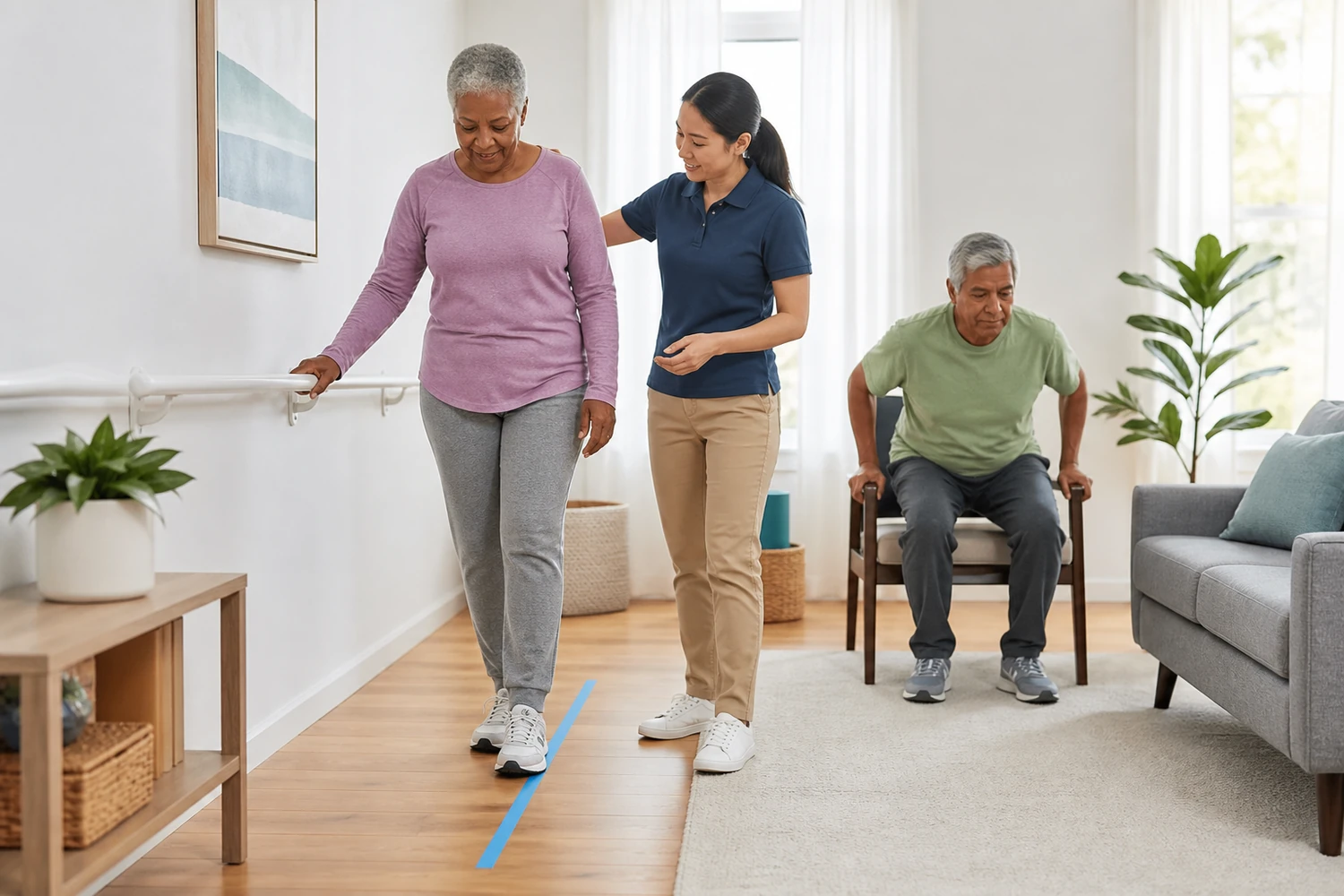
Strength is only one part of independence. Walking endurance, balance and the ability to react to a trip or uneven surface also matter. Include regular walking and simple balance exercises near a stable support.
If falls are already occurring, use the safety approach in our fall prevention guide for older adults and ask whether vision, footwear, blood pressure or medications contribute.
Unintentional Weight Loss Is a Red Flag
Older adults who lose weight unintentionally may lose a disproportionate amount of muscle, especially during illness. Low appetite, dental problems, difficulty swallowing, depression, medication side effects and food insecurity can all reduce intake.
Protein matters, but total calories matter too. Our protein after 50 guide can help with meal planning, while unexplained weight loss should be medically evaluated.
Illness and Hospitalization Can Accelerate Decline
Bed rest and inactivity during illness can cause rapid losses in strength, especially in people who already have low reserve. Early safe mobilization, rehabilitation and adequate nutrition can make recovery easier.
After hospitalization, a staged plan may be necessary. Returning immediately to a previous workout can be unrealistic, while doing nothing for weeks can prolong deconditioning.
Social Support Can Protect Activity and Nutrition
Living alone does not automatically cause frailty, but isolation can make shopping, cooking, exercise and medical follow-up harder. Regular contact can also help someone notice changes in mobility or appetite earlier.
Walking groups, community exercise, meal programs and family support can turn health advice into practical routines instead of leaving a person to solve every barrier alone.
Ask for Assessment When Daily Function Is Changing
Useful evaluations may include gait speed, chair-rise ability, grip strength, weight history, medication review and screening for depression, cognition, vision and hearing. The goal is to identify reversible contributors and the safest starting point for activity.
Our grip strength by age guide explains one simple physical-function measure, but no single test defines frailty.
Practical Takeaway
Frailty in older adults is not inevitable and should not be dismissed as “just getting old.” Watch for persistent weakness, slowing, exhaustion, low activity and unintentional weight loss, especially when several occur together.
Progressive strength training, walking, balance work, adequate nutrition, social support and treatment of medical barriers can all help preserve reserve. When function is clearly declining, professional assessment is appropriate.
Small Changes at Home Can Reveal Declining Reserve
Frailty may first appear as ordinary tasks becoming harder: using both arms to push out of a chair, holding the railing more tightly, skipping grocery trips, needing longer rest after bathing or avoiding stairs. These changes can be easy to dismiss because they happen gradually.
Family members can help by noticing patterns without treating the person as incapable. The goal is to preserve independence through support and targeted intervention, not to remove every challenging task.
Chair Stands Offer a Simple View of Lower-Body Function
The ability to rise from a chair repeatedly depends on leg strength, balance and coordination. Clinicians often use timed chair-stand tests as part of functional assessment because they resemble a task required every day.
If standing from a standard chair suddenly becomes difficult, especially with other signs such as slowing or weight loss, it is reasonable to seek assessment rather than simply buying a taller chair and ignoring the change.
Medication Review Can Be Part of Frailty Prevention
Older adults may accumulate prescriptions from several clinicians. Some combinations can contribute to dizziness, sedation, low blood pressure, appetite loss or weakness. Medication review can identify drugs that remain necessary, doses that may need adjustment and combinations that increase fall risk.
Never stop medication abruptly on your own. Bring an up-to-date list of prescription medicines, over-the-counter products and supplements to medical appointments.
Adequate Calories Matter as Much as Protein in Frailty Risk
A high-protein target is difficult to use if total food intake is too low. When appetite is limited, adding calorie- and protein-dense foods such as yogurt, eggs, nut butter, olive oil, cheese, tofu or smoothies may be more practical than filling up on very bulky low-calorie meals.
A dietitian can help when dental problems, swallowing difficulty, gastrointestinal disease or food insecurity make eating enough complicated.
Think in Eight-Week Functional Goals
Instead of aiming vaguely to “get stronger,” choose a function: stand from a chair without using the arms, walk to the end of the street without stopping, carry a light grocery bag or climb one flight of stairs more confidently. Then build training around that task for eight weeks.
Functional goals make progress visible and can improve motivation. They also show when a program needs adjustment because the task is not becoming easier.
How Families Can Help Without Taking Away Independence
Support works best when it removes barriers rather than taking over. Offer transportation to an exercise class, help stock easy protein foods, walk together or install safer lighting. Avoid automatically doing every task for someone who can still perform it safely, because activity itself helps preserve capacity.
Ask what the person wants to remain able to do. One person may care about gardening, another about traveling or playing with grandchildren. Those goals can guide exercise and rehabilitation more effectively than abstract advice to “stay active.”
If safety is becoming a concern, involve the older adult in decisions about assistive devices, home modifications and professional support. Preserving autonomy is part of healthy aging.
Frequently Asked Questions
Persistent weakness, slower walking, exhaustion, reduced activity and unintentional weight loss are common warning signs.
Some people improve substantially when exercise, nutrition, medical problems and social factors are addressed, especially in earlier stages.
No. Sarcopenia focuses on muscle loss and function, while frailty is a broader syndrome of reduced physiological reserve.
Progressive resistance training combined with walking and balance work is a practical foundation, adjusted to current ability.
Assessment is useful when strength, walking speed, weight, energy or ability to perform daily tasks is noticeably declining.
Safety and Scope
Marked weakness, repeated falls, rapid unintentional weight loss, fainting, new confusion or sudden loss of function warrants medical assessment. Very frail adults may need supervised rehabilitation before independent exercise.