Published by Best Fitness Routine. Editorial standards · Report a correction. Educational guidance; no individual clinical review is claimed unless a qualified reviewer is named.
Overview
“Shin splints” usually refers to exercise-related pain along the inner border of the tibia. It often appears after a rapid increase in running, marching, jumping or court sport. The discomfort can start during activity and become more noticeable afterward. Unlike an acute ankle sprain, there may be no single twist or fall.
Because stress fractures can also cause shin pain, do not assume that every lower-leg pain is harmless. Pain that becomes very focal, worsens with normal walking or persists at rest deserves more caution.
Typical Shin-Splint Symptoms
The pain is usually spread over a broader area along the lower or middle shin rather than one tiny spot. Tenderness may be present when you press along the inside edge of the tibia. Symptoms often start with running and may improve when the workload is reduced.
If the main pain is at the back of the heel or along the Achilles tendon, see Achilles tendinopathy instead.
Why Training Load Is So Important
Bones and soft tissues adapt to impact over time. Trouble often starts when mileage, speed, hills, jumping or practice frequency rises too quickly relative to recovery. Returning after a long break is another high-risk moment because cardiovascular fitness may improve faster than the lower leg adapts to impact.
The strength work in strength training for runners can help you build calf, hip and trunk capacity while keeping running volume sensible.
Shin Splints vs. a Possible Stress Injury
A stress injury is more concerning when pain is very localized to one spot, worsens progressively, occurs with ordinary walking or at rest, or is accompanied by swelling. A clinician may recommend imaging depending on the history and examination. Do not keep running hard just to “test” whether focal bone pain is still there. Keep your session notes in a workout logbook (paid link) so you can compare the activity and recovery discussed here.
Early Recovery
Reduce the impact activity that provokes symptoms and replace some sessions with cycling, pool work or another lower-impact option. Keep normal daily movement if it is comfortable. Ice may help short-term soreness, but the bigger intervention is reducing the load that triggered the problem.
The active recovery workout can provide ways to stay active without turning every day into another running test.
Strength and Mobility
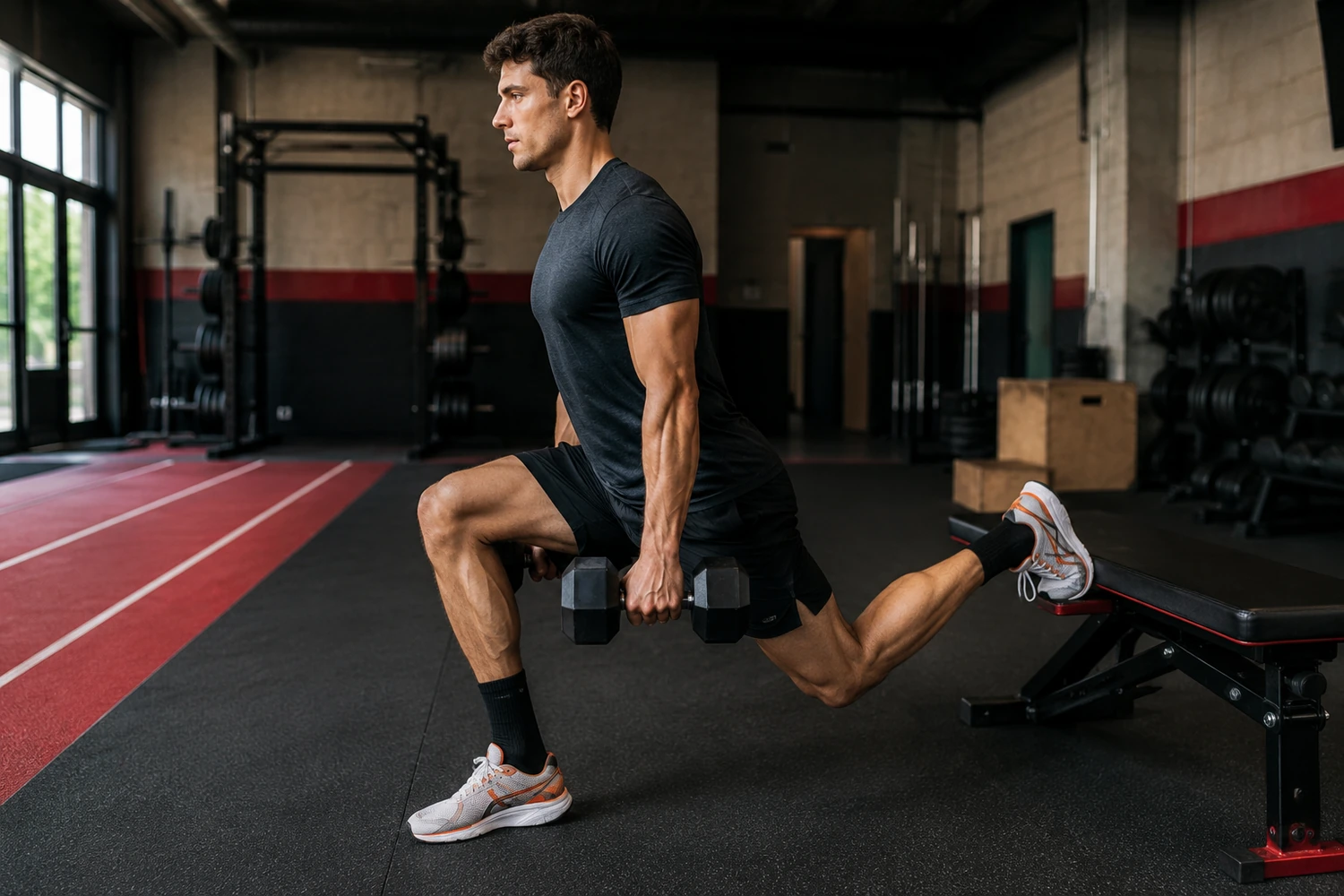
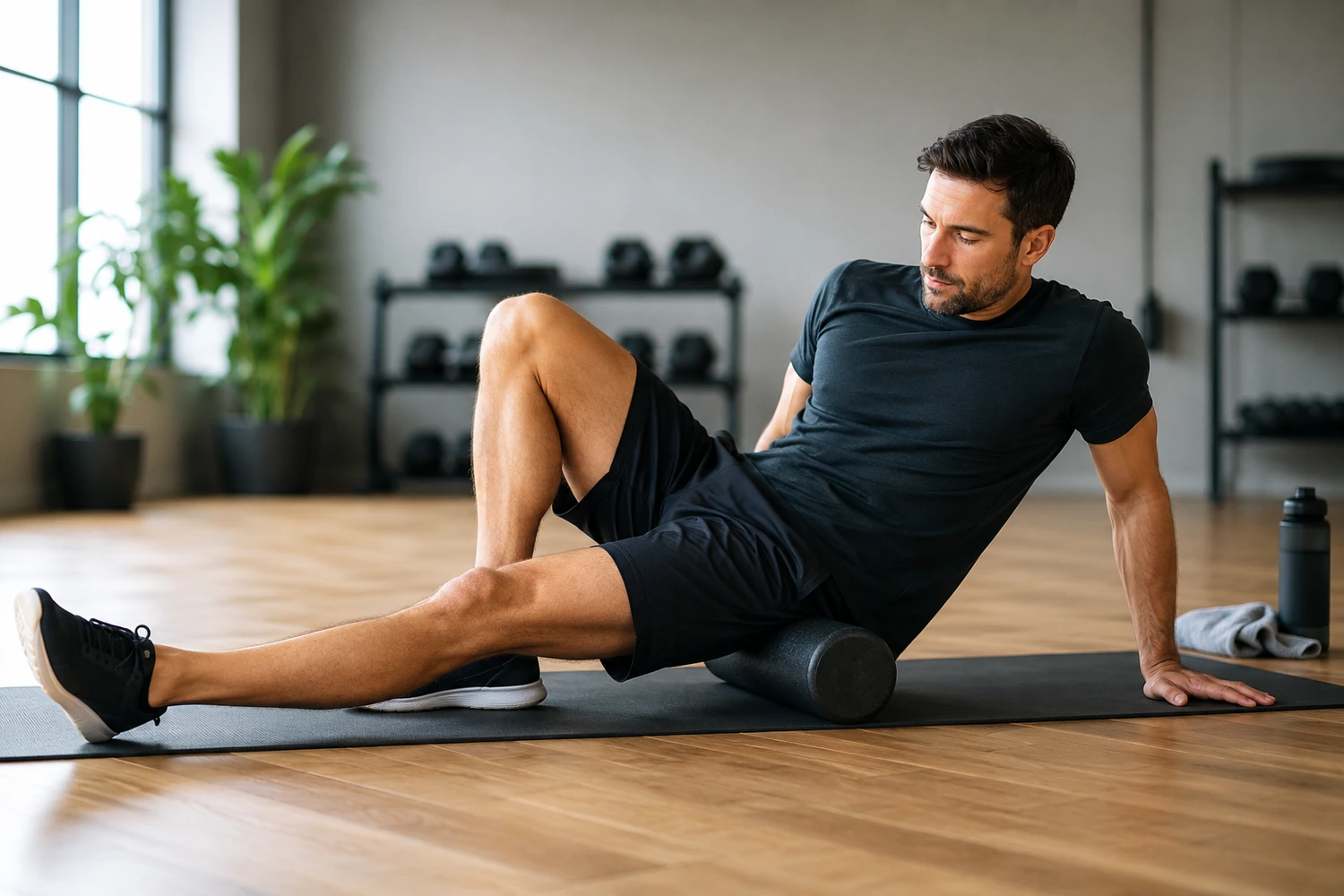
Calf raises, tibialis raises, foot-strength exercises, step-down control and hip strength can all be useful parts of a runner’s program. Mobility work should target actual restrictions rather than aggressively stretching every structure in the lower leg. Build these exercises gradually and keep them separate from your hardest running sessions at first.
For general flexibility questions, stretching before or after a workout explains why dynamic preparation before running and longer mobility work later may serve different purposes.
A Gradual Return to Running
Start once ordinary walking is comfortable and lower-leg tenderness is improving. Use short, flat runs or run-walk intervals, then build total time before adding hills, speed and consecutive running days. If symptoms are worse during the run, remain elevated afterward or are clearly worse the next morning, reduce the dose. An optional exercise interval timer (paid link) can help you time the activity and rest periods described here.
If the lower leg or ankle has also been injured, the ankle sprain recovery guide can help separate ligament rehab from shin overuse management.
Common Mistakes
- Continuing the same mileage and hoping the pain will “warm up.”
- Taking complete rest until pain disappears, then jumping straight back to full training.
- Adding new shoes, hills and speed work at the same time.
- Ignoring very focal bone tenderness or pain with ordinary walking.
- Using stretching as the only intervention when the main problem was a sudden load increase.
When Shin Pain Needs Assessment
Seek medical evaluation for focal bone pain, swelling, pain that occurs at rest or at night, symptoms that worsen with normal walking, or pain that does not improve after reducing impact. Sudden severe pain after trauma, numbness, circulation changes or an inability to bear weight also needs prompt care.
What to Track
- Weekly running or jumping volume before symptoms began.
- Recent changes in shoes, surface, hills or speed work.
- Whether pain is diffuse or very focal.
- Pain during normal walking and at rest.
- Tenderness and swelling.
- How symptoms respond the next morning after exercise.
Prevention and Long-Term Outlook
Build running volume progressively, keep easy days truly easy, use strength training to support the lower leg, and allow recovery after hard impact sessions. A sensible plan is more reliable than any single shoe or stretching routine. The goal is to make the lower leg gradually more tolerant to the exact activity you enjoy.
How to Judge Progress
Progress means ordinary walking is comfortable, shin tenderness is shrinking rather than becoming more focal, and short impact sessions no longer create an escalating next-day reaction. If the painful area becomes more localized or symptoms begin occurring at rest, stop using return-to-running tests as your main strategy and seek assessment.
Questions to Ask a Clinician or Physical Therapist
- Is the tenderness consistent with shin splints or a bone stress injury?
- Do I need imaging?
- How much impact should I remove and for how long?
- What milestones should I meet before running again?
Frequently Asked Questions
Running through increasing pain is not a good strategy. Reduce impact and rebuild gradually, especially if symptoms are worsening from session to session.
Shin splints are often more diffuse, while a stress injury may produce focal bone tenderness and pain that progresses into walking or rest. An examination is needed when you are unsure.
Shoes can influence comfort and load, but shin splints usually involve multiple factors such as training volume, recovery and tissue capacity rather than one shoe alone.
Progressive calf strengthening can be useful as part of a wider plan that also addresses running load, foot and hip strength and recovery.
Get assessed for focal bone pain, swelling, pain with ordinary walking or rest, symptoms that keep worsening, or failure to improve after an appropriate reduction in impact.
Safety and Scope
Do not continue high-impact exercise through focal or worsening bone pain. Pain that becomes localized to one spot, occurs with ordinary walking or rest, is associated with swelling, or follows significant trauma needs medical assessment for a possible stress injury or other condition.