What Makes Starch “Resistant”?
Most dietary starch is broken down into glucose in the small intestine. Resistant starch resists that digestion to some degree and enters the large intestine, where microbes can ferment it. The fermentation can produce short-chain fatty acids, including butyrate, which is an important fuel for colon cells.
Resistant starch is often grouped into several types based on why it resists digestion—for example, starch trapped inside whole seeds or legumes, raw granular starch in some foods, and retrograded starch that forms after certain cooked starches cool.
Foods That Can Provide Resistant Starch
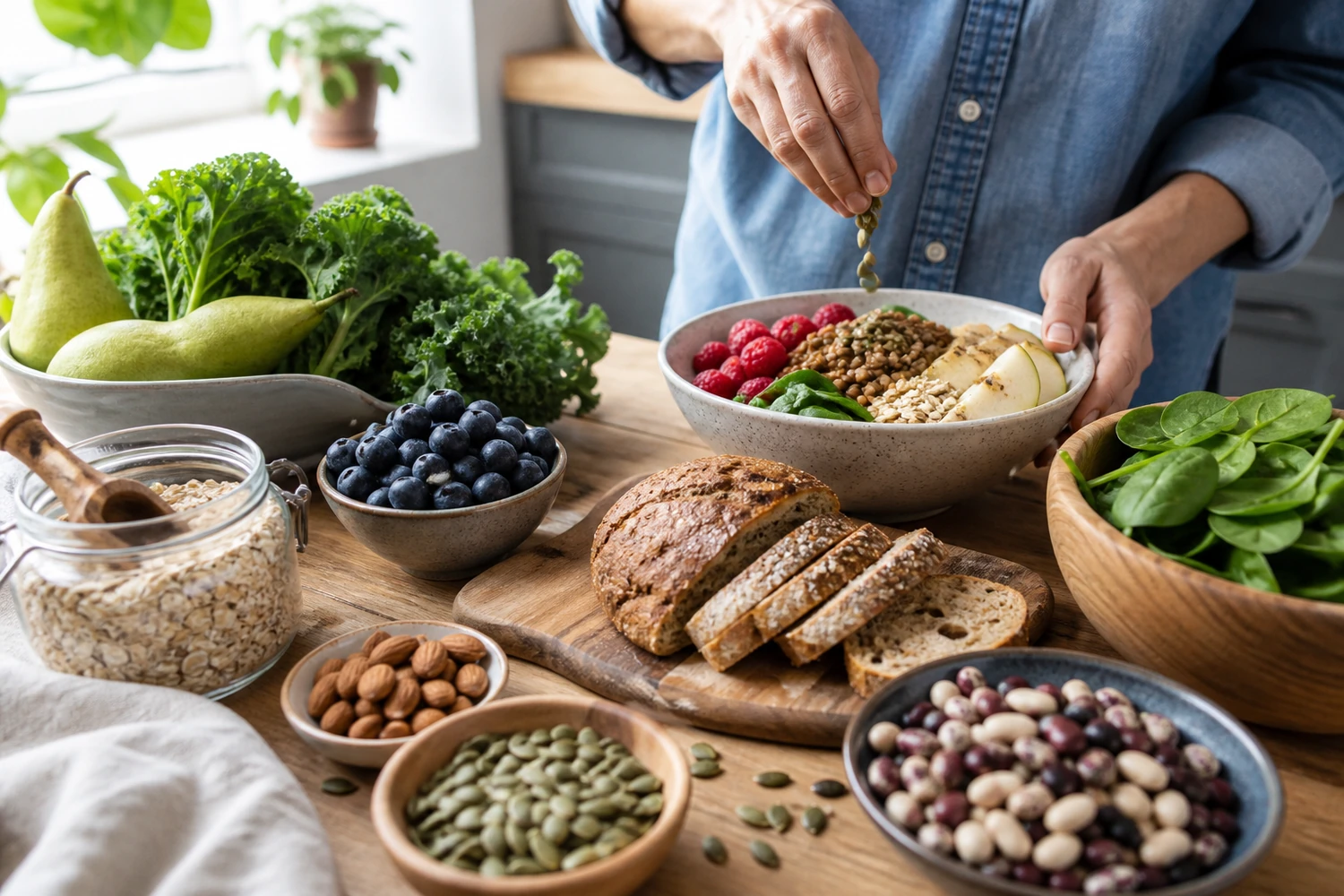
Sources include beans and lentils, oats, barley, less-ripe bananas, cooked-and-cooled potatoes, rice and pasta, and some whole grains. The exact amount varies widely. A food does not need a huge resistant-starch number to be useful; these foods can also provide fiber, vitamins, minerals and plant compounds.
Our dietary fiber guide explains how resistant starch fits into the broader family of carbohydrates that reach the colon.
Why Cooking and Cooling Matter
When starch-rich foods such as potatoes or rice are cooked, the starch granules change. During cooling, some starch chains can reorganize into structures that are less easily digested, a process called retrogradation. Reheating does not necessarily remove all of the resistant starch that formed.
This does not mean cold potatoes are automatically “better” than hot potatoes or that cooling cancels calories or blood-glucose effects. It simply changes the digestibility of a portion of the starch.
How Resistant Starch Interacts With the Microbiome
Different gut microbes can use resistant starch directly or rely on metabolites made by other organisms. Studies show that resistant starch can shift microbial composition and increase production of fermentation products, but the response differs substantially between people.
A recent meta-analysis found that resistant starch interventions can alter gut microbial patterns, yet specific changes depend on the resistant starch type, dose, diet and baseline microbiome. This is another reason not to chase a single “good bacteria” result.
Possible Metabolic Benefits
Researchers have studied resistant starch for post-meal glucose, insulin sensitivity, appetite and body weight. Some trials show favorable effects, while others are mixed. It is difficult to separate resistant starch from the broader benefits of whole grains, legumes and minimally processed foods when these are the source.
Use resistant-starch foods as part of a balanced meal rather than as a supplement-based shortcut for blood sugar control.
How to Add It Without Causing Excess Gas
Because resistant starch is fermented in the colon, large increases can produce gas, bloating or changes in stool. Start with ordinary food portions rather than large amounts of raw potato starch or green-banana powder. Increase slowly over one to two weeks if you tolerate it.
If you already have IBS or significant bloating, your response may depend on the rest of your fermentable carbohydrate intake. See our bloating guide for a more complete approach.
Practical Meal Ideas
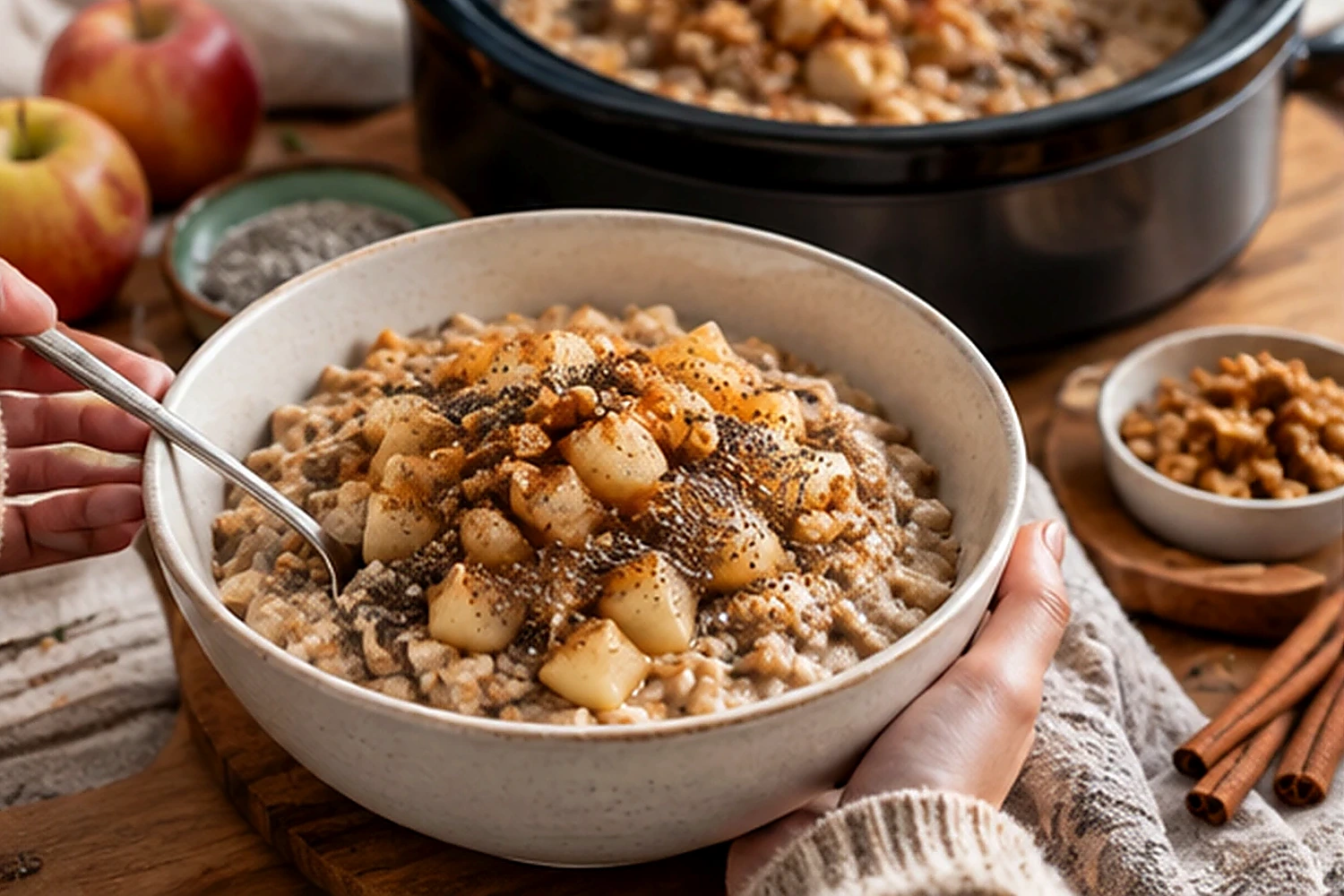
Add beans to a grain bowl, use oats at breakfast, make a potato salad from cooked-and-cooled potatoes, or include a smaller portion of cooled rice in a balanced lunch. Pair the starch with protein, vegetables and healthy fats rather than treating resistant starch as the only important feature.
For a simple meal structure, use the balanced plate method and let resistant-starch foods fill part of the carbohydrate section.
What About Resistant Starch Powders?
Powders such as raw potato starch can provide concentrated resistant starch, but the dose is much higher than many people are used to in food. This can create more gas and may not provide the vitamins, minerals and other fibers found in whole foods.
If you experiment with a powder, start low and consider discussing it with a dietitian if you have diabetes, significant gastrointestinal symptoms or a history of restrictive eating.
Food Safety With Cooked-and-Cooled Starches
Cooling rice or potatoes for resistant starch does not change basic food-safety rules. Refrigerate cooked foods promptly in shallow containers, keep the refrigerator cold, and reheat leftovers safely. Do not leave cooked rice or potatoes at room temperature for long periods.
The goal is a safe meal, not maximizing starch resistance at the expense of proper handling.
Resistant Starch Checklist
- Use beans, oats, barley, less-ripe bananas or cooled starches as practical sources.
- Increase portions gradually if you are sensitive to fermentation.
- Pair resistant-starch foods with protein and vegetables.
- Follow normal leftover and refrigeration safety.
- Do not assume a resistant-starch supplement is necessary.
The Main Types of Resistant Starch
Researchers often describe resistant starch as RS1 through RS5. RS1 is physically trapped inside intact grains, seeds or legumes. RS2 is found in ungelatinized granules such as raw potato starch and less-ripe bananas. RS3 forms when cooked starches cool and retrograde. RS4 is chemically modified starch used in some food products, while RS5 refers to starch-lipid complexes.
You do not need to track these categories in daily life, but they explain why two foods with similar total carbohydrate can deliver different amounts of resistant starch to the colon.
Resistant Starch and Blood Sugar: Keep Expectations Realistic
Because resistant starch is less digestible than ordinary starch, researchers have examined whether it can reduce post-meal glucose or improve insulin sensitivity. Some trials are encouraging, but effects depend on the type and dose and are not strong enough to replace diabetes medication or overall carbohydrate planning.
If you use insulin or medicines that can cause hypoglycemia, do not make major carbohydrate changes without understanding how they affect your glucose pattern.
Batch Cooking Without Turning It Into a Hack
Cooking a batch of potatoes, rice, barley or pasta and cooling portions for later meals can be convenient even if resistant starch is not your main goal. It saves time and can make balanced lunches easier to assemble. Refrigerate promptly and use leftovers within safe storage windows.
Think of resistant starch as a bonus feature of a well-planned meal, not a reason to eat large quantities of one starch every day.
Not Every Starchy Food Is a Resistant-Starch Food
Freshly baked bread, hot mashed potatoes and fully ripe bananas may contain less resistant starch than some cooled starches, legumes or less-ripe bananas. That does not make them unhealthy. Resistant starch is only one feature of carbohydrate quality alongside fiber, portion size, micronutrients and the rest of the meal.
A practical diet can include both resistant and readily digestible starches. Athletes, for example, may sometimes prefer easily digested carbohydrates around training, while other meals can emphasize legumes, oats or cooled grains.
Resistant Starch and IBS
Some people with IBS tolerate resistant starch better than certain rapidly fermented FODMAP fibers, while others still experience gas or discomfort. The response depends on dose and the rest of the diet. If symptoms increase, reduce the portion rather than assuming you need to “push through” for microbiome benefits.
A dietitian familiar with IBS can help identify a tolerable mix of fibers so that symptom control does not lead to unnecessary long-term restriction.
Portion Size Still Matters
Resistant starch does not make a large portion metabolically invisible. Potatoes, rice, oats and other starches still contribute carbohydrate and calories, even when a fraction resists digestion. Portion size, protein, vegetables, activity level and medication use all influence the overall response to a meal.
Use resistant starch as one quality feature rather than a license to ignore the rest of the plate.
Keep Resistant Starch Inside a Varied Diet
Rotating beans, oats, barley, potatoes, rice and fruit is more useful than building the entire diet around one resistant-starch source. Different foods provide different fibers, minerals and plant compounds, so variety supports both nutrition and microbial diversity better than repeatedly maximizing one ingredient.
Practical Takeaway
Resistant starch is an interesting bridge between carbohydrate digestion and the gut microbiome. You can get it from ordinary foods, especially legumes, oats, less-ripe bananas and some cooked-and-cooled starches. Start gradually, keep the whole meal balanced and judge tolerance rather than chasing a laboratory-style target.
Frequently Asked Questions
It behaves like fermentable fiber in many ways, but it is chemically a form of starch that resists digestion in the small intestine.
Some resistant starch can remain after reheating, although the exact amount varies by food and preparation.
Less-ripe bananas generally contain more resistant starch than ripe bananas, which convert more starch to sugars as they ripen.
Yes. Because microbes ferment it, larger doses can increase gas, bloating or stool changes.
No. Many people can get resistant starch from foods, which also provide other nutrients.
Safety and Scope
People with significant digestive disease, severe IBS symptoms, diabetes requiring medication adjustment, or a history of restrictive eating should discuss major dietary changes or concentrated resistant-starch supplements with a qualified professional.