
Published by Best Fitness Routine. Editorial standards · Report a correction. Educational guidance; no individual clinical review is claimed unless a qualified reviewer is named.
Overview
Noise-induced hearing loss can build gradually and may be permanent. Risk depends on both loudness and duration: louder sound can damage hearing in less time. Everyday protection follows three ideas—turn it down, move away and wear properly fitted protection when the noise cannot be controlled. Ringing, muffled hearing or difficulty understanding speech are reasons to reduce exposure and seek appropriate hearing care. For a closely related next step, see our Digital Eye Strain: How to Protect Your Eyes From Screen Time.
Recognize Excessive Noise
If you must shout to speak with someone an arm’s length away, the environment may be hazardous. Pain is not a reliable early warning. Look at the full pattern rather than judging one day. Personal needs, access, culture and medical history can change the most useful choice. A repeatable baseline makes later adjustments easier to interpret.
Notice loud tools, concerts, sporting events, fireworks, motorcycles and high-volume headphones before exposure begins. Begin at a level that feels manageable on a normal weekday. Prepare the environment in advance and decide what the smaller backup action will be. Build only after the first version feels reliable. Do not wait for ringing ears before deciding protection was needed.
Lower Personal Listening Volume
Headphones can produce damaging levels, especially near maximum volume or in noisy places where users turn them up. This step is useful because it connects everyday decisions with a clear health purpose. It should fit the person’s current ability and resources, not an idealized routine seen online. Progress can be gradual and still be meaningful.
Set a comfortable lower level, use device exposure alerts when available and take quiet breaks. Make the next step specific enough to put on a calendar or list. Ask for qualified help when technique, symptoms or a diagnosed condition changes what is safe. Flexibility protects long-term consistency. A percentage volume rule is only a rough guide because devices and headphones differ.
Increase Distance
Sound intensity generally falls with distance from the source. Standing away from speakers, machinery and fireworks reduces exposure. The practical value comes from consistency and context. A small action repeated through ordinary weeks usually teaches more than an extreme short challenge. Keep the parts that improve comfort, function or follow-through. The site’s How to Improve Sleep Quality: 12 Healthy Sleep Habits explains this connected topic in more detail.
Choose seating farther from speakers and step into a quiet area periodically during long events. Begin at a level that feels manageable on a normal weekday. Prepare the environment in advance and decide what the smaller backup action will be. Build only after the first version feels reliable. Distance cannot make shooting sports or extremely loud machinery safe without protection. This approach also works well alongside How to Build Healthy Habits That Actually Last.
Wear the Right Protection
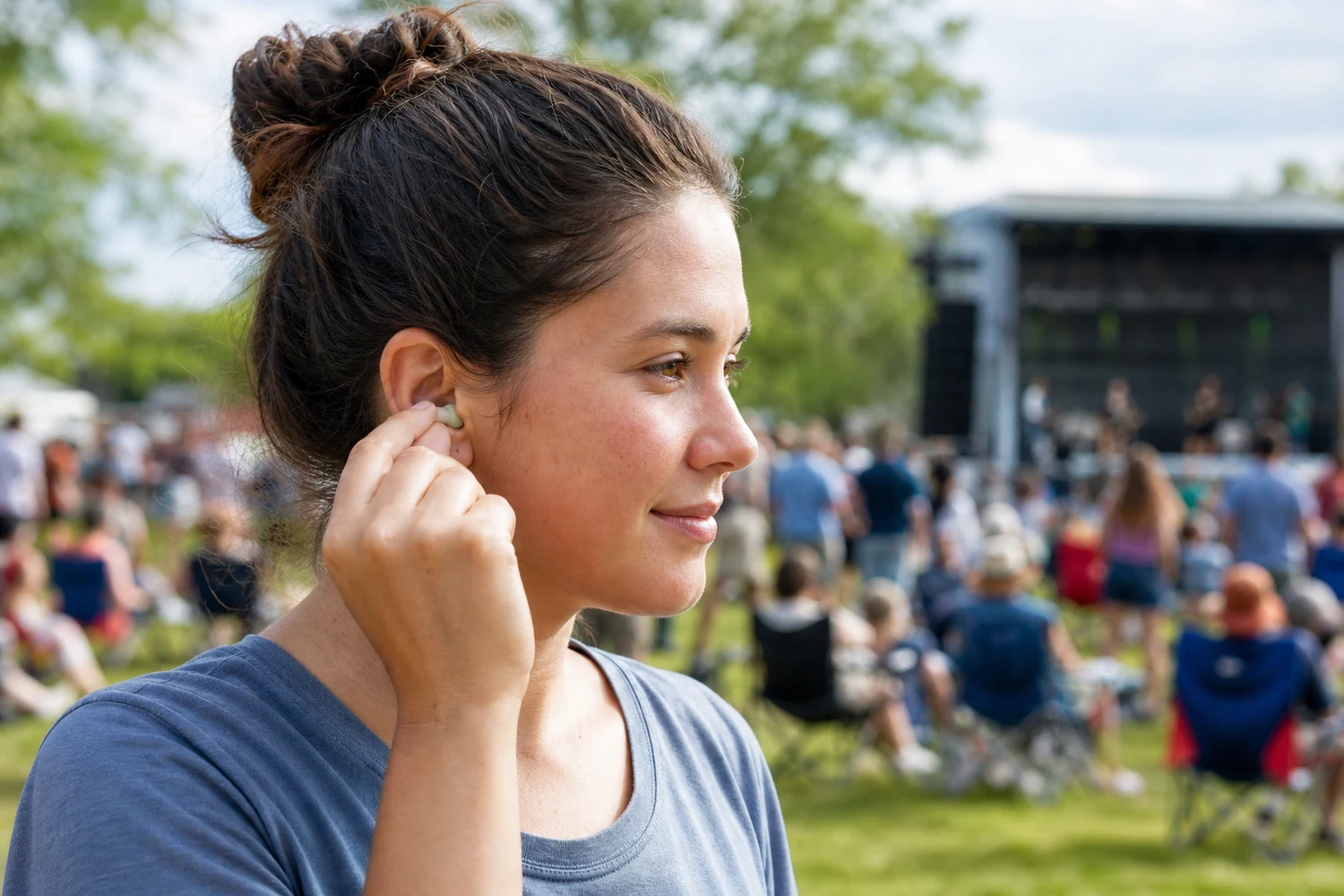
Foam plugs, reusable plugs and protective earmuffs can reduce sound when fitted correctly. The best option is one suitable for the setting and worn consistently. Individual responses differ, so observe the result over time. Cost, schedule, symptoms and preferences are legitimate parts of the decision. A plan that cannot survive busy days needs a simpler version.
Practice fitting protection before the event and carry a clean spare pair. Make the next step specific enough to put on a calendar or list. Ask for qualified help when technique, symptoms or a diagnosed condition changes what is safe. Flexibility protects long-term consistency. Loose plugs or lifted earmuffs provide less protection than expected.
Protect Hearing at Work
Workplace hearing conservation may include noise measurement, engineering controls, training, testing and required protection. Look at the full pattern rather than judging one day. Personal needs, access, culture and medical history can change the most useful choice. A repeatable baseline makes later adjustments easier to interpret.
Follow the employer’s program and report damaged equipment, poor fit or worsening symptoms. Begin at a level that feels manageable on a normal weekday. Prepare the environment in advance and decide what the smaller backup action will be. Build only after the first version feels reliable. Personal protection should not replace feasible controls that reduce noise at the source.
Give Ears Recovery Time
After loud exposure, temporary muffling or ringing indicates the auditory system was stressed. Repeated episodes can accumulate. This step is useful because it connects everyday decisions with a clear health purpose. It should fit the person’s current ability and resources, not an idealized routine seen online. Progress can be gradual and still be meaningful.
Move to a quiet environment and avoid another loud activity while symptoms settle. Make the next step specific enough to put on a calendar or list. Ask for qualified help when technique, symptoms or a diagnosed condition changes what is safe. Flexibility protects long-term consistency. Persistent or one-sided symptoms need professional evaluation.
Use Earbuds and Ear Care Safely
Cotton swabs and objects can push wax deeper or injure the ear canal. Earwax often moves outward naturally. The practical value comes from consistency and context. A small action repeated through ordinary weeks usually teaches more than an extreme short challenge. Keep the parts that improve comfort, function or follow-through.
Clean only the outer ear and ask a clinician about blocked hearing, pain or discharge. Begin at a level that feels manageable on a normal weekday. Prepare the environment in advance and decide what the smaller backup action will be. Build only after the first version feels reliable. Never use ear candles, which can burn and obstruct the ear. Keep questions and reports together in a medical-record organizer (paid link) for your next planned appointment.
Arrange a Hearing Check
Difficulty following conversation, turning volume up, tinnitus or family concern can signal hearing change. Individual responses differ, so observe the result over time. Cost, schedule, symptoms and preferences are legitimate parts of the decision. A plan that cannot survive busy days needs a simpler version.
Seek an audiology or medical assessment and bring details about noise exposure, medicines and symptom timing. Make the next step specific enough to put on a calendar or list. Ask for qualified help when technique, symptoms or a diagnosed condition changes what is safe. Flexibility protects long-term consistency. Sudden hearing loss is time-sensitive and requires urgent evaluation.
Common Hearing Health Mistakes to Avoid
Mistakes around hearing health usually come from doing too much too quickly, treating a population guideline as a personal prescription, or following one number without context. The goal is not flawless behavior. It is a safer system that helps a person notice a problem, correct it early and continue with less friction.
Use the cautions below as a review before changing the routine. Several of them involve symptoms, medicines or diagnosed conditions that need professional input. Internet advice should never be used to delay appropriate care.
- Do not wait for ringing ears before deciding protection was needed.
- A percentage volume rule is only a rough guide because devices and headphones differ.
- Distance cannot make shooting sports or extremely loud machinery safe without protection.
- Loose plugs or lifted earmuffs provide less protection than expected.
- Personal protection should not replace feasible controls that reduce noise at the source.
- Persistent or one-sided symptoms need professional evaluation.
- Never use ear candles, which can burn and obstruct the ear.
- Sudden hearing loss is time-sensitive and requires urgent evaluation.
A Practical Two-Week Action Plan
For the first seven days, choose two actions from this hearing health guide and place them into existing routines. Keep the minimum version easy enough for a busy day. Note completion, comfort and any symptoms once daily; avoid constant checking or trying to perfect every related behavior at once. A health appointment notebook (paid link) can keep your questions and routine observations together for a planned visit.
During the second week, keep the action that worked best and adjust the main barrier to the other. Improvement might mean greater consistency, better understanding, easier preparation or a useful clinical question—not an instant change in appearance or a single measurement. Continue only changes that remain safe and realistic.
- Days 1–2: Notice loud tools, concerts, sporting events, fireworks, motorcycles and high-volume headphones before exposure begins.
- Days 3–4: Choose seating farther from speakers and step into a quiet area periodically during long events.
- Days 5–6: Follow the employer’s program and report damaged equipment, poor fit or worsening symptoms.
- Days 7–8: Clean only the outer ear and ask a clinician about blocked hearing, pain or discharge.
Measure Progress Without Chasing Perfection
Choose one behavior measure and one real-life outcome for hearing health: how to protect your hearing every day. A behavior measure could be the number of planned actions completed. A real-life outcome could be comfort, confidence, energy, function, fewer missed tasks or a clearer conversation with a professional. These are more informative than daily self-criticism.
Review the record weekly and compare several weeks rather than reacting to one unusual day. Illness, travel, sleep and stress can temporarily change results. If tracking causes anxiety or compulsive checking, simplify it or stop and seek appropriate support. Sustainable health work should make life more manageable, not narrower. You can put this idea into practice with How to Manage Stress With Simple Daily Habits.
Know When to Get Professional Help
This is prevention guidance, not a hearing test. Sudden loss, severe pain, drainage, dizziness or one-sided symptoms need prompt professional care. Keep a short record of onset, duration, triggers, related symptoms, medicines and what has already been tried. Clear context helps a qualified professional decide whether examination, testing, treatment or reassurance is appropriate.
Use urgent or emergency services for severe, sudden or rapidly worsening symptoms, danger to safety, loss of consciousness, major breathing difficulty or another local emergency. Routine lifestyle guidance is most useful after immediate danger has been ruled out. When uncertain, contact an appropriate local healthcare service rather than waiting for an article to answer an individual diagnosis.
Frequently Asked Questions
Risk rises with both level and time. Needing to shout at arm’s length is a practical warning sign.
They may help users avoid turning sound up, but consumer headphones are not automatically certified protective equipment.
Temporary muffling may improve, but repeated exposure can cause permanent damage. Prevent the next exposure.
Fit, setting and consistent use matter. Very loud environments may require combined protection under professional guidance.
Sudden hearing loss, especially in one ear, requires urgent medical assessment.
Safety and Scope
This is prevention guidance, not a hearing test. Sudden loss, severe pain, drainage, dizziness or one-sided symptoms need prompt professional care.