Stop exercising and seek immediate medical care for chest pain, trouble breathing, fainting, severe headache, heavy bleeding or other urgent maternal warning signs. For severe symptoms or immediate danger, contact local emergency services. Tell the care team when you gave birth. Do not wait to finish reading this page.
General health education from our editorial team; this page does not replace individualized maternity or physiotherapy care. Read our editorial policy.
About This Guide
Postpartum exercise warning signs deserve attention even when a workout is short or gentle. Stop the activity when you develop concerning symptoms, then choose medical help according to the symptom—not according to how many weeks have passed since birth. This page helps organize that decision; it cannot diagnose the cause or provide a complete list of emergencies.
Stop and get urgent help for serious symptoms
If you have severe chest pain, serious difficulty breathing, collapse, sudden very heavy bleeding or feel immediately unsafe, contact local emergency services now. Do not finish the session or drive yourself if you feel faint or seriously unwell. Tell responders when you gave birth. Urgent symptoms can occur during rest as well as during activity, so do not assume exercise explains them.
The CDC urgent maternal warning-sign list applies during pregnancy and the year after delivery. It calls for immediate medical care for warning signs including a severe or worsening headache, vision changes, fainting, fever of 100.4°F/38°C or above, severe persistent belly pain, trouble breathing, chest pain, or marked one-sided limb pain or swelling. Heavy bleeding that soaks at least one pad in an hour, large clots or foul-smelling discharge also warrants immediate care. This summary is not exhaustive.
Do not use bleeding as a workout-tolerance test
Do not walk another lap or repeat an exercise to see whether concerning bleeding happens again. Stop and seek advice about a persistent or increasing change, even if it is not at the heavy-bleeding threshold above. NICE postnatal care guidance recommends advice without delay for sudden, very heavy, persistent or increased bleeding, as well as symptoms such as fever or worsening abdominal, pelvic or perineal pain.
Describe the change plainly: when it started, whether it is increasing and whether you feel faint or unwell. You do not need to identify a diagnosis before making the call. Sudden very heavy bleeding with faintness or a pounding heart is an emergency. Avoid waiting for the next scheduled postnatal appointment to discuss it.
Pause progression for leakage, pressure or movement-related pain
Urinary leakage, pelvic heaviness, a dragging feeling or pain during exercise should not be treated as a challenge to push through. Stop the provoking activity and arrange assessment with your maternity team, primary care clinician or a pelvic health physiotherapist, depending on your local service. Recurrent symptoms matter even when they disappear as soon as the session ends.
This category is different from the emergency symptoms above, but the distinction is not a diagnosis. Severe, new or worsening pain, difficulty passing urine, feeling generally unwell or accompanying urgent symptoms need medical advice promptly. Do not use a smaller weight, a support garment or a different breathing cue as proof that an underlying problem is resolved.
Seek prompt advice about a wound change
A caesarean incision or birth-related tear needs appropriate recovery care independently of your fitness goals. Increasing wound redness, swelling, pain, discharge or an opening of the wound is a reason to contact your maternity team or clinician promptly. Fever or feeling very unwell makes the concern more urgent. Follow your discharge instructions and do not wait for an exercise coach to decide whether the wound looks normal.
The NHS caesarean recovery guidance advises contacting a midwife or GP straight away about severe pain, heavy bleeding, worsening wound changes, urinary problems or symptoms that could suggest a clot or infection. Exercise modifications cannot replace that assessment. Keep dressings and prescribed care as instructed rather than applying a product recommended by a workout video.
Separate a demanding day from unexplained severe symptoms
A tired day can justify rest or a shorter activity plan. Sudden overwhelming weakness, dizziness, unusual breathlessness or a racing heartbeat should not automatically be attributed to sleep loss, dehydration or being unfit. The NHS guide to your body after birth lists chest and breathing symptoms, calf symptoms, severe bleeding and headache with vision changes among problems needing urgent attention.
Wearables cannot clear these symptoms. A normal-looking pulse, oxygen reading, recovery score or step total does not rule out a serious postpartum problem. Do not keep exercising to obtain another reading. Seek medical advice according to the symptoms and tell the clinician about the recent pregnancy, including complications or treatment you received.
Take mental health concerns seriously too
If you have thoughts of harming yourself or your baby, feel unable to stay safe, or have severe confusion or unusual perceptions, stop the activity and seek urgent help. Ask a trusted person to stay with you and help arrange care. Exercise is not the immediate treatment decision for a safety crisis. There is no need to finish a walk before speaking up.
For persistent anxiety, low mood, loss of interest or difficulty coping without immediate danger, contact your maternity team or primary care clinician. The NHS new-parent health guidance encourages professional support when you are struggling emotionally. A workout routine can be one part of everyday wellbeing, but it does not replace assessment or treatment for postnatal mental health difficulties.
Prepare a clear message when asking for help
Begin with the important context: “I gave birth recently, and I am having a new symptom.” State the birth date, the symptom and when it began. Explain whether it is happening now, getting worse or affecting your ability to stand, breathe, walk or care for yourself. Say what activity you were doing, but avoid presenting exercise as the diagnosis.
Useful details include delivery type, relevant complications, medication and instructions you were given. If someone is helping, ask them to bring the discharge information or medication list. Do not delay an urgent call while assembling notes, taking photographs or checking an app. Information is helpful when available; it is not a condition for receiving care.
Act again if the situation changes or you cannot reach help
Ask for a specific plan before ending a non-emergency advice call: what should you do now, who will review you and what changes mean you should seek urgent care? If symptoms worsen or you are seriously concerned, seek further help rather than relying on an earlier explanation. Tell the next professional what advice you received and what has changed.
ACOG patient-safety resources advise getting help right away for urgent maternal warning signs and going to an emergency department if you cannot reach your provider. Remember to mention pregnancy within the past year. A previously uncomplicated birth or a reassuring routine check does not remove the need to assess a new problem.
Return to activity after the concern has been addressed
After an assessment, ask how the advice changes the activity you wanted to do. Clarify whether you should pause it completely, use an alternative or begin again at a different dose. Write down any restriction and the planned review. Do not restart simply because a symptom temporarily disappears while you are resting.
Once an appropriate return is agreed, use the postpartum walking plan or strength training after pregnancy guide for practical session organization. These pages cannot override clinical instructions. A missed workout needs no compensation; addressing the reason you stopped comes first.
Frequently Asked Questions
Yes. Stop the provoking activity and arrange assessment before progressing. Pelvic heaviness is not a symptom to push through. Seek more urgent medical advice if it is severe, worsening or accompanied by pain, bleeding, difficulty urinating or feeling unwell.
No. Consumer fitness readings cannot rule out postpartum emergencies or explain a new symptom. Seek help based on what you are experiencing, even when the device shows an ordinary pulse, oxygen estimate or recovery score.
No. New, persistent or increasing bleeding after birth needs advice, and sudden very heavy bleeding or bleeding with faintness requires emergency help. Do not assume a symptom is harmless because the first days of recovery have passed.
Do not wait for a routine appointment when you have urgent warning signs, worsening symptoms or a new concern needing prompt advice. Tell the care team when you gave birth and ask what to do now. This article is not a substitute for an assessment.
Sources and Further Reading
- CDC: Urgent maternal warning signs
- NICE: Postnatal care recommendations
- NHS: Caesarean recovery
- NHS: Your body after birth
- NHS: Keeping fit and healthy with a baby
- ACOG: Patient safety resources
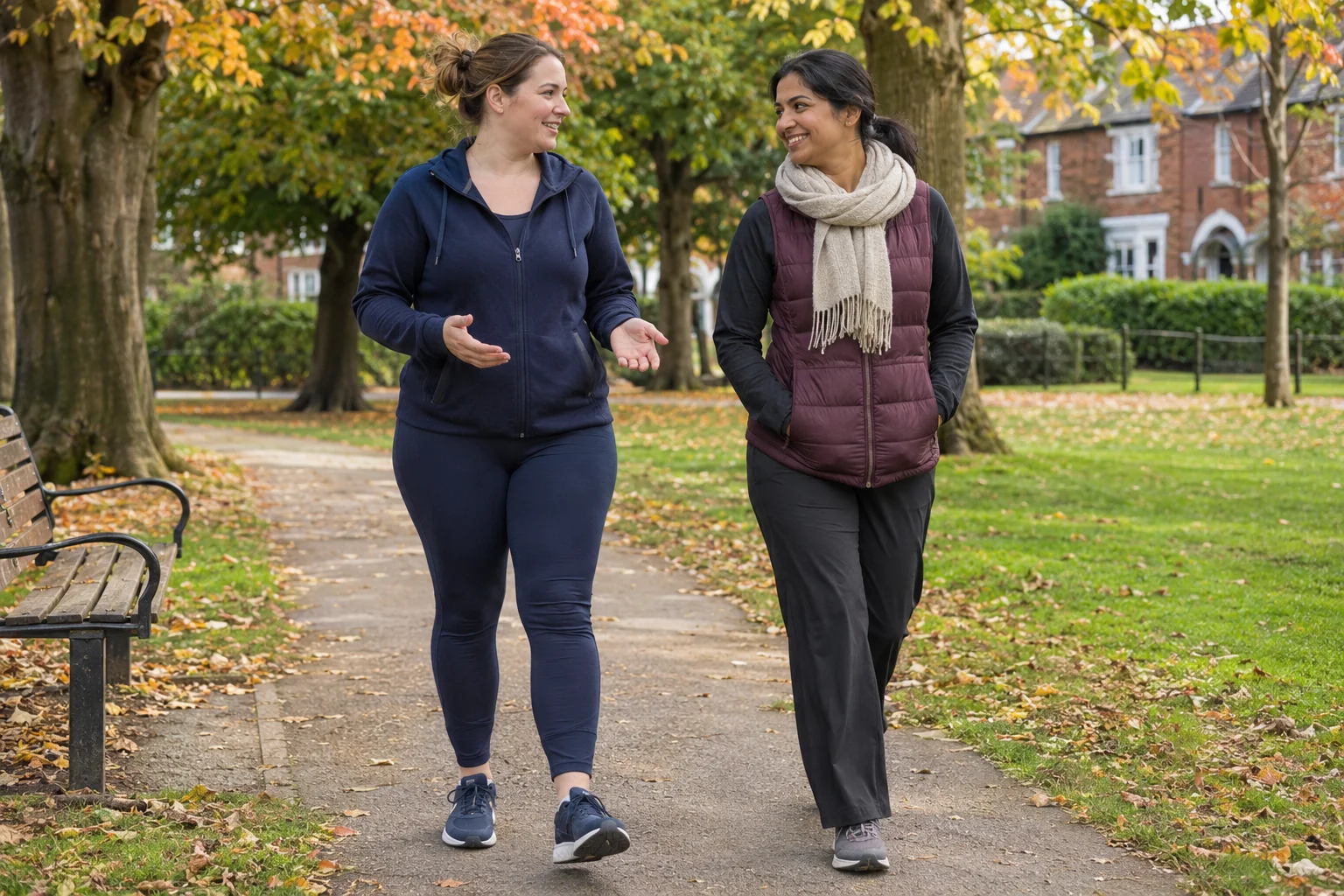
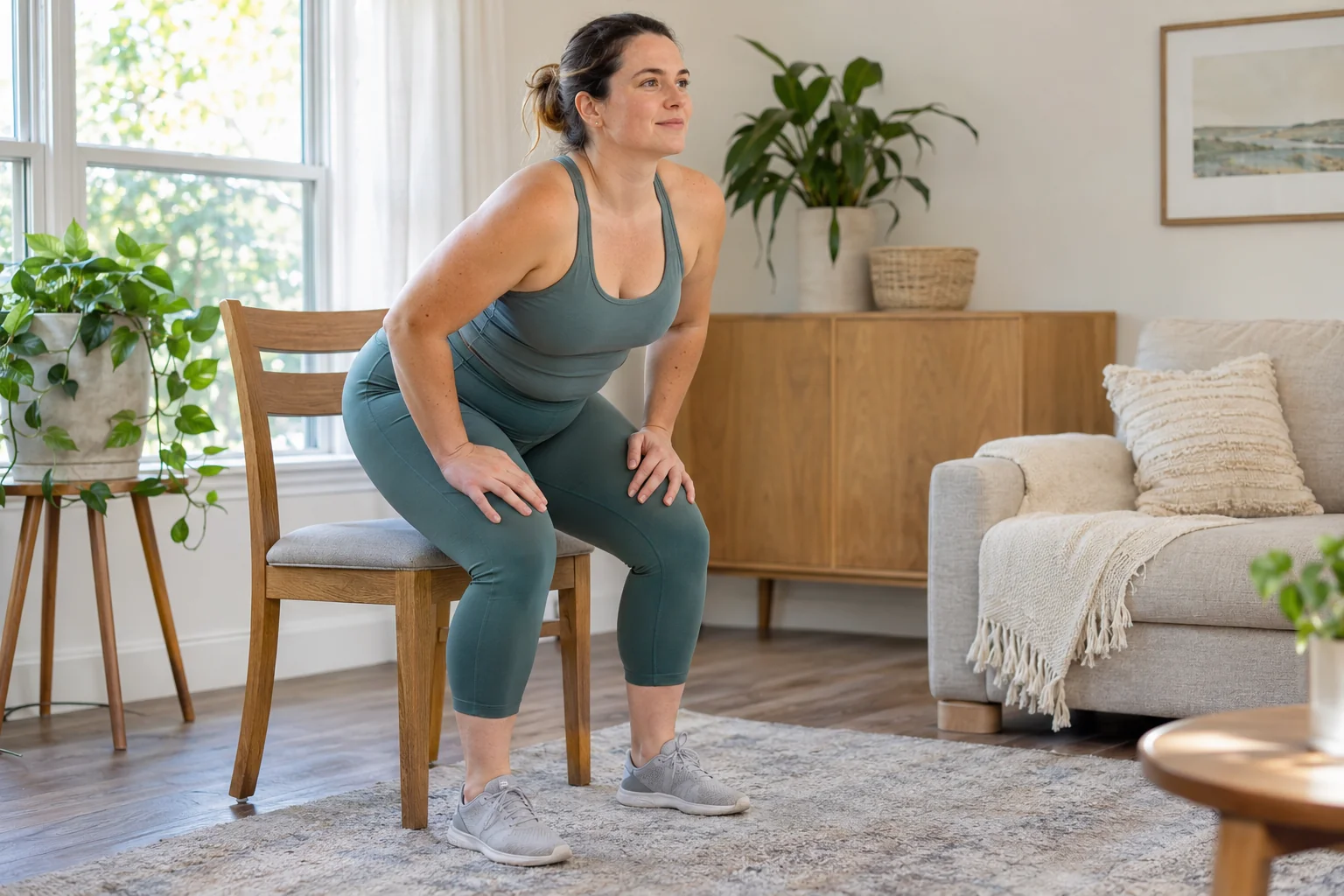
Prepared by the Best Fitness Routine Editorial Team. Sources checked November 3, 2026. This article provides general education and has not received individual clinical review. The image is an AI-generated editorial illustration. Follow your maternity care team’s advice for your own recovery.