Published by Best Fitness Routine. Editorial standards · Report a correction. Educational guidance; no individual clinical review is claimed unless a qualified reviewer is named.
Build a plate before looking for a supplement
A useful recovery plate contains a protein food, a carbohydrate food and fluids, with produce that fits your appetite. Think chicken with rice and vegetables, tofu with noodles, or yogurt with oats and fruit. The point is to cover the meal’s jobs rather than chase a single “best” recovery ingredient.
A hard workout does not make vegetables or fat forbidden. Include ordinary balanced meals across the day. After a very sweaty or long session, you may prefer an easy-to-eat meal first and a larger serving later if your appetite has temporarily dropped.
When timing matters most
The urgency of refueling increases when another demanding session follows soon. Recreational exercisers with the rest of the day to recover usually have more flexibility. A normal meal scheduled after exercise can work; finishing a shake within a tiny deadline is not a universal requirement.
Look at your whole day of eating before treating one post-workout meal as the answer to poor recovery. Skipping meals repeatedly, sleeping poorly or increasing training too quickly can undermine progress even when the recovery snack looks ideal.
Make recovery food easy to repeat
Prepare a carbohydrate base and protein food ahead of busy training days. Use a meal-prep container set to keep separate portions ready, following refrigeration and reheating guidance. Cooked rice should be cooled promptly and stored safely; leaving it on a counter after training is not a meal-prep method.
If you want to compare portion sizes while learning what works, a digital kitchen scale can help with ingredient amounts. It is optional and does not establish your personal calorie needs. Bring a water bottle so you can begin replacing fluid comfortably while you arrange your meal.
Troubleshoot appetite and logistics
If a full plate feels unappealing immediately after exercise, start with an easy snack such as yogurt and fruit, then eat your meal when comfortable. If dairy is unsuitable, use a tolerated alternative with a meaningful protein contribution. Check the label: plant drinks vary widely in protein.
For an evening session, plan dinner before leaving home. For a lunchtime gym visit, pack food that you can keep cold at work. A practical recovery routine is one you can follow without delaying sleep or turning every workout into an expensive supplement purchase.
Look beyond a single recovery nutrient
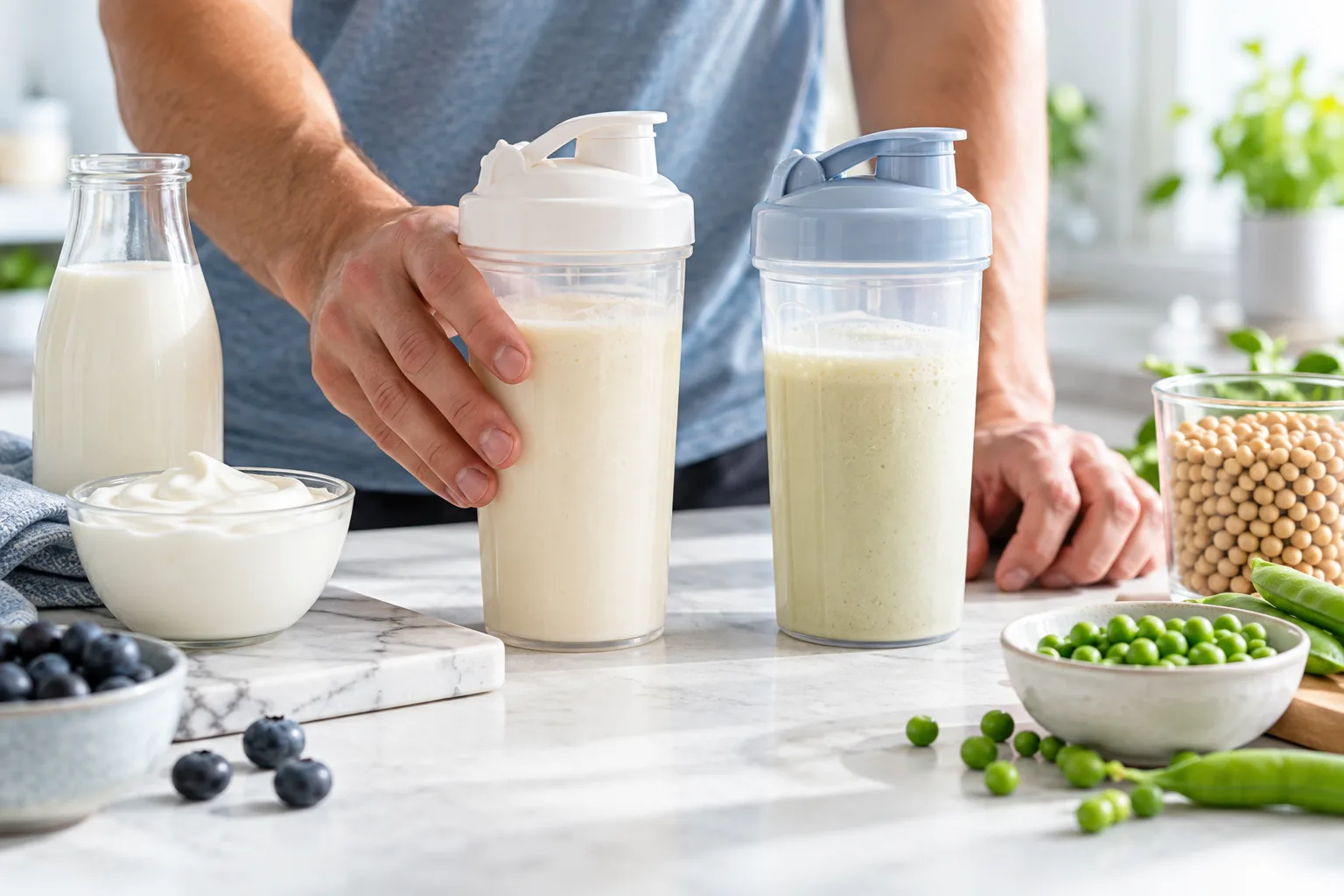
A recovery meal has several jobs. Protein supplies building blocks for muscle repair, carbohydrate helps replace exercise fuel, and food and drinks support overall fluid and nutrient intake. Thinking only about a protein shake can leave the rest of the meal overlooked. A balanced plate is a practical way to bring these jobs together without requiring a specialist product. The exact portions depend on your training demands, appetite and the rest of the day.
Recovery also extends beyond the first meal. Your next sessions, ordinary eating pattern and sleep affect how prepared you feel. A well-planned lunch cannot compensate for repeatedly skipping dinner or trying to train hard through illness. Start with the basics you can keep consistent. For someone training recreationally several times a week, an ordinary meal after exercise can be enough to organize the routine. Athletes with demanding schedules may need more detailed planning with a qualified sports dietitian. If you are comparing portions in a homemade meal, a digital kitchen scale (paid link) can help you measure ingredients consistently.
Build three adaptable recovery plates
For a mixed diet, try chicken or fish with rice or potatoes and cooked vegetables. For a vegetarian plate, combine eggs, tofu or beans with a carbohydrate food and produce. A breakfast-style recovery meal might be oatmeal with yogurt and fruit, or eggs with toast and a piece of fruit. These examples are templates rather than exact prescriptions. Change the ingredient to match your budget, preferences and what is already in the kitchen.
A UK supermarket, a US grocery store and an Australian shop may carry different package sizes, but the meal structure can stay familiar. Canned beans, frozen vegetables, bread, yogurt and rice are widely available alternatives to a complicated recovery recipe. Check the label and your dietary needs rather than assuming every product with the same name has identical nutrition. If you use a dairy-free yogurt, compare its protein content; some alternatives are primarily a texture substitute and provide little protein.
Adjust to the next session on your calendar
A short, easy workout followed by a rest day creates a different planning problem from a long morning session followed by training again that afternoon. When the gap between demanding sessions is small, arranging food promptly becomes more useful. Have something available before you start so you are not searching for a meal while tired. When the next session is much later, your ordinary meals across the day have more opportunity to contribute to recovery.
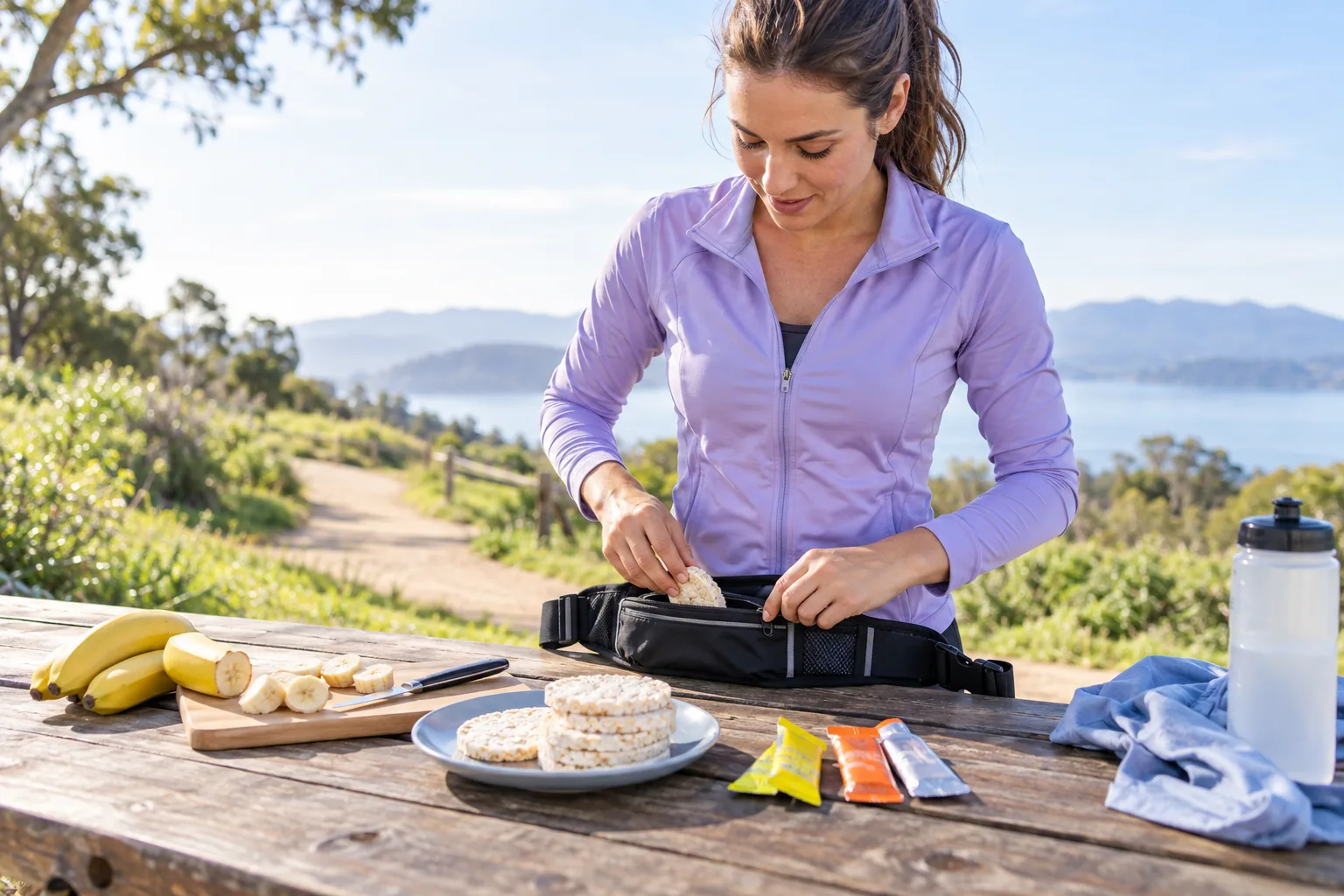
Avoid treating this distinction as a reason to panic about a narrow countdown. If dinner is nearly ready after your gym session, eat dinner. If you will spend hours travelling home, carry a snack and eat a fuller meal later. A yogurt and fruit, a sandwich or another familiar combination may bridge that gap. The purpose is to avoid an unnecessarily long stretch without food, not to create an obligation to buy a recovery drink after every workout.
When appetite is low after exercise
Some people do not feel hungry immediately after a hard session. A large hot meal may sound unappealing, especially after exercise in warm conditions. Begin with a manageable snack or a familiar drink and plan a meal when appetite returns. You can split recovery food into two smaller occasions instead of forcing everything onto one plate. Choose an option you tolerate, such as a small sandwich, yogurt with fruit or a smoothie made from ordinary ingredients. A water bottle (paid link) can be a convenient way to carry an ordinary drink until you reach your meal.
Do not confuse low appetite after one session with permission to under-eat routinely. If hard training regularly prevents you from eating enough, the schedule needs attention. You might finish slightly earlier, prepare a cool meal or keep food close to the training venue. Persistent poor appetite, unexpected weight change or repeated dizziness deserves assessment. A dietitian can help match food intake to your actual workload without relying on a generic meal plan copied from a very different athlete.
Fit recovery meals around work and travel
Pack meals according to where you will eat them. A rice bowl can work when you have refrigeration and reheating facilities; a familiar sandwich and fruit may be simpler when you do not. Check whether a workplace refrigerator is available before relying on dairy, fish or cooked poultry. Use an insulated bag and suitable cooling when needed, and follow local food-safety advice. Convenience should make the recovery meal easier, not create a long period of unsafe storage. Use a meal-prep container set (paid link) when you need suitable storage for a prepared lunch.
When buying food away from home, look for a combination rather than a perfect menu item. A sandwich with an appropriate filling and a side of fruit can be more useful than postponing lunch because no restaurant sells a labelled recovery bowl. At a hotel breakfast, bread, eggs, yogurt, cereal and fruit offer several ways to assemble a meal. Keep allergies and religious or ethical preferences in view. There is no need to abandon your usual diet to follow the recovery-plate idea.
Review recovery without promising instant results
Use a few ordinary observations to judge whether the routine is practical. Are you returning to the next session comfortably fed? Are you repeatedly very hungry late at night because the post-workout meal was too small? Does a particular meal leave you unusually uncomfortable? These questions help refine the plan. Soreness alone is not a precise test of whether you ate the correct food; unfamiliar training and session intensity can also affect how you feel afterward.
Change one part at a time. Add a carbohydrate side if your meal is mostly protein, prepare an earlier snack if dinner is delayed, or reduce a very heavy portion if it repeatedly feels uncomfortable. Keep the changes tied to a specific problem. Recovery nutrition supports training, but no individual meal guarantees muscle gain or prevents all fatigue. A sustainable combination of appropriate exercise, sufficient food and rest gives you a more useful foundation than searching for a miraculous post-workout ingredient.
Prepare a recovery meal with a clear purpose
Before your next session, choose where the following meal will come from. If you will be at home, arrange a familiar protein food, a carbohydrate side and produce that needs little last-minute preparation. If you will be away, check storage and access rather than planning a dish you cannot keep safely. A cooked meal, a suitable sandwich or a breakfast-style plate can each fit the same recovery purpose. You do not need to invent a new recipe for every workout. Repeating a meal you enjoy can make the routine easier and reduce unnecessary shopping.
Think about portion satisfaction as well as ingredient names. A plate can include all the right categories yet still be too small to leave you comfortably fed after a demanding session. Another plate may be so large or rich that you struggle to eat it. There is no single photograph that solves those differences. Use your appetite, training schedule and wider eating pattern as context, and seek personal help when needs are difficult to meet. A food record can be useful when it describes the problem, but it should not turn every recovery meal into a rigid performance test.
At the end of the week, review whether the plan prevented the specific gap you identified. Perhaps carrying a snack made a long journey home easier, or preparing dinner earlier meant you stopped skipping it after the gym. Keep that improvement. If you still arrive at the next session unusually tired, investigate workload, sleep and health rather than endlessly changing the recovery ingredient. Food supports the process, but it is one part of it. A straightforward meal that you can eat consistently is a more practical starting point than a complicated formula that frequently goes unused.
Practical Options at a Glance
| Situation | Practical option | What to consider |
|---|---|---|
| Strength session | Chicken or tofu, rice and vegetables | Protein plus a satisfying ordinary meal |
| Long endurance session | Pasta with a protein food and a drink | Carbohydrate refueling becomes more relevant |
| Low appetite | Yogurt and fruit, then a later meal | Split eating into manageable portions |
Frequently Asked Questions
No. A meal or snack with a suitable protein food can work. A shake is a convenience option when normal food is difficult.
There is no single brief deadline for everyone. Your earlier meal and time until the next session affect urgency.
Carbohydrate supports refueling, especially after demanding endurance exercise. Amounts should fit your training and overall eating pattern.
Safety and Personal Needs
Persistent fatigue, poor recovery or unintentional weight loss warrants professional advice. Kidney disease or other conditions requiring dietary restrictions need a clinician-directed plan.
This is general educational information. Individual needs vary with health, medications, training and food tolerance.