Published by Best Fitness Routine. Editorial standards · Report a correction. Educational guidance; no individual clinical review is claimed unless a qualified reviewer is named.
Overview
High blood pressure often causes no symptoms, yet over time it can damage the heart, brain, kidneys and eyes. The useful approach is not a quick fix: confirm readings, understand the personal target, improve daily habits and take prescribed medicines consistently. This guide explains how to measure correctly, how food and activity fit treatment, and when an unusually high reading needs urgent action.
How To Lower High Blood Pressure: Recognize the Symptom Pattern
Most people cannot feel whether blood pressure is high. Headache, dizziness or anxiety may occur for many reasons, so a validated cuff and properly collected readings are more reliable than symptoms. Diagnosis usually depends on repeated measurements rather than one stressful moment. For how to lower high blood pressure, also consider prescribed care, age, pregnancy, access and usual function. Connect how to lower high blood pressure: recognize the symptom pattern with a clear follow-up date and a specific clinical question.
For a practical next step, use the exercise and high blood pressure guide, then write down the result and any question it creates for the care team. In a how to lower high blood pressure plan, note timing, tolerance and the effect on daily life. Keep the step realistic for this blood pressure topic. Symptoms alone cannot confirm the diagnosis.
How To Lower High Blood Pressure: Get the Right Medical Assessment
A clinician may compare office and home readings, check cuff size and technique, review medicines and substances, and assess cardiovascular and kidney risk. Blood tests, urine testing or an electrocardiogram may be used when they will change treatment. For how to lower high blood pressure, also consider prescribed care, age, pregnancy, access and usual function. Connect how to lower high blood pressure: get the right medical assessment with a clear follow-up date and a specific clinical question.
Prepare for the appointment with the preventive health checkup guide, then write down the result and any question it creates for the care team. In a how to lower high blood pressure plan, note timing, tolerance and the effect on daily life. Keep the step realistic for this blood pressure topic. Testing should answer a clinical question rather than be ordered from fear.
How To Lower High Blood Pressure: Use Practical Daily Support
A DASH-style pattern emphasizes vegetables, fruit, beans, whole grains, nuts, fish or other lean proteins while reducing excess sodium and highly processed foods. Sleep, tobacco avoidance, alcohol limits and gradual weight management may also influence blood pressure. For how to lower high blood pressure, also consider prescribed care, age, pregnancy, access and usual function. Connect how to lower high blood pressure: use practical daily support with a clear follow-up date and a specific clinical question.
Build the daily routine around the nutrition facts label guide, then write down the result and any question it creates for the care team. In a how to lower high blood pressure plan, note timing, tolerance and the effect on daily life. Keep the step realistic for this blood pressure topic. Change one variable at a time so benefit and side effects remain clear.
How To Lower High Blood Pressure: Understand Medicines and Procedures
Several medicine classes lower blood pressure through different pathways. The right choice depends on readings, age, pregnancy potential, kidney function, diabetes, side effects and other medicines. Consistent use and planned lab monitoring are part of safe treatment. For how to lower high blood pressure, also consider prescribed care, age, pregnancy, access and usual function. Connect how to lower high blood pressure: understand medicines and procedures with a clear follow-up date and a specific clinical question.
Keep treatment decisions organized with the medication safety guide, then write down the result and any question it creates for the care team. In a how to lower high blood pressure plan, note timing, tolerance and the effect on daily life. Keep the step realistic for this blood pressure topic. Do not start, stop, borrow or change prescribed treatment without professional advice.
How To Lower High Blood Pressure: Reduce Repeat Problems and Flares
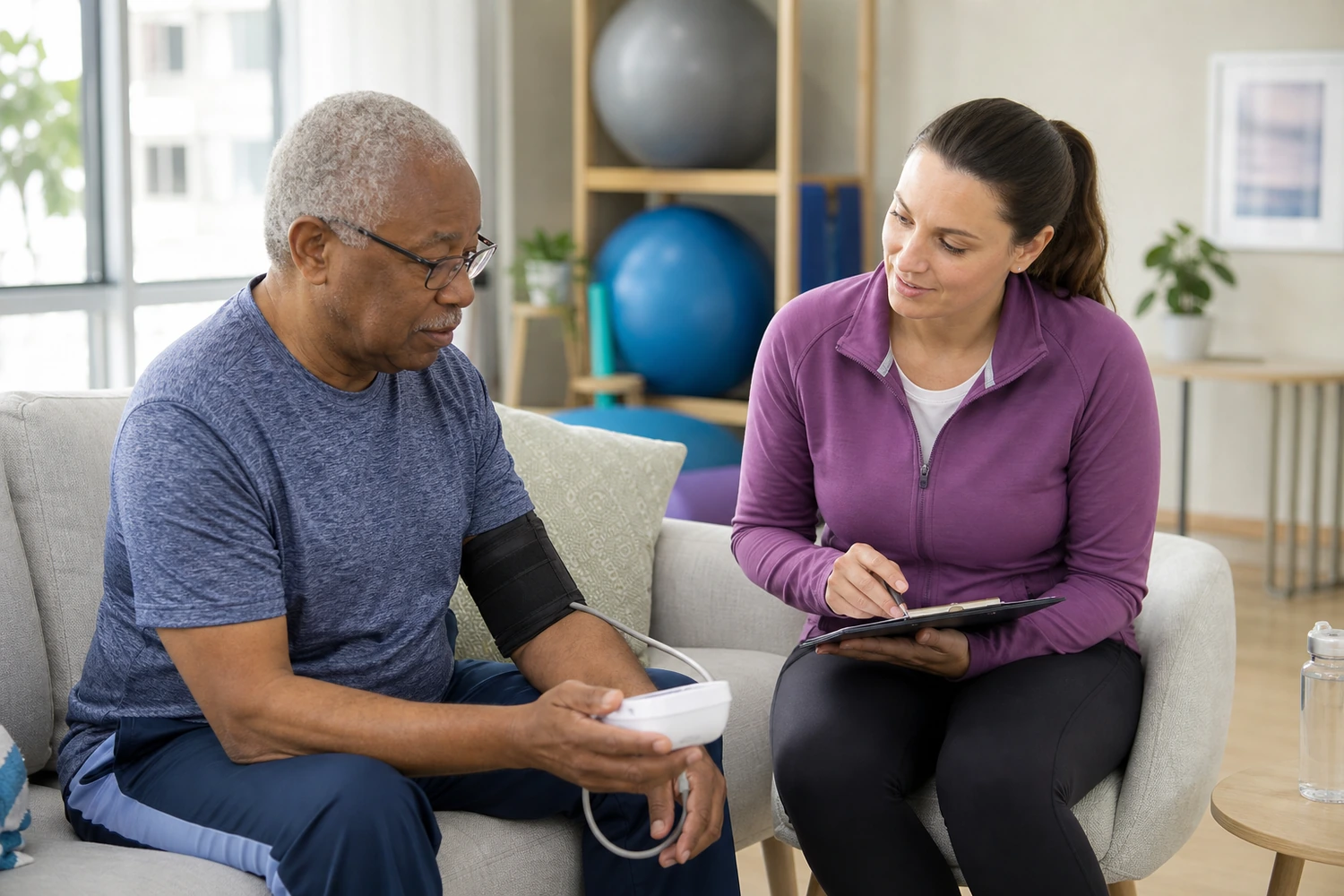
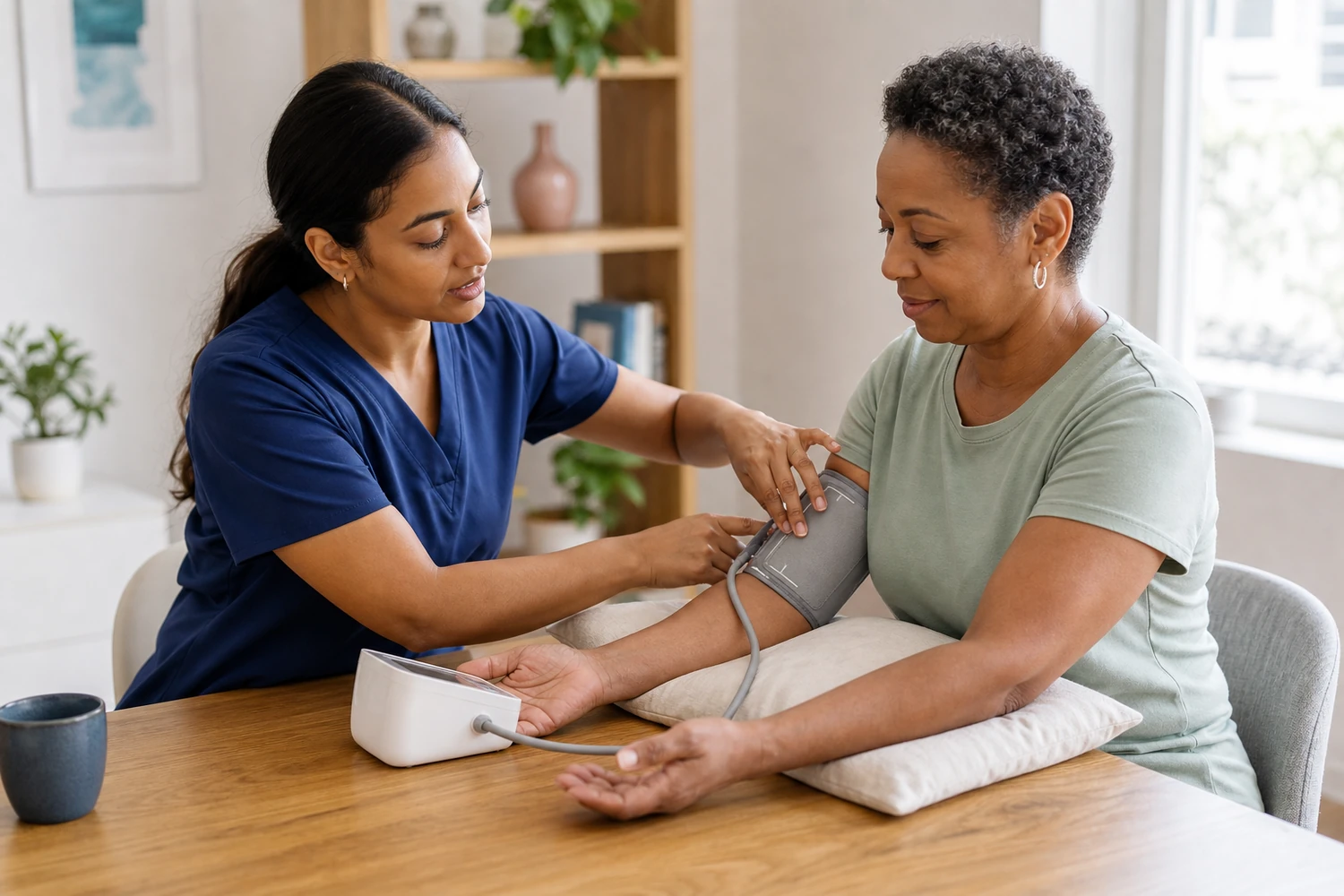
Use the same arm, similar time and correct seated technique for home checks. Record a short series requested by the clinician instead of repeatedly measuring from anxiety. Bring the monitor to a visit occasionally to compare it with office equipment. For how to lower high blood pressure, also consider prescribed care, age, pregnancy, access and usual function. Connect how to lower high blood pressure: reduce repeat problems and flares with a clear follow-up date and a specific clinical question.
Choose one realistic prevention step, define when it will happen and review whether it is sustainable after two weeks. In a how to lower high blood pressure plan, note timing, tolerance and the effect on daily life. Keep the step realistic for this blood pressure topic. Prevention lowers risk but cannot guarantee that symptoms will not return.
How To Lower High Blood Pressure: Move Safely When Activity Helps
Aerobic activity and strength training can help blood pressure and overall cardiovascular fitness. Begin below maximum effort, breathe continuously during resistance work and follow prescribed limits after a heart event, stroke, kidney disease or uncontrolled readings. For how to lower high blood pressure, also consider prescribed care, age, pregnancy, access and usual function. Connect how to lower high blood pressure: move safely when activity helps with a clear follow-up date and a specific clinical question.
Use short, comfortable bouts and progress only after symptoms, balance and next-day recovery remain stable. In a how to lower high blood pressure plan, note timing, tolerance and the effect on daily life. Keep the step realistic for this blood pressure topic. Exercise should improve function without causing a meaningful flare later that day or the next.
How To Lower High Blood Pressure: Know When to Seek Urgent Care
A very high reading accompanied by chest pain, severe breathlessness, new weakness, confusion, vision change or another serious symptom can represent an emergency. Sit quietly, repeat only as instructed and call emergency services rather than trying to exercise it down. For how to lower high blood pressure, also consider prescribed care, age, pregnancy, access and usual function. Connect how to lower high blood pressure: know when to seek urgent care with a clear follow-up date and a specific clinical question.
Keep emergency numbers, allergies, medicines and the nearest appropriate care option easy to find. In a how to lower high blood pressure plan, note timing, tolerance and the effect on daily life. Keep the step realistic for this blood pressure topic. Emergency symptoms should never wait for an online self-care plan.
How Clinicians Assess Blood Pressure
Assessment may include repeated office or home readings, cuff validation, cardiovascular risk, kidney tests, electrolytes, glucose, cholesterol, sleep-apnea risk, pregnancy status and review of prescriptions, decongestants, stimulants, NSAIDs, supplements, alcohol and nicotine. For how to lower high blood pressure, the examination and history decide which result matters. A single symptom, home reading or online score cannot replace that clinical context.
Bring the timeline for how to lower high blood pressure: recognize the symptom pattern, notes from how to lower high blood pressure: get the right medical assessment and any response to how to lower high blood pressure: understand medicines and procedures. Ask what each test can show, what it cannot show and how the result changes the how to lower high blood pressure plan.
- When how to lower high blood pressure symptoms or concerns began
- How how to lower high blood pressure: recognize the symptom pattern affects work, sleep or self-care
- Previous results, medicines and responses related to blood pressure
- Who owns the next how to lower high blood pressure follow-up and when it is due
Build a Two-Week Blood Pressure Care Plan
Start with one step from how to lower high blood pressure: use practical daily support and one boundary from how to lower high blood pressure: know when to seek urgent care. For how to lower high blood pressure, an easier backup action keeps the plan usable on difficult days. The purpose is to support professional care, not to treat the condition alone.
During week two, review benefit, burden and unwanted effects before adding effort. Link how to lower high blood pressure: reduce repeat problems and flares with a repeatable routine. A responsible how to lower high blood pressure plan states what is safe to try, what needs advice and what requires urgent help.
- Days 1–3: establish the how to lower high blood pressure baseline
- Days 4–7: test one step from how to lower high blood pressure: use practical daily support
- Days 8–11: review tolerance during how to lower high blood pressure: move safely when activity helps
- Days 12–14: summarize results for the blood pressure visit
What to Track for How To Lower High Blood Pressure
Record date, time, two readings if instructed, arm, recent exercise or caffeine, medicine timing and symptoms. Summarize averages for the clinician rather than reacting to every single number. Keep the how to lower high blood pressure record short enough to maintain. Add timing and context only when they help answer a decision. Keep your session notes in a workout logbook (paid link) so you can compare the activity and recovery discussed here.
Review the log at a planned interval. Use it to connect how to lower high blood pressure: recognize the symptom pattern with how to lower high blood pressure: understand medicines and procedures and how to lower high blood pressure: move safely when activity helps. Simplify how to lower high blood pressure tracking if it creates panic, shame, compulsive checking or avoidance.
Questions for a Blood Pressure Visit
A focused question makes a short visit more useful. For how to lower high blood pressure, ask first about immediate safety, then expected benefit, uncertainty, alternatives and follow-up. Request plain-language written instructions when symptoms can change quickly.
- What is my personal target and how was it chosen?
- How many home readings should I take and for how long?
- Which medicine side effects or laboratory checks matter?
- What exact reading or symptom should trigger a same-day call or emergency care?
Common How To Lower High Blood Pressure Mistakes to Avoid
Do not assume how to lower high blood pressure: recognize the symptom pattern proves how to lower high blood pressure. Do not change prescribed care while testing how to lower high blood pressure: use practical daily support. Do not delay follow-up connected with how to lower high blood pressure: know when to seek urgent care.
Use the boundaries from how to lower high blood pressure: get the right medical assessment, how to lower high blood pressure: understand medicines and procedures and how to lower high blood pressure: move safely when activity helps. Online how to lower high blood pressure education can improve questions and organization, but it cannot examine a person or provide emergency treatment.
- Symptoms alone cannot confirm the diagnosis.
- Testing should answer a clinical question rather than be ordered from fear.
- Change one variable at a time so benefit and side effects remain clear.
- Do not start, stop, borrow or change prescribed treatment without professional advice.
- Prevention lowers risk but cannot guarantee that symptoms will not return.
- Exercise should improve function without causing a meaningful flare later that day or the next.
- Emergency symptoms should never wait for an online self-care plan.
A Blood-Pressure-Friendly Exercise Starting Point
After appropriate clearance, begin with ten to twenty minutes of comfortable walking on most days and two light strength sessions using chair stands, wall presses and supported rows. Breathe out during effort and avoid prolonged breath-holding. For how to lower high blood pressure, match activity to current ability, warm up gradually and use support when symptoms or balance can change.
Do not use hard exercise to correct an unusually high reading. Stop for chest pressure, faintness, severe breathlessness, new neurological symptoms or an irregular pounding heartbeat, and follow condition-specific restrictions. In a how to lower high blood pressure routine, increase duration before intensity and change one variable at a time. Same-day and next-day recovery are part of the result.
- Start below maximum effort for how to lower high blood pressure
- Use a talkable pace or a blood pressure limit
- Keep suitable support, footwear and hydration nearby
- Review same-day and delayed how to lower high blood pressure symptoms
- Treat emergency symptoms as immediate stop signals
Frequently Asked Questions
Usually not. Many people have no symptoms, which is why accurate measurement and follow-up matter.
Rest quietly, keep feet flat and back supported, place the bare supported arm at heart level and use the correct cuff size.
Responses vary, but reducing excess sodium is useful for many people and should fit the complete eating pattern.
No. Activity supports treatment but should not replace prescribed medicine unless the prescriber changes the plan.
A severely elevated reading with chest pain, breathing trouble, neurological symptoms or other concerning change needs emergency assessment.
Safety and Scope
This education cannot diagnose hypertension or set a personal blood-pressure target. Call emergency services for a severely high reading with chest pain, severe breathlessness, fainting, confusion, sudden weakness, speech difficulty or vision loss. Pregnancy-related high readings, repeated extreme readings and medicine side effects require prompt professional advice.