
Published by Best Fitness Routine. Editorial standards · Report a correction. Educational guidance; no individual clinical review is claimed unless a qualified reviewer is named.
Overview
Regular activity can help manage high blood pressure and improve overall cardiovascular health, but a safe plan depends on blood-pressure control, medicines, symptoms and other conditions. Most beginners benefit from comfortable aerobic activity, simple strength training, gradual progression and normal breathing rather than sudden intense exercise.
Know When to Get Medical Guidance First
Healthy adults can often begin light activity without extensive testing, but diagnosed hypertension changes the conversation when readings are very high, control is uncertain, symptoms are present, or heart, kidney, eye or vascular disease exists. Ask the treating professional about restrictions and target intensity.
Bring a medicine list and describe the activity you plan to do. Some medicines change heart-rate response, so generic watch zones may be misleading. Do not skip medicine to improve workout performance or take an extra dose to chase a single reading.
Establish a Calm Baseline
Learn correct home measurement if monitoring is recommended: validated cuff, correct size, seated rest, supported arm and repeated readings according to the clinical plan. Exercise, caffeine, talking and stress can temporarily affect results. A single unusual number should be interpreted in context, not hidden or repeatedly rechecked in panic.
Record date, time, readings, medicines and symptoms. Share the pattern with the clinician. Home monitoring supports care but does not replace diagnosis or encourage self-adjusting treatment.
Begin With Comfortable Aerobic Activity
Walking, stationary cycling, swimming and low-impact classes are common options. Start with 10 to 15 minutes at an easy or moderate pace if inactive, even if that is below general targets. Add a few minutes when the session feels repeatable and recovery is normal.
Use the talk test: during moderate activity, breathing is faster but short sentences remain possible. The low-impact beginner plan offers joint-friendly choices. Stop for concerning chest discomfort, faintness or unusual breathlessness.
Include Strength Training With Good Breathing
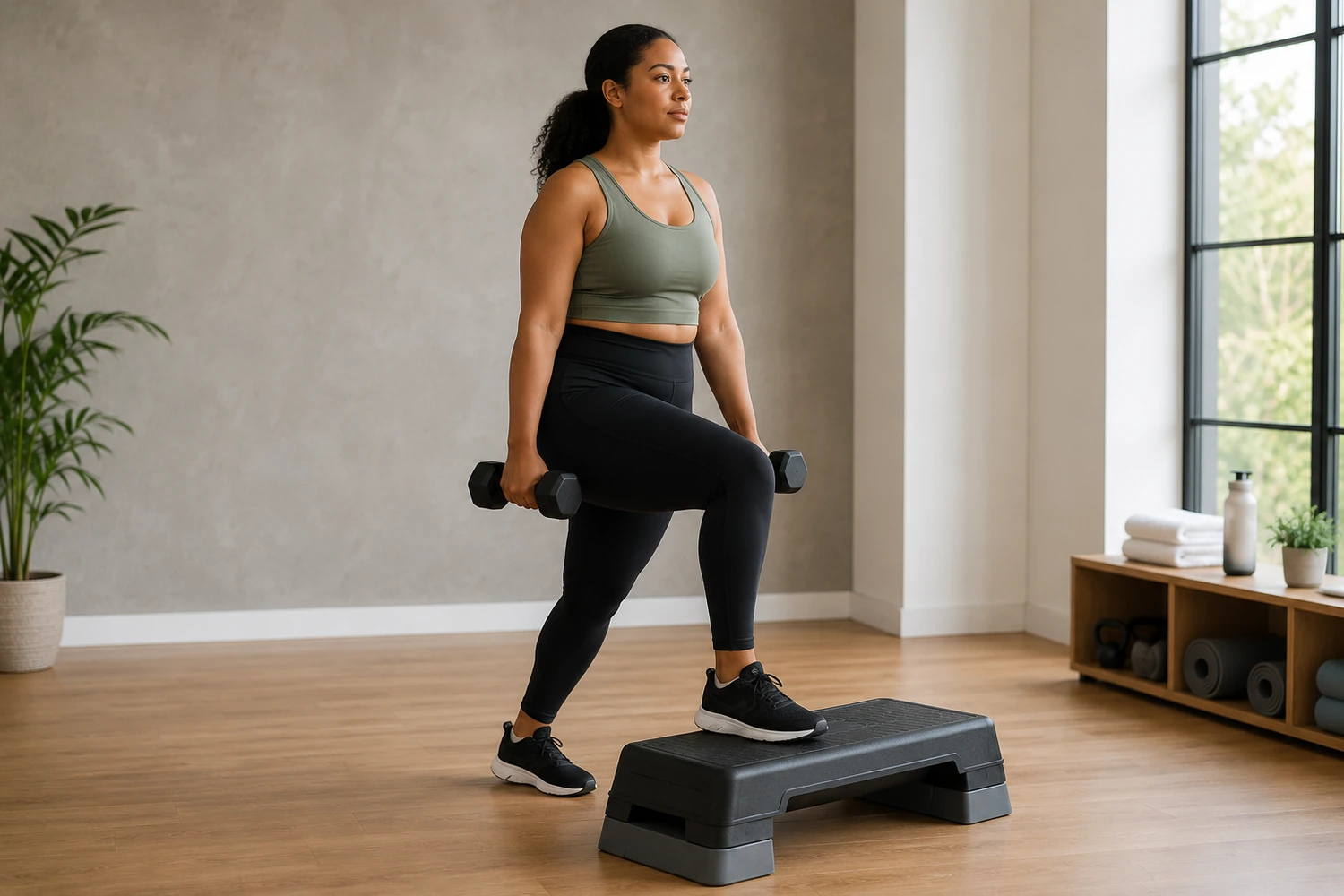
Strength work supports function and can be part of blood-pressure management. Begin with controlled exercises such as sit-to-stands, wall push-ups, rows, step-ups and light hinges. Use a load that allows smooth repetitions without straining or grinding.
Exhale during the harder phase and inhale during the easier phase. Holding the breath while straining can sharply raise pressure. Avoid maximal lifts and prolonged all-out efforts unless specifically cleared and supervised. The strength benefits guide explains beginner progression.
Warm Up and Cool Down Gradually
Use several minutes of easy movement before reaching training pace. The warm-up lets breathing, heart rate and circulation change progressively. This is especially helpful after sitting, in cold weather or when medicines influence cardiovascular response.
Finish by reducing pace rather than stopping abruptly after hard work. Sudden stopping can contribute to lightheadedness in some people. Stand near support if you are prone to dizziness, and discuss recurrent post-exercise symptoms with a professional.
Build a Conservative Weekly Plan
A beginner week can include four easy walks of 15 to 25 minutes and two short strength sessions on nonconsecutive days. One or two walks may gradually become brisker. Keep at least one easy or rest day and avoid increasing duration and intensity simultaneously.
Work toward general activity targets over time, not immediately. Consistency at a manageable dose is more useful than one punishing weekend. Use the cardio and strength weekly plan to organize demanding and easier sessions.
| Day | Activity | Effort |
|---|---|---|
| Monday | 15–25 minute walk | Easy to moderate |
| Tuesday | 20 minute full-body strength | Controlled; breathe continuously |
| Wednesday | Rest or easy mobility | Very easy |
| Thursday | 15–25 minute walk | Moderate talk-test pace |
| Friday | Short strength session | Controlled |
| Weekend | One or two comfortable activities | Finish with energy in reserve |
Account for Medicine Effects
Beta blockers can blunt heart-rate response, diuretics can affect fluid balance, and some medicines may contribute to dizziness. Use perceived effort and the talk test when heart-rate formulas are not appropriate. Ask how to time exercise and what symptoms deserve attention.
Stand up gradually after floor exercises, especially if lightheaded. In heat, discuss hydration because generic advice may conflict with heart or kidney needs. Never copy another person’s medication, electrolyte or blood-pressure strategy.
Modify Exercise for Heat and Cold
Hot, humid conditions increase cardiovascular strain and fluid loss. Choose cooler times, reduce pace, use shade and shorten sessions. Some blood-pressure medicines affect heat tolerance. The hydration guide explains why prescribed fluid limits must override generic recommendations.
Cold can also increase strain and make sudden intense effort more demanding. Warm up longer, dress in layers and avoid heavy shoveling or all-out work when health guidance limits exertion. Indoor walking or cycling can provide a safer alternative during extreme weather.
Monitor Progress Without Obsessive Checking
Track completed minutes, walking comfort, strength repetitions, recovery and clinician-directed blood-pressure readings. Measure at consistent calm times rather than immediately after every set unless a professional has requested exercise testing. Normal exercise temporarily changes blood pressure. Keep your session notes in a workout logbook (paid link) so you can compare the activity and recovery discussed here.
Improvement may appear as longer comfortable walks, easier stairs and better recovery before numbers change. If readings remain above the clinical target, share the log. Exercise complements medicine and nutrition; it does not replace needed treatment.
Recognize Warning Signs
Stop exercise for chest pressure, fainting, severe or unusual shortness of breath, new neurological symptoms, a racing or irregular heartbeat with symptoms, or a severe sudden headache. Seek urgent care according to the symptom and local emergency guidance.
Do not use exercise to bring down a dangerously high reading on your own. If a reading is extremely high or accompanied by chest pain, weakness, vision change, confusion or other concerning symptoms, follow emergency instructions from your healthcare system.
Progress One Variable at a Time
First increase frequency, then duration, and only later add intensity. For example, make three 15-minute walks consistent, extend one to 20 minutes, then add brief brisk periods after several stable weeks. In strength training, add repetitions before load.
Hold the plan during illness, unusual fatigue, medicine changes or poor sleep. Resume below the previous level if time off was significant. The aim is a durable routine that improves health without making every session a test.
Choose a Setting That Supports Safe Consistency
Home walking, a stationary bike and simple resistance bands can reduce cost and travel. A gym offers equipment and supervision but may encourage comparison. Choose the setting where you can control pace, warm up and access help if needed. Tell an instructor about relevant restrictions before class.
If balance, vision or confidence is limited, begin with a companion or supervised program. Keep identification and a phone available outdoors. The safest plan is one that matches both medical status and the actual environment.
Understand Isometric Exercise and Static Straining
Isometric exercise creates tension without obvious joint movement, such as a wall sit or handgrip. Some structured protocols may affect blood pressure, but they are not permission to perform prolonged maximal straining. Duration, intensity and breathing determine the response.
Use clinician or qualified exercise guidance before adding a blood-pressure-focused isometric program. Continue breathing and stop for symptoms. Ordinary dynamic strength and aerobic activity remain useful foundations for most beginners.
Turn the First Month Into a Long-Term Habit
At the end of four weeks, keep the days that fit the schedule and change only the weakest link. Add five minutes to one walk, one set to selected exercises or a social activity—not all three. Recheck recovery after medicine changes, illness or travel.
Celebrate function: easier stairs, steadier walking or improved confidence. Continue clinical follow-up even when exercise feels good. Blood pressure management is an ongoing partnership between daily habits, monitoring and treatment when prescribed.
Use a First-Month Exercise Checklist
Before the first week, confirm medication and measurement instructions and choose a safe route or machine. Complete three 10- to 15-minute walks and one short strength practice. Finish every session able to do more. Record symptoms and recovery, not only pace.
In week two, add five minutes to one walk. In week three, complete two strength sessions with continuous breathing. In week four, repeat the schedule or add several brief brisk periods if control is stable and the effort has been cleared. Do not use a good week as a reason to jump to vigorous exercise. An optional exercise interval timer (paid link) can help you time the activity and rest periods described here.
Review the log with a clinician when advised. Report dizziness, chest symptoms, unusual breathlessness or readings outside the action plan. The right progression may be slower when medicines change, illness occurs or heat increases.
Frequently Asked Questions
Regular aerobic and resistance activity can help manage blood pressure as part of a complete care plan.
Yes. Walking is a practical aerobic starting point, and duration or pace can increase gradually.
Exercise temporarily changes readings. Follow the measurement schedule provided by your clinician rather than interpreting an immediate value alone.
Many people can use controlled resistance training, but very heavy straining and breath-holding may be inappropriate. Get individualized guidance when control or health status is uncertain.
Chest discomfort, fainting, severe unusual breathlessness, neurological symptoms or a severe sudden headache require stopping and appropriate urgent assessment.
Safety and Scope
Hypertension severity, medicines and related heart or kidney disease change exercise safety. This guide is not clearance. Do not exercise to self-treat a dangerously high reading, and use emergency services for serious symptoms.