General health education from our editorial team. Read our editorial policy.
About This Guide
How many calories does a teenager need? There is no single daily number that fits every teenager. Food provides energy for growth, learning, ordinary body functions and activity, and those needs change through adolescence. This guide explains what calorie estimates can tell you, what they cannot tell you, and how families can make enough nourishing food available without turning eating into a weight-loss project.
Start with growth and activity, rather than one calorie target
A teenager’s needs depend on age, stage of growth, body size, health and activity. Two classmates of the same age can need different amounts of food. A growth spurt, a longer sports practice or a change in routine can alter appetite too. The NIDDK guide for teenagers explains these factors and recommends individual guidance when nutrition or weight concerns arise.
As broad context, the American Academy of Pediatrics’ overview of adolescent nutrition describes averages of about 2,200 calories for girls and 2,800 for boys while discussing adolescence and its growth-related appetite changes. These are older, general averages—not age-by-age requirements, minimums, maximums or personal eating targets. They cannot tell a particular teenager how much to eat today.
Understand what a calorie estimate actually represents
A calorie is a unit of energy. It does not measure whether a person has been good, whether a meal was deserved or how much exercise must follow it. Foods with the same energy content can provide different combinations of nutrients, and a calorie total alone does not show whether a day supplied a useful variety.
A number printed on packaging describes a stated serving. It is not a recommendation for how much of that food a teenager should have. If a clinician needs to assess intake, they can consider actual meals, growth history, symptoms and circumstances together. Families do not need to calculate every bite to organize dependable meals.
Make regular opportunities to eat part of the day
Begin with the schedule: when can breakfast, lunch, dinner and any useful snacks realistically happen? A long gap between an early lunch and an evening practice may leave someone without an easy chance to eat. Plan a portable option in advance rather than expecting a teenager to ignore hunger until dinner.
For example, pack a sandwich and fruit for lunch, then make yogurt and cereal or another familiar snack available before the trip home. These are planning examples, not a fixed menu or portion prescription. Some days need more food or different timing. An unfinished breakfast can be a practical problem to solve together, rather than evidence that someone lacks discipline.
Include energy foods as well as protein and produce
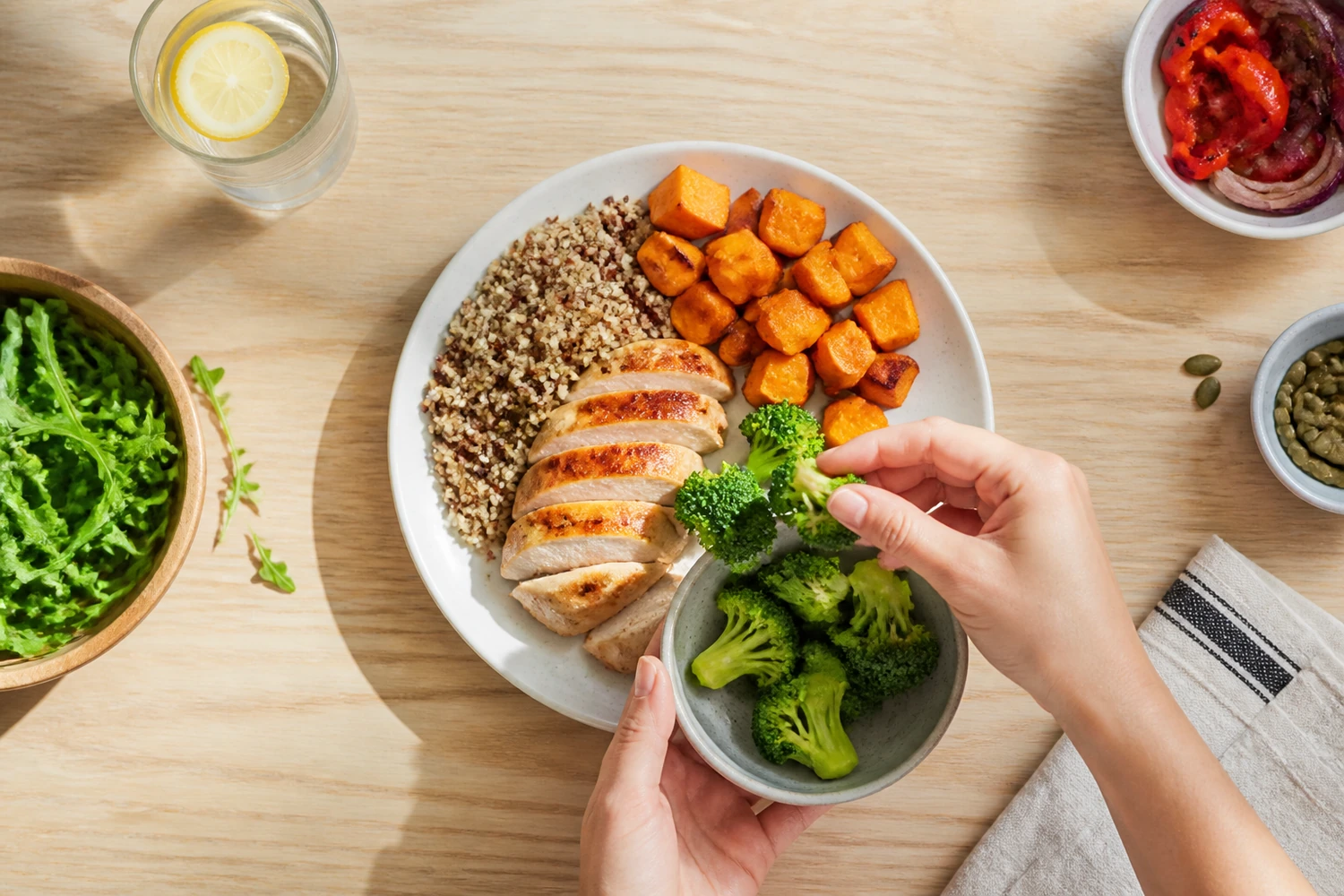
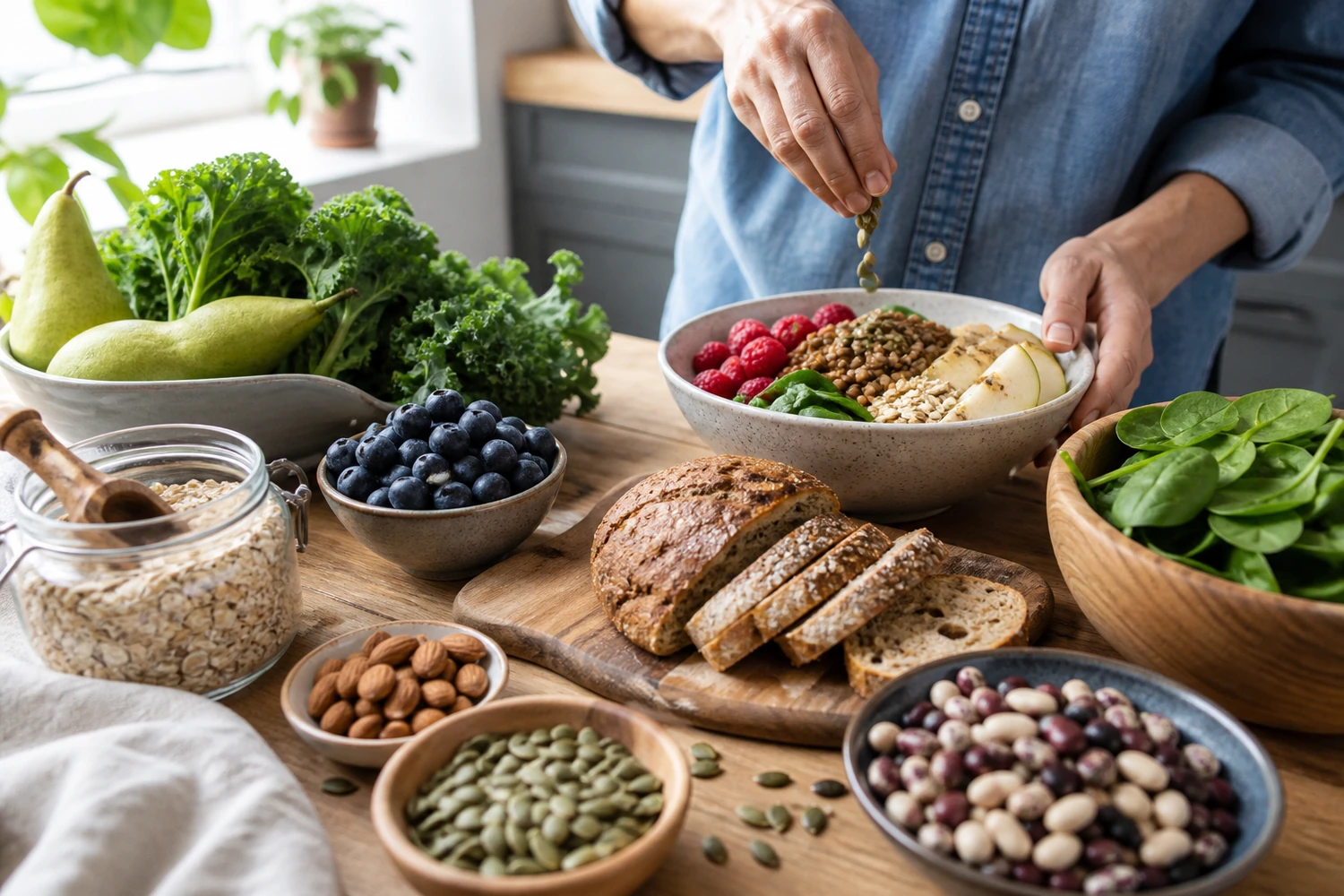
Meals can combine a carbohydrate source such as rice, oats, bread or potatoes with beans, eggs, tofu, fish or another protein food, plus vegetables or fruit and some fat. Dairy foods or suitable fortified alternatives can contribute additional nutrients. Cultural meals, mixed dishes, sandwiches and leftovers can all fit; a separate fitness meal is unnecessary.
Health Canada’s adolescent nutrition guidance highlights increased nutrient needs during growth, including calcium and iron. Use variety across the week instead of trying to make one meal deliver everything. A vegetarian or vegan eating pattern may benefit from a dietitian’s review so food choices and any necessary supplementation support growth.
Solve the practical barriers around school and activities
Ask what happens on the busiest day. Is the lunch break short? Is there somewhere to store food safely? Does a club start before the next meal? Useful changes might include preparing an extra portion at dinner, keeping a shelf-stable snack in a bag, or arranging access to the school meal service. Let the teenager help choose foods they will actually eat.
For a packed meal, use the storage arrangements needed for perishable foods. An allergy, limited budget, transport issue or lack of cooking equipment can change what is realistic. Ask about those constraints before recommending a more complicated meal plan. Frozen produce, canned beans and ordinary staple foods can be useful options.
Fuel activity without treating food as something to earn
Sport creates another opportunity to check the eating schedule. A teenager leaving directly from school for practice may need food available before or afterward. Make drinking water accessible as well. Do not assume that the same packed lunch will suit both a quiet day and a long tournament day.
Physical activity should not be used to cancel a meal or compensate for a snack. An adult workout’s calorie estimate is not a reliable way to set a teenager’s food intake. If competitive sport, repeated injuries or difficulty eating around training is becoming a concern, ask for advice from a clinician or registered dietitian with adolescent experience. Ordinary meals remain the foundation; supplements are not the default answer.
Keep adult dieting rules out of teenage nutrition
Adult weight-loss plans are not suitable instructions for a growing teenager. NIDDK cautions against eating very little, skipping meals, fasting and cutting out whole food groups as self-directed attempts to lose weight. Growth and health need a wider assessment than a social-media comparison or a single scale reading.
Use neutral conversation at home: ask whether there was time to eat and whether food was available, rather than commenting on the size of someone’s plate or body. If food choices are becoming a source of fear, guilt or secrecy, a trusted adult and health professional can help. A calorie app cannot assess the emotional and developmental context.
Know when an individual assessment is useful
Arrange advice if a teenager has persistent low energy, repeated dizziness, unexplained weight change, concerns about growth or difficulty eating enough. Symptoms can have several explanations, so avoid deciding that more discipline, less food or a supplement will fix them. Report what has changed and how it affects school, daily life or sport.
A parent or caregiver can help prepare questions: Is growth following an expected pattern? Are any foods restricted by allergy or illness? Does the school schedule leave long gaps without food? Ask for an adolescent-appropriate assessment, not an adult calorie calculator result. Feeling faint or seriously unwell requires prompt medical help rather than continuing practice.
Choose one useful family change this week
Pick a practical adjustment with the teenager. That might be agreeing on two breakfast options, preparing tomorrow’s lunch together, or keeping a familiar after-school snack available. Check whether it made the day easier before adding more rules. Changes are more usable when they fit preferences, access and the household routine.
For general meal ideas, see our balanced-plate guide; use its food-group examples flexibly rather than its adult portion assumptions. Our healthy recipe collection can provide cooking ideas, but a recipe’s listed adult serving and nutrition estimate does not establish a teenager’s needs. Include additional food when individual appetite and guidance call for it.
Frequently Asked Questions
No. A number used on food labels or in a general example is not a personal recommendation. Growth, age, activity and health affect needs. A qualified professional can assess individual concerns without applying an adult weight-loss target.
Appetite can change during growth and activity. Make regular meals and useful snacks available. Persistent extreme changes, symptoms or concerns about growth deserve professional advice rather than comparison with another teenager.
Most families can focus on regular eating opportunities, food variety and enough accessible food rather than tracking every calorie. A clinician may sometimes assess intake for a specific reason, but that is different from self-directed restriction or following a generic online target.
No. A serving used to calculate a recipe’s nutrition is a recipe convention. It cannot account for an individual teenager’s growth, activity or health needs. Adjust meals using appropriate guidance rather than treating the listed portion as a limit.
Sources and Further Reading
- NIDDK: Take Charge of Your Health—A Guide for Teenagers
- American Academy of Pediatrics: A Teenager’s Nutritional Needs
- Health Canada: Nutrition considerations for children and adolescents
- NIH News in Health: Teens Taking Charge of Their Health
Prepared by the Best Fitness Routine Editorial Team. Sources checked November 4, 2026. This article provides general education and has not received individual clinical review. The image is an AI-generated editorial illustration. Follow qualified professional advice for your individual health needs.