How Antibiotics Affect the Gut Microbiome
Antibiotics work by killing bacteria or stopping them from growing. Because oral and systemic antibiotics are not limited to a single harmful species, they can change the abundance and diversity of bacteria living in the gut. The size of the effect depends on the antibiotic class, spectrum, dose, duration, repeat courses and the individual microbiome.
Some organisms recover quickly after the medicine stops; others may remain reduced for months. Research shows substantial person-to-person variation, so there is no reliable calendar that says the microbiome is “back to normal” on a specific day.
Necessary Antibiotics Are Still Important
Concern about the microbiome should not lead people to avoid antibiotics when they are genuinely needed. Untreated bacterial infections can cause serious complications. The useful goal is antibiotic stewardship: use the right drug for the right infection, at the right dose and duration, under professional guidance.
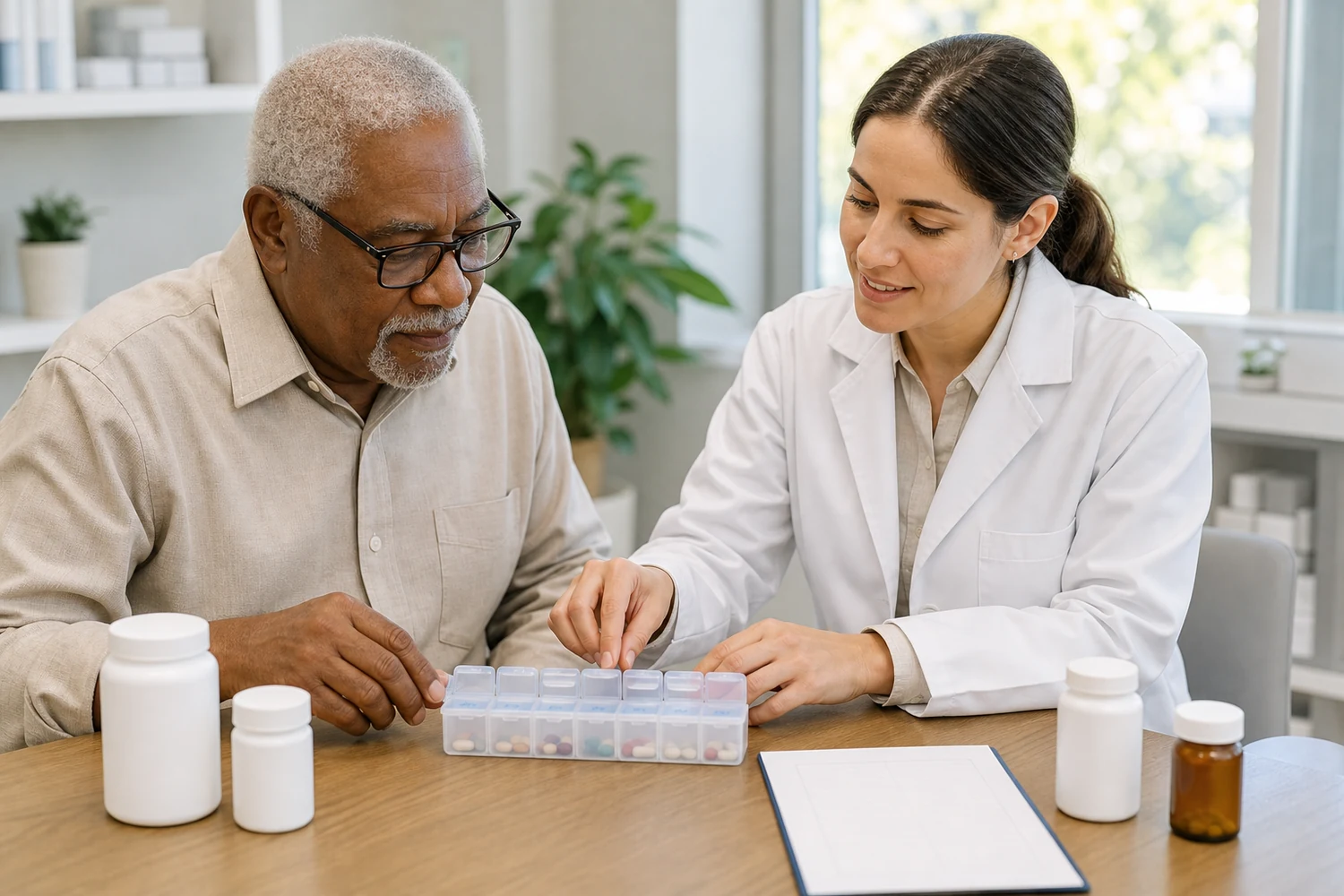
Do not save leftover antibiotics, share them, or stop early simply because you feel better unless the prescriber tells you to change the course. Our medication safety guide covers these practical habits.
What Symptoms Are Common After Antibiotics?
Loose stools, mild diarrhea, gas or changes in bowel habits can occur during or shortly after treatment. These symptoms may reflect direct medication effects, microbiome changes or the illness itself. Most mild cases improve, but not every episode is harmless.
Severe watery diarrhea, fever, significant abdominal pain, blood in stool, dehydration or symptoms that worsen after antibiotics can signal a more serious problem such as Clostridioides difficile infection. These symptoms deserve prompt medical evaluation.
What to Eat During Recovery
There is no proven “microbiome reset diet.” A practical recovery pattern includes adequate fluid, enough calories and protein, and gradual return to varied plant foods as tolerated. Vegetables, fruit, beans, whole grains, nuts and seeds provide fibers that support many resident microbes.
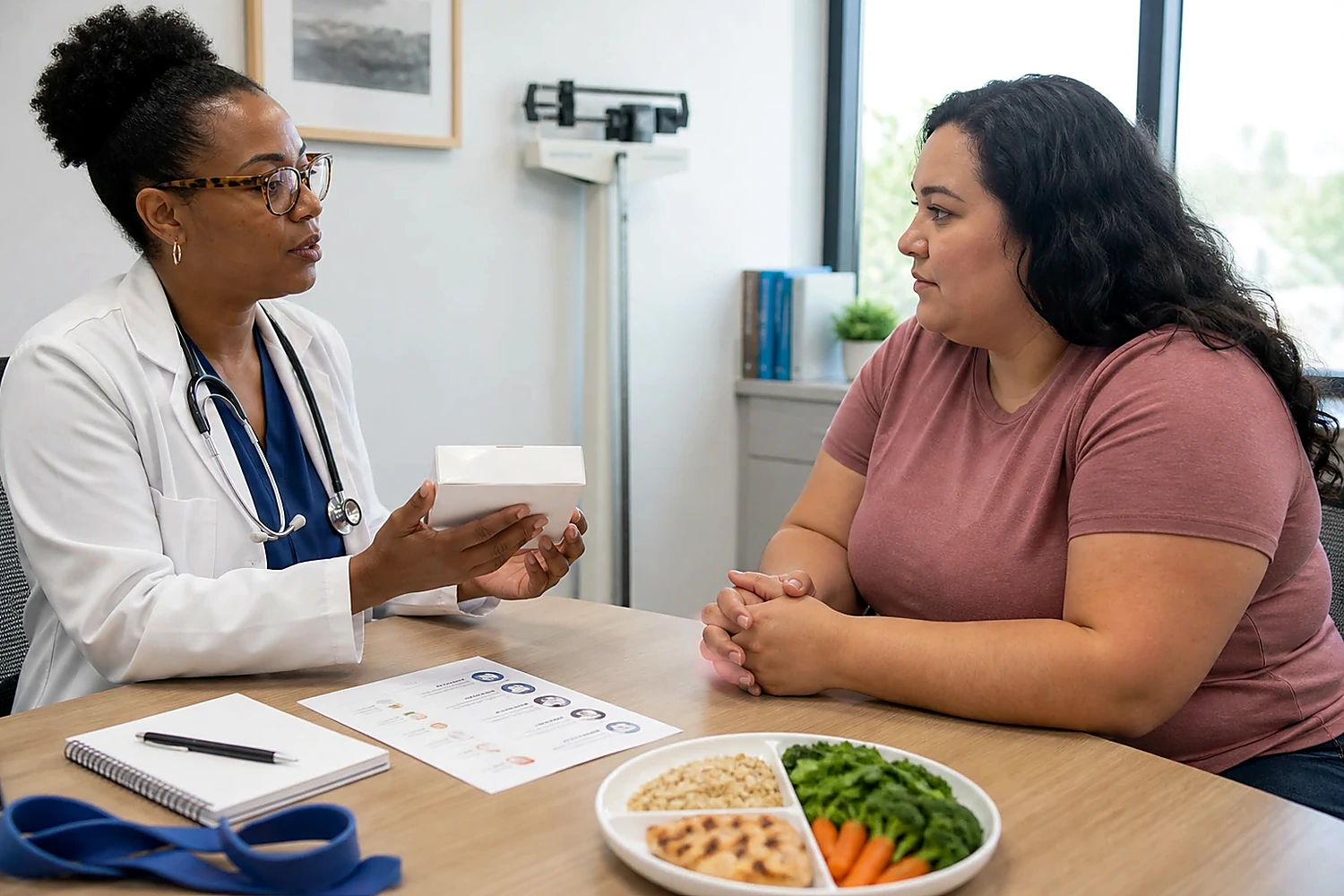
If your stomach is sensitive immediately after illness, you may need simpler meals for a short time and then broaden the diet. Our balanced plate guide can help you rebuild variety without making the meals complicated.
Increase Fiber Gradually
People sometimes respond to antibiotic concerns by adding large amounts of fiber powder or high-fiber foods overnight. That can worsen bloating or diarrhea. Start with portions you already tolerate, then increase variety gradually as bowel habits stabilize.
Whole foods provide different fiber types, which is more useful than relying on a single powder. If constipation becomes a problem instead, see the fiber guide for gradual intake and hydration tips.
Should You Take a Probiotic?
Some probiotic strains and combinations have evidence for reducing the risk of antibiotic-associated diarrhea in selected populations, but the benefit is not universal. Products differ, and very high CFU counts do not guarantee effectiveness. In some cases timing around the antibiotic matters.
If you want to use a probiotic, choose it for a specific reason and ask a pharmacist or clinician which strains have evidence. The probiotic supplement guide explains how to evaluate the label and safety profile.
Can Fermented Foods Help?
Yogurt with live cultures, kefir and other fermented foods can fit into recovery meals if you tolerate them. They provide nutrients and may introduce live microbes or fermentation products, but they are not guaranteed to rebuild the exact organisms altered by an antibiotic.
Think of fermented foods as optional foods rather than a prescription. If dairy, spice or acidity makes symptoms worse, choose other nutritious options.
What to Avoid
Avoid “colon cleanses,” extreme fasting, very restrictive elimination diets and unregulated products marketed to repopulate the gut instantly. These approaches can worsen dehydration or nutritional intake and may delay evaluation of persistent symptoms.
Also avoid assuming every post-antibiotic symptom is microbiome damage. The original infection, another medication, lactose intolerance after gastroenteritis, or C. difficile can produce similar complaints.
What Recovery Can Look Like Over Time
Human studies show that gut communities often begin moving toward their pre-antibiotic pattern after treatment, but some species may recover slowly or incompletely. Repeated antibiotic exposures can have larger effects than a single course. This does not mean you should track recovery with frequent commercial stool tests; current tests have limited ability to tell an individual what to eat or whether the microbiome is clinically “normal.”
Focus on symptoms, nutrition, hydration and medical follow-up when needed.
A Practical Recovery Checklist
- Finish the antibiotic exactly as directed unless your prescriber changes the plan.
- Replace fluids if diarrhea occurred.
- Return gradually to a varied, fiber-containing diet.
- Use yogurt or fermented foods only if tolerated.
- Choose probiotics for evidence-based reasons, not vague “detox” claims.
- Seek care for severe or persistent diarrhea, fever, blood or dehydration.
Why C. difficile Deserves Special Attention
Antibiotics can create an opportunity for Clostridioides difficile to overgrow in some people. C. difficile can cause frequent watery diarrhea, abdominal pain and fever and can become serious, particularly in older adults or people with recent healthcare exposure. Symptoms may begin during antibiotics or after the course has ended.
Do not try to manage severe post-antibiotic diarrhea with probiotics or a restrictive diet alone. A clinician can decide whether specific stool testing and treatment are needed. Prompt evaluation is especially important when dehydration, weakness or repeated watery stools are present.
Repeated Antibiotic Courses and Long-Term Context
Repeated courses can have larger or more persistent microbiome effects than a single short course, especially when exposures occur close together. This is one reason clinicians try to avoid antibiotics for viral infections and choose the narrowest effective treatment when possible.
If you frequently need antibiotics, ask whether there are prevention strategies for the underlying problem—for example, vaccination, dental care, urinary-tract infection prevention or management of chronic lung disease—rather than focusing only on gut recovery after each course.
Review Other Medications and Health Conditions
Antibiotics are not the only drugs that can change bowel habits. Magnesium, metformin, acid-suppressing medicines, laxatives and many other medications can contribute to diarrhea, constipation or bloating. The original infection can also alter appetite and digestion.
If symptoms persist, bring a complete medication and supplement list to the appointment. This often provides more useful clues than assuming the microbiome alone explains the problem.
When Appetite Is Low After Illness
Recovery can be harder when the infection itself reduced appetite. Instead of forcing large salads or very high-fiber meals immediately, start with smaller balanced meals that are easy to tolerate. Soups, oats, rice, eggs, yogurt if tolerated, cooked vegetables and simple protein foods can help rebuild intake.
As appetite returns, broaden the diet. The microbiome needs substrates, but the body also needs enough energy and protein to recover from illness. An aggressive “clean eating” plan that leaves you underfed is not a better recovery strategy.
Hydration and Electrolytes Matter More Than Microbiome Hacks
Diarrhea can lead to fluid and electrolyte losses, especially in older adults and children. Replacing fluids may be more urgent than choosing a probiotic or fermented food. Water is often enough for mild losses, while oral rehydration solutions may be appropriate for more significant diarrhea under medical guidance.
Watch for dizziness, very dark urine, inability to keep fluids down or reduced urination. These are reasons to seek care rather than focusing on a supplement routine.
When to Schedule Follow-Up Even Without an Emergency
Arrange non-urgent follow-up if bowel changes last more than a few weeks, if appetite remains poor, or if you are losing weight unintentionally. This is especially important after repeated antibiotic courses or when another chronic illness is present. A clinician can review whether symptoms fit a medication effect, post-infectious change, C. difficile, lactose intolerance or another diagnosis instead of assuming recovery simply needs more time.
Practical Takeaway
The gut microbiome often recovers after antibiotics, but recovery is individual and does not require an aggressive cleanse. Use antibiotics appropriately, eat enough, reintroduce a varied diet as tolerated, and pay attention to warning signs. If symptoms are severe or persistent, the right next step is medical care—not another wellness product.
Frequently Asked Questions
There is no single timeline. Some changes improve within weeks, while other microbial shifts can persist for months.
Some specific products may reduce antibiotic-associated diarrhea risk, but benefits vary by strain and population. Ask a clinician or pharmacist if you want to use one.
Yogurt can be a nutritious fermented food, but it cannot be guaranteed to restore the microbiome to its previous state.
Mild diarrhea can occur, but severe or persistent watery diarrhea, fever, blood, dehydration or significant pain needs medical evaluation.
Usually not. Consumer microbiome tests do not currently provide a validated “recovery score” that replaces clinical evaluation.
Safety and Scope
Seek prompt medical care for severe watery diarrhea after antibiotics, blood in stool, fever, intense abdominal pain, dehydration, fainting, or worsening illness. Do not stop or change prescribed antibiotics without professional guidance.