Published by Best Fitness Routine. Editorial standards · Report a correction. Educational guidance; no individual clinical review is claimed unless a qualified reviewer is named.
A Practical Starting Point
As an Amazon Associate I earn from qualifying purchases. This guide includes paid Amazon links.
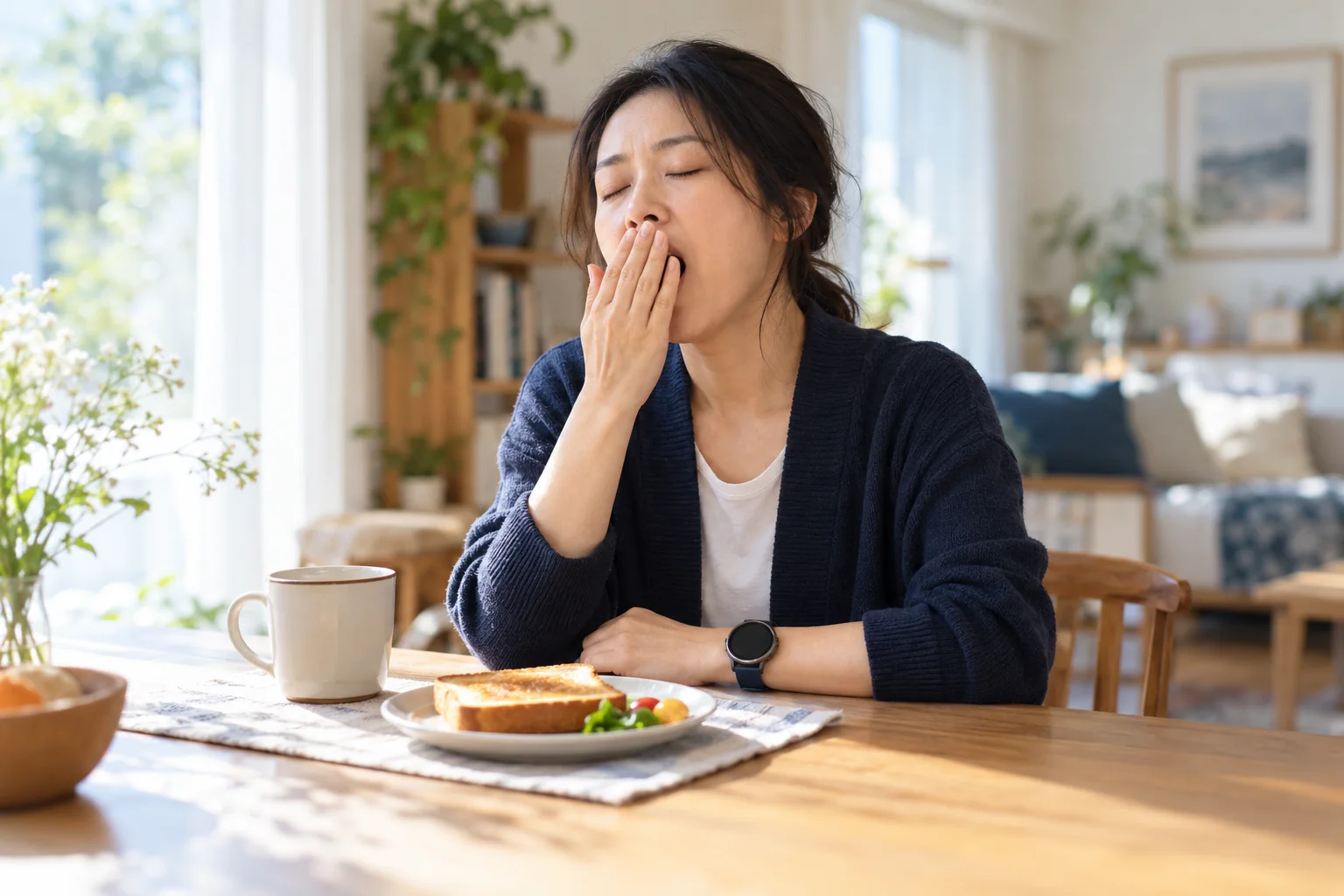
Feeling tired despite a good sleep score is a frustrating combination. The app may show a reassuring colour while you struggle to concentrate, want to nap or feel that ordinary tasks require more effort. Those experiences do not become unimportant because an algorithm rated the night favourably.
This guide separates a consumer score from how you function during the day. It helps you check the record and explain a persistent problem without turning the score into a diagnosis or trying to identify the cause by experimenting with harder workouts, supplements or repeated self-tests.
Identify what the score actually summarises
Open the explanation for your own device rather than assuming that every sleep score represents the same thing. A score may combine estimated duration, interruptions, timing and other signals. The Google Health Sleep Score explanation describes several contributing metrics, illustrating why a single total can hide different patterns. Its formula is an example, not a universal definition of restorative sleep.
Ask which part of the display relates to your question. If you remember lying awake for a long period, look at the recorded sleep window. If the timing is wrong, the apparent success may reflect an incorrect record rather than a mystery about your body. You do not need to inspect every chart. A suitable first question is whether the app identified the intended night and captured a complete enough record to discuss.
Distinguish tiredness from feeling sleepy
Try describing the experience without choosing a condition. Feeling likely to fall asleep, having little energy and finding it difficult to concentrate are not identical descriptions, although they can occur together. Explain when the problem happens and what it interrupts: a morning meeting, an ordinary walk or staying awake while reading.
The NHS tiredness guidance advises assessment when unexplained tiredness persists or affects daily life. It lists several possible explanations, which is a reason to seek assessment rather than select a diagnosis from a chart. A short account of your actual experience is more useful than telling a clinician that a watch says you should feel fine. Do not drive or undertake another safety-critical activity if you feel too sleepy to do it safely.
An optional plain notebook (paid link) can hold a few real-life examples; it is not a symptom-scoring test and a phone note is sufficient.
Check data quality without trying to prove the app wrong
Look for a missing night, a charging gap, an incorrectly fitted device or a sleep period attributed to the wrong date after travel. Follow the manufacturer’s instructions for wear and syncing. If a log clearly contains the wrong times, check the documented correction options, keeping a note that the record was edited. Do not alter entries to obtain a preferred score.
Consumer devices infer sleep rather than performing a full sleep-clinic assessment. A 2024 study of three named wearables compared particular devices and algorithms with polysomnography in healthy adults. That design cannot establish accuracy for every current device or for every person with disturbed sleep. Our sleep-tracker accuracy guide explains how to interpret validation claims without treating an appealing percentage as a guarantee about last night.
Consider the wider situation rather than chasing a better number
A score does not capture every demand on your day or every explanation for fatigue. Note relevant circumstances you already know, such as a changed work schedule, a recent illness or a medicine change, and explain them at an appropriate appointment. Do not stop prescribed medicine or add a sleep product because it might improve a chart.
You can use our general sleep-habit guide as background, but a habit checklist should not delay help for a persistent problem. Nor should a better-looking chart become the sole aim of a bedtime routine. If tracking itself is keeping you preoccupied with sleep, simplify what you review or discuss whether taking a break from non-essential tracking would help. Follow any monitoring instructions that are part of an existing care plan.
Recognise when a reassuring display is not reassurance
Seek appropriate medical advice for continuing daytime sleepiness, tiredness that affects daily life or symptoms such as observed breathing pauses and gasping during sleep. The NHS sleep-apnoea information explains why those observations deserve attention. They do not confirm a diagnosis, and their absence from an app does not rule one out.
An ordinary sleep score and a specific sleep-apnoea notification are different features. Even an authorised risk-notification feature has defined limitations and eligibility rules. Our guide to wearable health claims separates those functions. Tell the assessing professional what you noticed; do not wait for a watch alert, buy another device to settle the question or dismiss another person’s report because the screen looks normal.
Bring a small amount of useful information to the conversation
Prepare a brief description of what happens, roughly when it began and the effect on ordinary activities. Include your usual sleep opportunity and any relevant known changes. If you choose to show tracker information, identify the model and the dates, mention missing or edited records and distinguish what you remember from what the device estimated.
One representative screenshot can be enough to explain why you have a question; a large export is not automatically more informative. Ask what further assessment or observation is appropriate rather than requesting confirmation of an app’s explanation. The practical outcome is a clearer next step for the tiredness, not permission to keep ignoring it until the score changes. You are allowed to report that you feel unwell even when the device has nothing unusual to show.
If you bring printed information, a document folder (paid link) can keep the selected page with your questions; use a folder you already own.
Practical Reading Checklist
- Name the daytime difficulty in ordinary words.
- Check the device recorded the intended sleep period.
- Note relevant context and any obvious data gaps.
- Seek appropriate assessment for persistent or concerning symptoms.
- Bring a brief account rather than relying on a favourable score.
Useful Distinctions at a Glance
| What you notice | Useful information | What the score cannot establish |
|---|---|---|
| Good total, remembered wakefulness | Approximate times and whether the sleep window is correct | That every quiet period was sleep |
| Sleepiness affecting tasks | When you feel likely to doze and what it interrupts | That driving or work is safe |
| An observed breathing pause | What the observer actually noticed | A diagnosis or exclusion from the displayed score |
| An edited sleep log | Which entry changed and why | That recalculated data is a fresh clinical measurement |
Common Misunderstandings to Avoid
Describe the problem when it persists or affects daily life.
Correct factual errors only through documented tools and note edits.
Ask about appropriate assessment rather than comparing reassuring screens.
Frequently Asked Questions
No. It summarises the information and assumptions used by that device. Your daytime symptoms and experience still matter.
Repeated checking is unlikely to explain persistent tiredness. Review only what serves a useful question and seek appropriate support when needed.
No. Tiredness has many possible explanations. Observed breathing pauses, gasping or persistent daytime sleepiness deserve assessment rather than self-diagnosis.
Start with what you experience and its impact. A dated example with the device model and any known data gaps may provide context if relevant.
Scope and Personal Care
This guide provides general consumer education, not an individual medical assessment or exercise prescription. A score or normal display cannot establish that a symptom is harmless. Follow the instructions for any device notification and seek appropriate professional advice about persistent symptoms or concerns. Chest pain, fainting or severe unexpected breathlessness needs urgent appropriate help rather than another tracker reading. Relevant device features, eligibility and authorisations can vary by model, software and country; check the documentation for your exact feature.
Sources and Further Reading
- Google Health: how its Sleep Score works
- NHS: tiredness and fatigue
- NHS: sleep apnoea
- 2024 primary study: three wearable sleep trackers in healthy adults
Prepared by the Best Fitness Routine Editorial Team. Sources checked October 30, 2026. This source-based consumer education is provided without individual assessment or a claimed clinical review. Product documentation can change; check your exact model, software and region. Images are AI-generated illustrations.