About This Healthy Recipe
This white bean kale skillet with tomatoes and basil uses creamy beans, hearty kale, garlic, onion and tomatoes to create a fast stovetop meal. The result is savory and satisfying without being heavy, and it works well on its own or alongside a grain.
It belongs in the Anti-Inflammatory Recipes collection because it centers legumes, greens, tomatoes and olive oil. That page topic is a recipe organization choice, not individualized health treatment.
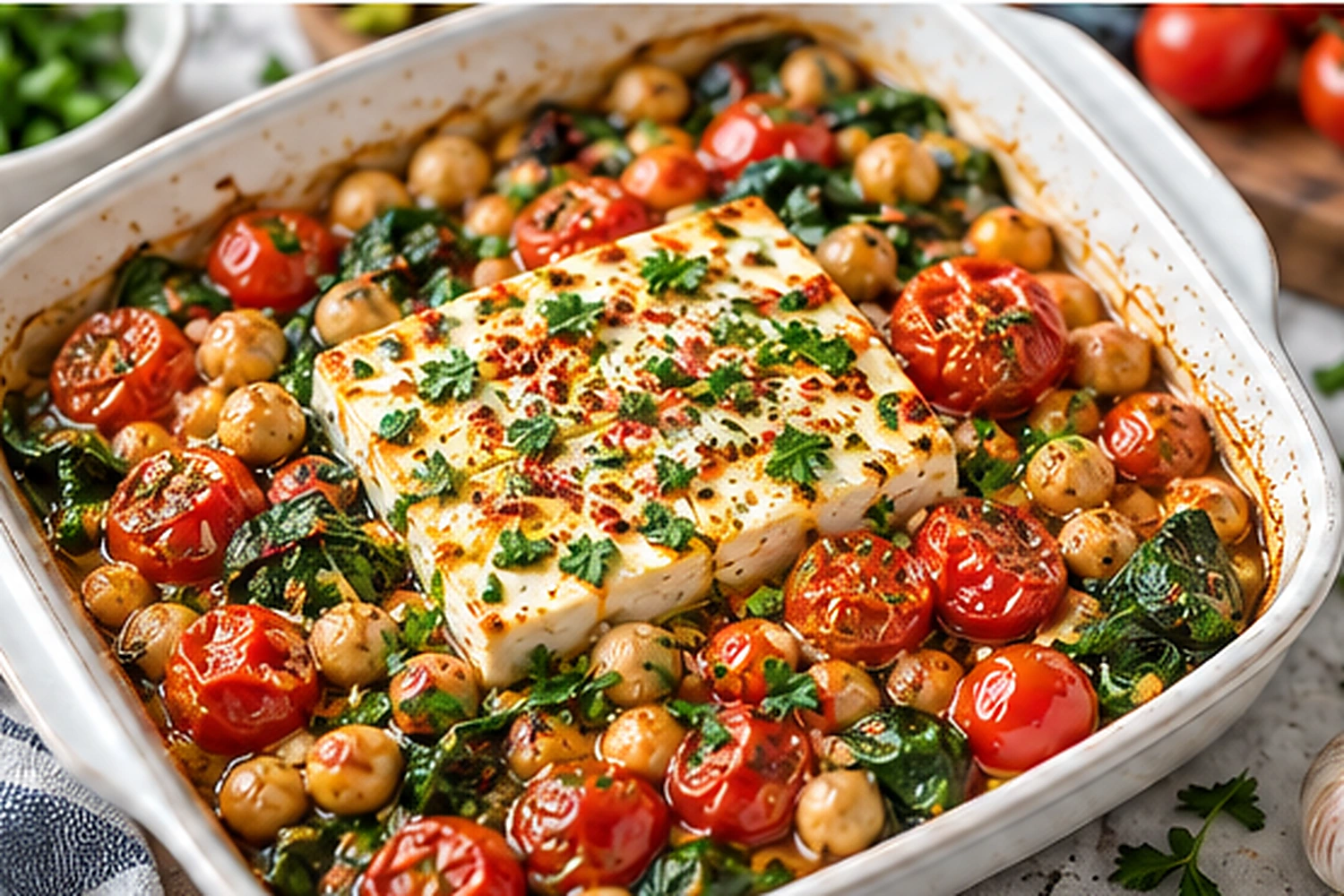
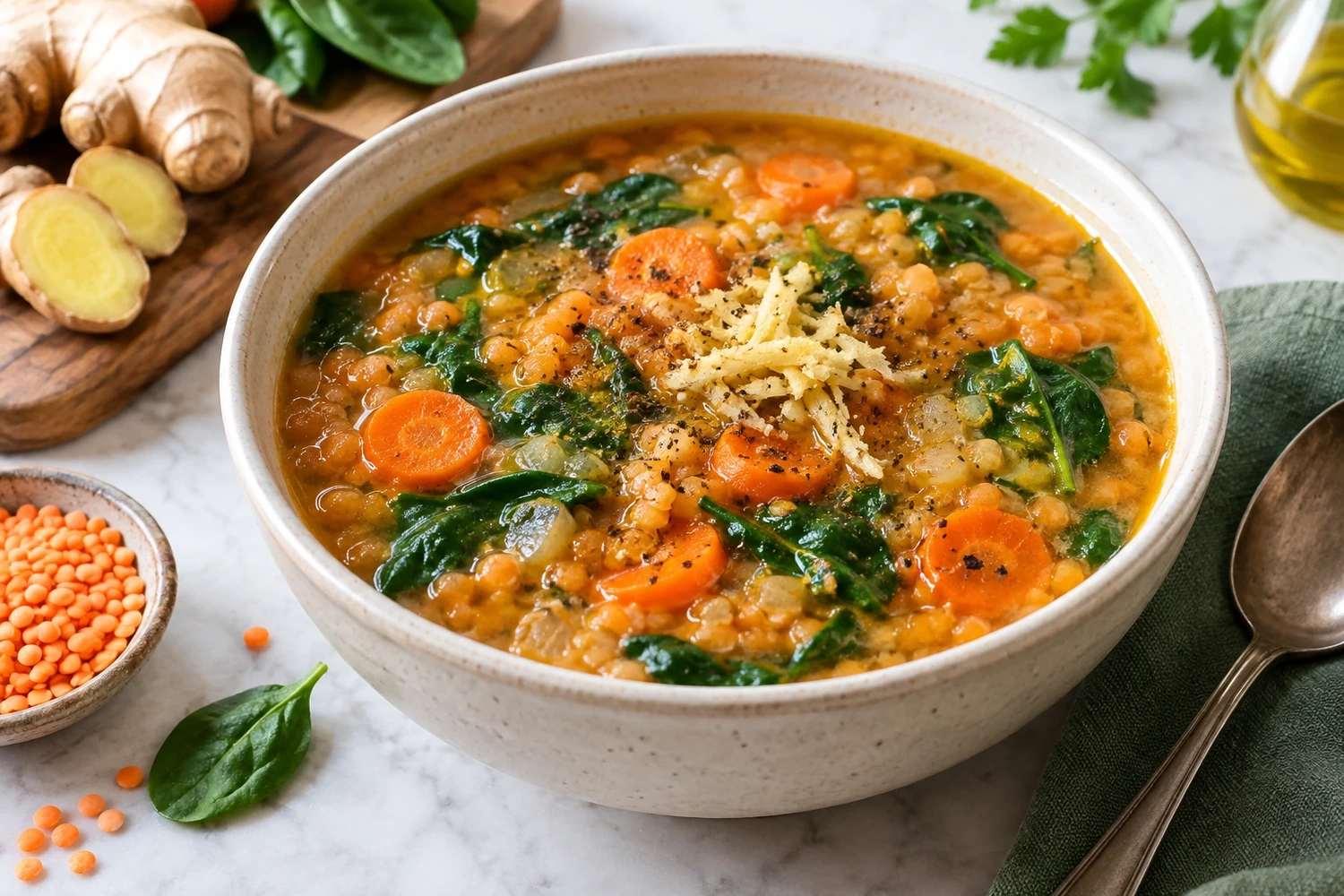
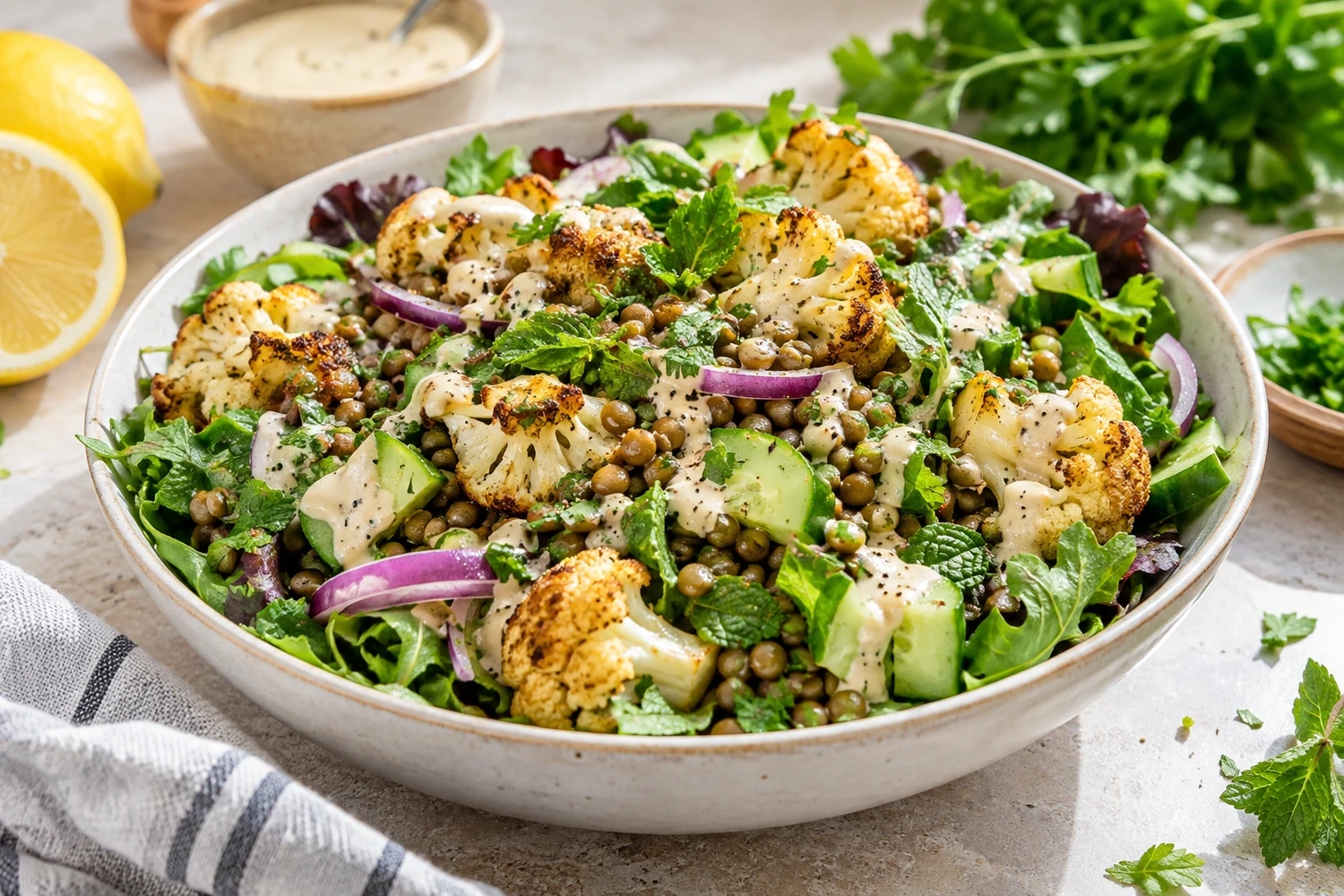
If you like simple plant-forward dinners, compare this skillet with our Baked Feta Chickpeas, Healthy Chickpea Spinach Curry, Roasted Cauliflower Lentil Salad, and Healthy Meals.
Why Readers May Like It
- 1One-pan vegetarian dinner with pantry staples.
- 2About 14.4 g protein and 10.6 g fiber per serving.
- 3Flexible enough to serve alone, with toast or over grains.
Recipe Summary and Estimated Nutrition
The values below are calculated from the listed base-recipe ingredients and divided by the stated number of servings. Use them as practical estimates rather than medical or laboratory measurements.
4 servings
Calculated from measured ingredient weights and divided into the listed yield. Each serving is roughly about 330 g per serving.
Estimated energy per serving
Main protein sources in this meal
Mostly from whole-food ingredients
Includes naturally occurring fats and added oil
Nutrition estimates can vary with brands, exact produce size, drained weight, cooking loss, and substitutions.
Ingredient-by-Ingredient Nutrition Breakdown
The table shows approximate contributions from the full base recipe. Values are rounded and designed for transparency, not clinical nutrition planning.
| Ingredient | Amount used | Weight | Calories | Protein | Carbs | Fat |
|---|---|---|---|---|---|---|
| Cannellini beans | 2 cans | 480 g drained | 672 kcal | 42.0 g | 121 g | 2.0 g |
| Olive oil | 1 tbsp | 14 g | 119 kcal | 0 g | 0 g | 13.5 g |
| Kale | 4 cups | 100 g | 49 kcal | 4.3 g | 8.8 g | 0.9 g |
| Cherry tomatoes | 2 cups | 300 g | 54 kcal | 2.7 g | 11.7 g | 0.6 g |
| Onion and garlic | combined | 135 g | 63 kcal | 1.9 g | 14.0 g | 0.2 g |
| Tomato paste, broth, basil and lemon | combined | ~100 g | 36 kcal | 1.0 g | 6.0 g | 0.1 g |
| Calculated full-recipe total | 4 servings | — | 1192 kcal | 57.6 g | 131.6 g | 48.4 g |
How This Nutrition Estimate Was Prepared
- Base ingredients were matched to standard nutrition references or typical label values.
- Recipe totals were divided by 4 servings.
- Cooking changes water weight more than the listed macronutrient estimate.
- Salt, sauces, cheese, and packaged products are major sources of variation.
Accuracy note: These numbers are credible estimates, not laboratory analyses. For exact personal needs, use the labels on the products you buy and guidance from a qualified professional.
Ingredients
Skillet ingredients
Seasoning and finish
Professional Step-by-Step Preparation
Equipment
•, •, •.
Before You Start
Drain the beans well and chop the kale before heating the skillet so the recipe comes together quickly. If your kale is especially mature, massage it lightly or chop it smaller so it softens faster.
Sauté the aromatics
About 3 minutesCook the onion in olive oil for 4 to 5 minutes until softened. Add the garlic and cook briefly.
Kitchen cue: Keep the pan or oven hot enough for good texture, but reduce heat if the food starts to scorch.
Build the base
About 3 minutesStir in the tomato paste, black pepper and red-pepper flakes so the paste darkens slightly and becomes more fragrant.
Kitchen cue: Use visual texture and the written doneness cues rather than rushing the step.
Add tomatoes and beans
About 3 minutesStir in the tomatoes and beans with the broth or water. Simmer 5 to 6 minutes so the tomatoes begin to burst.
Kitchen cue: Use visual texture and the written doneness cues rather than rushing the step.
Wilt the kale
About 3 minutesAdd the chopped kale and cook until it softens and folds into the skillet.
Kitchen cue: Use visual texture and the written doneness cues rather than rushing the step.
Finish the flavor
About 3 minutesStir in basil and lemon juice, then taste and adjust seasoning.
Kitchen cue: Taste before serving and adjust acidity, herbs, pepper, or salt only as needed.
Serve
About 3 minutesServe as is, spoon it over brown rice or enjoy it with whole-grain toast.
Kitchen cue: Taste before serving and adjust acidity, herbs, pepper, or salt only as needed.
How to Know It Is Ready
Look for the texture and doneness cues described in the steps. For eggs, seafood, poultry, meat, or other animal proteins, follow safe food-handling practices and use a food thermometer when appropriate rather than judging doneness only by color.
Potential Benefits and Things to Consider
Potential Benefits
- Beans are a cost-effective source of protein and fiber.
- Kale and tomatoes add volume and color, which can help the meal feel bigger without needing a heavy sauce.
- The recipe is easy to keep vegetarian and can be turned into leftovers for lunch.
Things to Consider
- This meal is moderate in calories, so some people will want to add bread, grains or a protein side.
- Beans vary in sodium, so rinsing thoroughly is helpful.
- If you do not enjoy kale, use baby spinach and reduce the cook time.
No single recipe determines health on its own. Overall eating pattern, portions, activity, sleep, medical needs, and consistency matter more than one meal.
Who May Enjoy This Recipe?
It May Work Well For
- Adults who want a practical, balanced healthy meal.
- People who prefer meals built around mostly whole-food ingredients.
- Home cooks looking for predictable portions and clear instructions.
- Meal-prep users who can store components safely.
Best Times to Eat It
Lunch or dinner. This page may suit people who want affordable healthy dinners, meatless Monday recipes or easy meals that rely on pantry staples plus a few fresh vegetables.
How to Adjust It for Different Goals
Higher protein
Top with grilled chicken, shrimp or extra beans.
More calories
Serve it over farro or brown rice with olive oil drizzle.
Lower calories
Use less oil and keep the meal as a bean-and-vegetable bowl.
Substitutions, Dietary Notes, and Allergens
Practical Substitutions
- Use Great Northern beans or chickpeas instead of cannellini beans.
- Swap kale for spinach or Swiss chard.
- Use canned diced tomatoes if cherry tomatoes are out of season.
- Add feta on top if you want a tangier finish.
Allergen Information
Check every packaged ingredient for allergens and cross-contact statements. Depending on the recipe, common allergens may include fish, shellfish, dairy, egg, soy, peanuts, tree nuts, sesame, or gluten.
Storage and Meal Preparation
Refrigerate leftovers up to 4 days. Reheat gently in a skillet or microwave. If the mixture thickens, add a spoonful of water or broth.
For meal prep, cool cooked food promptly and portion it into covered containers rather than leaving a large batch at room temperature. Most cooked leftovers are best used within 3–4 days when refrigerated at 40°F (4°C) or below. Keep fresh toppings, avocado, herbs, crunchy components, or yogurt-based sauces separate when that improves texture.
Frequently Asked Questions
Yes, although kale softens further after freezing. The flavor still holds up well.
Yes. It stores well and pairs easily with grains or eggs.
Yes. Stir it into cooked whole-wheat pasta for a larger meal.
No. They depend on bean brand, tomato size and the amount of oil used.
Not automatically. Always check ingredient labels if sodium is important for you.
Start with measured portions of oil, cheese, nuts, avocado, sauces, grains, or bread while keeping vegetables and protein substantial.
Nutrition and Safety Note
This recipe is general educational information, not individualized medical nutrition advice. People with kidney disease, diabetes, food allergies, gastrointestinal conditions, pregnancy-related needs, or other medical concerns may need different portions or ingredient choices.
Nutrition Data Source
Estimates are informed by typical values from USDA FoodData Central and standard packaged-food labels, then rounded for practical display.