About This Healthy Recipe
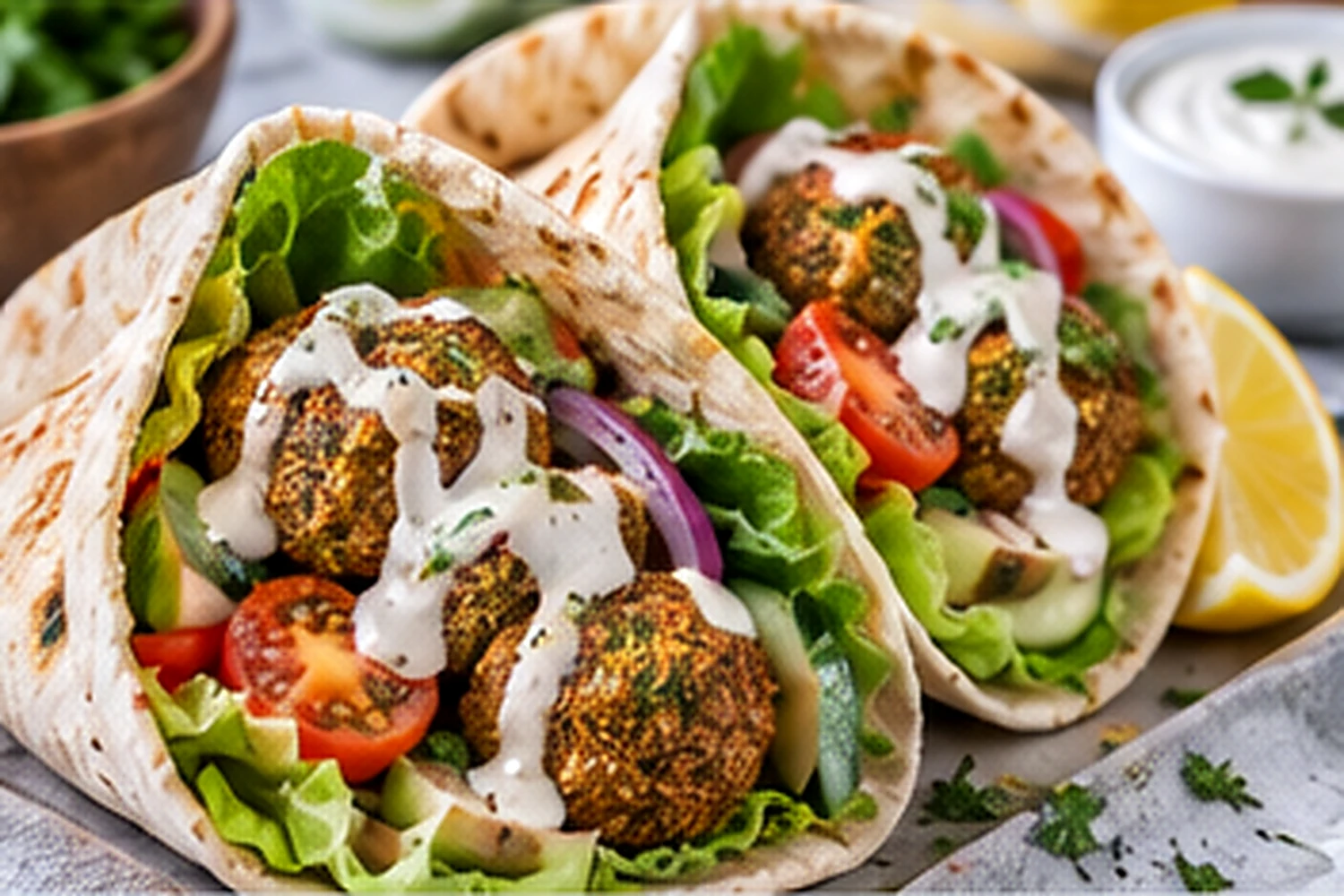
Crisp air fryer chickpea falafel served in whole-wheat pitas with cucumber-tomato salad and a creamy tahini-yogurt sauce.
This recipe is designed around a simple healthy-meal formula: a clear protein source, plenty of vegetables or plant foods, a measured amount of added fat, and a practical carbohydrate source when it fits the meal. The air fryer helps build browning and texture without deep frying.
Portions are written for home cooking and the nutrition numbers are estimates rather than laboratory values. Adjust the meal for allergies, medical needs, energy requirements, and personal preferences.
Why Readers May Like It
- 1Air-fryer method with practical cook time.
- 2Balanced with protein and plant foods.
- 3Easy to adapt for meal prep.
Recipe Summary and Estimated Nutrition
The values below are calculated from the listed base-recipe ingredients and divided by the stated number of servings. Use them as practical estimates rather than medical or laboratory measurements.
3 servings
Calculated from measured ingredient amounts. Product labels, trimming, draining, and cooking loss can change the final values.
Estimated energy per serving
Calculated from all listed ingredients
Includes fiber and naturally occurring sugars
Includes saturated and unsaturated fat
Nutrition estimates can vary with brands, exact produce size, drained weight, cooking loss, and substitutions.
Ingredient-by-Ingredient Nutrition Breakdown
The table shows approximate contributions from the full base recipe. Values are rounded and designed for transparency, not clinical nutrition planning.
| Ingredient | Amount used | Weight | Calories | Protein | Carbs | Fat |
|---|---|---|---|---|---|---|
| Cooked chickpeas | 2 cups cooked chickpeas, drained | 330 g | 338 kcal | 11.4 g | 54.9 g | 7.7 g |
| Parsley | ½ cup parsley | 30 g | 51 kcal | 2.9 g | 6.3 g | 1.7 g |
| Cilantro | ¼ cup cilantro | 15 g | 51 kcal | 2.9 g | 6.3 g | 1.7 g |
| Onion | ½ small onion | 60 g | 51 kcal | 2.9 g | 6.3 g | 1.7 g |
| Garlic | 2 cloves garlic | 6 g | 51 kcal | 2.9 g | 6.3 g | 1.7 g |
| Oat flour | 2 tablespoons oat flour | 16 g | 51 kcal | 2.9 g | 6.3 g | 1.7 g |
| Whole-wheat pitas | 3 whole-wheat pitas | 180 g | 338 kcal | 11.4 g | 54.9 g | 7.7 g |
| Cucumber | 1½ cups chopped cucumber | 195 g | 51 kcal | 2.9 g | 6.3 g | 1.7 g |
| Tomatoes | 1½ cups chopped tomatoes | 270 g | 51 kcal | 2.9 g | 6.3 g | 1.7 g |
| Greek yogurt | ½ cup plain Greek yogurt | 120 g | 128 kcal | 7.0 g | 15.5 g | 4.5 g |
| Tahini | 1½ tablespoons tahini | 24 g | 246 kcal | 9.2 g | 20.6 g | 15.4 g |
| Lemon juice | 1 tablespoon lemon juice | 15 g | 51 kcal | 2.9 g | 6.3 g | 1.7 g |
| Calculated full-recipe total | 3 servings | — | 1458 kcal | 62.4 g | 196.2 g | 49.2 g |
How This Nutrition Estimate Was Prepared
- Base ingredients were matched to standard nutrition references or typical label values.
- Recipe totals were divided by 3 servings.
- Cooking changes water weight more than the listed macronutrient estimate.
- Salt, sauces, cheese, and packaged products are major sources of variation.
Accuracy note: These numbers are credible estimates, not laboratory analyses. For exact personal needs, use the labels on the products you buy and guidance from a qualified professional.
Ingredients
Falafel
Pitas and salad
Sauce
Professional Step-by-Step Preparation
Equipment
Air fryer, mixing bowls, cutting board, chef’s knife, measuring spoons, tongs, and an instant-read thermometer when cooking poultry, pork, or fish.
Before You Start
Read the full recipe once, prepare the ingredients, preheat the air fryer if your model recommends it, and keep raw animal proteins separate from ready-to-eat foods.
Blend the falafel mixture
About 4 minutesPulse chickpeas, herbs, onion, garlic, oat flour, cumin, salt, and pepper until crumbly but able to hold together.
Kitchen cue: work in a single layer where possible so hot air can circulate evenly.
Shape and chill briefly
About 5 minutesForm small patties and refrigerate for 10 minutes if the mixture feels soft.
Kitchen cue: work in a single layer where possible so hot air can circulate evenly.
Air fry until crisp
About 6 minutesLightly spray or brush the falafel and air fry at 375°F (191°C) for 12–15 minutes, turning once.
Kitchen cue: work in a single layer where possible so hot air can circulate evenly.
Assemble the pitas
About 7 minutesFill warm pitas with falafel, cucumber-tomato salad, and tahini yogurt.
Kitchen cue: work in a single layer where possible so hot air can circulate evenly.
How to Know It Is Ready
Look for browned edges and the texture described in the steps. For animal proteins, use a food thermometer and follow safe minimum internal temperatures rather than judging doneness only by color.
Potential Benefits and Things to Consider
Potential Benefits
- Chickpeas provide plant protein and substantial fiber.
- Air frying creates a crisp exterior with less oil than deep frying.
- Fresh salad increases vegetable volume.
Things to Consider
- Falafel mixture should be dry enough to hold its shape.
- Pita and oat flour choices matter for gluten needs.
No single recipe determines health on its own. Overall eating pattern, portions, activity, sleep, medical needs, and consistency matter more than one meal.
Who May Enjoy This Recipe?
It May Work Well For
- Adults who want a practical, balanced air-fryer meal.
- People who prefer meals with a clear protein source and vegetables.
- Home cooks looking for weeknight recipes with predictable portions.
- Meal-prep users who can store components safely.
Best Times to Eat It
Vegetarian lunch or dinner. It can also work whenever the portions and ingredients fit your appetite and overall eating plan.
How to Adjust It for Different Goals
For fewer calories
Keep the protein and vegetables substantial while reducing calorie-dense extras such as oil, cheese, nuts, avocado, sauces, or large grain portions.
For more energy
Add a larger serving of whole grains, potatoes, beans, fruit, or another carbohydrate source that fits the meal.
For more protein
Increase the main lean protein modestly or add Greek yogurt, beans, tofu, or another protein-rich side that fits the recipe.
Substitutions, Dietary Notes, and Allergens
Practical Substitutions
- Use certified gluten-free oats and wraps for a gluten-free version.
- Use dairy-free yogurt for a vegan sauce.
- Serve as a salad bowl if you do not want pita.
Allergen Information
Check every packaged ingredient for allergens and cross-contact statements. Depending on the recipe, common allergens may include fish, shellfish, dairy, egg, soy, peanuts, sesame, or gluten.
Storage and Meal Preparation
Cool cooked food promptly and refrigerate it in shallow, covered containers. As a general home-food-safety practice, most cooked leftovers are best used within 3–4 days when refrigerated at 40°F (4°C) or below. Reheat cooked animal-protein components thoroughly and keep fresh slaw, avocado, herbs, or yogurt sauces separate when that improves texture.
For meal prep, portion the recipe after it has cooled rather than leaving a large batch at room temperature. Freeze only components that freeze well; crisp vegetables and dairy-based sauces are usually better made fresh.
Frequently Asked Questions
Yes. Cool the components promptly, store them in covered containers, and reheat only what you plan to eat. Fresh slaws, avocado, herbs, and yogurt sauces are usually best kept separate until serving.
Yes. A conventional oven or stovetop can work, but cooking time and browning will differ. Use the same food-safety temperature targets rather than relying only on time.
Start with the measured oil, sauce, cheese, nuts, avocado, or bread portions because these ingredients can change energy intake quickly. Keep the protein and vegetables generous.
Increase the lean protein portion modestly, add Greek yogurt or beans where they fit the recipe, or pair the meal with another protein-rich side that matches your needs.
Use no-salt-added canned ingredients where available, choose reduced-sodium sauces, and build flavor with lemon, vinegar, garlic, herbs, spices, and fresh produce.
No. The nutrition panel is an evidence-informed estimate based on the listed ingredient amounts. Brands, trimming, drained weights, cooking loss, and substitutions can change the final values.
Nutrition and Safety Note
This recipe is general educational information, not individualized medical nutrition advice. People with kidney disease, diabetes, food allergies, gastrointestinal conditions, pregnancy-related needs, or other medical concerns may need different portions or ingredient choices.
Nutrition Data Source
Estimates are informed by typical values from USDA FoodData Central and standard packaged-food labels, then rounded for practical display.