Why Walking After Meals Can Help
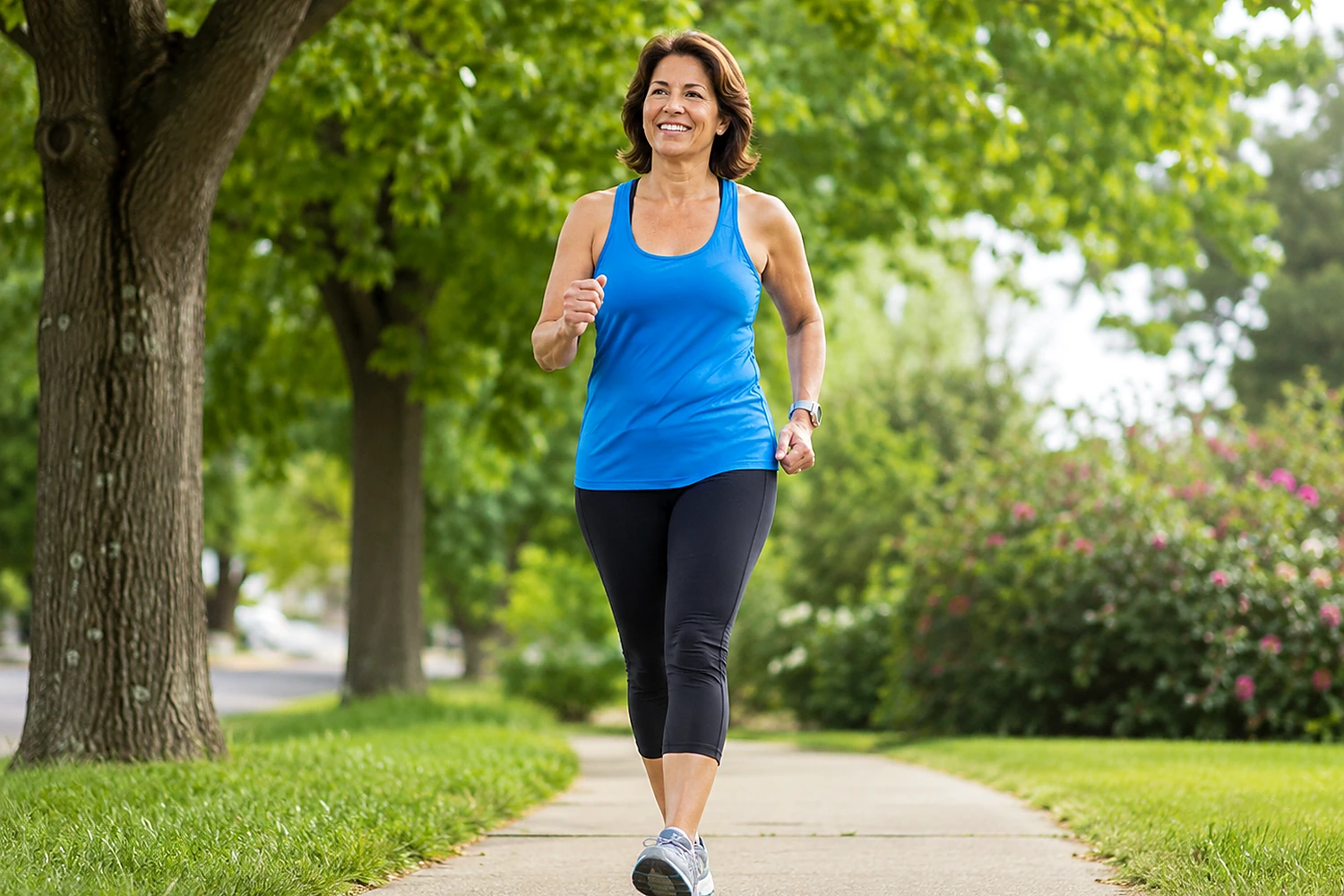
Working muscles use glucose for energy. After a meal, a comfortable walk adds a small amount of muscle activity at a time when glucose is entering the bloodstream. CDC guidance for people with diabetes even gives a 10-minute walk after dinner as a practical way to start being more active.
This does not mean every person needs exactly ten minutes or that walking replaces medication. Think of it as one useful habit inside a broader plan.
When Should You Walk?
There is no single perfect minute that works for everyone. A practical approach is to begin within a comfortable period after finishing a meal, once you feel ready to move, and keep the intensity easy to moderate. If reflux or digestive symptoms make immediate walking uncomfortable, wait longer.
For general walking progression, see Walking for Health.
How Long Does the Walk Need to Be?
Short bouts count. Ten to fifteen minutes is realistic for many people and can be repeated after one or more meals. If that feels easy, build toward the broader goal of regular weekly activity rather than trying to turn every post-meal walk into a workout.
Our morning walk guide shows another way to fit low-intensity movement into a routine.
How Hard Should You Walk?
A pace that lets you talk in full sentences is enough for a post-meal habit. The objective is movement, not exhaustion. Hills and fast intervals can be added later if they fit your fitness level and medical situation.
Extra Safety if You Have Diabetes
People using insulin or certain glucose-lowering medicines can develop hypoglycemia with exercise. Follow your diabetes care plan, know how to monitor and treat low glucose, and ask your healthcare team about exercise timing if you have frequent lows.
For broader daily management, see type 2 diabetes daily self-care.
Does a Post-Meal Walk Cause Weight Loss?
One walk does not create meaningful weight loss by itself. The benefit is that small bouts of movement can increase total activity and may be easier to repeat consistently. If weight management is a goal, pair walking with an overall eating and training plan rather than relying on a “walk off your meal” mindset.
The daily movement and NEAT guide explains how small activity bouts add up.
How to Make the Habit Stick
Attach the walk to a meal you eat consistently, keep comfortable shoes nearby, and use a route that does not require planning. On bad-weather days, walk indoors, use stairs gently or take several laps around the home or workplace.
A Simple One-Week Walking Experiment
Choose one meal you eat most days and walk for 10 minutes at a comfortable pace afterward for one week. Keep the route easy enough that bad weather or a busy schedule has an indoor backup. At the end of the week, judge the habit by consistency, energy and how well it fits your routine—not by expecting a dramatic change in body weight.
If you monitor glucose for a medical reason, use the schedule recommended by your clinician. Do not add extra checks solely to prove that the walk “worked.” The larger goal is regular activity that can continue for months, not a perfect graph after every meal.
How to make post-meal walking realistic
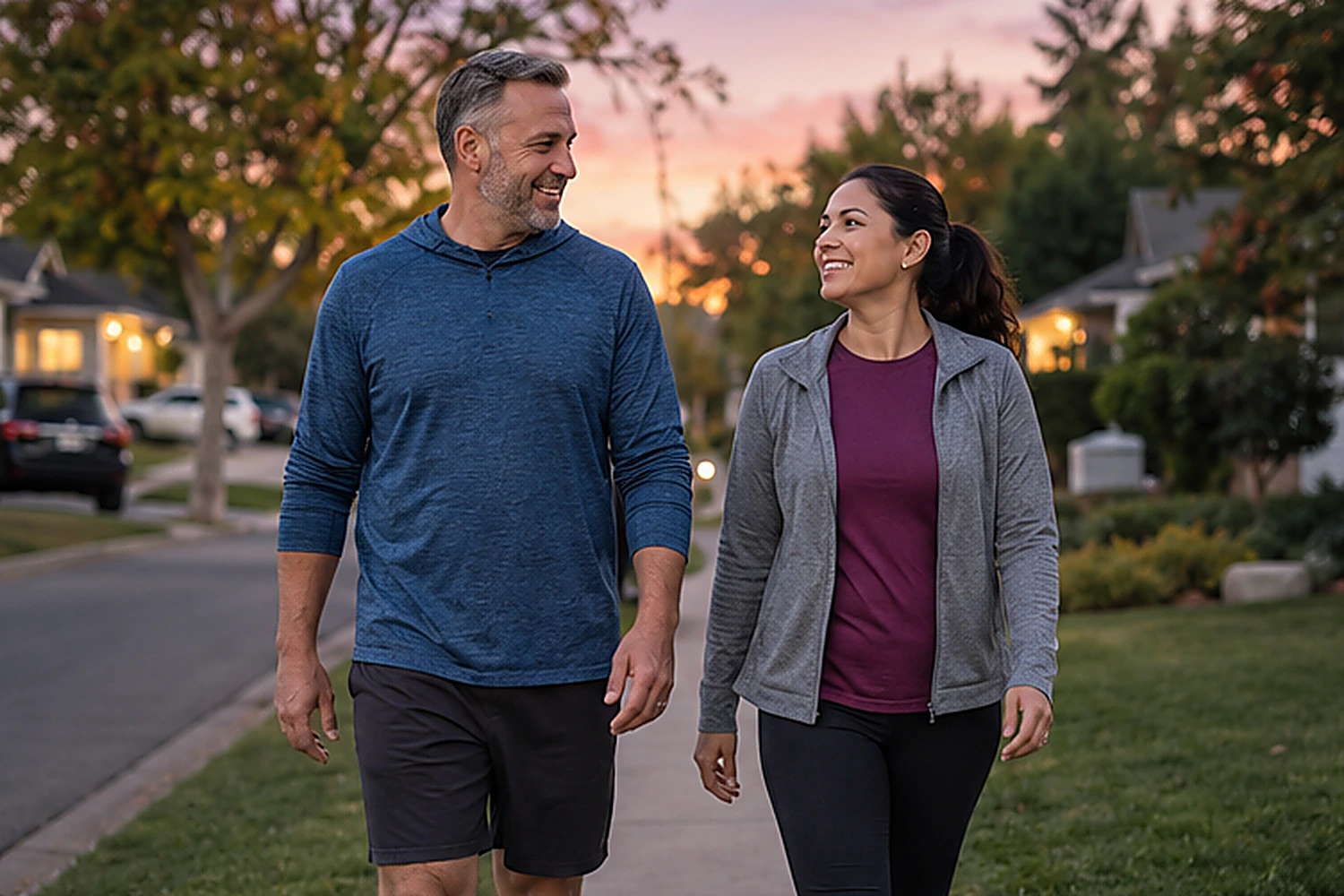
One reason walking after meals is so useful is that it can fit into normal life. A full gym session is not always possible after lunch or dinner, but a 10- to 20-minute walk around the block, through a hallway, or at a store can still count. The goal is consistency, not a perfect route or pace every single day.
If weather, mobility, or schedule make outdoor walks difficult, indoor options can work too. Some people walk while talking on the phone, use a treadmill, or simply add a few laps around home or work after eating. Over time, these short sessions can become one of the easiest ways to accumulate more daily movement without overhauling the whole routine.
Why Timing Can Matter Even if Total Exercise Is the Same
Glucose commonly rises after eating as carbohydrate is digested and absorbed. Contracting muscles can use glucose, so moving during the post-meal period gives the body another place to direct some of that fuel. This is one reason a modest walk shortly after a meal can affect the post-meal curve even when the total amount of exercise for the day is not large.
That does not mean post-meal walking is the only useful time to exercise. Morning workouts, strength training, and longer sessions all contribute to fitness and metabolic health. The advantage of the after-meal walk is mainly practicality: it links activity to a repeated daily event, which can make the habit easier to remember.
One Long Walk or Several Short Walks?
Both can be useful. A longer daily walk may be better for building endurance and accumulating more total activity, while several short walks can help break up sitting and fit around meals. Someone with a desk job might walk for 10 minutes after lunch and dinner, while another person may prefer one 30-minute walk in the evening. The best structure depends on schedule, fitness, and medical needs.
If you are inactive, start with the option that feels easiest. Five to ten minutes after one meal is a legitimate starting point. Once that is routine, add another meal or increase the pace slightly. Progress should feel sustainable rather than like punishment for eating.
Common Barriers and Practical Alternatives
Weather, neighborhood safety, joint pain, childcare, and work schedules can make outdoor walking difficult. Indoor alternatives include a treadmill, walking through a shopping center, marching gently at home, or doing a few minutes of low-impact movement. People with balance problems may need a supported or supervised option.
Digestive comfort matters too. A gentle walk is usually easier immediately after eating than hard running or intense intervals. If you experience chest discomfort, unusual shortness of breath, dizziness, or severe abdominal symptoms during activity, stop and seek appropriate medical advice rather than trying to push through.
A Four-Week Way to Build the Habit Gradually
During the first week, choose one meal per day and walk for five to ten comfortable minutes afterward. In the second week, either add a few minutes or add a second meal on several days. By weeks three and four, keep the routine that feels sustainable and add pace only if it feels appropriate. The goal is to make walking automatic, not to turn every meal into an exercise obligation.
Track the habit rather than obsessing over calories burned. A simple check mark for each walk is enough. If you also monitor glucose for medical reasons, discuss with your healthcare team how to interpret changes, especially if you use insulin or medicines that can cause low blood sugar. A routine that is simple enough to continue is more valuable than a complicated plan you abandon after a week.
If walking after every meal feels unrealistic, choose the meal after which you usually sit the longest. One dependable walk is a better foundation than an ambitious three-walk schedule that disappears after a few days.
Practical Takeaway
A short walk after a meal is a simple, low-barrier way to add movement at a useful time of day. Treat it as one part of your total activity pattern rather than a cure for high glucose, and adjust timing or intensity if medications, balance problems, foot issues, or other medical conditions affect exercise safety.
Questions to Ask a Healthcare Professional
- Is walking soon after meals safe with my current medicines or diabetes treatment?
- What pace and duration make sense for my fitness level and mobility?
- Do I need to check glucose before or after walking because of hypoglycemia risk?
- Are there foot, balance, heart, or joint problems that should change how I start?
Frequently Asked Questions
A short walk is a useful starting point and contributes to total daily activity. Benefits depend on consistency and overall activity.
No. Choose a timing that is comfortable and practical.
Not necessarily. Start with one meal and build only if it fits your routine.
No. Exercise supports glucose management but medication changes require your healthcare professional.
Stop, sit somewhere safe and follow your established low-glucose plan if you have one. Recurrent symptoms need medical review.
Safety and Scope
This article offers general physical-activity guidance, not a diabetes treatment plan. People using insulin or medicines that can cause hypoglycemia may need individualized advice about glucose checks, carbohydrate, and timing. Stop activity and seek care for chest pain, fainting, severe shortness of breath, or severe low-glucose symptoms.