
Published by Best Fitness Routine. Editorial standards · Report a correction. Educational guidance; no individual clinical review is claimed unless a qualified reviewer is named.
Overview
A morning walk can be a simple way to begin the day with movement, but its real value comes from consistency—not from a special fat-burning hour on the clock.
Why Morning Walking Can Work So Well
Walking is a moderate-intensity activity for many people and requires little equipment. Doing it early can protect the habit from meetings, errands and evening fatigue. The morning itself is not magical; it is simply a reliable time for some schedules.
Regular physical activity can provide immediate benefits such as improved sleep quality, lower feelings of anxiety and reduced blood pressure, while long-term activity supports heart, brain and metabolic health. Read our broader walking for health guide for pace and step guidance.
Possible Benefits You May Notice
A brisk walk raises heart rate and breathing, trains aerobic endurance and can make daily tasks feel easier over time. Outdoor light and a predictable routine may also help you feel more alert, although a walk is not a treatment for persistent fatigue or a sleep disorder.
Many people value the mental transition: the walk creates quiet time before work and reduces the friction of deciding when to exercise. Benefits depend on total activity, pace, duration, health and consistency.
How Long and How Fast Should You Walk?
If you are inactive, start with five to ten comfortable minutes and add a few minutes when your feet, joints and recovery feel good. A moderate pace usually means breathing faster while still being able to talk in sentences. An easy pace is also worthwhile, especially for beginners or recovery days.
Adults can gradually build toward the weekly activity guidelines rather than trying to complete them immediately. Our beginner walking plan provides a progressive schedule.
A Simple Morning-Walk Routine
Spend the first three to five minutes at an easy pace. Walk briskly for the middle portion while maintaining relaxed shoulders and a natural stride, then finish with a few easy minutes. Choose a safe, familiar route and wear footwear that fits comfortably.
For variety, alternate flat routes with gentle hills or add short brisk intervals. Increase duration before making every walk harder.
Make the Habit Easier the Night Before
Check the weather, set out shoes and clothing, choose the route and decide the minimum version of the walk. A five-minute fallback keeps the routine alive on a difficult morning. If darkness, heat, air quality or unsafe paths are concerns, walk indoors or later in the day.
Pairing the walk with an existing cue—after brushing your teeth or before breakfast—reduces decision-making.
When Morning Walking Is Not the Best Choice
Do not force an early walk if it consistently reduces sleep. Shift workers, people managing blood glucose, and anyone taking medicines affected by meal timing may need individualized advice. Stop and seek appropriate help for chest pressure, fainting, severe breathlessness or other concerning symptoms.
Walking is useful, but it does not replace strength work. Combine it with our cardio and strength weekly plan.
A Seven-Day Morning-Walk Example
| Day | Plan | Purpose |
|---|---|---|
| Monday | 15 minutes easy to moderate | Start the week consistently |
| Tuesday | 10 minutes easy | Light movement |
| Wednesday | 20 minutes with 4 brisk minutes | Build aerobic fitness |
| Thursday | Rest or mobility | Recover |
| Friday | 15 minutes moderate | Repeat a comfortable pace |
| Weekend | One longer walk, one optional rest day | Build time gradually |
Common Morning-Walking Mistakes
Avoid starting so fast that every walk feels exhausting, increasing hills and duration together, ignoring painful footwear, or sacrificing sleep just to walk early. Do not assume sweat or an empty stomach proves the walk is more effective.
When motivation is low, reduce the minimum rather than abandoning the routine. A short easy walk protects the cue and makes it easier to return to the full plan tomorrow.
Progress Pace Without Turning Every Walk Into a Test
Begin at a pace that allows a smooth stride and relaxed breathing. After one or two weeks, add several one-minute brisk segments separated by easier walking. Over time, lengthen the brisk portions or include a gentle hill. Keep other walks comfortable so that the week contains both stimulus and recovery.
Do not chase speed at the cost of limping, heavy heel striking or breathlessness that feels out of proportion. Walking form varies naturally; aim for quiet steps, an upright but relaxed posture and arms that swing without tension.
Plan for Darkness, Weather and Air Quality
Morning conditions can change quickly. Use visible clothing and a light where traffic is present, choose routes with safe crossings, and avoid isolated areas when personal safety is uncertain. In hot weather, shorten the route or move indoors. Ice, storms, wildfire smoke and poor air quality are good reasons to use a hallway, treadmill or later time.
Carry identification and a phone when appropriate. Headphones should not block awareness around vehicles, bicycles or unfamiliar routes.
Footwear, Surfaces and Small Discomforts
Shoes should fit the width and shape of your feet without rubbing. Replace or rotate them when the cushioning or upper is damaged rather than using mileage as an absolute rule. Flat, predictable surfaces are useful while building tolerance; hills and uneven trails add demand and should be introduced gradually.
A mild awareness that settles as you warm up differs from sharp or worsening pain. Shorten the walk and reassess footwear, route and progression when discomfort changes your stride. Persistent pain deserves appropriate evaluation.
Combine Morning Walking With Strength and Balance
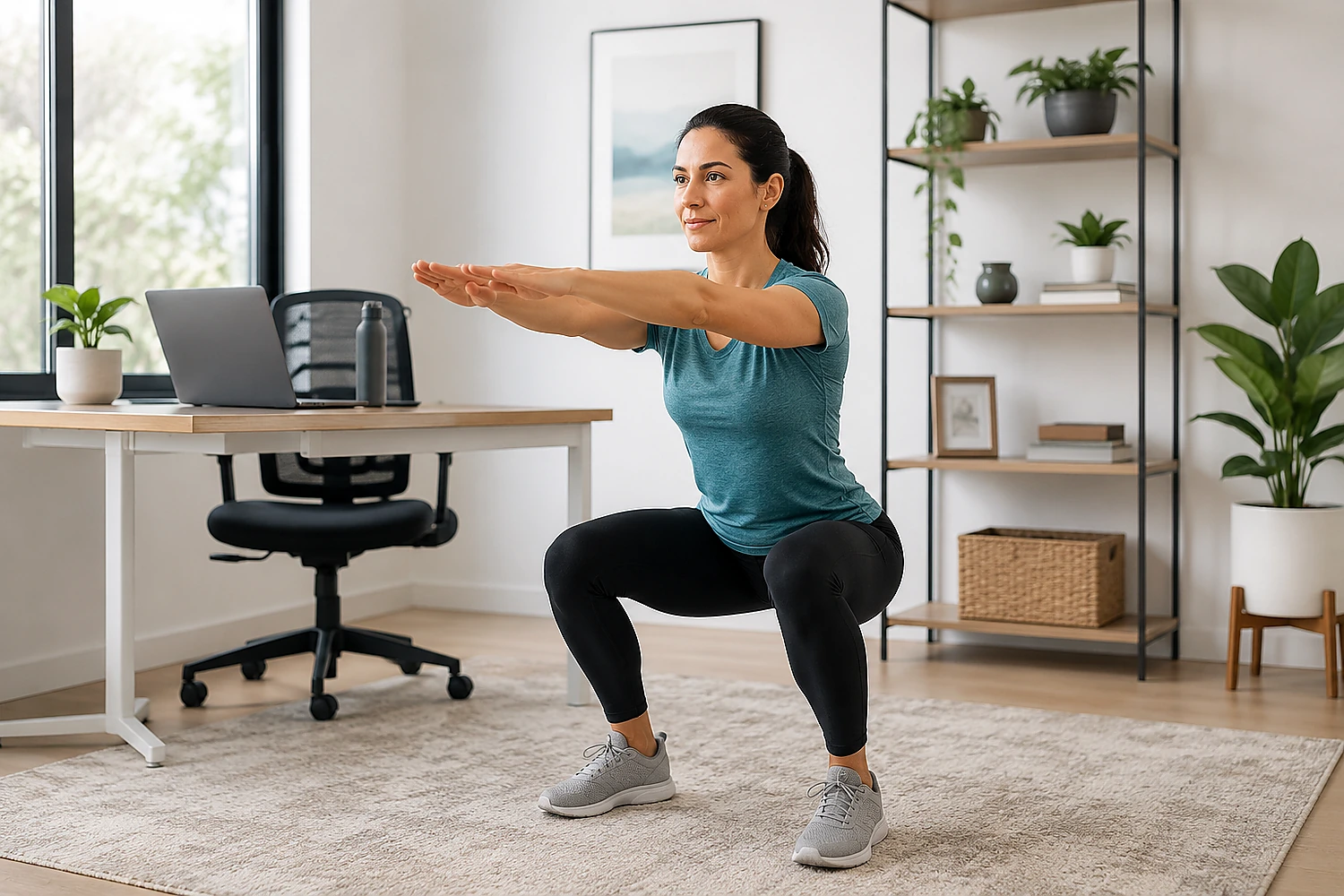
Walking supports aerobic fitness, but it provides limited pulling, pushing and upper-body resistance. Add two weekly strength sessions with sit-to-stands or squats, a hip-hinge pattern, pushes, rows and calf work. Older adults and people concerned about falls can also practice balance near stable support.
The sessions do not need to happen in the morning. Keep the walk as the reliable daily cue and place strength work where time, energy and recovery are best.
A Four-Week Morning-Walk Progression
During week one, walk for 10 to 15 minutes on three mornings and focus only on creating the cue. In week two, add a fourth walk or extend one session by five minutes. During week three, include four to six one-minute brisk segments in one walk. In week four, repeat the schedule rather than automatically increasing again.
Review the habit at the end of the month. Ask whether the start time protects sleep, whether the route feels safe, and whether feet and joints recover normally. Keep the schedule that fits ordinary weekdays. If the walk is becoming too easy and fitness is the goal, add time, hills or brisk intervals one at a time. If consistency is the main goal, there is no need to make every month harder. An optional workout logbook (paid link) can help you record sessions and review progress.
Frequently Asked Questions
The best time is the one you can follow safely and consistently. Morning walking is convenient for some people, but total activity matters more than the clock.
You may walk before or after breakfast based on comfort and health needs. Fasted walking is not required for fat loss.
Yes. Small amounts of activity count and can be built up over time.
Begin with a schedule you can recover from, such as three to five days, and adjust duration and pace gradually.
Yes. Walking mainly trains aerobic fitness, while muscle-strengthening activity supports strength and function.
Safety and Scope
This guide provides general educational health and fitness information. It does not diagnose a condition, replace medical care, or provide an individualized exercise prescription. Stop or modify activity that causes sharp, worsening or concerning symptoms and seek qualified guidance when appropriate. The site’s Free Walking Plan to Lose Weight: A 6-Week Beginner-Friendly Schedule explains this connected topic in more detail.