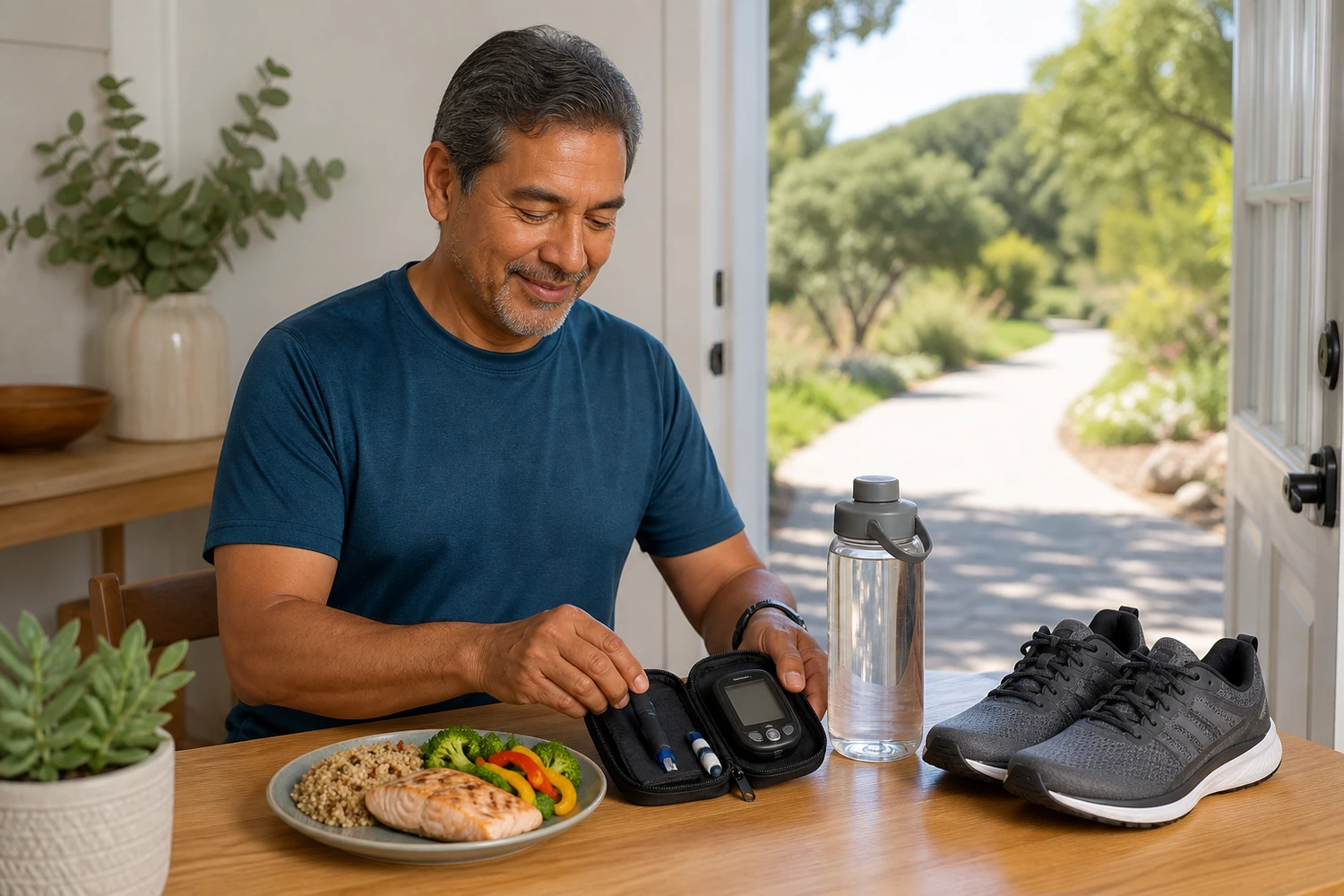

What Reactive Hypoglycemia Means
Mayo Clinic describes reactive, or postprandial, hypoglycemia as low blood sugar that occurs after a meal, usually within about four hours. The term should be reserved for confirmed low glucose rather than every episode of fatigue or hunger after eating.
If you have diabetes and use insulin or medicines that lower glucose, the evaluation is different because medication-related hypoglycemia can be dangerous.
Common Symptoms
Symptoms can include shakiness, sweating, hunger, weakness, dizziness, headache, anxiety, a fast heartbeat or confusion. These symptoms are not specific to hypoglycemia; dehydration, panic, caffeine, illness and other problems can feel similar.
If symptoms are severe, involve confusion, fainting or seizure, seek urgent medical help rather than experimenting with diet changes.
Why It Can Happen
In people without diabetes, the cause is sometimes unclear. Reactive hypoglycemia can also occur in specific situations such as after some bariatric surgeries, with alcohol use or in other medical conditions. A clinician may need to confirm that symptoms actually occur with low glucose.
For a broader overview of glucose regulation, see healthy blood sugar daily habits.
Practical Meal Habits
Some people do better with regular meals that combine protein, fiber-rich carbohydrates and healthy fats instead of large portions of refined carbohydrate by themselves. Highly sugary drinks or sweets on an empty stomach may produce a rapid rise and fall in glucose for some individuals.
Use How to Build a Balanced Plate for a practical meal framework, and our dietary fiber guide for ideas on higher-fiber foods.
What to Track Before an Appointment
Write down the time symptoms begin, what you ate, medicines or alcohol used, exercise around the episode and how long symptoms lasted. If you already have a clinician-approved glucose meter, record readings as instructed, but do not buy multiple devices and self-diagnose from isolated numbers.
Exercise and Low-Glucose Symptoms
Exercise can lower glucose during and after activity, particularly in people using glucose-lowering medicine. If symptoms repeatedly occur around workouts, discuss meal timing and medication with your healthcare team before changing treatment on your own.
For general recovery planning, workout rest days and recovery can help you separate training fatigue from a medical problem.
When to Seek Medical Care
Recurrent episodes, documented low glucose, symptoms after bariatric surgery, episodes that occur while fasting, or severe neurological symptoms deserve medical evaluation. If you take diabetes medicine, follow your established hypoglycemia treatment plan and contact your diabetes team when episodes recur.
How to Describe an Episode Clearly
A useful description includes what time you ate, the meal or drink involved, when symptoms started, whether you were exercising, and whether symptoms improved after eating. If a glucose reading was taken, record the device and the value, but remember that home meters have limitations and a single reading does not establish a diagnosis.
Also note episodes that occur without meals, overnight, after alcohol or after bariatric surgery. Those patterns may point the clinician toward a different evaluation. Recurrent symptoms deserve a medical explanation rather than years of self-imposed food restrictions.
What to do during an episode and what to track afterward
If you develop symptoms such as shakiness, sweating, weakness, or trouble concentrating after a meal, the first priority is safety. Sit down if you feel faint, avoid driving until symptoms pass, and follow individualized medical advice if you have it. If episodes are recurring, it can help to note the timing, the meal or snack before the symptoms, activity level, and whether symptoms improved quickly or gradually.
That record can help a healthcare professional decide whether the pattern suggests reactive hypoglycemia, medication-related low blood sugar, another digestive or hormonal issue, or something unrelated to glucose altogether. A balanced meal structure can be part of the discussion, so readers may also find the balanced plate guide useful.
It is also important not to self-diagnose every afternoon slump as low blood sugar. Dehydration, missed meals, anxiety, and poor sleep can create similar sensations. Professional evaluation helps separate a temporary pattern from a recurring issue that needs a more structured plan.
Why Similar Symptoms Do Not Always Mean Low Blood Sugar
Shakiness, sweating, racing heart, weakness, hunger, and difficulty concentrating can occur with low blood glucose, but they are not specific to it. Anxiety, dehydration, caffeine, skipped meals, lack of sleep, and some heart or hormonal conditions can feel similar. That is why a symptom diary can be useful, but it cannot confirm reactive hypoglycemia by itself.
A clinician may want to know when the symptoms happen, what you ate beforehand, whether glucose was measured during the episode, and whether symptoms improve after carbohydrate. The goal is to document the pattern accurately enough to decide whether additional testing is necessary, not to provoke symptoms intentionally at home.
Meal Structure That May Reduce Large Swings
Some people find that symptoms are less likely when meals contain protein, fiber, and some fat rather than a large amount of rapidly absorbed carbohydrate by itself. For example, oatmeal with yogurt and nuts may produce a steadier meal than a sugary drink and pastry. Smaller, regularly timed meals may also help some people, although there is no single meal schedule that works for everyone.
Avoid responding by eliminating all carbohydrate. Whole grains, beans, fruit, and other carbohydrate-containing foods can be part of a balanced diet. The aim is to combine foods in a way that supports steady energy and meets overall nutrition needs. If symptoms are frequent, individualized advice from a clinician or registered dietitian is more appropriate than an increasingly restrictive diet.
How to Exercise More Safely When Episodes Are a Concern
Exercise can lower blood glucose, so the timing of activity matters when someone is prone to symptoms. Keep a record of whether symptoms occur during exercise, soon afterward, or several hours later. People using glucose-lowering medication need especially careful guidance because medication can increase the risk of true hypoglycemia during or after activity.
Until the pattern is understood, avoid starting hard workouts when you already feel shaky or unwell. Carrying a fast-acting carbohydrate source can be sensible for people who have been advised to treat low glucose. Seek urgent help for severe confusion, loss of consciousness, seizure, or symptoms that do not improve as expected.
What a Medical Evaluation May Look For
A clinician may review medications, meal timing, alcohol intake, previous gastrointestinal surgery, diabetes history, and other medical conditions before deciding whether testing is needed. In some cases, symptoms are documented together with a low glucose measurement and improvement after glucose is raised. The exact evaluation depends on the pattern and should not be recreated with an unsupervised fasting or sugar challenge at home.
Persistent or severe episodes deserve more attention, particularly if they include confusion, fainting, seizure, or occur without a clear connection to meals. Keeping a concise symptom log can make the appointment more productive, but the purpose is to provide context—not to prove a diagnosis yourself.
Until the cause is clear, avoid extreme fasting, very low-carbohydrate experiments, or deliberately eating large amounts of sugar to “test” yourself. These approaches can make symptoms harder to interpret and may be unsafe for people with other medical conditions.
Bring that information to appointments.
Practical Takeaway
Feeling shaky, weak, or lightheaded after eating does not prove reactive hypoglycemia. Record the timing, meal, symptoms, medicines, and any clinically reliable glucose reading, then discuss recurrent episodes with a healthcare professional so other causes are not missed.
Questions to Ask a Healthcare Professional
- Do my symptoms and their timing fit reactive hypoglycemia, or should other causes be considered?
- Should glucose be measured during an episode, and what testing method is appropriate?
- Could any medicine, prior surgery, or medical condition be contributing?
- What symptoms would make an episode urgent rather than something to monitor at home?
Frequently Asked Questions
No. Post-meal sleepiness is common and does not prove that glucose is low.
No. Symptoms overlap with many other conditions; confirmed low glucose and clinical evaluation are important.
No. Many people do well with balanced portions of higher-fiber carbohydrates paired with protein and fat.
Yes. Alcohol can contribute to hypoglycemia in some circumstances and deserves discussion with a clinician when episodes recur.
Severe confusion, seizure, loss of consciousness or inability to safely take carbohydrate by mouth requires emergency help.
Safety and Scope
This article is educational and does not diagnose hypoglycemia. Recurrent symptoms deserve medical evaluation, especially if you do not use glucose-lowering medication. Severe confusion, loss of consciousness, seizure, inability to safely swallow, or rapidly worsening symptoms require emergency care.