Overview
Healthy lungs move oxygen into the body and remove carbon dioxide with little conscious effort. No breathing exercise can cancel tobacco smoke, unsafe workplace exposure or untreated disease. The strongest everyday plan reduces harmful exposure, supports vaccination and infection prevention, builds fitness gradually and responds to persistent cough, wheeze or breathlessness. People with asthma, COPD or other lung disease should use a clinician-directed action plan.
Do Not Smoke or Vape
Tobacco smoke is a major preventable cause of lung disease, and secondhand smoke also harms health. Aerosols from vaping are not harmless air. Individual responses differ, so observe the result over time. Cost, schedule, symptoms and preferences are legitimate parts of the decision. A plan that cannot survive busy days needs a simpler version.
If you use tobacco or nicotine, seek counseling, quitline support and evidence-based treatment. Record what you tried and whether it was comfortable enough to repeat. Review the pattern after one or two weeks before changing several variables. This keeps useful cause-and-effect information visible. A slip is a reason to restart support, not proof that quitting is impossible. For a closely related next step, see our Daily Habits That Support a Healthy Heart.
Reduce Secondhand Exposure
Smoke in homes, cars and shared indoor spaces can affect everyone nearby. Opening a window does not remove the risk. Look at the full pattern rather than judging one day. Personal needs, access, culture and medical history can change the most useful choice. A repeatable baseline makes later adjustments easier to interpret.
Create smoke-free indoor and vehicle rules and choose smoke-free public spaces where possible. Use the action as a starting experiment, not a rigid rule. If it creates pain, anxiety, significant symptoms or conflict with professional advice, stop and choose an appropriate alternative. Never ask a child or vulnerable adult to tolerate indoor smoke.
Check Outdoor Air Quality
Ozone, wildfire smoke and particle pollution can make outdoor exercise unsafe, particularly for sensitive groups. This step is useful because it connects everyday decisions with a clear health purpose. It should fit the person’s current ability and resources, not an idealized routine seen online. Progress can be gradual and still be meaningful. The site’s How Much Exercise Do You Need Each Week? Cardio, Strength, Balance, and Recovery explains this connected topic in more detail.
Use local air-quality guidance and move activity indoors, shorten it or choose a lower-exposure time when advised. Record what you tried and whether it was comfortable enough to repeat. Review the pattern after one or two weeks before changing several variables. This keeps useful cause-and-effect information visible. A mask type and fit matter; a cloth face covering does not filter every hazard.
Improve Indoor Air
Ventilation, moisture control and source reduction help limit fumes, mold, dust and combustion pollutants. The practical value comes from consistency and context. A small action repeated through ordinary weeks usually teaches more than an extreme short challenge. Keep the parts that improve comfort, function or follow-through.
Repair leaks, vent cooking appropriately, follow product directions and never run fuel-burning equipment in enclosed spaces. Use the action as a starting experiment, not a rigid rule. If it creates pain, anxiety, significant symptoms or conflict with professional advice, stop and choose an appropriate alternative. Suspected carbon monoxide exposure is an emergency, not a ventilation experiment.
Use Workplace Protection
Dust, silica, fumes, allergens and chemicals can damage lungs over time even when symptoms are not immediate. Individual responses differ, so observe the result over time. Cost, schedule, symptoms and preferences are legitimate parts of the decision. A plan that cannot survive busy days needs a simpler version.
Follow occupational controls, training and properly fitted respiratory-protection requirements. Record what you tried and whether it was comfortable enough to repeat. Review the pattern after one or two weeks before changing several variables. This keeps useful cause-and-effect information visible. A disposable mask is not a substitute for engineering controls or a required respirator program.
Build Cardiorespiratory Fitness
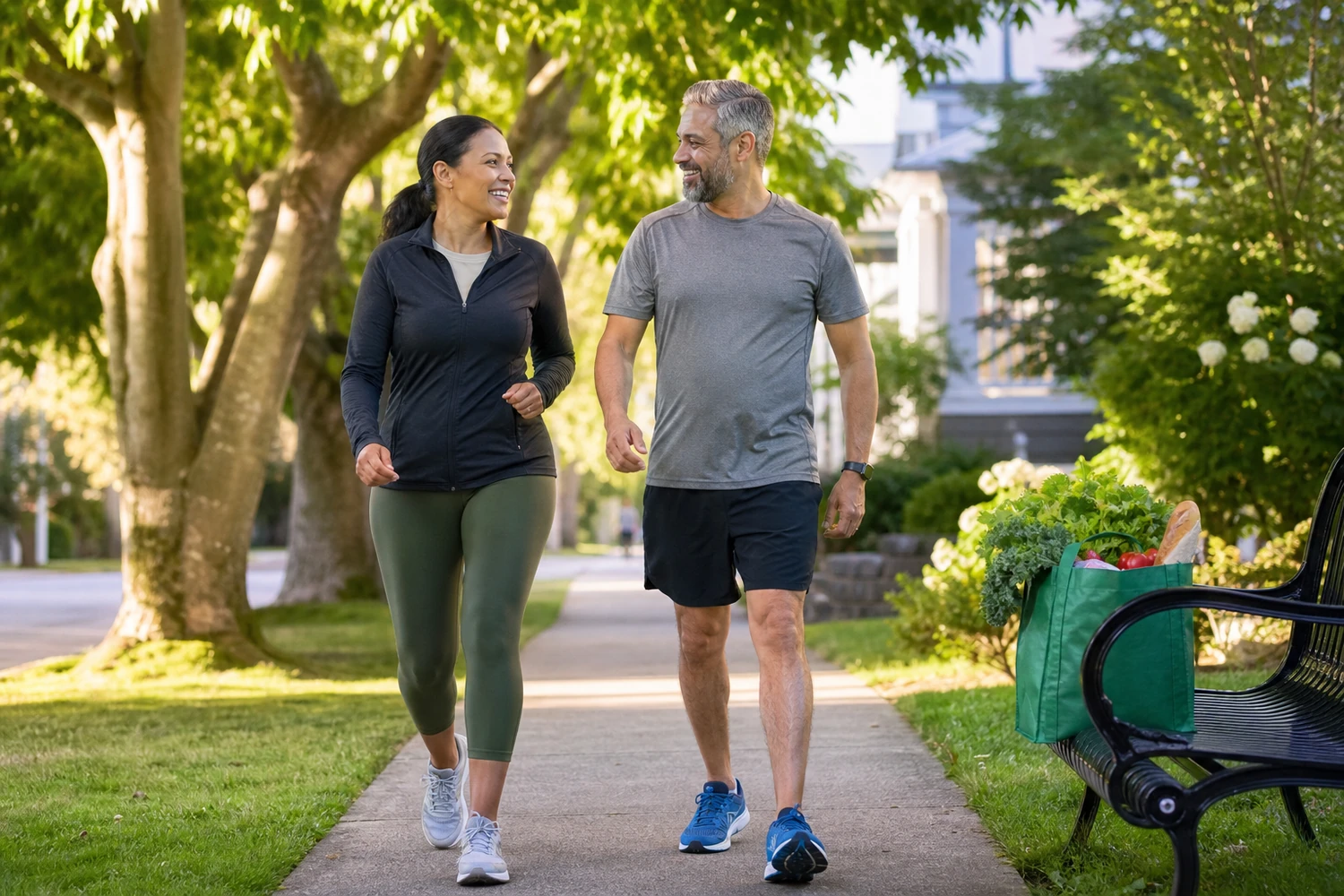
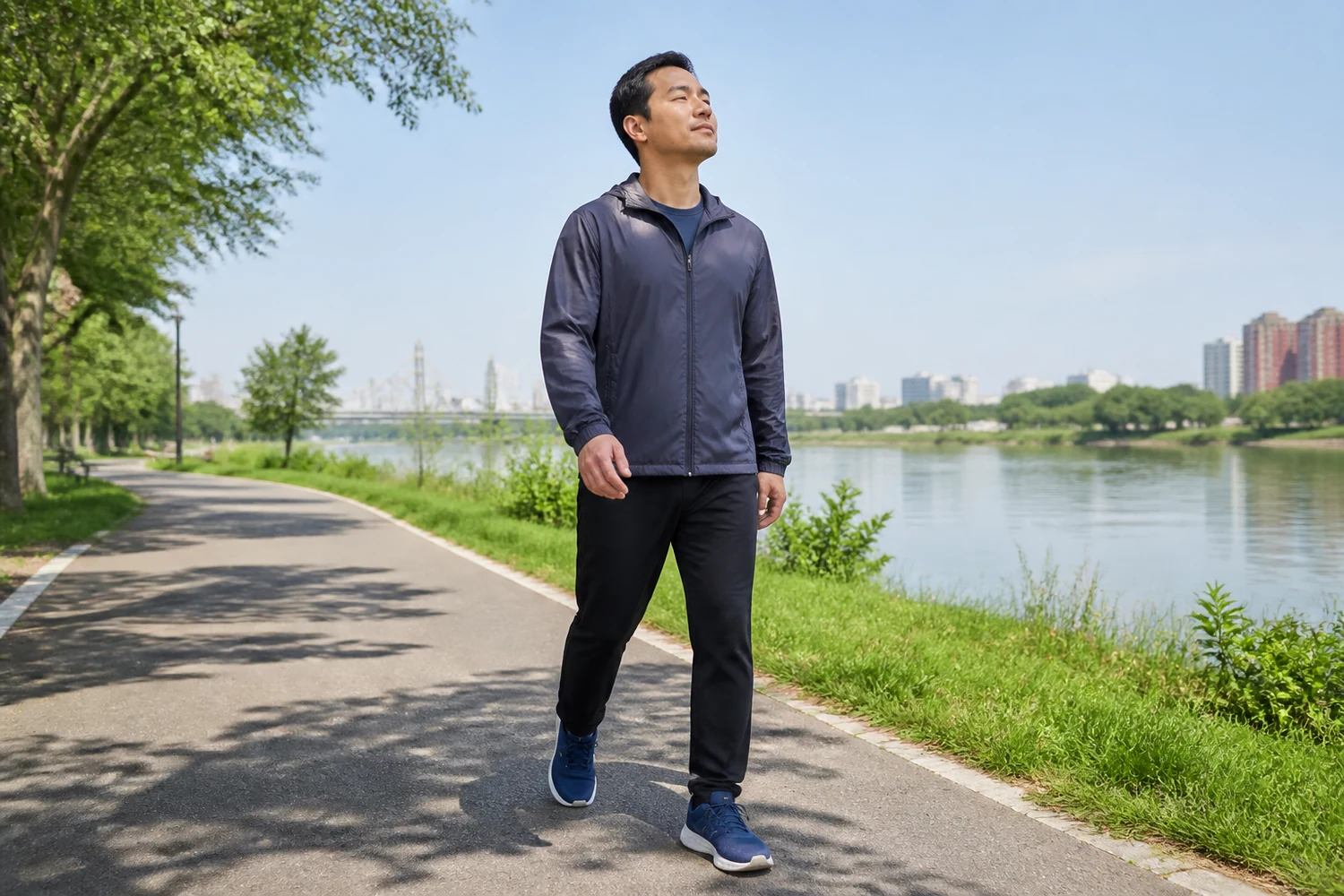
Walking, cycling and other aerobic activity make the heart and muscles more efficient; exercise does not enlarge diseased lungs but can improve function. Look at the full pattern rather than judging one day. Personal needs, access, culture and medical history can change the most useful choice. A repeatable baseline makes later adjustments easier to interpret.
Begin with a conversational pace and progress using the stamina guide. Use the action as a starting experiment, not a rigid rule. If it creates pain, anxiety, significant symptoms or conflict with professional advice, stop and choose an appropriate alternative. Stop and seek advice for chest pain, faintness or disproportionate breathlessness.
Prevent Respiratory Infection
Vaccination, hand hygiene, cleaner air and staying home when ill reduce some respiratory risks. Recommendations depend on age and health. This step is useful because it connects everyday decisions with a clear health purpose. It should fit the person’s current ability and resources, not an idealized routine seen online. Progress can be gradual and still be meaningful.
Review flu, COVID-19, pneumococcal and other relevant vaccines with a healthcare professional. Record what you tried and whether it was comfortable enough to repeat. Review the pattern after one or two weeks before changing several variables. This keeps useful cause-and-effect information visible. Antibiotics do not treat most viral infections and should not be self-started.
Recognize Symptoms Early
A cough lasting weeks, wheeze, coughing blood, recurrent infections or declining exercise tolerance can signal a problem. The practical value comes from consistency and context. A small action repeated through ordinary weeks usually teaches more than an extreme short challenge. Keep the parts that improve comfort, function or follow-through.
Record timing, triggers and associated symptoms, then arrange an appropriate evaluation. Use the action as a starting experiment, not a rigid rule. If it creates pain, anxiety, significant symptoms or conflict with professional advice, stop and choose an appropriate alternative. Sudden severe breathing difficulty, blue lips or confusion needs emergency help.
Common Respiratory Health Mistakes to Avoid
Mistakes around respiratory health usually come from doing too much too quickly, treating a population guideline as a personal prescription, or following one number without context. The goal is not flawless behavior. It is a safer system that helps a person notice a problem, correct it early and continue with less friction.
Use the cautions below as a review before changing the routine. Several of them involve symptoms, medicines or diagnosed conditions that need professional input. Internet advice should never be used to delay appropriate care.
- A slip is a reason to restart support, not proof that quitting is impossible.
- Never ask a child or vulnerable adult to tolerate indoor smoke.
- A mask type and fit matter; a cloth face covering does not filter every hazard.
- Suspected carbon monoxide exposure is an emergency, not a ventilation experiment.
- A disposable mask is not a substitute for engineering controls or a required respirator program.
- Stop and seek advice for chest pain, faintness or disproportionate breathlessness.
- Antibiotics do not treat most viral infections and should not be self-started.
- Sudden severe breathing difficulty, blue lips or confusion needs emergency help.
A Practical Two-Week Action Plan
For the first seven days, choose two actions from this respiratory health guide and place them into existing routines. Keep the minimum version easy enough for a busy day. Note completion, comfort and any symptoms once daily; avoid constant checking or trying to perfect every related behavior at once.
During the second week, keep the action that worked best and adjust the main barrier to the other. Improvement might mean greater consistency, better understanding, easier preparation or a useful clinical question—not an instant change in appearance or a single measurement. Continue only changes that remain safe and realistic. For another practical perspective, read Benefits of a Morning Walk: A Practical Guide.
- Days 1–2: If you use tobacco or nicotine, seek counseling, quitline support and evidence-based treatment.
- Days 3–4: Use local air-quality guidance and move activity indoors, shorten it or choose a lower-exposure time when advised.
- Days 5–6: Follow occupational controls, training and properly fitted respiratory-protection requirements.
- Days 7–8: Review flu, COVID-19, pneumococcal and other relevant vaccines with a healthcare professional.
Measure Progress Without Chasing Perfection
Choose one behavior measure and one real-life outcome for lung health: daily habits for better breathing. A behavior measure could be the number of planned actions completed. A real-life outcome could be comfort, confidence, energy, function, fewer missed tasks or a clearer conversation with a professional. These are more informative than daily self-criticism.
Review the record weekly and compare several weeks rather than reacting to one unusual day. Illness, travel, sleep and stress can temporarily change results. If tracking causes anxiety or compulsive checking, simplify it or stop and seek appropriate support. Sustainable health work should make life more manageable, not narrower.
Know When to Get Professional Help
This guide cannot diagnose asthma, COPD, infection or heart disease. New, severe or worsening breathing symptoms require medical assessment, and emergencies require immediate local help. Keep a short record of onset, duration, triggers, related symptoms, medicines and what has already been tried. Clear context helps a qualified professional decide whether examination, testing, treatment or reassurance is appropriate.
Use urgent or emergency services for severe, sudden or rapidly worsening symptoms, danger to safety, loss of consciousness, major breathing difficulty or another local emergency. Routine lifestyle guidance is most useful after immediate danger has been ruled out. When uncertain, contact an appropriate local healthcare service rather than waiting for an article to answer an individual diagnosis.
Frequently Asked Questions
No. They may support relaxation or rehabilitation, but they do not remove smoke damage or toxins.
No inhaled aerosol is risk-free, and vaping is not recommended for people who do not use tobacco.
Many people with controlled asthma can exercise, but they should follow an action plan and use prescribed medicine correctly.
Use an official local air-quality service and follow advice for sensitive groups and outdoor activity.
Sudden severe breathlessness, chest pain, blue coloration, confusion or inability to speak normally requires urgent help.
Safety and Scope
This guide cannot diagnose asthma, COPD, infection or heart disease. New, severe or worsening breathing symptoms require medical assessment, and emergencies require immediate local help.