Published by Best Fitness Routine. Editorial standards · Report a correction. Educational guidance; no individual clinical review is claimed unless a qualified reviewer is named.
What This L Sit Progression Guide Covers
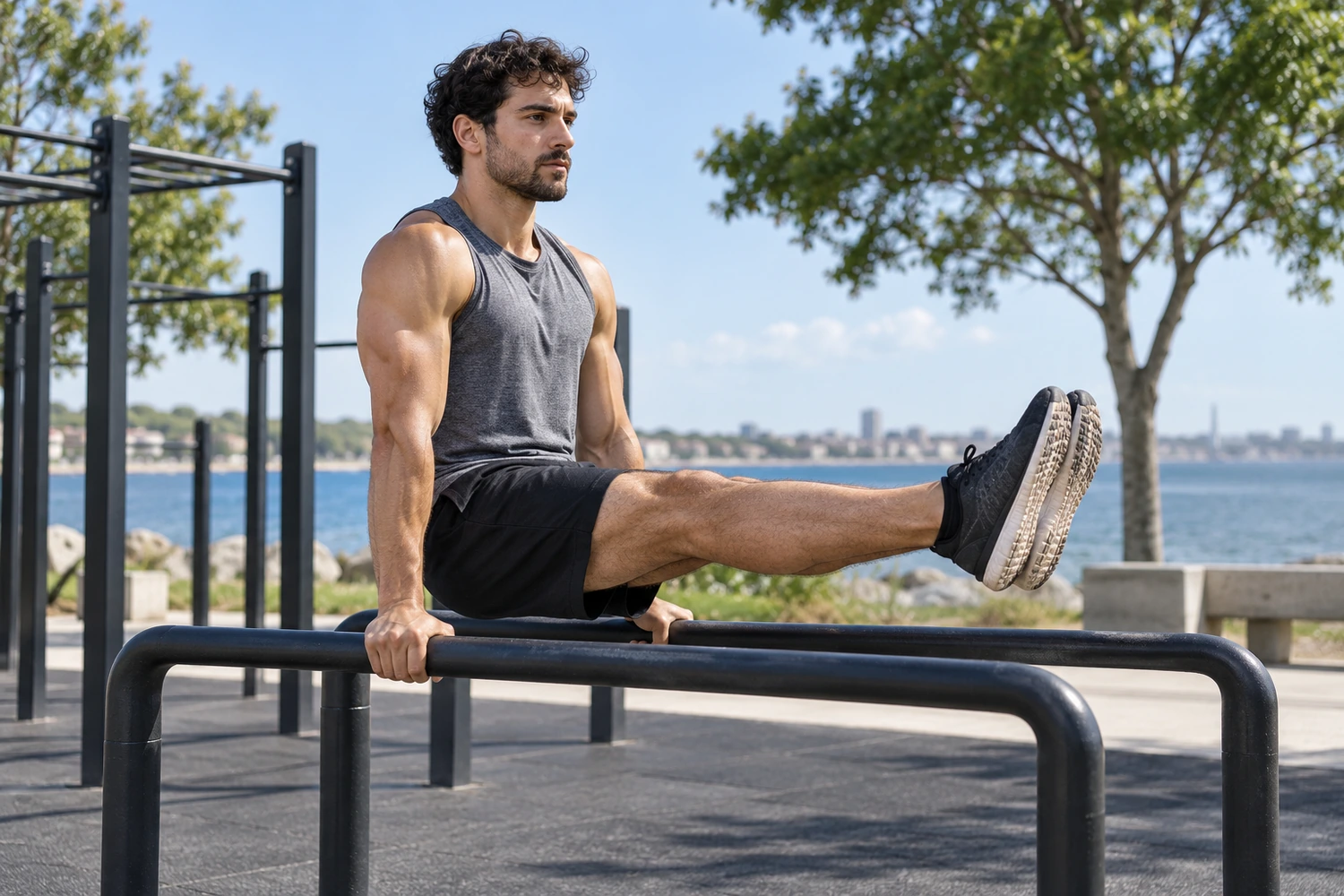
The L-sit is a support skill where the arms hold the body above the floor or bars while the legs extend forward. It demands straight-arm support strength, abdominal control, hip-flexor compression and enough hamstring tolerance to keep the legs long. A good L-sit progression develops these qualities separately instead of asking beginners to force the full position immediately.
The most useful way to think about l sit progression is as a repeatable training process. You need a variation that is challenging enough to create effort but not so difficult that every repetition looks different. That middle zone lets you accumulate useful practice, compare sessions and make small changes based on real progress rather than guesswork.
Bodyweight training is sometimes described as equipment-free, but leverage is effectively your load. Moving the hands lower in a push-up, making the body more horizontal in a row, using one leg instead of two or increasing the unsupported range can all make an exercise significantly harder. Because those changes can be large, use small steps and keep a simple training log (paid link).
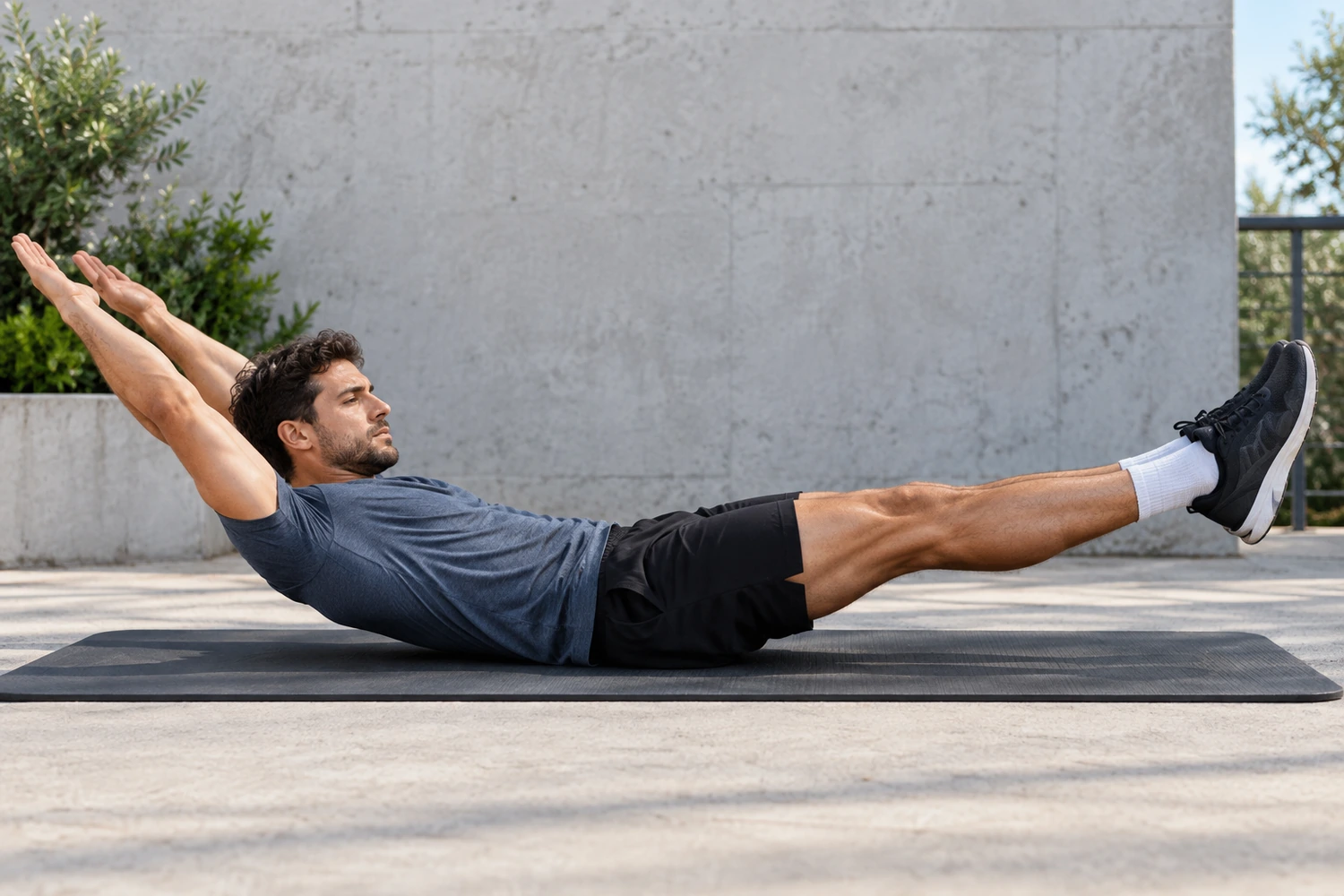
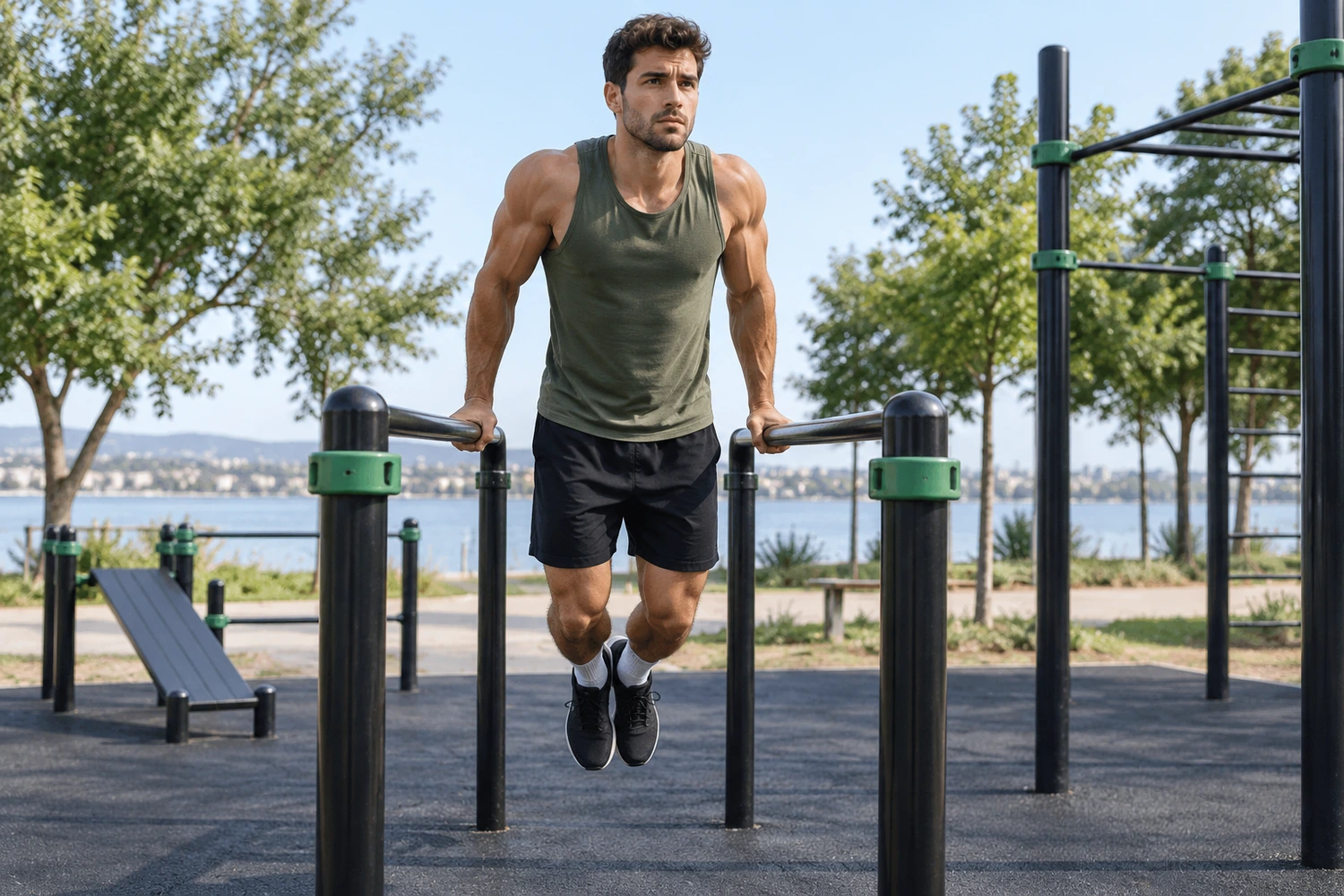
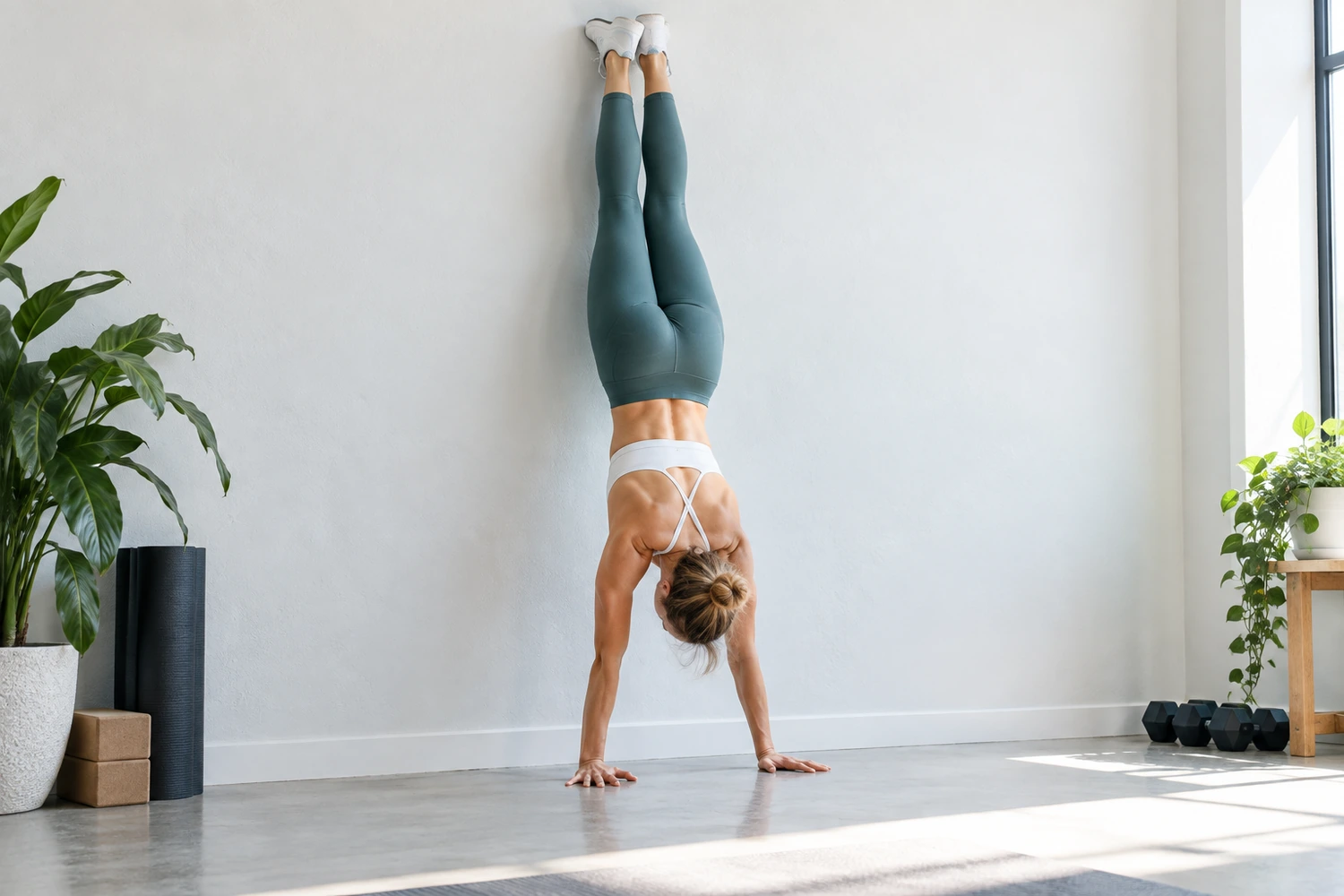
If you are building a complete bodyweight program, combine this topic with calisthenics workouts, hollow body hold, parallel bar dips and handstand for beginners. For movement quality and general strength context, the site also has a complete Functional Fitness and Mobility collection and a practical strength training for beginners guide.
L Sit Progression Benefits
Builds straight-arm support endurance Challenges abs and hip flexors together Develops compression strength useful for calisthenics Creates a clear skill progression from tuck to full hold Pairs well with dips and handstand training. These are training advantages rather than guarantees. Results depend on exercise selection, total weekly work, recovery, nutrition, previous training and the consistency of your progression.
Calisthenics also rewards technical improvement. A rep can become more useful even when the number on the page does not change, because better control, deeper comfortable range and less unnecessary momentum increase the quality of the work. That makes form a measurable part of progress rather than a cosmetic detail.
Step-by-Step Exercises and Progressions
1. Support hold
Press down into parallettes (paid link) or bars, lift the shoulders away from the ears and hold the body tall with the feet lightly on the floor or fully supported. Use a controlled tempo, stop before technique changes, and choose a range that you can repeat from one session to the next.
2. Seated compression lift
Sit with legs extended and place the hands beside the thighs. Try to lift one heel at a time without leaning far backward. Use a controlled tempo, stop before technique changes, and choose a range that you can repeat from one session to the next.
3. Tuck L-sit
From support, draw both knees toward the chest and lift the feet off the floor. Keep the elbows straight. Use a controlled tempo, stop before technique changes, and choose a range that you can repeat from one session to the next.
4. One-leg L-sit
Extend one leg forward while the other stays tucked. Alternate sides between sets. Use a controlled tempo, stop before technique changes, and choose a range that you can repeat from one session to the next.
5. Alternating leg extension
Move slowly from tuck to one extended leg, switch legs, then return to tuck without dropping the hips. Use a controlled tempo, stop before technique changes, and choose a range that you can repeat from one session to the next.
6. Full L-sit
Extend both legs forward while pressing strongly through the hands and keeping the torso tall. Use short clean holds at first. Use a controlled tempo, stop before technique changes, and choose a range that you can repeat from one session to the next.
How to Program L Sit Progression
Practice L-sit work two or three times per week for 10 to 15 minutes while fresh. Combine 3 support holds, 3 tuck or one-leg holds and 2 sets of seated compression lifts. Stop each set before the shoulders collapse or the elbows bend significantly. Time the planned activity periods with an exercise interval timer (paid link) if you prefer a separate timing tool.
Consistency also matters more than novelty. Repeat the same core variation for at least two to four weeks unless it causes discomfort or is clearly inappropriate. Track the number of clean repetitions, the range you used and how much assistance was required. If two sessions in a row are strong and the final reps still look controlled, that is a reasonable time to make the next small progression.
Recovery supports skill and strength. Hard calisthenics sets challenge muscles, tendons, joints and coordination, so more practice is not always better. Sleep, adequate food, hydration and easier days between demanding sessions help the next practice feel more productive. A program that you can repeat week after week usually beats a dramatic routine that leaves you too sore to train.
Common Mistakes to Avoid
Shrugging and sinking between the shoulders
This mistake usually appears when the variation is too hard, fatigue is too high or the setup is inconsistent. Regress the exercise, reduce the rep target and rebuild the movement with a cleaner position before adding difficulty.
Bending the elbows to create extra clearance
This mistake usually appears when the variation is too hard, fatigue is too high or the setup is inconsistent. Regress the exercise, reduce the rep target and rebuild the movement with a cleaner position before adding difficulty.
Trying to straighten the legs before the hips can stay lifted
This mistake usually appears when the variation is too hard, fatigue is too high or the setup is inconsistent. Regress the exercise, reduce the rep target and rebuild the movement with a cleaner position before adding difficulty.
Holding the breath throughout the skill
This mistake usually appears when the variation is too hard, fatigue is too high or the setup is inconsistent. Regress the exercise, reduce the rep target and rebuild the movement with a cleaner position before adding difficulty.
Practicing only the final hold and skipping compression drills
This mistake usually appears when the variation is too hard, fatigue is too high or the setup is inconsistent. Regress the exercise, reduce the rep target and rebuild the movement with a cleaner position before adding difficulty.
Progression Strategy
Add seconds to the tuck hold first, then introduce one-leg extensions. A common mistake is trying to straighten both knees before the support position is strong enough. Short frequent sets tend to work better than one maximal hold.
A useful progression should make the target muscles and movement pattern work harder without suddenly changing the exercise into something else. If a new variation reduces range, creates joint discomfort or forces you to use momentum, return to the previous level and build more capacity there.
A Simple Four-Week Practice Plan
At the end of Week 4, do not automatically jump to the hardest possible version. Review your notes. If repetitions are cleaner, the same work feels easier and recovery is good, choose one small next step. If technique is still inconsistent, repeat the block with the same variation and aim for better execution.
How It Fits a Complete Calisthenics Program
A complete program needs more than one skill. Balance pushing and pulling, include both bilateral and single-leg lower-body work, and use a small amount of targeted core training. Add walking, cycling or other aerobic activity for general fitness and use mobility drills where they help you access the positions your exercises require.
Skill-focused work such as handstands, L-sits or pull-up practice generally fits early in a session when coordination is fresh. Higher-rep accessory work can come later. If you train three full-body days, rotate the hardest emphasis so the same joints are not pushed to the limit every session.
For a broader plan, pair this guide with Calisthenics Workout for Beginners: 8 Exercises and a 4-Week Plan and Calisthenics Workout at Home: Full-Body Routine With Minimal Equipment. These complementary topics help distribute training stress and reduce the temptation to repeat only your favorite movement.
Safety Tips
Use stable parallettes, bars or blocks. Wrists can become irritated if volume increases too quickly, so alternate equipment angles or use parallettes if floor support is uncomfortable. Stop if there is sharp wrist, elbow or shoulder pain.
Warm up with several minutes of easy movement and a few low-effort repetitions of the pattern you plan to train. Progress volume gradually, especially for wrists, elbows and shoulders because connective tissues may need more time than muscles to adapt. General exercise information cannot replace individual assessment after injury or with a medical condition.
Frequently Asked Questions
It depends on support strength, body proportions, mobility and training history. Consistent short practice is more useful than a fixed timeline.
The full L-sit needs more compression strength and hamstring tolerance. One-leg holds and seated leg lifts can bridge the gap.
Some hamstring flexibility helps, but active compression strength is just as important.
Very small skill practice may be tolerated by experienced athletes, but beginners usually benefit from rest days for wrists, shoulders and hip flexors.
Often yes because they give more clearance and keep the wrists in a more neutral position.
Key Takeaways
- Use l sit progression practice as part of a balanced bodyweight program, not as a daily max-effort test.
- Choose the easiest variation that lets you keep the intended body position and range of motion.
- Progress one variable at a time: leverage, range, repetitions, hold time or assistance.
- Pair pushing with pulling and combine skill work with lower-body and core training.
- Stop and seek individualized guidance if an exercise causes sharp pain, numbness, instability or persistent worsening symptoms.
Evidence-Based Resources
Related Health Articles