Overview
Gallstones are hardened pieces of material that form in the gallbladder. Many cause no symptoms. Problems begin when a stone blocks a bile duct and triggers a gallbladder attack or complications involving the gallbladder, liver, bile ducts or pancreas.
What a Gallbladder Attack Can Feel Like
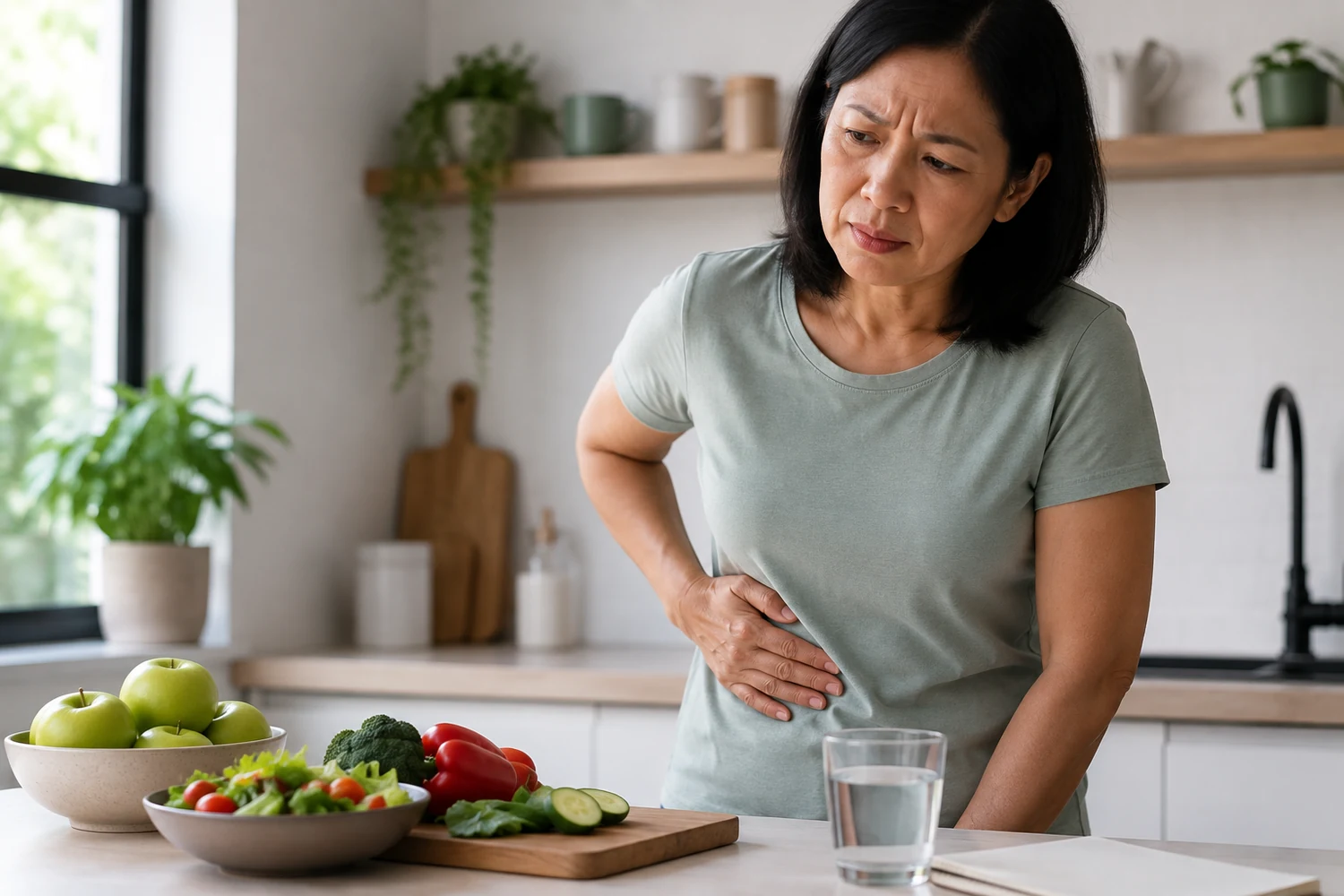
A typical attack can cause steady pain in the upper right or upper middle abdomen, sometimes after a meal. Pain may spread to the back or right shoulder and can occur with nausea or vomiting. Symptoms from other heart, stomach, liver or pancreatic conditions can overlap, so location alone does not confirm gallstones.
Common Gallstone Risk Factors
Risk is influenced by age, sex, pregnancy, family history, obesity, some medical conditions and rapid weight loss. Very-low-calorie diets and fast weight loss can increase gallstone risk, which is one reason sustainable weight management is safer than crash dieting.
For a safer pace, see our healthy weight-loss guide.
How Gallstones Are Diagnosed
Clinicians use symptoms, examination, blood tests and imaging. Ultrasound is commonly used to look for gallstones. Blood tests may help identify inflammation or problems involving the liver or pancreas.
Food Choices That Support Gallbladder Health
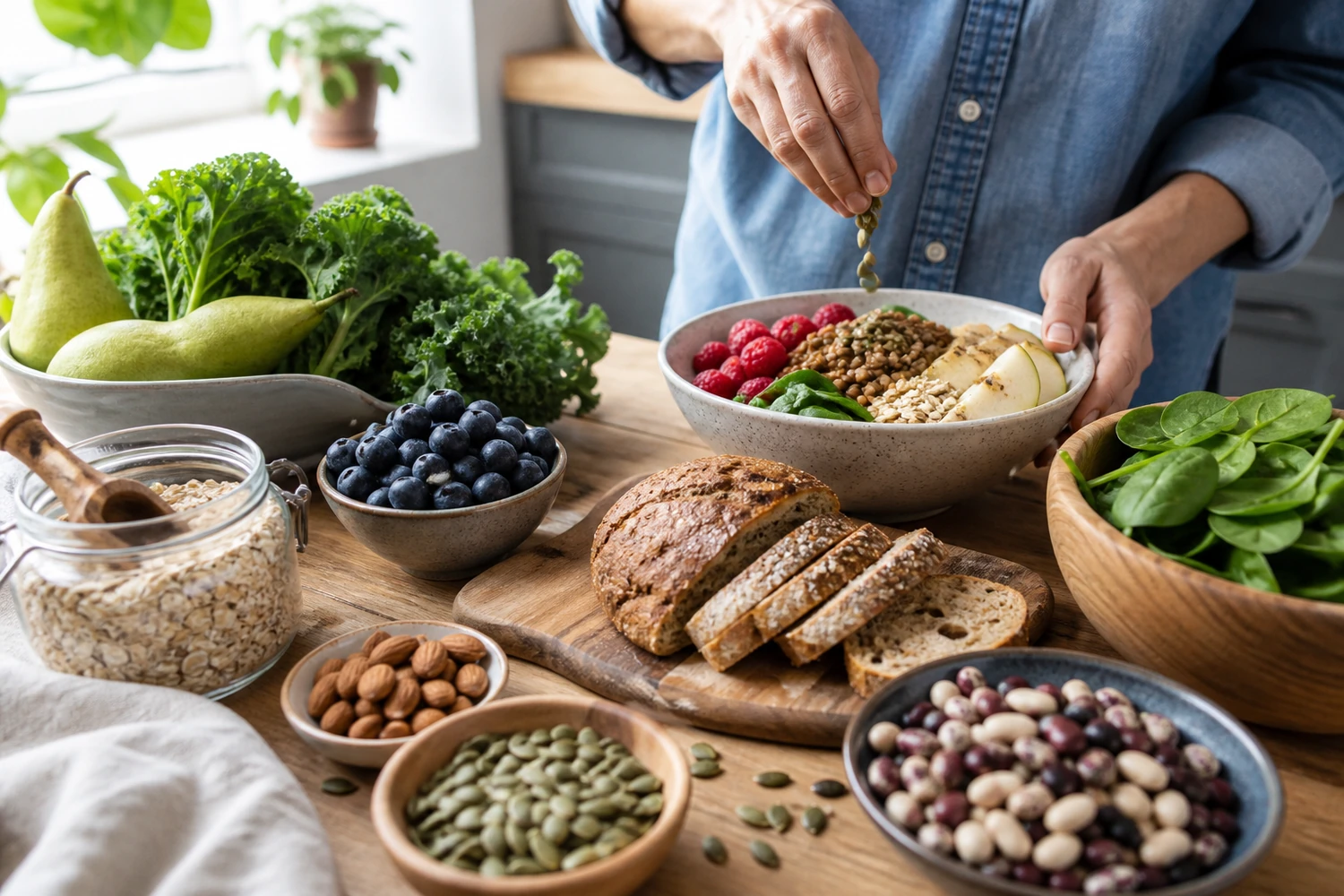
For prevention, an overall healthy pattern with fruits, vegetables, beans, whole grains and healthy fats is more useful than a single “gallbladder cleanse.” Limit heavily refined carbohydrates, excess added sugar and frequent fried foods. If a specific food repeatedly triggers symptoms, discuss the pattern with your clinician.
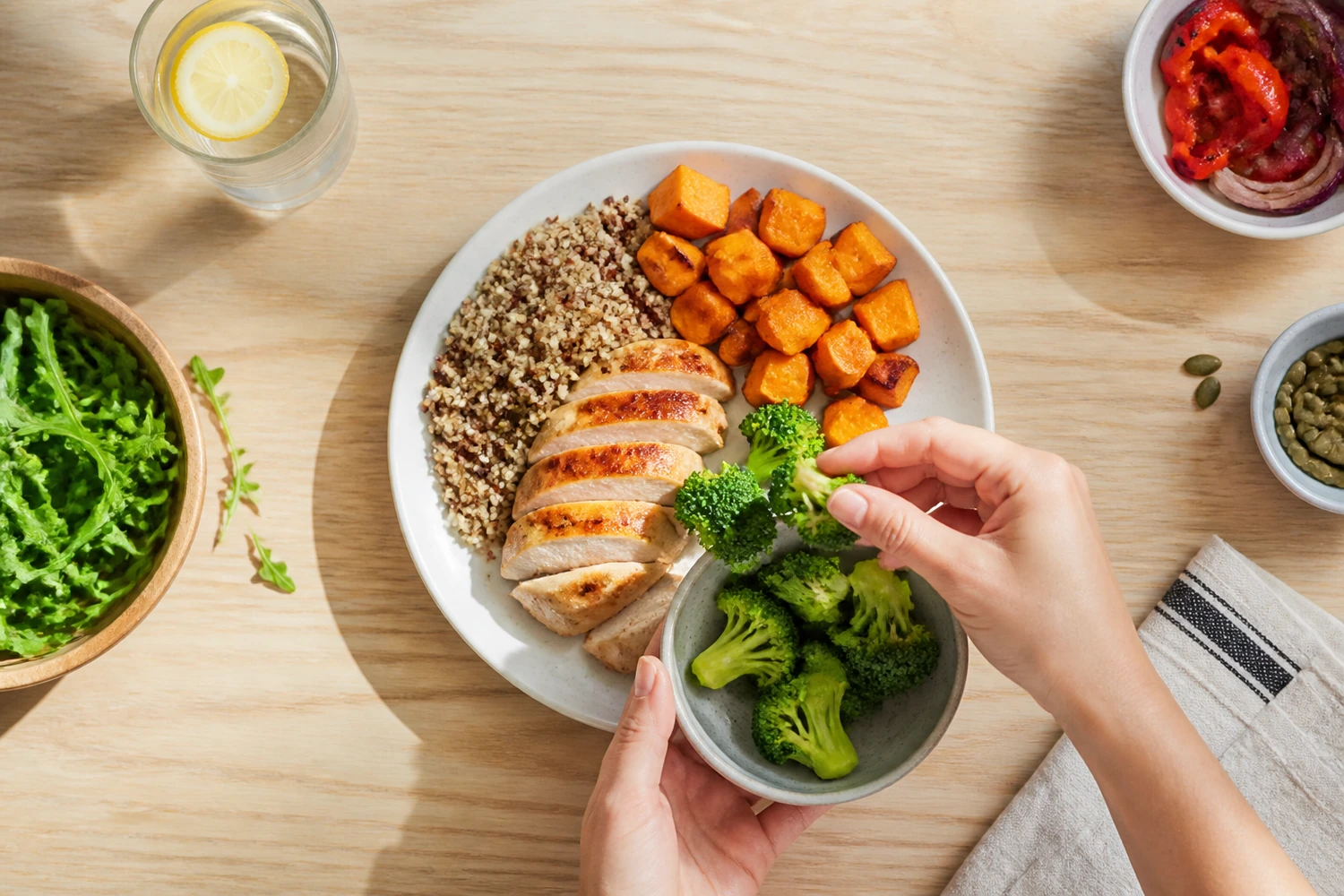
Build meals with the balanced plate guide and dietary fiber guide.
Avoid Rapid Weight Loss
Weight loss can improve health when needed, but losing weight too quickly raises gallstone risk. A moderate calorie deficit, adequate nutrition and regular activity are preferable to prolonged fasting or extreme diets for most people.
Treatment for Symptomatic Gallstones
Gallstones that never cause symptoms may not need treatment. Recurrent attacks or complications often lead to surgery to remove the gallbladder. Nonsurgical treatments are used much less often. The correct plan depends on symptoms, imaging and overall health.
Physical Activity and Gallstone Prevention
Regular physical activity can support weight maintenance and metabolic health, which may lower gallstone risk. There is no exercise that dissolves a gallstone. During an acute attack, prioritize medical assessment rather than trying to exercise through severe pain.
Warning Signs That Need Prompt Care
Get prompt medical care for severe or persistent abdominal pain, fever or chills, yellow skin or eyes, dark urine, pale stools, repeated vomiting or pain with marked illness. These can signal inflammation, infection or bile-duct blockage.
What to Track Before You Seek Care
Keep the record short and decision-focused. Note when symptoms started, how often they occur, what makes them better or worse, new medicines or supplements, relevant medical conditions and any effect on sleep, work, exercise or daily function. Bring photos or home measurements only when they are relevant and reliable.
A two-week log can be useful for stable symptoms, but do not delay care to complete a diary when symptoms are severe or worsening.
Questions for Your Next Health Visit
- What diagnosis best explains this symptom pattern?
- Which tests are useful, and which are unnecessary?
- What can I safely do at home while we monitor it?
- What change would mean I should contact you sooner?
- Could any medicine, supplement or other condition be contributing?
Health information changes as evidence improves. When a claim promises a guaranteed cure, rapid fix or universal answer, compare it with guidance from major medical organizations and ask how the recommendation applies to your situation.
- “Gallbladder cleanses remove stones.” False—apparent “stones” passed after cleanses are not reliable evidence that gallstones were removed.
- “All fat must be avoided forever.” False—overall eating pattern and individual tolerance matter.
- “Pain only counts if it is unbearable.” False—recurrent typical attacks still deserve evaluation.
Common Myths and Better Context
Pick one or two meaningful outcomes instead of tracking every possible symptom. Good monitoring should reduce uncertainty and support decisions; it should not create compulsive checking or delay care.
If you have symptomatic gallstones, “feeling better between attacks” does not mean the stones are gone. The key decision is whether attacks are recurring or complications are developing. A clinician can explain when watchful waiting is reasonable and when surgery is the safer long-term option.
How to Judge Progress
Individual risk can also change with pregnancy, age, recent surgery, immune status and access to follow-up care. When several factors apply at once, use professional advice rather than combining several internet remedies.
Pregnancy, diabetes, hemolytic disorders, bariatric surgery and significant liver or pancreatic disease can change gallstone risk and treatment decisions. People with suppressed immunity may also show less typical signs of infection and should have a lower threshold for assessment.
Who Needs Extra Care
At the end of the week, keep the steps that are useful and easy to repeat. If symptoms are worsening, skip the experiment and contact a clinician sooner.
- Write down pain location, duration and relation to meals
- Choose a balanced eating pattern rather than an extreme low-fat or cleansing diet
- If weight loss is needed, use a gradual sustainable approach
- Get ultrasound and medical evaluation when symptoms fit gallbladder attacks
- Know the urgent warning signs of fever, jaundice and persistent severe pain
Use a short plan to organize the next step without trying to solve everything in one day. This is not a treatment prescription; it is a way to collect useful information and make safer decisions.
A Practical One-Week Plan
- Trying gallbladder flushes or large amounts of oil to force stones out
- Ignoring repeated post-meal attacks because they eventually stop
- Using crash diets or prolonged fasting for rapid weight loss
- Assuming every upper-abdominal pain episode is gallstones without evaluation
- Continuing severe symptoms at home when fever or jaundice develops
Most problems become harder to manage when a reasonable self-care step turns into an extreme rule. Avoid these common mistakes:
Common Mistakes to Avoid
For long-term health, avoid swinging between very high-fat meals and extreme fat restriction. A balanced pattern with fiber-rich plant foods, healthy fats, adequate protein and gradual weight management is more sustainable than a special “gallbladder diet.”
How This Fits Into a Healthy Lifestyle
Gallstones that never cause symptoms may remain quiet for years, while repeated biliary attacks often lead to a discussion about gallbladder removal. Living without a gallbladder is common, but surgery still deserves an individualized risk-benefit discussion based on symptoms, age and overall health.
Long-Term Outlook
Write down when attacks happen, how long they last, where the pain starts, whether it spreads, and whether nausea, fever or jaundice occurs. Bring any ultrasound or blood-test results and a list of weight-loss medicines or recent rapid weight changes. This information helps distinguish uncomplicated attacks from possible complications.
How to Prepare for an Appointment
Avoid Self-Diagnosis Traps
A useful food log should look for repeatable patterns without creating fear of eating. Very fatty meals can trigger symptoms in some people with symptomatic gallstones, but the response varies. If you are awaiting treatment, ask your clinician whether smaller meals or specific temporary adjustments are appropriate instead of adopting a nutritionally inadequate diet.
If you are waiting for a surgical consultation, ask what symptoms should send you to urgent care and whether any temporary meal adjustments are recommended. Planning ahead is safer than trying to manage a severe attack with home remedies.
Frequently Asked Questions
Yes. Many gallstones are found incidentally and never cause symptoms.
No ordinary diet has been shown to dissolve established gallstones. Diet is more useful for long-term risk reduction and symptom management.
Rapid weight loss changes bile chemistry and gallbladder emptying, which can promote stone formation.
No. Asymptomatic stones may not need treatment, while symptomatic or complicated disease is managed individually.
Severe persistent pain with fever, jaundice, repeated vomiting or significant illness needs prompt evaluation.
Safety and Scope
Sudden severe upper-abdominal pain, fever, jaundice, repeated vomiting or signs of shock can indicate a gallbladder or bile-duct complication and require urgent assessment. Do not use “gallbladder flushes” as a substitute for medical diagnosis.