Published by Best Fitness Routine. Editorial standards · Report a correction. Educational guidance; no individual clinical review is claimed unless a qualified reviewer is named.
What a gel provides
A sports gel is a compact carbohydrate source. It is not a complete meal, and a small packet does not automatically replace the need for fluids. Read the carbohydrate grams, serving size, caffeine content and water instructions on the actual product. Gel formulations differ.
AIS guidance places carbohydrate needs in the context of exercise duration. Brief exercise generally does not require it; longer endurance sessions may benefit. The guideline range of 30–60 grams per hour for roughly 1–2.5 hours of endurance exercise is a planning reference, not an instruction to start at the highest amount.
Turn the label into a schedule
Count all carbohydrate sources, including sports drinks and snacks. For illustration, a gel labeled 25 grams supplies 25 grams, not an entire hour’s requirement by definition. A second gel or carbohydrate drink changes your total; write out the arithmetic before the run.
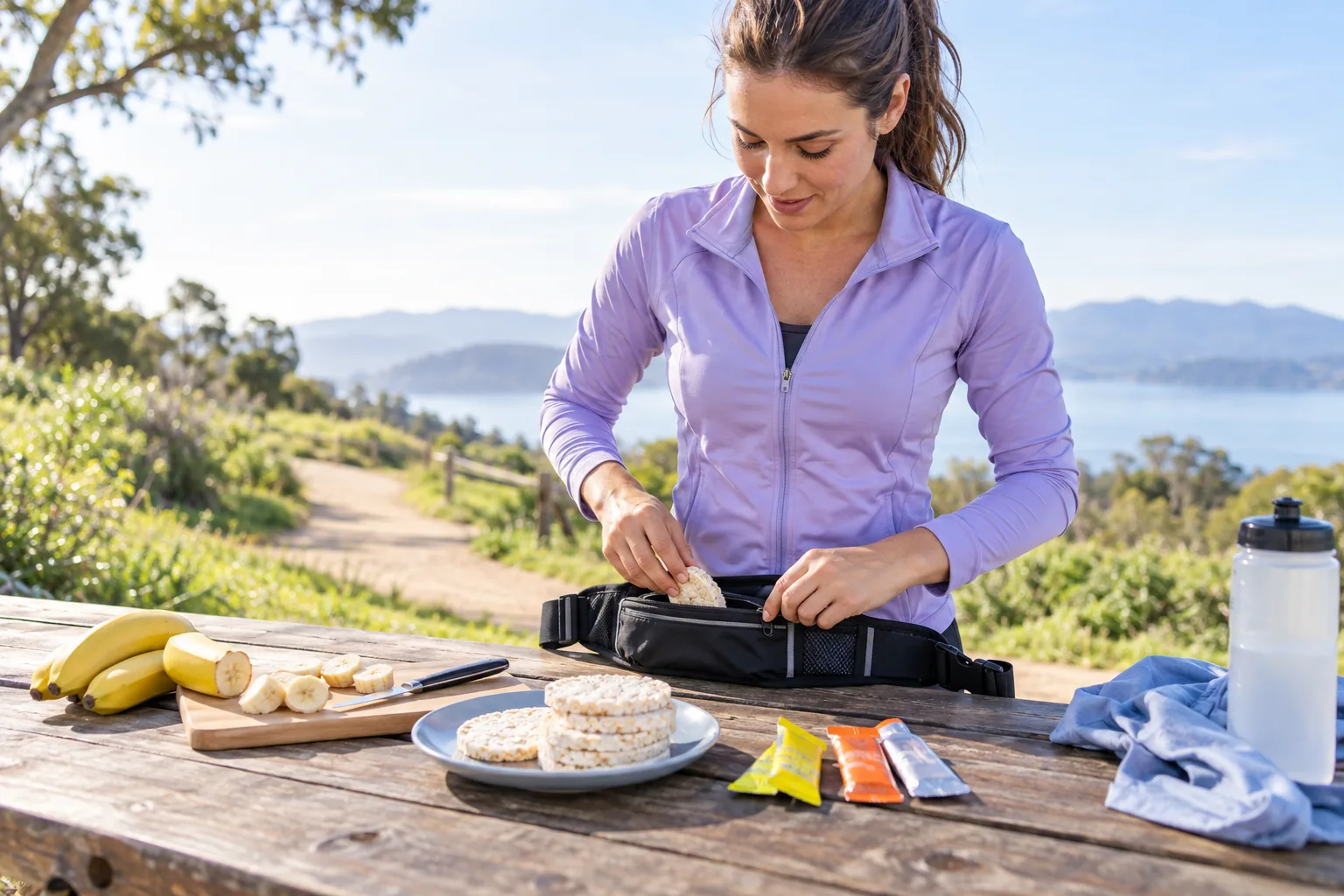
Use a running belt to carry packets where you can reach them without repeatedly stopping. Check the route’s drinking access and bring a water bottle if needed. Follow the gel’s own water directions instead of assuming every product is designed to be consumed alone.
Test tolerance in training
Try a familiar flavor and modest schedule during an appropriate training run. Do not test several new gels plus a new sports drink on race day. Record the product, amount, timing and gut response in a training journal, alongside the weather and workout intensity.
Take small manageable amounts rather than waiting until you are depleted and swallowing everything at once. Caffeinated gels add to coffee and other sources. Check the whole-session caffeine total and avoid using caffeinated versions casually if caffeine affects your stomach, sleep or heart symptoms.
Solve problems before race day
If a gel causes discomfort, review water instructions, concentration, timing and combined carbohydrate intake. A different texture or ordinary tolerated food may suit you better. A gel is a convenience option rather than proof that you are a serious runner.
Pack enough for your practiced plan and allow for a sensible backup if aid-station choices differ. Check expiration dates and carry wrappers out. Persistent vomiting, severe pain or repeated diarrhea needs medical advice rather than increasingly aggressive fueling experiments.
Read the whole gel label before planning timing
Energy gels are compact carbohydrate products, but packets are not interchangeable units. Check carbohydrate per packet, ingredients, caffeine and the manufacturer's directions about fluids. A plan based only on one gel every so often may provide a very different amount of carbohydrate after you change brands or packet sizes. Understand the product you actually carry. If the label describes a serving as more than one packet, make sure you are reading the amount for the packet in your hand.
A caffeinated gel also counts toward your caffeine intake. Consider coffee, tea, energy drinks and other gels used on the same day. Choosing a caffeine-free product may simplify an initial trial, particularly if you are sensitive to caffeine or uncertain about the amount in your usual drinks. Flavour and texture matter too: a packet that looks ideal on paper is not very useful if you cannot comfortably swallow it during running. Test those details on a suitable training session.
Turn a carbohydrate plan into packet decisions
First establish whether the run is long or demanding enough to call for during-run fuel. Then consider the carbohydrate supplied by everything you intend to use, including drinks and food. For illustration, if your chosen training plan calls for a certain amount per hour, divide that amount across the gel, drink and food you actually carry. Do not count the same carbohydrate twice. A gel is one delivery option within the plan, not an extra requirement added after the plan is already met.
Keep worked examples separate from personal targets. If a packet provides twenty-five grams of carbohydrate, two packets supply fifty grams. That calculation describes the product amount; it does not prove that fifty grams is appropriate for your body or run. Use a suitable plan and test tolerance instead of treating packet arithmetic as a prescription. Runners preparing for long or competitive events may benefit from a sports dietitian's help in selecting an approach they can practise consistently. A training journal (paid link) can record which packet and drink combination you tested.
Plan access to water and convenient stops
Check the directions on the gel you intend to use. Some products are designed with different fluid instructions, so do not assume the advice from another packet applies. Think about where water is available on your route and how you will safely take the gel. If you need to slow down or pause at a suitable spot, allow for that. Trying to open unfamiliar packaging while running fast can create a practical problem before nutrition becomes relevant. Carry a water bottle (paid link) if the route does not provide the water access your tested plan needs.
For an organized race, look at the aid-station information and confirm what drinks are provided. Plans change, and a product advertised by an event may differ from the one you used in training. Carry your tested fuel when permitted and keep a simple fallback for a missed station. Do not respond to uncertain access by forcing large amounts of fluid at the next stop. Fuel planning and fluid planning need to work together without assuming that more of either is always better.
Practise packaging, pacing and stomach comfort
A useful trial includes more than taste. Carry the packet where it will be during the event, practise opening it and consider whether the texture is manageable at the planned effort. Choose a familiar route with a safe place to stop if necessary. Begin with a straightforward arrangement instead of combining multiple unfamiliar gels, a new sports drink and a harder-than-usual pace. Changing everything at once makes a stomach problem difficult to interpret. A running belt (paid link) can keep tested packets accessible, provided the fit is comfortable and secure.
Record when you used the gel, roughly how much you consumed, what else you drank and whether symptoms occurred. A single difficult run does not establish that all gels are unsuitable. It might reflect the total concentration of fuel, the session intensity or an unrelated issue. Equally, do not keep repeating a combination that reliably makes you unwell. Reduce complexity and obtain advice when symptoms persist. Practising should improve predictability, rather than become a contest to tolerate ever more product.
Compare gels with ordinary portable foods
Gels can be convenient because they are compact and require little chewing. That does not make them mandatory for every runner. Depending on the session and personal tolerance, familiar foods may also contribute carbohydrate. A slower training run with safe stopping opportunities creates a different eating situation from a hard race. Consider the practical constraints: pocket space, texture, temperature, chewing and rubbish disposal. Choose the option that fits the event rather than assuming the most specialized product is always best.
When comparing costs, calculate what you need for the planned training sessions rather than only looking at the price of one packet. Avoid buying a large mixed box before you know which products you tolerate. A small initial trial can prevent waste. Shop according to local availability in your country, and inspect the actual label if a product version changes. Imported packets with unfamiliar serving conventions may require more careful reading, even when the brand name looks familiar.
Keep the race-day routine simple
Prepare tested packets in advance and check that none are damaged. Write down a rough timing plan, but allow for the course and your comfort rather than following an alarm blindly through every situation. If you miss a planned packet, do not automatically take several together to catch up. Consider what you have already consumed and return to the rehearsed approach when appropriate. Severe symptoms or feeling acutely unwell calls for stopping and obtaining help, not forcing the remaining fuel.
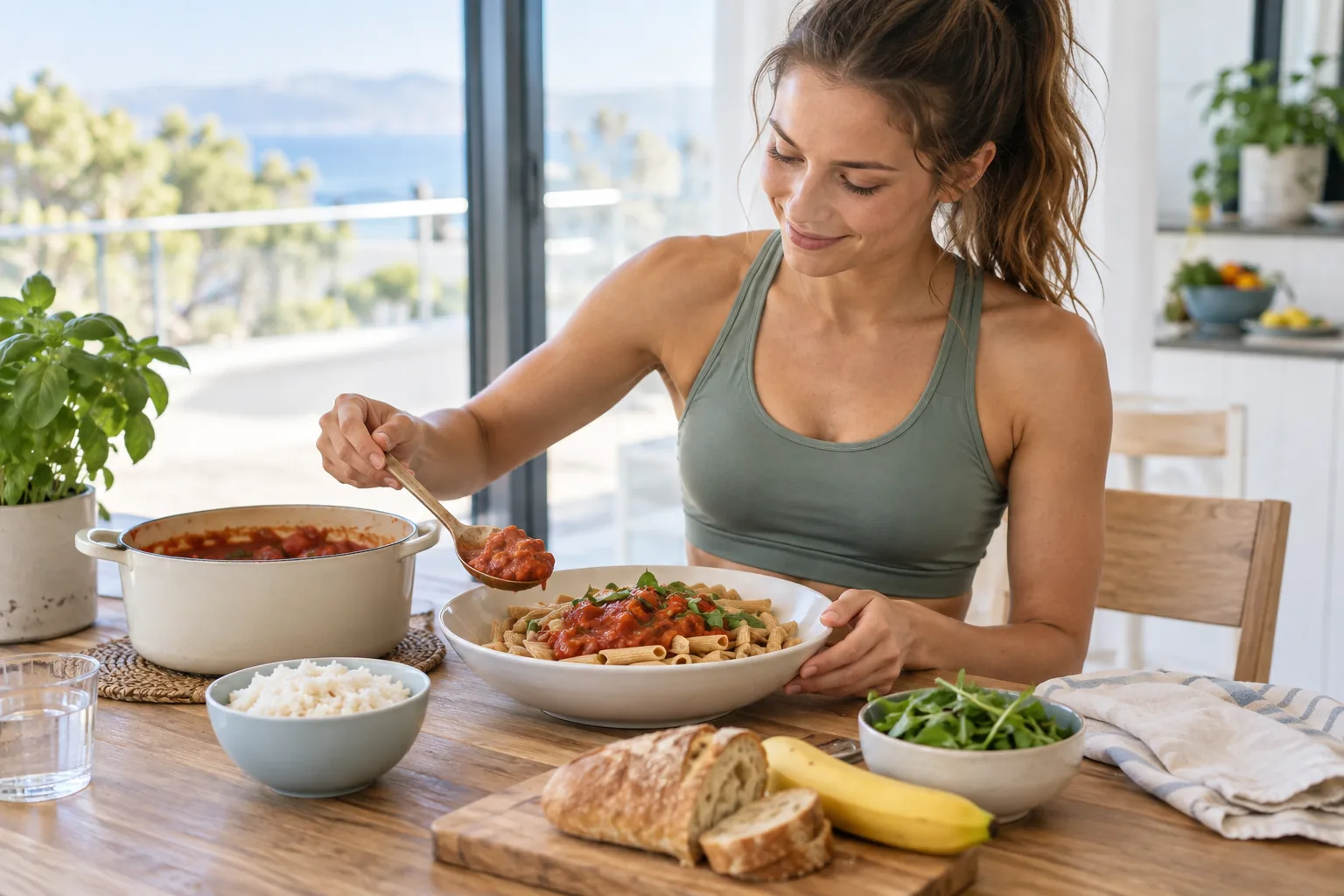
After the run, gels should not crowd out an ordinary recovery meal. They serve a particular practical purpose during exercise and do not offer the variety of a balanced eating pattern. Review what worked: whether carrying was comfortable, water access was adequate and timing felt manageable. Keep the successful parts for the next comparable session. A dependable plan built from a tested product is more useful than repeatedly chasing a new gel because its advertising promises an instant performance advantage.
Create a simple packet-and-drink checklist
Before a trial, list the product name, carbohydrate per packet, caffeine if present, and the relevant fluid directions. Add the route, approximate duration and other fuel you plan to use. This small checklist gives the timing plan a concrete basis. It also makes a replacement product easier to evaluate: if the packet size or ingredients change, you can see which assumptions need checking. Keep the first trial within a familiar session, and do not extend a run purely because you have purchased more packets than you need.
Practise the details that matter while moving. Place the packet in the actual pocket you will use, check whether the closure rubs, and decide how you will open it without dropping the wrapper. If you run in gloves, try the packaging with gloves during training. If you carry a phone and keys in the same pocket, make sure the packet remains accessible. These small practical checks can matter on a busy course. Fuel you cannot comfortably reach is less useful than a simpler arrangement you have rehearsed successfully.
Afterward, compare the record with what actually happened. You may have consumed less than planned because the texture was difficult, missed water access or accidentally added a carbohydrate drink you did not count. Fix the specific mismatch rather than assuming you need a different brand or more gels. If the routine was comfortable, keep it for similar sessions and review it when duration or conditions change. Gels are a useful convenience for some runners, but the successful result is a predictable fueling routine. It is not the largest collection of packets you can fit into your equipment.
Practical Options at a Glance
| Situation | Practical option | What to consider |
|---|---|---|
| Label check | Carbohydrate, caffeine and serving size | Know what one packet supplies |
| Route check | Water access and carrying method | Follow the product’s water instructions |
| Practice check | One new variable at a time | Keep a short record of tolerance |
Frequently Asked Questions
Consider them for runs long enough to benefit from during-exercise carbohydrate. Plan from duration, label amounts and practiced tolerance rather than a universal minute mark.
Possibly, but count the carbohydrate from both and follow product instructions. Combining concentrated sources can upset some stomachs.
They are not necessary. Caffeine adds separate tolerance and safety considerations and must be counted with other sources.
Safety and Personal Needs
For diabetes, gastrointestinal disease or recurrent exercise-related symptoms, ask a clinician or sports dietitian to personalize the plan. Severe weakness, confusion or collapse requires urgent help.
This is general educational information. Individual needs vary with health, medications, training and food tolerance.
Sources and Further Reading
- Australian Institute of Sport: carbohydrate during exercise
- ISSN position stand: caffeine and exercise