
Published by Best Fitness Routine. Editorial standards · Report a correction. Educational guidance; no individual clinical review is claimed unless a qualified reviewer is named.
Overview
Diverticulosis means small pouches called diverticula have formed in the wall of the colon. Many people never know they have them. Diverticulitis occurs when one or more pouches become inflamed and can cause significant abdominal pain, fever and digestive symptoms. The eating plan during an acute episode can differ from long-term prevention advice.
Diverticulosis vs. Diverticulitis
Diverticulosis is the presence of pouches and often causes no symptoms. Diverticular disease refers to symptoms or complications related to those pouches. Diverticulitis is an acute inflammatory condition and can range from mild illness to complications such as abscess, perforation or obstruction.
Common Symptoms of Diverticulitis
Diverticulitis often causes pain in the lower left abdomen, although location can vary. Fever, chills, nausea, vomiting, constipation or diarrhea may occur. Pain is often more severe and persistent than ordinary gas or mild cramping.
How Diverticulitis Is Diagnosed
A clinician considers the pain pattern, fever, abdominal tenderness and medical history. Blood tests and imaging—often CT—may be used to confirm the diagnosis and look for complications. Colonoscopy is not usually performed during a severe acute attack because timing matters.
Eating During an Acute Episode
Food advice during acute diverticulitis should follow the treating clinician’s plan. Some people are temporarily advised to use clear liquids and then advance foods as symptoms improve; others may not need the same restriction. Do not stay on a very limited diet longer than recommended.
Long-Term Fiber After Recovery
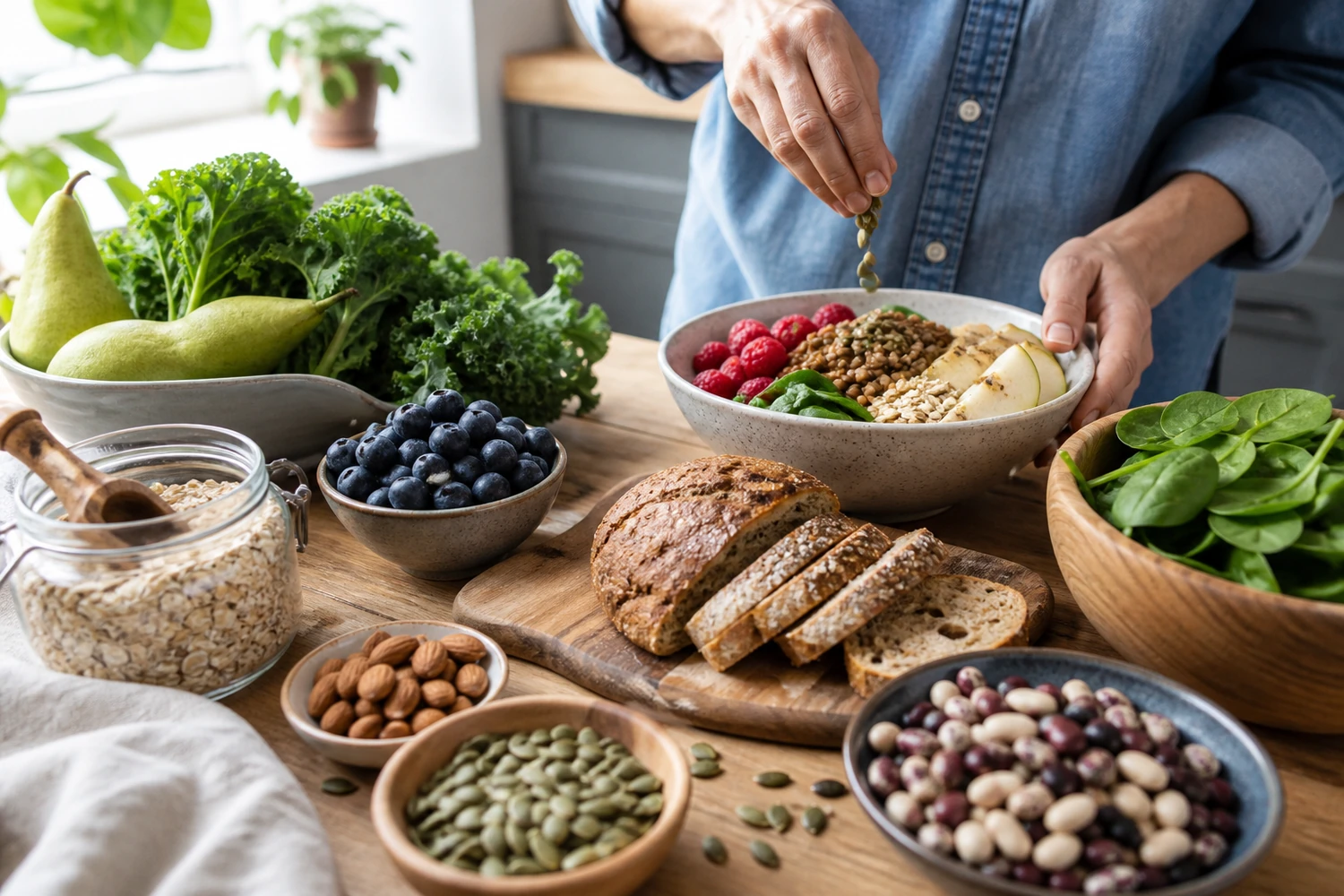
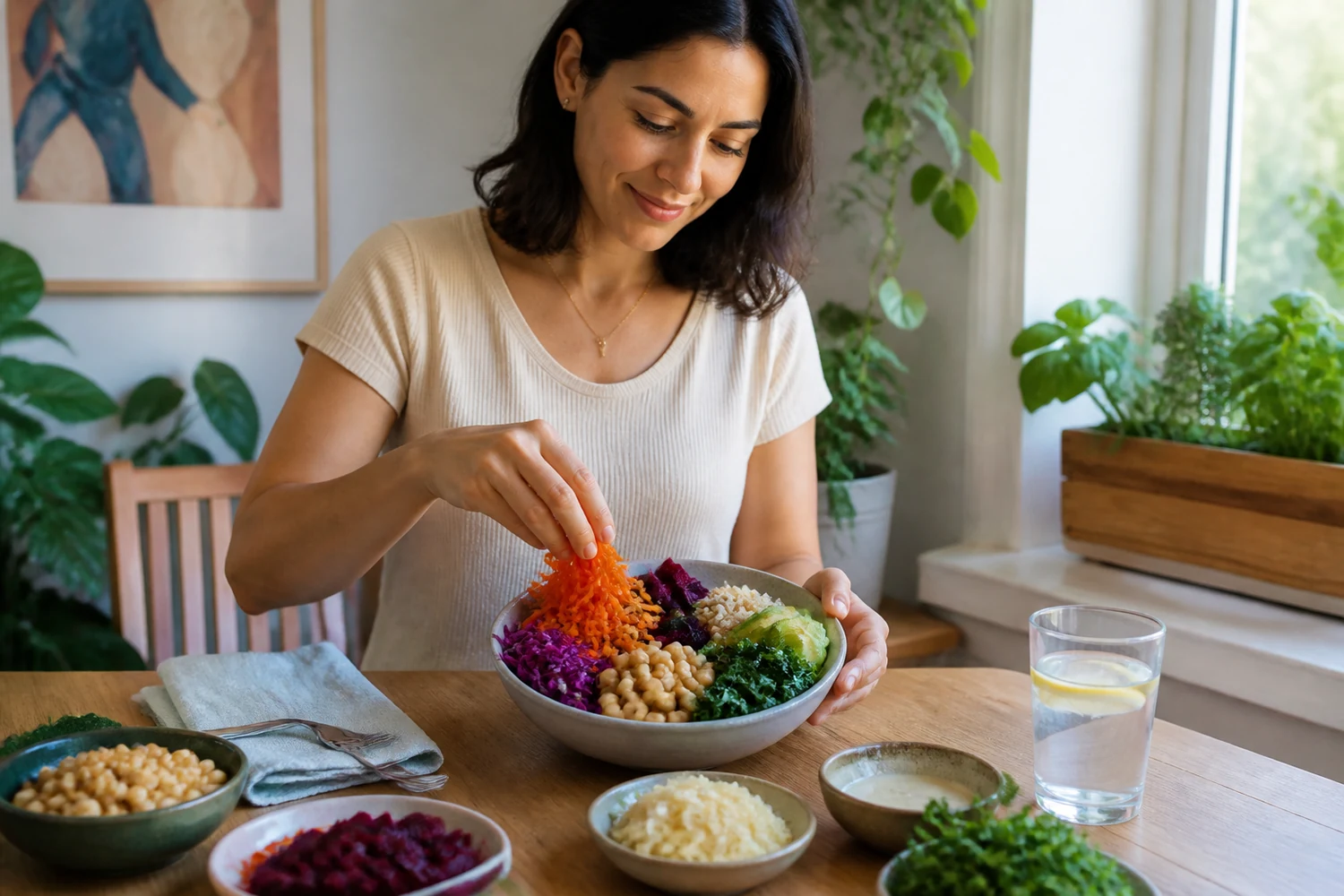
Outside an acute flare, a higher-fiber eating pattern may reduce diverticulitis risk and help bowel regularity. Increase fiber gradually using vegetables, fruit, beans, whole grains, nuts and seeds as tolerated. Older advice to routinely avoid nuts, popcorn and seeds is not supported for most people.
Use our dietary fiber guide and hydration guide when building a gradual plan.
Lifestyle Factors That Matter
Regular physical activity, not smoking, maintaining a healthy weight and eating less red meat may lower risk in some people. No lifestyle strategy can guarantee that diverticulitis will never recur.
For general digestive routines, see How to Improve Digestive Health With Daily Habits.
Medicines and Treatment
Not every uncomplicated case requires antibiotics; treatment depends on severity, immune status, complications and current clinical guidance. Pain treatment also matters because some medicines, including frequent NSAID use, may increase complication risk in some people.
Review the medication safety guide before changing pain medicines on your own.
Activity During Recovery
During significant acute pain or fever, rest and medical treatment take priority. As symptoms improve, normal walking and daily activity can usually return gradually. There is no special exercise that treats an inflamed diverticulum.
Warning Signs and Complications
Seek prompt medical care for severe or worsening abdominal pain, fever, repeated vomiting, a rigid abdomen, inability to pass stool or gas, significant rectal bleeding, dizziness or fainting. These can signal bleeding, abscess, obstruction, perforation or another abdominal emergency.
What to Track Before You Seek Care
Keep the record short and decision-focused. Note when symptoms started, how often they occur, what makes them better or worse, new medicines or supplements, relevant medical conditions and any effect on sleep, work, exercise or daily function. Bring photos or home measurements only when they are relevant and reliable. A health appointment notebook (paid link) can keep your questions and routine observations together for a planned visit.
A two-week log can be useful for stable symptoms, but do not delay care to complete a diary when symptoms are severe or worsening.
Questions for Your Next Health Visit
- What diagnosis best explains this symptom pattern?
- Which tests are useful, and which are unnecessary?
- What can I safely do at home while we monitor it?
- What change would mean I should contact you sooner?
- Could any medicine, supplement or other condition be contributing?
Health information changes as evidence improves. When a claim promises a guaranteed cure, rapid fix or universal answer, compare it with guidance from major medical organizations and ask how the recommendation applies to your situation.
- “Seeds get stuck in pouches and cause diverticulitis.” Routine avoidance is not supported for most people.
- “Everyone with diverticulitis needs antibiotics.” False—treatment is individualized.
- “High fiber is the right diet during every acute attack.” False—acute dietary advice can differ from long-term prevention advice.
Common Myths and Better Context
Pick one or two meaningful outcomes instead of tracking every possible symptom. Good monitoring should reduce uncertainty and support decisions; it should not create compulsive checking or delay care.
Recovery should include improving pain, fever and ability to eat and drink. Long-term success means fewer recurrences while maintaining a varied diet and normal activity. Persistent symptoms between attacks may have another explanation, such as irritable bowel syndrome, and should not automatically be labeled recurrent diverticulitis.
How to Judge Progress
Individual risk can also change with pregnancy, age, recent surgery, immune status and access to follow-up care. When several factors apply at once, use professional advice rather than combining several internet remedies.
Older adults, immunocompromised people, people with significant kidney disease and anyone with previous complicated diverticulitis need more individualized decisions about antibiotics, hospitalization and follow-up. Recurrent episodes also deserve a review of diagnosis and prevention rather than repeated self-treatment. For routine follow-up, use a symptom journal (paid link) to organize dated observations for your care team.
Who Needs Extra Care
At the end of the week, keep the steps that are useful and easy to repeat. If symptoms are worsening, skip the experiment and contact a clinician sooner.
- During an acute episode, follow the treating clinician’s diet and medicine plan
- After recovery, increase fiber gradually if recommended
- Return to normal activity progressively as pain and fever resolve
- Maintain bowel regularity and a balanced eating pattern
- Know the warning signs of bleeding, obstruction, abscess or perforation
Use a short plan to organize the next step without trying to solve everything in one day. This is not a treatment prescription; it is a way to collect useful information and make safer decisions.
A Practical One-Week Plan
- Using long-term clear-liquid diets after the acute episode has improved
- Avoiding nuts, seeds and popcorn automatically without an individual reason
- Taking frequent NSAIDs without discussing digestive risk
- Treating severe fever and abdominal pain as simple constipation
- Adding huge amounts of fiber during an active painful flare without clinician guidance
Most problems become harder to manage when a reasonable self-care step turns into an extreme rule. Avoid these common mistakes:
Common Mistakes to Avoid
Long-term digestive health is supported by regular activity, not smoking, a fiber-rich eating pattern and weight management when needed. These habits can lower risk but cannot guarantee that diverticulitis will never recur, so knowing the warning signs remains important.
How This Fits Into a Healthy Lifestyle
After uncomplicated diverticulitis resolves, many people return to a normal varied diet and gradually increase fiber if appropriate. Follow-up recommendations depend on the severity of the episode, prior colon evaluation and overall risk. Repeated symptoms between attacks may need assessment for another digestive condition. For scheduled care, an optional medical-record organizer (paid link) can keep reports and appointment notes together.
Long-Term Outlook
At a visit, describe the exact location and duration of pain, fever, bowel changes, vomiting and any bleeding. Bring previous CT or colonoscopy reports and list medicines, especially NSAIDs, steroids and blood thinners. Recurrent episodes should be documented so the clinician can confirm whether each episode truly represents diverticulitis.
How to Prepare for an Appointment
Avoid Self-Diagnosis Traps
If symptoms return after a previous episode, do not assume every cramp is recurrent diverticulitis. Constipation, IBS and other abdominal conditions can mimic parts of the symptom pattern. A clear diagnosis matters because repeated antibiotics, dietary restriction or imaging should be based on the clinical picture rather than fear of another flare.
Frequently Asked Questions
Diverticulosis means pouches are present in the colon. Diverticulitis means one or more pouches are inflamed.
Routine avoidance is not recommended for most people. Individual tolerance and clinician advice matter.
Not necessarily. Acute-episode diet should follow the treating clinician’s plan; long-term fiber advice applies after recovery.
No. Antibiotic use depends on severity, complications, immune status and clinical judgment.
Severe worsening pain, fever, repeated vomiting, significant bleeding, a rigid abdomen or inability to pass stool or gas requires urgent evaluation.
Safety and Scope
Severe or worsening abdominal pain, fever, repeated vomiting, significant bleeding, a rigid abdomen, fainting or inability to pass stool or gas requires urgent assessment. Do not self-treat a suspected acute diverticulitis attack with diet changes alone.