Published by Best Fitness Routine. Editorial standards · Report a correction. Educational guidance; no individual clinical review is claimed unless a qualified reviewer is named.
About This Healthy Recipe
A vegetable-forward healthy lasagna recipe layered with lentils, spinach, zucchini, cottage cheese, whole-wheat noodles and tomato sauce for a hearty meatless dinner.
If you are looking for healthy lasagna recipe, this version keeps the method practical and the ingredients clearly measured. It also works as a useful lasagna recipe variation, while the specific combination reflects spinach lentil lasagna with cottage cheese for readers who want a more focused dinner idea.
It works well as an easy healthy dinner because the meal combines a clear protein or plant-protein source with vegetables and a measured carbohydrate component. Portions can be adjusted for appetite, training schedule and household needs.
Why Readers May Like It
- 1Uses familiar ingredients available in ordinary supermarkets.
- 2Includes measured portions and transparent estimated nutrition.
- 3Designed for practical weeknight cooking rather than complicated restaurant techniques.
Recipe Summary and Estimated Nutrition
Nutrition is estimated from typical ingredient weights and standard food-composition references. Brands, produce size, cooking loss and substitutions can change the final values.
8 servings
Values are divided across the listed 8 servings and are planning estimates rather than laboratory analysis.
Estimated energy per serving
Calculated from all listed ingredients
Includes fiber and naturally occurring sugars
Includes saturated and unsaturated fat
i Values are rounded for readability. Product labels, produce size, and measured cooking changes can shift the final estimate.
Ingredient-by-Ingredient Nutrition Breakdown
Household measurements and gram weights are shown together so readers can reproduce the recipe and compare the estimate with another reliable database or the labels on the exact products they buy.
| Ingredient | Amount used | Weight | Calories | Protein | Carbs | Fat |
|---|---|---|---|---|---|---|
| Whole-wheat lasagna noodles, dry | 12 sheets | 300 g | 1050 kcal | 39 g | 210 g | 6 g |
| Cooked lentils | 2½ cups | 400 g | 464 kcal | 36 g | 80 g | 2 g |
| Low-fat cottage cheese | 2 cups | 500 g | 410 kcal | 55 g | 20 g | 10 g |
| Spinach, chopped | 10 cups | 300 g | 69 kcal | 9 g | 11 g | 1 g |
| Zucchini, thinly sliced | 3 medium | 400 g | 68 kcal | 5 g | 12 g | 1 g |
| Marinara sauce | 2½ cups | 600 g | 300 kcal | 12 g | 54 g | 6 g |
| Part-skim mozzarella | 2 cups shredded | 200 g | 560 kcal | 50 g | 6 g | 36 g |
| Extra-virgin olive oil | 1 tablespoon | 14 g | 119 kcal | 0 g | 0 g | 14 g |
| Calculated full-recipe total | 8 servings | 2714 g | 3040 kcal | 206 g | 393 g | 76 g |
How This Nutrition Estimate Was Prepared
- Ingredient amounts were matched to standard food-composition references or typical package labels.
- The full recipe total was divided by 8 servings.
- Cooking changes water weight more than the core nutrient estimate.
- Use exact labels and measured weights when you need a closer personal estimate.
Accuracy note: these values are credible planning estimates, not laboratory analysis. For exact personal needs, use the labels on the products you buy and guidance from a qualified professional.
Ingredients
Measured ingredients
Professional Step-by-Step Preparation
As an Amazon Associate I earn from qualifying purchases. Tool links below are paid links.
Equipment
A large skillet or baking dish, chef's knife, cutting board, measuring cups and spoons (paid link), and an instant-read thermometer when applicable.
- Chef's knife
- digital kitchen scale (paid link) and measuring cups and spoons (paid link)
- Thermometer
Before You Start
Read the full method once, measure ingredients, prepare vegetables, and keep raw proteins separate from ready-to-eat foods.
Prepare the oven and casserole dish
About 10 minutesHeat the oven to 375°F and lightly brush a 9×13-inch baking dish with olive oil, coating the corners and sides so the first layer of sauce does not stick. Weigh the listed ingredient quantities with a digital kitchen scale (paid link) before starting this step.
Prepare the lasagna noodles
About 10 minutesCook or soften the whole-wheat noodles according to the package directions, then drain them well and arrange them flat so they stay easy to layer.
Mix the vegetable and cheese fillings
About 10 minutesCombine the cottage cheese with chopped spinach. Season the cooked lentils and sliced zucchini separately with herbs and black pepper so every layer has balanced flavor. Combine the ingredients in a mixing bowl (paid link) with enough room to avoid spilling.
Layer the lasagna evenly
About 10 minutesSpread a thin layer of marinara in the dish, then alternate noodles, cottage-cheese mixture, lentils, zucchini, sauce, and mozzarella. Repeat until the ingredients are used, finishing with sauce and cheese.
Bake, uncover, and rest before slicing
About 10 minutesCover and bake for 35 minutes, then uncover and continue for 10 to 15 minutes until the sauce is bubbling and the cheese is melted. Rest for 10 minutes so the layers set before cutting. Use an oven-safe baking dish (paid link) sized to hold the recipe batch.
How to Know It Is Ready
The lasagna is ready when the center is steaming hot, the noodles are tender, and the cheese is melted and lightly browned.
The layers should hold together when cut after a short rest, without being watery.
Rest 10 minutes before slicing, then serve with a simple green salad or extra vegetables.
Potential Benefits and Things to Consider
Potential Benefits
- Lentils and whole-wheat pasta provide fiber-rich carbohydrates.
- Cottage cheese and mozzarella add protein and calcium.
- Spinach and zucchini increase vegetable volume without making the meal feel light.
Things to Consider
- Energy and protein needs vary with body size, activity and overall diet.
- Calories, sodium and saturated fat can change substantially with brands and substitutions.
- No single dinner guarantees weight loss, muscle gain or improved health.
Who May Enjoy This Recipe?
It May Work Well For
- Adults wanting a balanced dinner built from familiar ingredients.
- Busy households that prefer clearly measured weeknight meals.
- Readers looking for a mix of protein, vegetables and practical carbohydrates.
Best Times to Eat It
- Weeknight dinner.
- Meal prep for lunches or dinners when storage guidance is followed.
- After training when a complete meal fits your schedule and appetite.
Individual energy and nutrient needs vary. Adjust portions for appetite, training, allergies and professional guidance.
How to Adjust It for Different Goals
For fewer calories
Reduce calorie-dense toppings or grain portions while keeping vegetables and lean protein generous.
For more energy
Add an extra portion of whole grain, beans, potatoes or another starchy vegetable.
For more protein
Increase the main protein source or add a suitable high-protein side such as Greek yogurt, cottage cheese, beans or edamame.
Recalculate estimates when ingredient amounts or serving sizes change substantially.
Substitutions, Dietary Notes, and Allergens
Practical Substitutions
- Swap whole grains with another whole grain that has a similar cooking time and texture.
- Use spinach, kale, green beans or mixed vegetables according to season and availability.
- Choose a comparable lean protein or plant protein when it fits the recipe method.
- Use reduced-sodium packaged ingredients when available.
Allergen Information
Contains wheat and dairy. Use certified gluten-free noodles and suitable dairy alternatives if required.
Always check packaged ingredient labels because formulas can change.
Storage and Meal Preparation
Cool, cover and refrigerate for up to 4 days. Individual squares reheat well in the microwave or covered in a 350°F oven.
Cool leftovers promptly, use shallow airtight containers, and discard food that has been held at unsafe temperatures or shows spoilage.
Frequently Asked Questions
Yes. Follow the storage guidance on this page and keep delicate toppings separate when practical.
Usually. Reduce added oils, cheese or grain portions while keeping vegetables and a suitable protein source generous.
Yes. Increase the main protein source or add a compatible protein-rich side while recalculating nutrition if you need precise estimates.
No. They are estimates and can change with brands, ingredient size, cooking loss and substitutions.
No. It is general educational content and does not replace personalized guidance from a qualified professional.
Nutrition and Safety Note
This page is for general education. It does not diagnose, treat, prescribe a diet, or replace individualized nutrition care. People with allergies, medical conditions, pregnancy, medications or specific nutrition requirements should seek qualified professional guidance.
Nutrition Data Source
For a clear explanation of ingredient weights, data sources, rounding, substitutions, and estimate limitations, read our Nutrition Calculation Methodology.
General Nutrition References
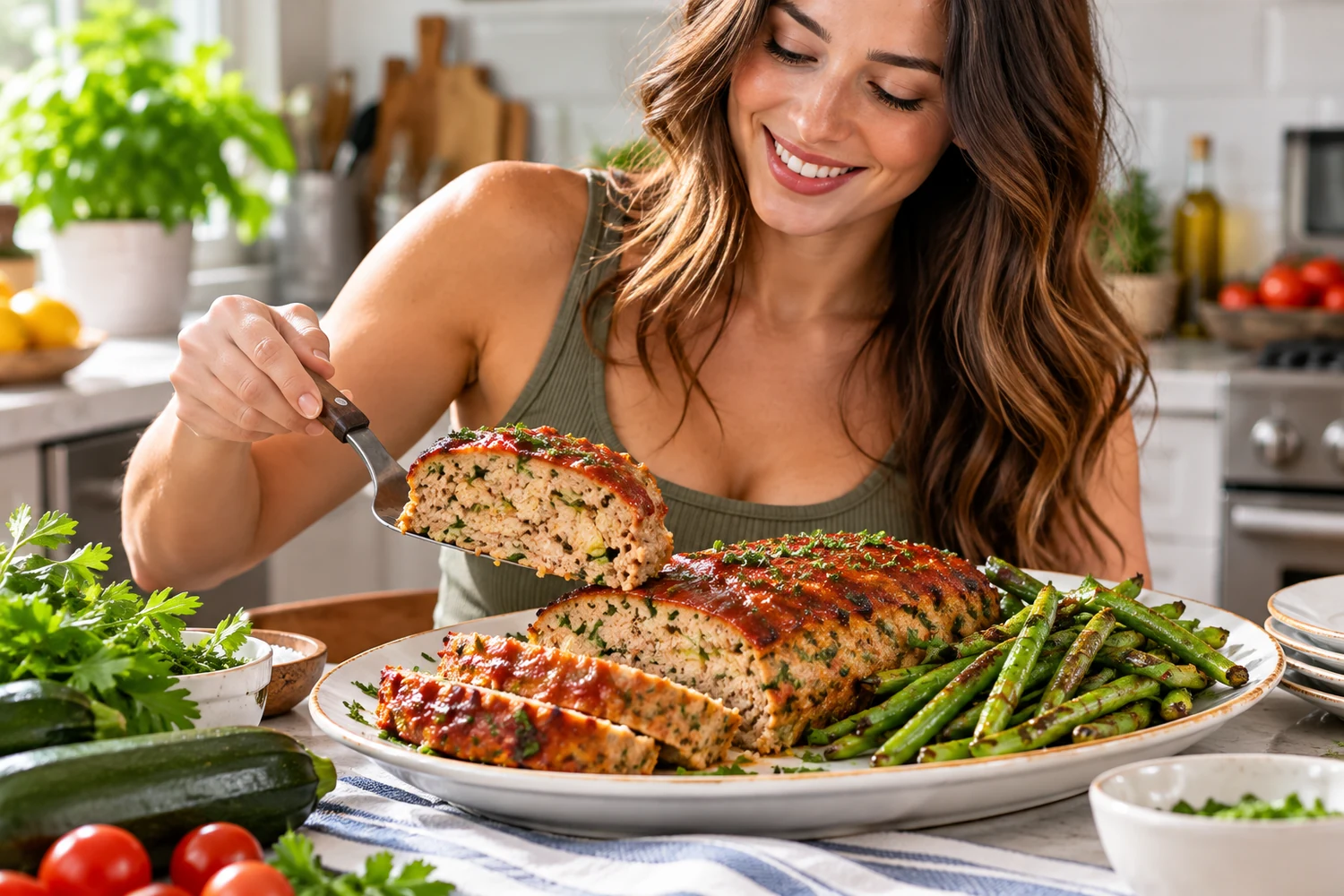
Recipe development note: this page does not claim independent kitchen testing. The image is illustrative and does not document a tested result. Ingredient-based nutrition estimates can change with brands, weighing state, preparation and serving size; use exact labels when precision matters.