About This Healthy Recipe
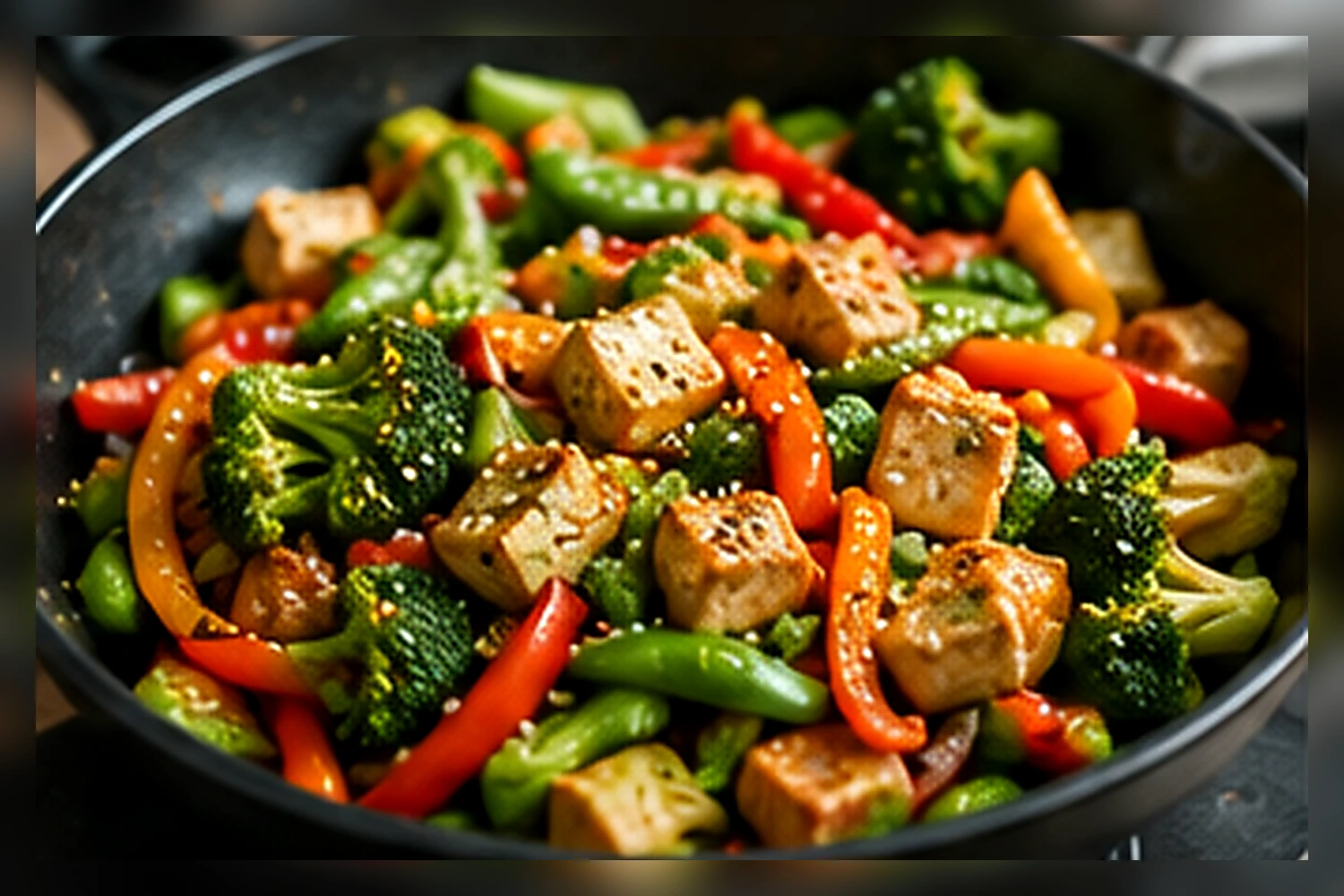
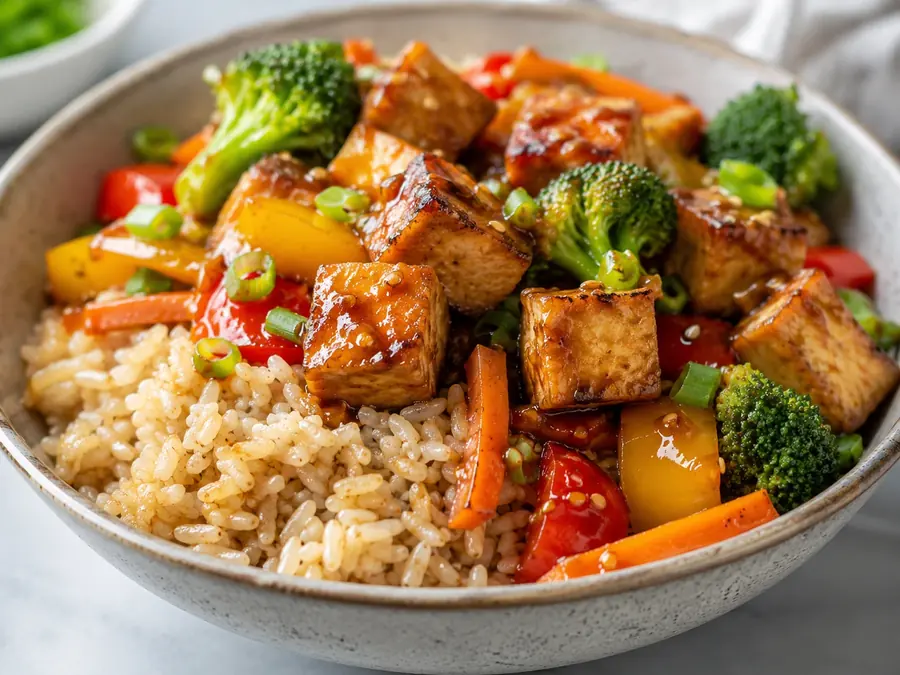
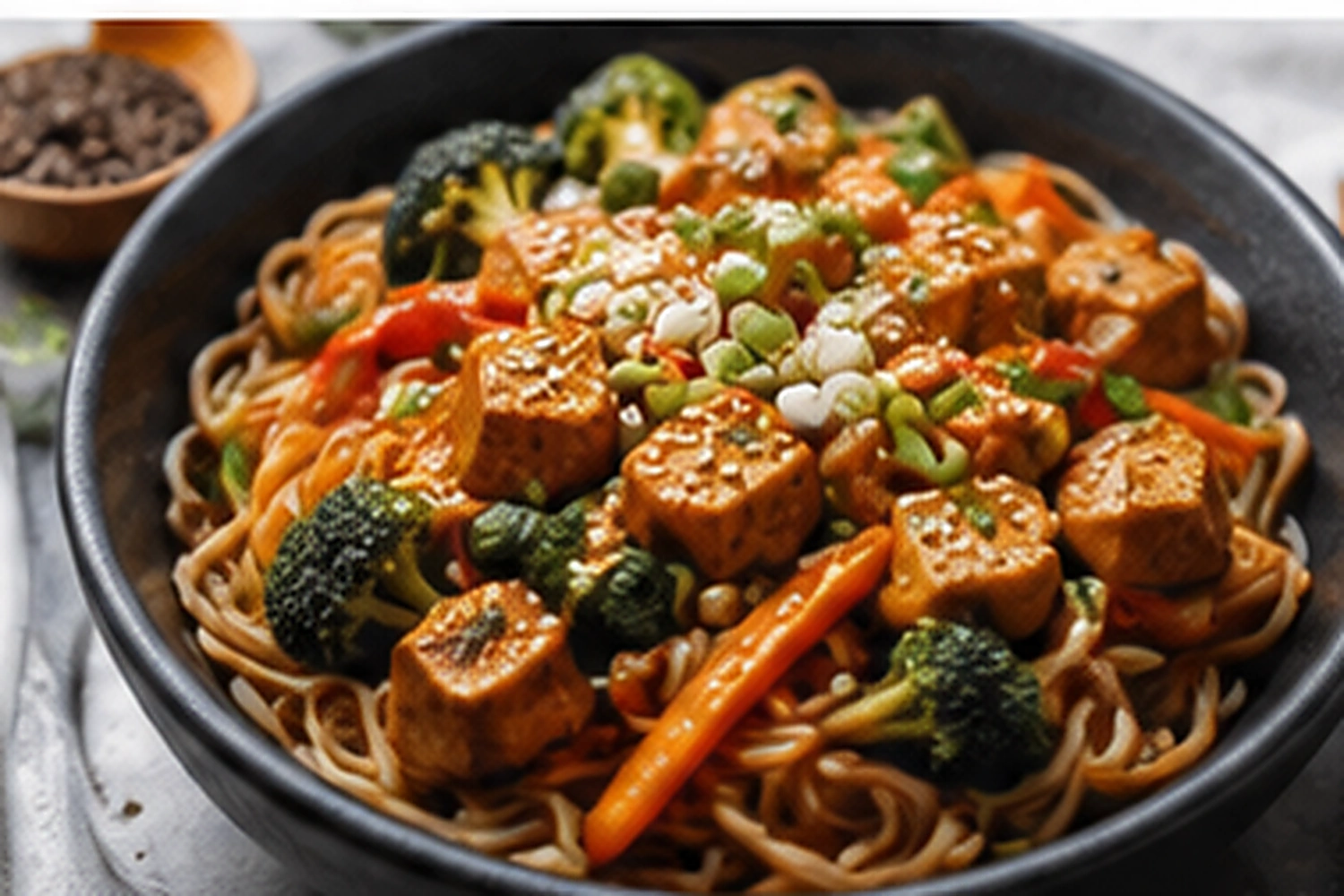
A savory noodle bowl with browned extra-firm tofu, soba noodles, broccoli, carrot, bell pepper, edamame, ginger, garlic, and a controlled amount of chili sauce. The recipe emphasizes protein and vegetables while keeping oil measured.
Pressing and browning the tofu improves texture before the vegetables and sauce are added. The sauce is thickened lightly so it coats the noodles instead of pooling at the bottom of the bowl.
This high-protein spicy tofu soba noodle bowl uses measured ingredients, realistic quantities, and practical preparation steps for home cooking. It is a healthy meal idea, not a cure, guaranteed weight-loss method, or substitute for individualized nutrition care.
Why Readers May Like It
- 1Includes tofu and edamame for plant protein.
- 2Uses multiple vegetables in one pan.
- 3Keeps oil to a measured teaspoon.
Recipe Summary and Estimated Nutrition
The values below are calculated for the exact ingredient weights listed in the base recipe. The four primary cards show calories, protein, carbohydrates, and total fat per serving; the detailed table shows how every ingredient contributes to the full recipe total.
2 bowls
Calculated from measured ingredient weights and divided by 2 servings. Values are evidence-informed estimates rather than laboratory-tested results.
Estimated energy per serving
Calculated from all listed ingredients
Includes fiber and naturally occurring sugars
Includes saturated and unsaturated fat
Values are calculated before display rounding. Product labels, produce size, drained weight, cooking loss, and substitutions can change the final result.
Ingredient-by-Ingredient Nutrition Breakdown
Household measurements and gram weights are shown together so readers can reproduce the recipe and compare the estimate with another reliable database or the labels on the exact products they buy.
| Ingredient | Amount used | Weight | Calories | Protein | Carbs | Fat |
|---|---|---|---|---|---|---|
| Extra-firm tofu, pressed | 12 ounces | 340 g | 490 kcal | 58.8 g | 9.5 g | 29.6 g |
| Cooked soba noodles | 3 cups | 300 g | 297 kcal | 15.3 g | 64.2 g | 0.3 g |
| Broccoli florets | 1½ cups | 150 g | 52 kcal | 3.6 g | 10.8 g | 0.6 g |
| Carrot, julienned | 1 medium carrot | 80 g | 33 kcal | 0.7 g | 7.7 g | 0.2 g |
| Red bell pepper, sliced | ½ large pepper | 75 g | 23 kcal | 0.8 g | 4.5 g | 0.2 g |
| Shelled edamame | ½ cup | 80 g | 97 kcal | 9.5 g | 7.1 g | 4.2 g |
| Reduced-sodium soy sauce | 2 teaspoons | 10 g | 5 kcal | 0.8 g | 0.5 g | 0.1 g |
| Rice vinegar | 1 tablespoon | 15 g | 3 kcal | 0 g | 0 g | 0 g |
| Sriracha | 2 teaspoons | 10 g | 9 kcal | 0.2 g | 1.9 g | 0.1 g |
| Toasted sesame oil | 1 teaspoon | 5 g | 44 kcal | 0 g | 0 g | 5 g |
| Fresh ginger | 1 teaspoon | 5 g | 4 kcal | 0.1 g | 0.9 g | 0 g |
| Garlic | 2 cloves | 6 g | 9 kcal | 0.4 g | 2 g | 0 g |
| Cornstarch | 1 teaspoon | 3 g | 11 kcal | 0 g | 2.7 g | 0 g |
| Sesame seeds and green onion | 2 teaspoons | 6 g | 34 kcal | 1.1 g | 1.4 g | 3 g |
| Calculated full-recipe total | 2 bowls | 1085 g | 1112 kcal | 91.3 g | 113 g | 43.2 g |
How This Nutrition Estimate Was Prepared
- Every ingredient is assigned a specific gram weight instead of relying only on a cup, spoon, or item count.
- Standard unbranded food-composition values are aligned with the closest matching foods in USDA FoodData Central.
- Ingredient values are added for the full recipe, divided by the listed yield, and rounded only for display.
- Optional ingredients are included only when the ingredient list says they are part of the estimate.
Accuracy note: These numbers are credible estimates, not laboratory analysis. For the closest personal result, weigh the ingredients and calculate from the labels on the exact brands used.
Ingredients
Bowl base
Vegetables
Spicy sauce
Finish
Professional Step-by-Step Preparation
Equipment
Have the listed equipment ready before preparing high-protein spicy tofu soba noodle bowl so measuring, cooking, and serving steps stay organized.
- Large skillet
- Mixing bowl
- Chef’s knife
- Measuring cups and spoons
Before You Start
Press tofu thoroughly before cooking. Read all steps once, measure the ingredients, and keep raw animal proteins separate from ready-to-eat foods when applicable.
Build the flavor base
About 4 minutesPress the tofu until excess surface moisture is removed, then cut it into small cubes so more edges can brown.
Cook the noodles according to package
About 4 minutesCook the noodles according to package directions until just tender, drain them, and rinse briefly if the package recommends it.
Combine the ingredients
About 4 minutesWhisk soy sauce, rice vinegar, sriracha, sesame oil, ginger, garlic, and the cornstarch-water mixture in a small bowl.
Build the flavor base
About 4 minutesHeat a nonstick skillet over medium-high heat and brown the tofu, turning it so several sides develop color.
Add broccoli carrot bell pepper and
Until safely cookedAdd broccoli, carrot, bell pepper, and edamame and cook until the vegetables are crisp-tender rather than soft.
Combine the ingredients
About 4 minutesPour in the sauce, stir until it lightly thickens, then add the noodles and toss just long enough to coat everything evenly.
Finish and serve
As directedDivide into two bowls, finish with green onion, sesame seeds, and cilantro, and serve immediately or cool promptly for meal prep.
How to Know It Is Ready
The tofu should be browned at the edges, vegetables crisp-tender, noodles hot, and sauce glossy enough to cling lightly.
Add sauce after vegetables are nearly cooked so it does not reduce too far.
Divide the finished recipe into 2 equal servings so the nutrition estimate remains meaningful.
Potential Benefits and Things to Consider
Potential Benefits
- Tofu and edamame provide plant protein.
- Broccoli, carrot, and bell pepper increase fiber and produce volume.
- Soba noodles supply carbohydrate for a complete meal.
Things to Consider
- Soy and sesame are major allergens.
- Soy sauce and sriracha can make sodium high.
- Soba noodles may contain wheat unless the package is verified.
Who May Enjoy This Recipe?
It May Work Well For
- Plant-based eaters who enjoy spicy food.
- People wanting a vegetable-heavy noodle meal.
- Meal-prep users who can store sauce separately.
Best Times to Eat It
- Lunch.
- Dinner.
- After training when both protein and carbohydrate are useful.
A recipe can be nutritious and still require changes for allergies, medical conditions, pregnancy, cultural preferences, medications, or a professionally prescribed eating plan.
How to Adjust It for Different Goals
For fewer calories
Use a smaller noodle portion and add more broccoli or cabbage.
For more protein
Increase tofu or edamame without increasing sesame oil.
For lower sodium
Reduce soy sauce and sriracha, then use lime, ginger, garlic, and chili flakes for flavor.
Any adjustment changes calories and macronutrients. Recalculate the recipe from the actual gram weights and product labels rather than assuming the original numbers still apply.
Substitutions, Dietary Notes, and Allergens
Practical Substitutions
- Use whole-grain noodles, rice noodles, or zucchini noodles; cooking method and nutrition will change.
- Use tempeh instead of tofu.
- Replace sesame oil and seeds when sesame must be avoided.
- Use tamari certified gluten-free when medically necessary and suitable.
Allergen Information
Contains soy and sesame. Most soba noodles also contain wheat; check the package for gluten-related needs.
Always check every packaged ingredient label because formulations and cross-contact statements can change.
Storage and Meal Preparation
Refrigerate for up to three days.
Store noodles separately from sauce when possible to prevent softening.
Reheat gently in a skillet with a splash of water.
Discard food that has been held at unsafe temperatures, smells unusual, shows spoilage, or has exceeded a safe storage period. When in doubt, do not taste it to test safety.
Frequently Asked Questions
Refrigerate for up to three days. Store noodles separately from sauce when possible to prevent softening.
Use whole-grain noodles, rice noodles, or zucchini noodles; cooking method and nutrition will change. Use tempeh instead of tofu.
Increase tofu or edamame without increasing sesame oil. Recalculate the nutrition using the label or database value for any changed ingredient.
The tofu should be browned at the edges, vegetables crisp-tender, noodles hot, and sauce glossy enough to cling lightly.
Each ingredient is assigned a gram weight. Standard unbranded food-composition values are multiplied by those weights, added for the full recipe, and divided by the listed number of servings before display rounding. Brands and substitutions can change the result.
No. This recipe page provides general educational information and does not replace individualized guidance from a qualified health or nutrition professional.
Nutrition and Safety Note
This page is for general education. It does not diagnose, treat, or provide individualized diet advice. People with allergies, medical conditions, pregnancy, or specific nutrition requirements should seek qualified professional guidance.
Nutrition Data Source
For a clear explanation of ingredient weights, data sources, rounding, substitutions, and estimate limitations, read our Nutrition Calculation Methodology.