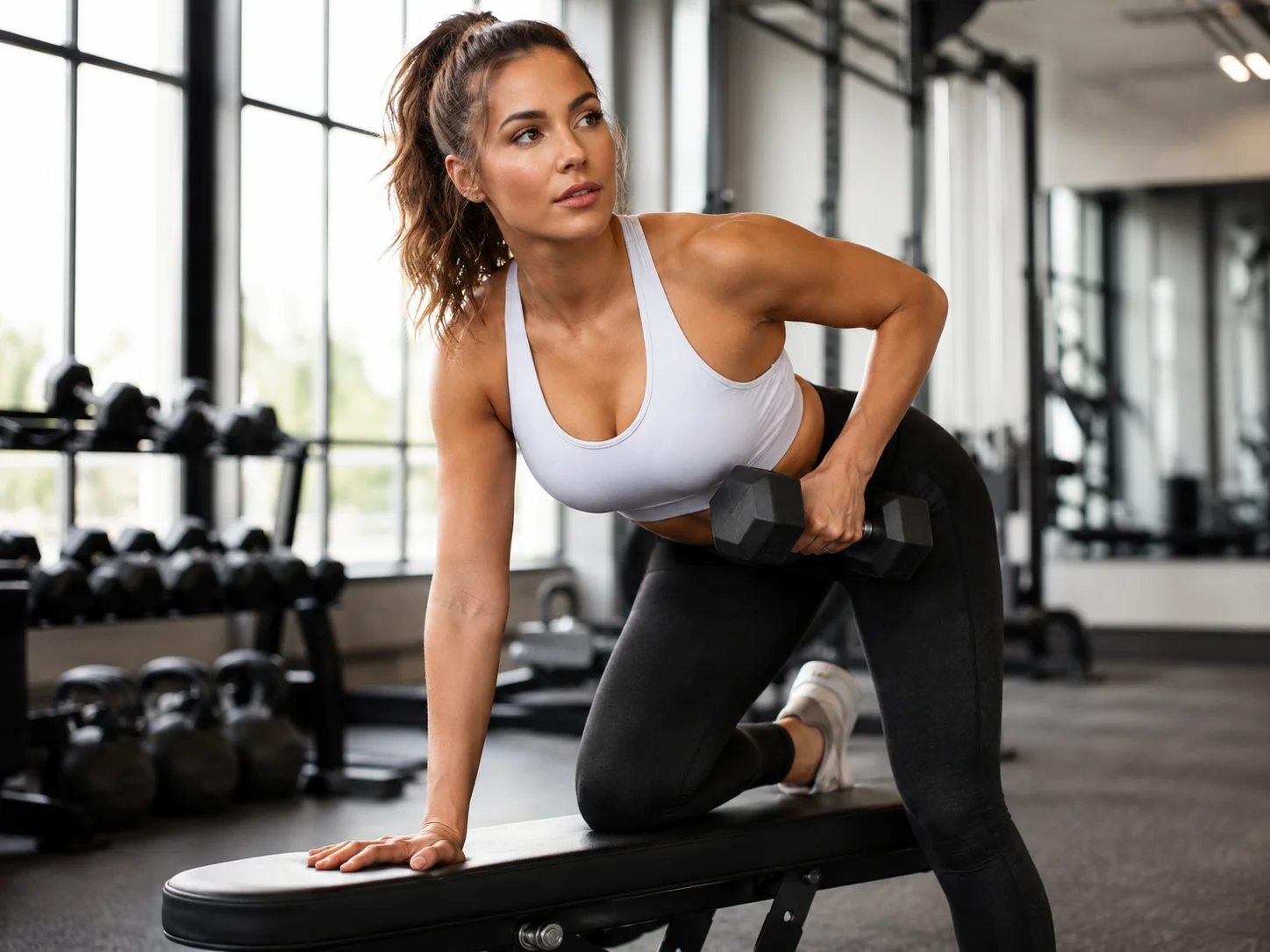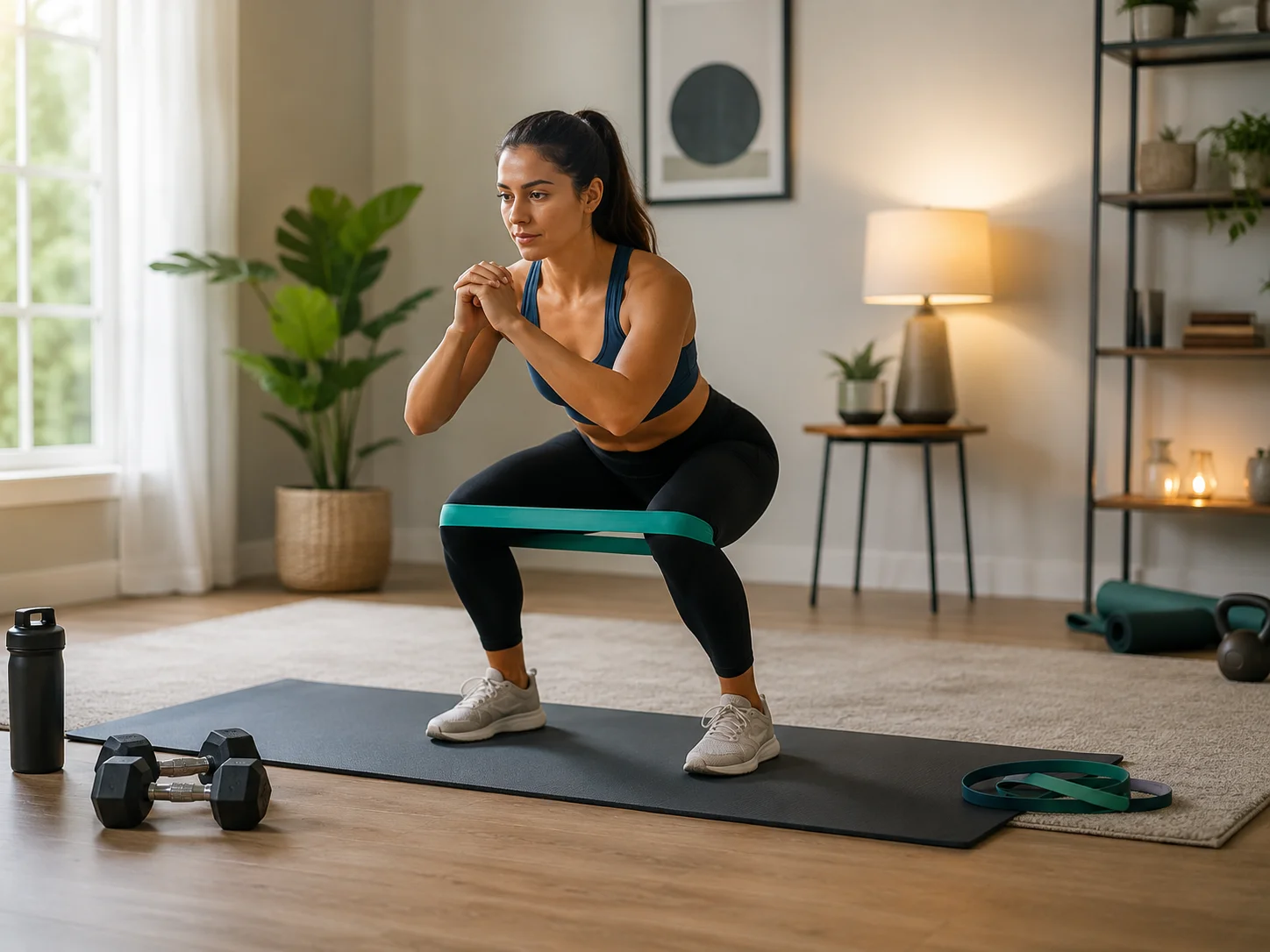
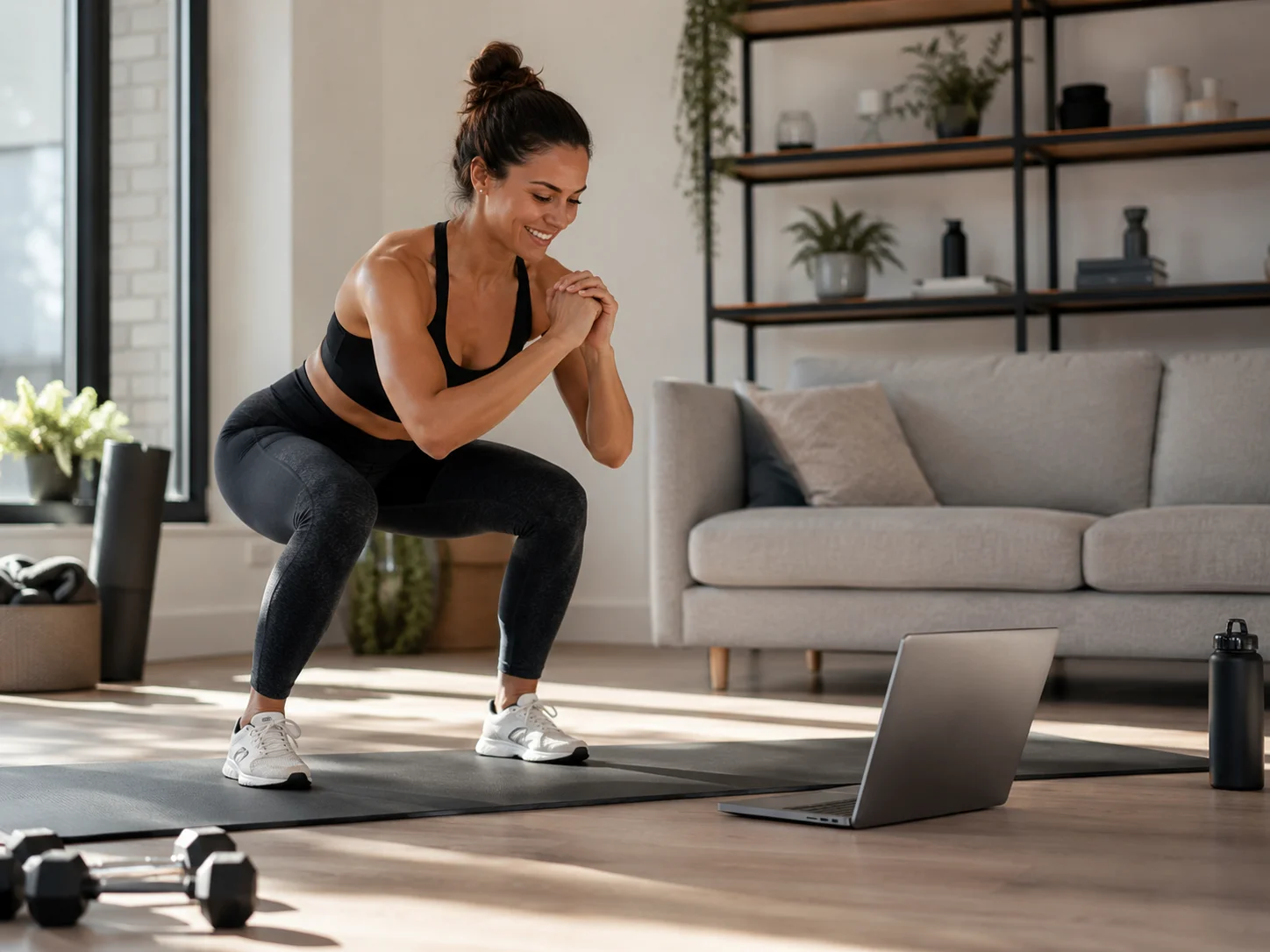
What This Workout Plans For Women Should Accomplish
Workout plans for women should be built around individual goals, not narrow assumptions about how women are supposed to exercise. Strength, fitness, muscle gain, mobility, and weight management can all be addressed with the same core principles: appropriate resistance, progression, recovery, and consistency.
The plan is intended to help women with different goals, experience levels, and training preferences. It should work in home, gym, or hybrid and make it possible to provide flexible strength and fitness plans for women. For the workout plans for women, that requires more than motivation. For the workout plans for women, it requires a weekly structure, appropriate exercises, a progression rule, and recovery that matches the workload.
Before increasing the workout plans for women workload, review sleep, soreness, stress, and recent training demand. After a disrupted week, return to the workout plans for women with a manageable workload instead of trying to repay missed sessions. For a useful comparison, see our Workout Programs for Women.
Six Priorities That Keep the Plan Focused
For the workout plans for women, use the simplest tool that creates a controlled challenge for the intended muscles. For smoother workout plans for women sessions, record machine settings or band positions so the next workout starts efficiently.
Start With an Honest Assessment
For the workout plans for women, choose a schedule that can survive an ordinary week. If three to five sessions depending on the goal sounds realistic only when work is quiet and sleep is perfect, reduce the plan. For the workout plans for women, consistency with a smaller program usually creates more progress than repeatedly restarting an ambitious one.
Before advancing the workout plans for women, complete two controlled sessions and then make one small increase. To measure progress in the workout plans for women, keep the same core movement long enough to compare repetitions, load, range, and effort.
Sample Weekly Structure
| Day | Training Focus | Practical Plan |
|---|---|---|
| Monday | Full-body strength | Squat, press, row, hinge, and core stability. |
| Tuesday | Walking or cardio | Moderate aerobic activity at a sustainable pace. |
| Wednesday | Lower body and core | Single-leg exercise, hip hinge, glute work, calves, and trunk. |
| Thursday | Recovery | Rest or gentle mobility. |
| Friday | Upper body and full-body accessories | Press, pull, shoulder, arms, and a lower-body accessory. |
| Saturday | Enjoyable activity | Class, hike, cycling, swimming, or sport. |
| Sunday | Rest | Recover and prepare. |
Within the workout plans for women, modify the range or exercise whenever comfort cannot be maintained with a lighter load. For the workout plans for women, distinguish normal muscular effort from sharp, worsening, or unusual symptoms.
For the workout plans for women, test the calendar against a normal workweek rather than an unusually quiet one. Before a busy day interrupts the workout plans for women, define a shorter fallback session that preserves the habit. For the workout plans for women, during the next planning block, keep the version that can be repeated with clear technique and reliable recovery.
Choose Exercises by Movement Pattern
For the workout plans for women, choose equipment that supports a stable setup and a repeatable range of motion.
For the workout plans for women, use the log to confirm consistency and recovery, not as a demand for a record every day. For the workout plans for women, compare the same movement under similar conditions before deciding that progress has stalled.
Sets, Repetitions, and Training Effort
Within the workout plans for women approach, treat better technique or a fuller comfortable range as valid progress when adding weight is not appropriate.
During the workout plans for women, reduce sets or intensity when several recovery signals worsen together. In the workout plans for women schedule, use an easier day to maintain movement without adding fatigue before the next priority session.
Use a Simple Progression System
While following the workout plans for women, progress only one training variable at a time so the response remains easy to evaluate. For the workout plans for women, if you want another way to structure the same goal, compare this approach with our Bodybuilding Program and Gym Workout Routine.
To support the workout plans for women, match food intake to the training goal while keeping meals regular enough for performance. When evaluating nutrition around the workout plans for women, judge the full weekly pattern rather than treating one meal as decisive.
A Four-Week Implementation Roadmap
Week 1
Learn comfortable exercise variations and establish routine. For the workout plans for women, keep the schedule stable, record what happened, and avoid adding extra difficulty simply because motivation is high.
Week 2
Add repetitions with controlled technique.
Week 3
Progress resistance or sets on selected movements.
Week 4
Review recovery, confidence, and the next goal.
For the workout plans for women, after the current week is complete, keep the version that can be repeated with clear technique and reliable recovery.
Recovery, Food, Hydration, and Sleep
To support the workout plans for women, avoid aggressive food restriction that makes planned sessions harder to complete consistently. Alongside the workout plans for women, include practical protein sources, produce, and carbohydrate portions that suit activity and appetite.
Track the Information That Helps Decisions
For the workout plans for women, for this topic, the most useful measures include:
- Strength progress
- Workout consistency
- Energy and confidence
- Cardio fitness
- Movement quality
Common Mistakes and Better Replacements
- Avoiding resistance training because of fear of becoming bulky. Instead of avoiding resistance training because of fear of becoming bulky, choose a smaller decision that supports the primary goal and preserves technique.
- Doing only lower-body exercises. Instead of doing only lower-body exercises, choose a smaller decision that supports the primary goal and preserves technique.
- Using extremely light weights that never become challenging. Instead of using extremely light weights that never become challenging, choose a smaller decision that supports the primary goal and preserves technique.
- Changing the routine based on short-term scale changes. Instead of changing the routine based on short-term scale changes, choose a smaller decision that supports the primary goal and preserves technique.
- Treating food and exercise as punishment. Instead of treating food and exercise as punishment, choose a smaller decision that supports the primary goal and preserves technique.
- Ignoring pelvic health, pain, or other individual considerations. Instead of ignoring pelvic health, pain, or other individual considerations, choose a smaller decision that supports the primary goal and preserves technique.
How to Adjust the Plan Without Losing Its Purpose
For the workout plans for women, stop and seek qualified assessment when symptoms persist, spread, or affect normal daily movement. Before applying the workout plans for women, follow any medical or rehabilitation restrictions ahead of general online guidance. For the workout plans for women, when adjusting your weekly plan, you can also use the Home Workout Plan as a practical reference.
Make the Routine Interesting Without Making It Random
In the workout plans for women week, separate sessions that directly support the goal from optional work that can be shortened.
For the workout plans for women, at the next weekly review, keep the version that can be repeated with clear technique and reliable recovery.
When equipment is unavailable during the workout plans for women, replace the movement pattern rather than abandoning the session.
Long-term scenario: After eight to twelve weeks of the workout plans for women, review whether the main goal still fits current needs. When reviewing the workout plans for women, continue successful elements, replace impractical exercises, and set one new measurable target. The strongest workout plans for women evolves through small reviews rather than repeated total redesigns.
For the workout plans for women, for more closely related training ideas, browse our workout guides for women.
Frequently Asked Questions
Women can use challenging resistance when technique and progression are appropriate. “Heavy” is relative to the individual.
Yes. Exercise selection is guided more by goals, preferences, experience, and comfort than gender.
One to three can work depending on the total plan, goal, and recovery.
Exercise can support health, fitness, and energy expenditure, while weight change also depends on nutrition and other factors.
Adjust session intensity or volume based on how you feel while keeping the overall routine consistent.
Yes. Bodyweight, bands, and dumbbells can support strength and fitness when the program progresses.
Safety and Scope
This guide provides general educational fitness information. It does not diagnose injuries, replace medical care, or provide an individualized exercise prescription. Stop an exercise that causes sharp, worsening, or concerning pain and seek qualified guidance when appropriate.